Artwork
The Annunciation
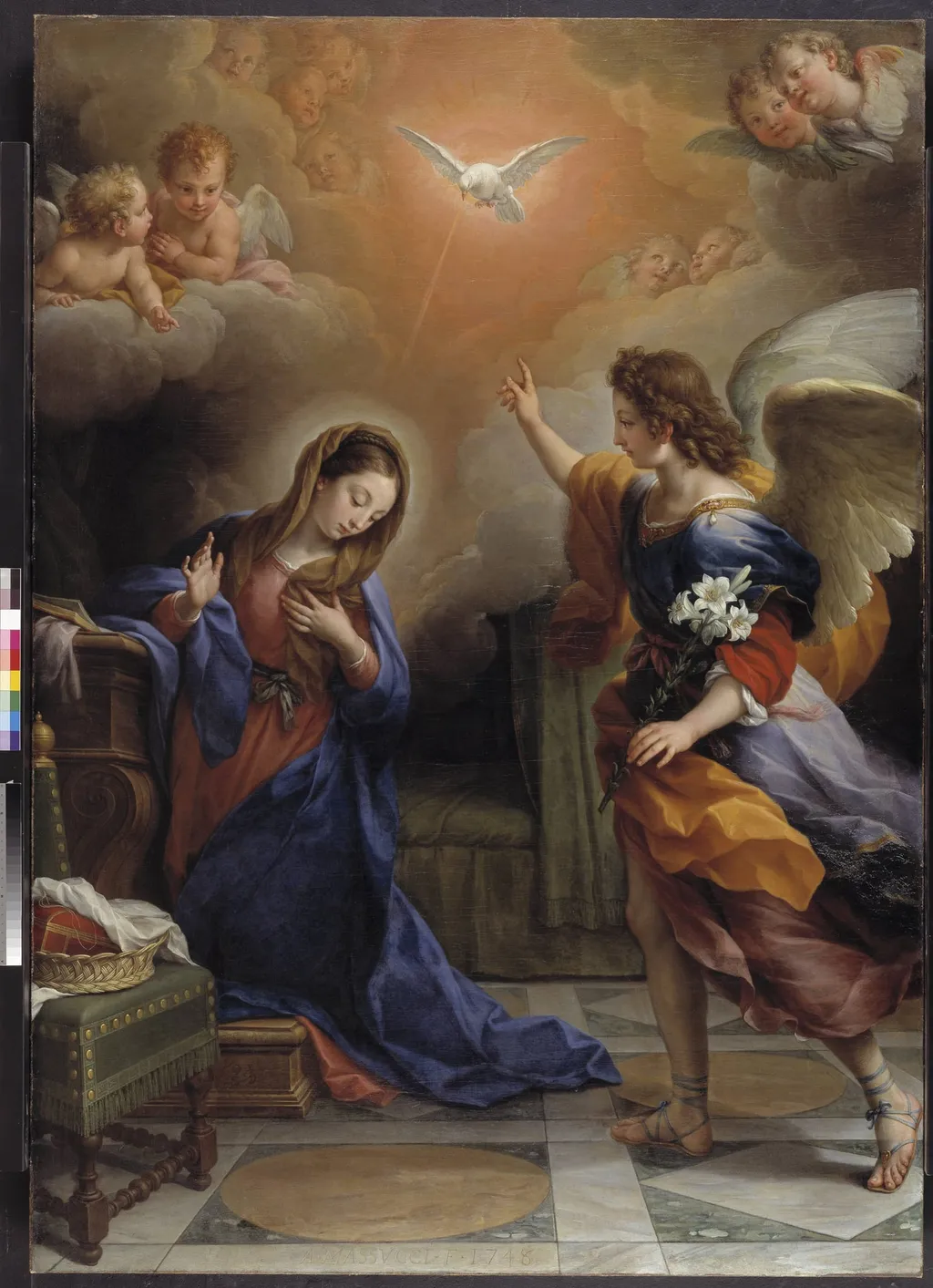
The Annunciation is a photography by the Baroque artist Unknown. It dates from 1748 and is held in the collection of the Statens Museum for Kunst.
About this work
Overview
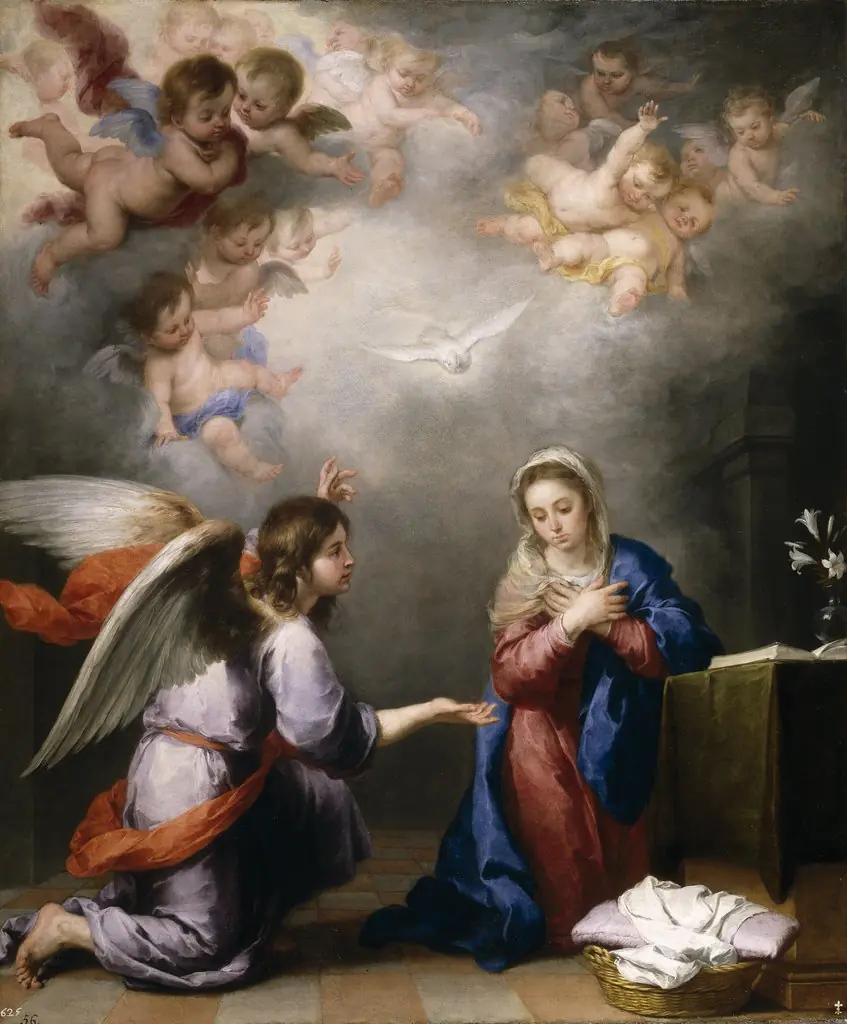
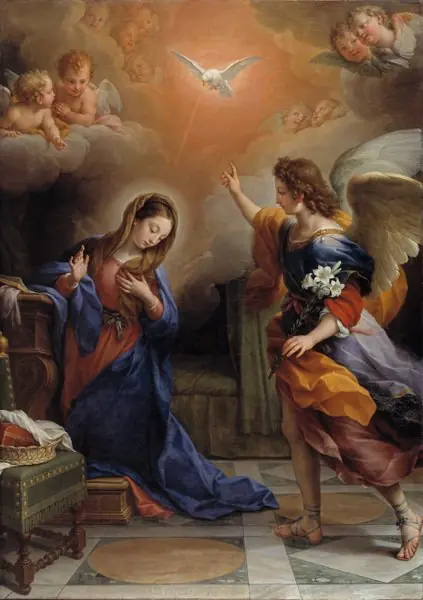
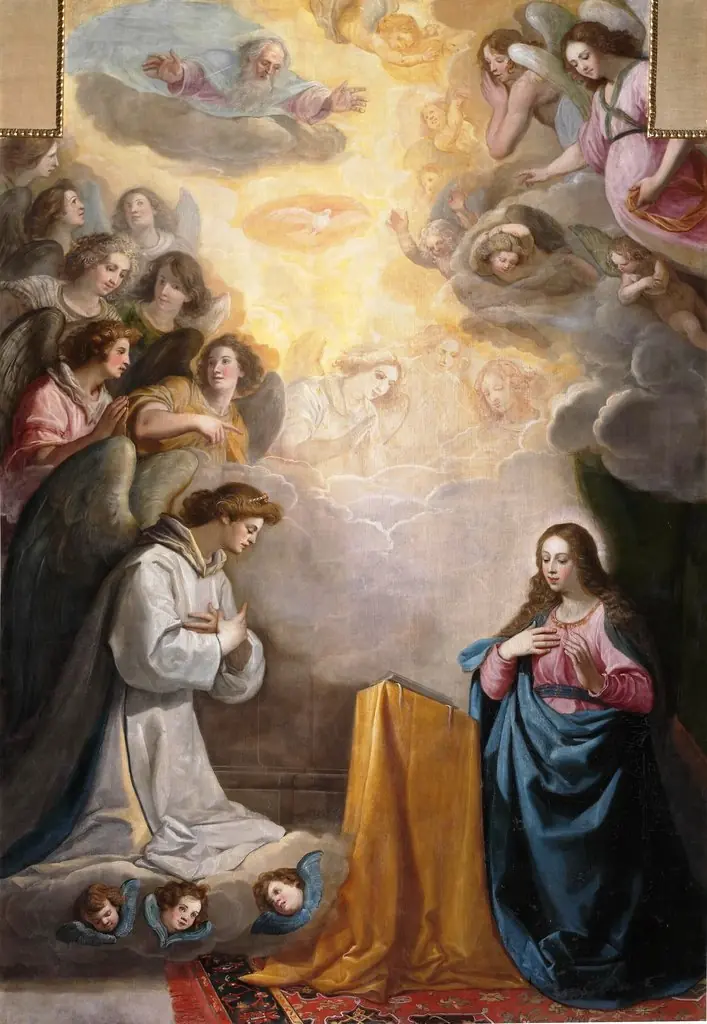
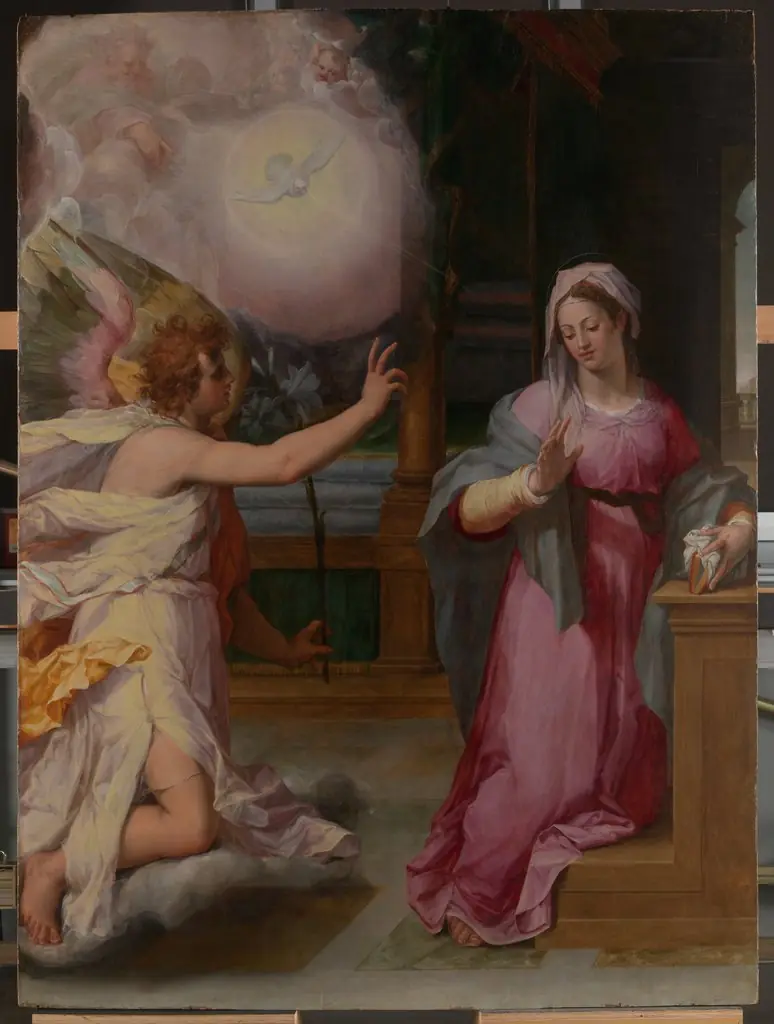
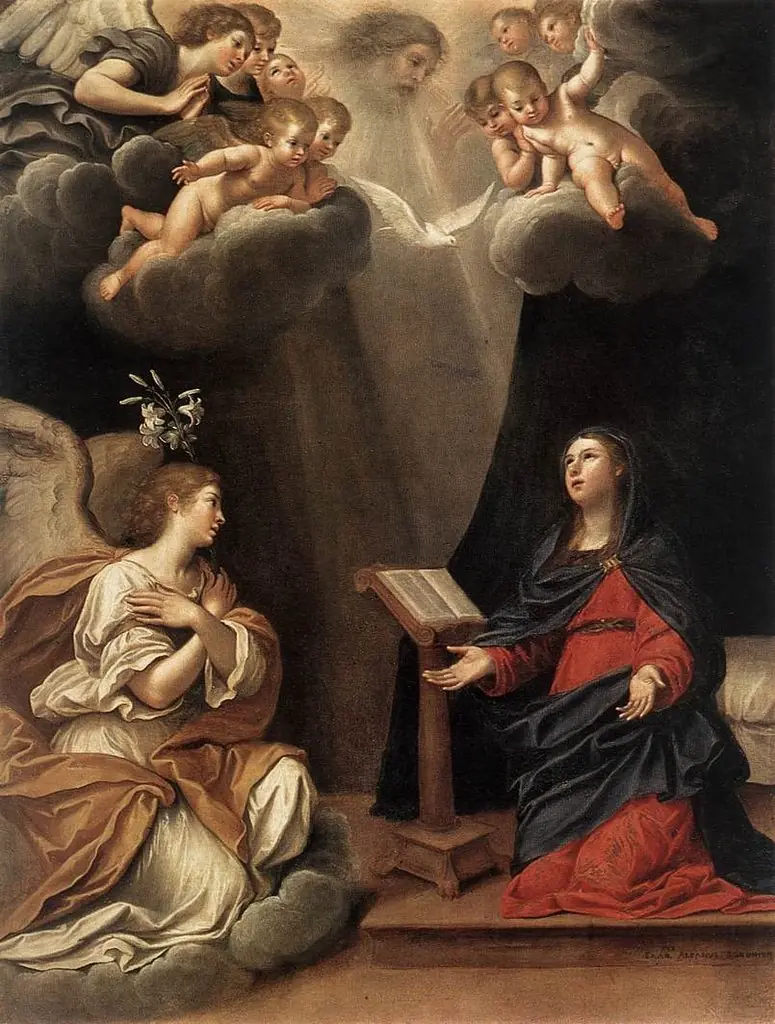
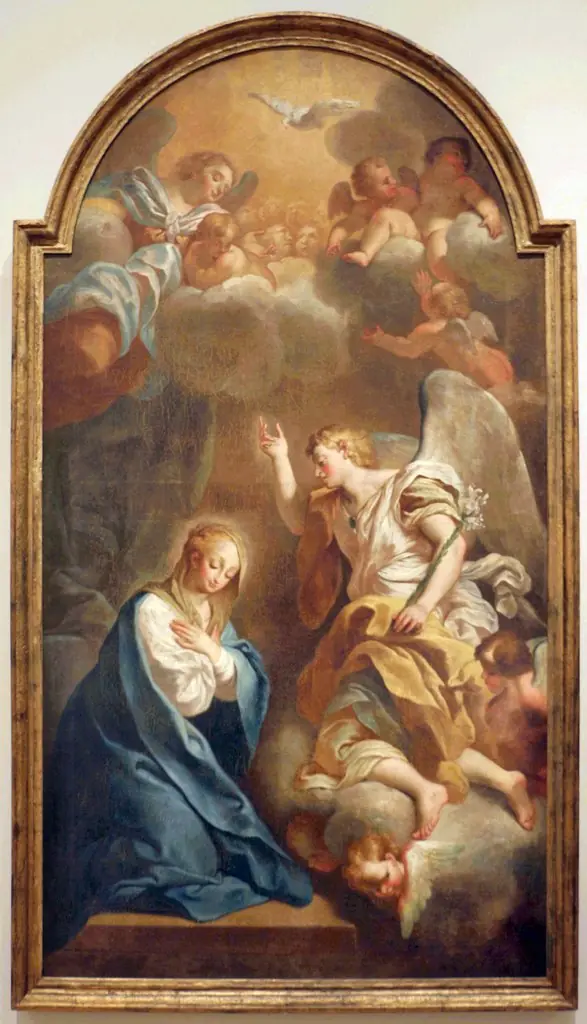
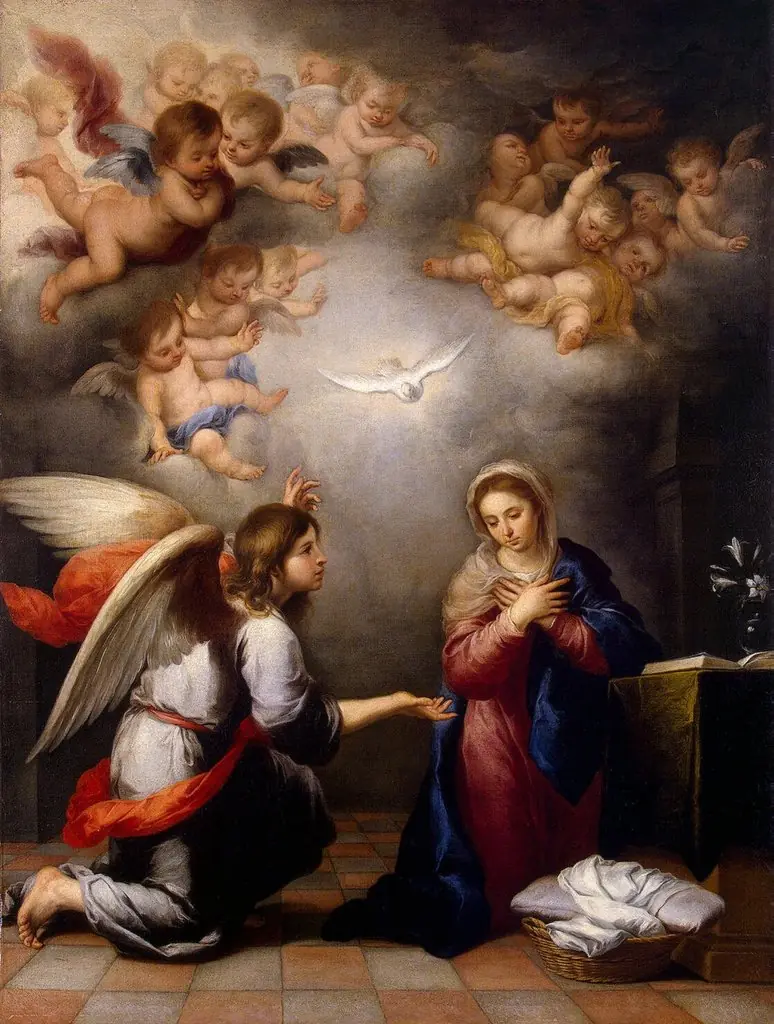
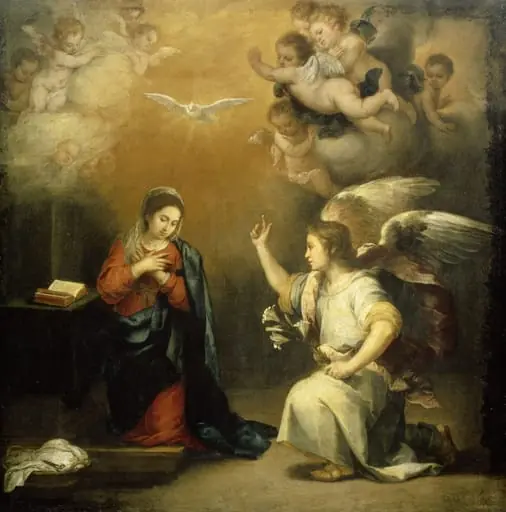
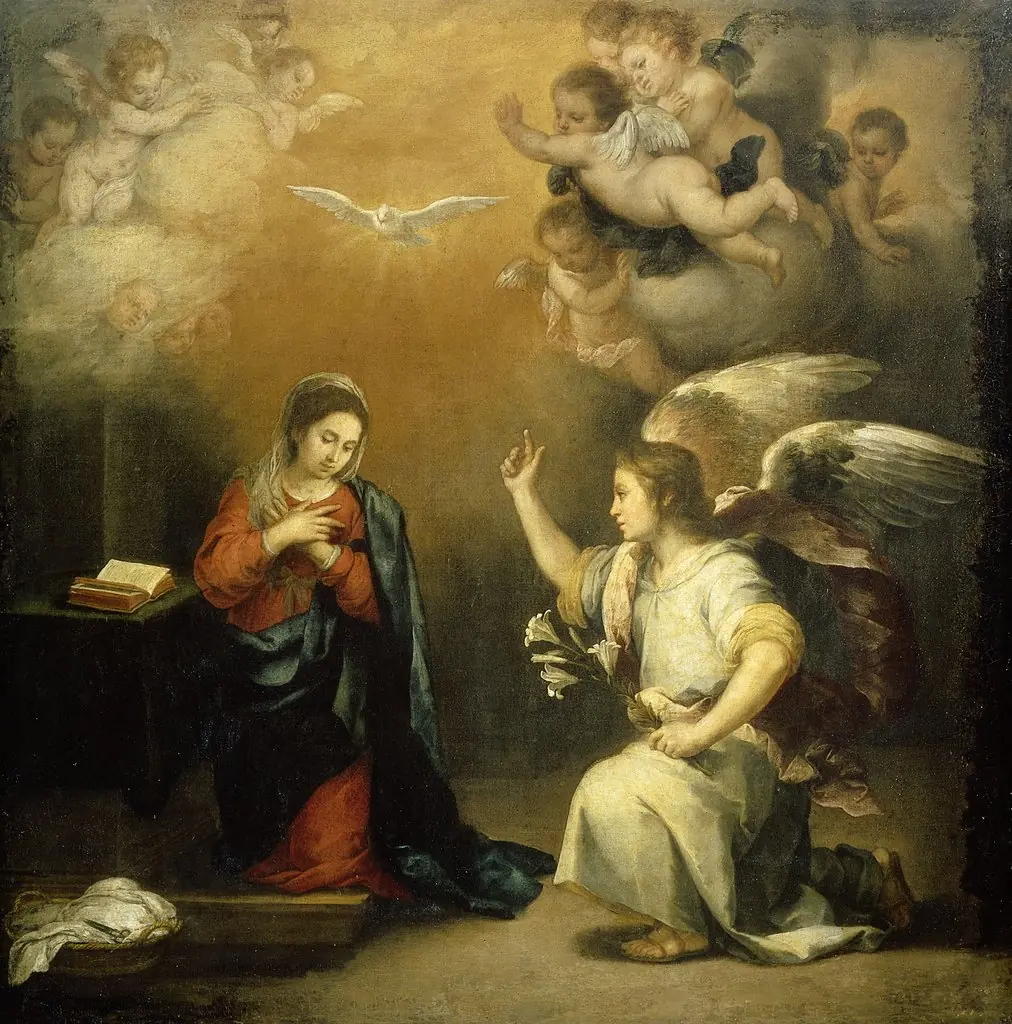
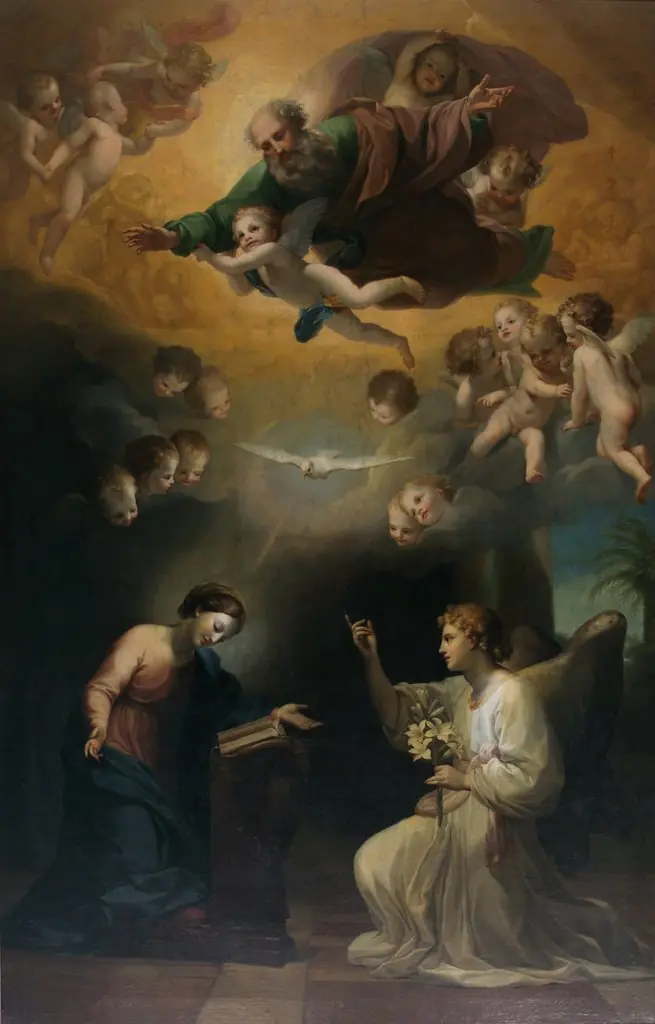
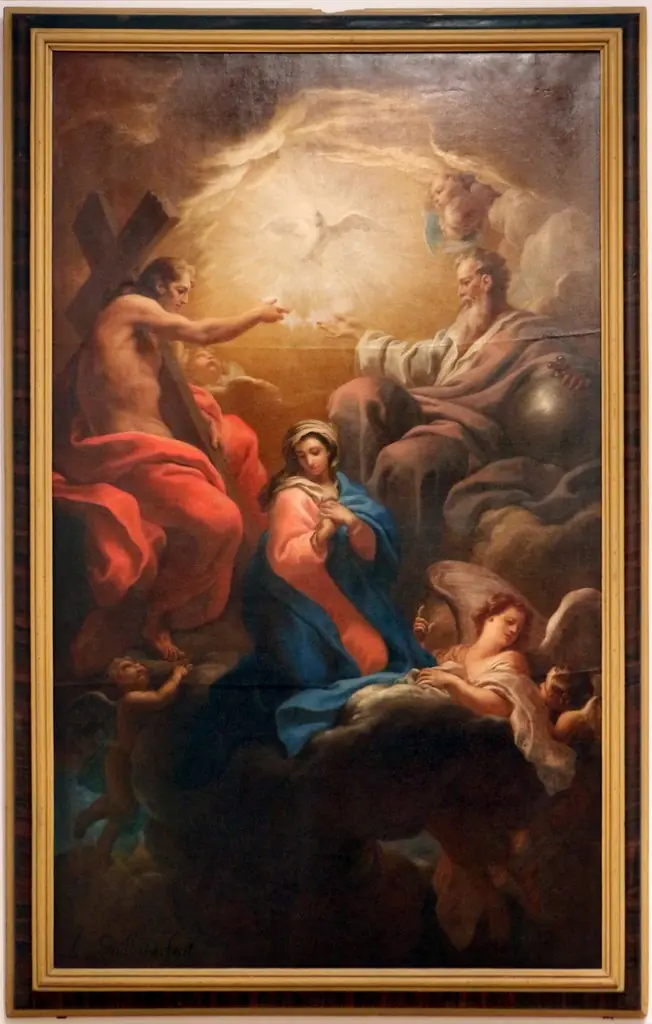
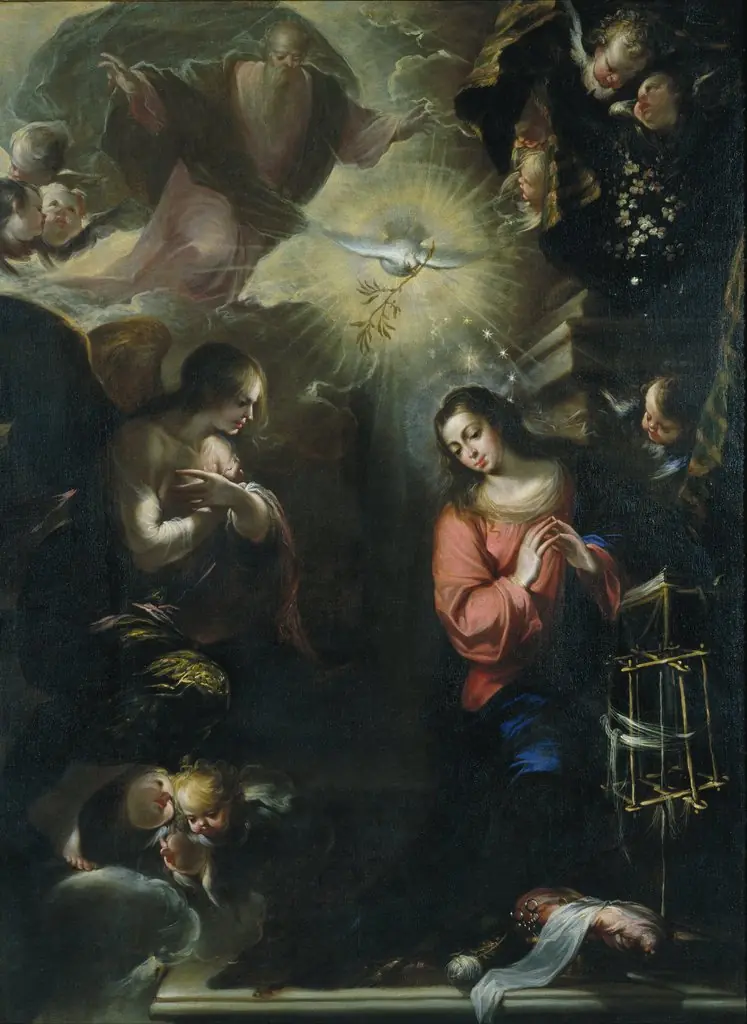
Painted in 1748, this work depicts the biblical moment when the angel Gabriel announces to the Virgin Mary that she will bear the Son of God. Executed in oil on canvas, it is part of the collection at the Museum of Ethnography. The composition centers on a quiet, intimate encounter between two figures, rendered with careful attention to gesture and atmosphere rather than grandeur.
Subject & Meaning
The standing figure, adorned with wings, is the angel Gabriel, gesturing toward a glowing dove—the traditional symbol of the Holy Spirit.
The kneeling woman, dressed in blue, represents the Virgin Mary, receiving the divine message with humility. The standing figure, adorned with wings, is the angel Gabriel, gesturing toward a glowing dove—the traditional symbol of the Holy Spirit. Surrounding cherubs and the ornate chair with a crown suggest heavenly presence and Mary’s future role as Queen of Heaven, reinforcing the sacred nature of the moment.
Technique & Style
The artist employs chiaroscuro to model forms with soft, directional light, enhancing the emotional weight of the scene. The dim interior contrasts with the radiant dove and floating clouds, drawing focus to the divine intervention. Details like the textured fabric of Mary’s robe and the delicate rendering of wings reflect a refined, almost intimate approach to Baroque religious imagery, prioritizing quiet reverence over theatricality.
History & Provenance
The painting entered the Museum of Ethnography’s collection in the late 19th century, though its earlier ownership remains undocumented. Its attribution to 894_person is based on stylistic analysis and archival records from the artist’s workshop. No significant restorations or alterations are recorded, preserving its original tonal balance and compositional integrity.
Context
Created during the height of the Baroque period, the work aligns with broader trends in Catholic devotional art that emphasized emotional engagement and divine presence. While many contemporaries favored dynamic movement and grandeur, this piece opts for stillness and introspection, reflecting regional variations in religious expression and the influence of quieter, contemplative traditions within the era.
Legacy
Though not widely exhibited outside its current institution, the painting contributes to scholarly understanding of 18th-century devotional imagery in non-urban centers. Its restrained approach offers a counterpoint to more flamboyant Baroque Annunciations, illustrating how spiritual themes were adapted to local tastes and smaller-scale religious settings.
Artist & collection

 Domestic Scene
 Giacomo and Cardinal Marco, investing Andrea, Abbot of San Zeno, with his Benefice
 The Nymph of Fontainebleau
 Portrait of a Woman
 Madonna and Child with Saints in the Enclosed Garden
 Venus and Minerva
 Family Group of Four on Sofa
 Wall painting from Room H of the Villa of P. Fannius Synistor at Boscoreale