Artwork
Dutch River Scene
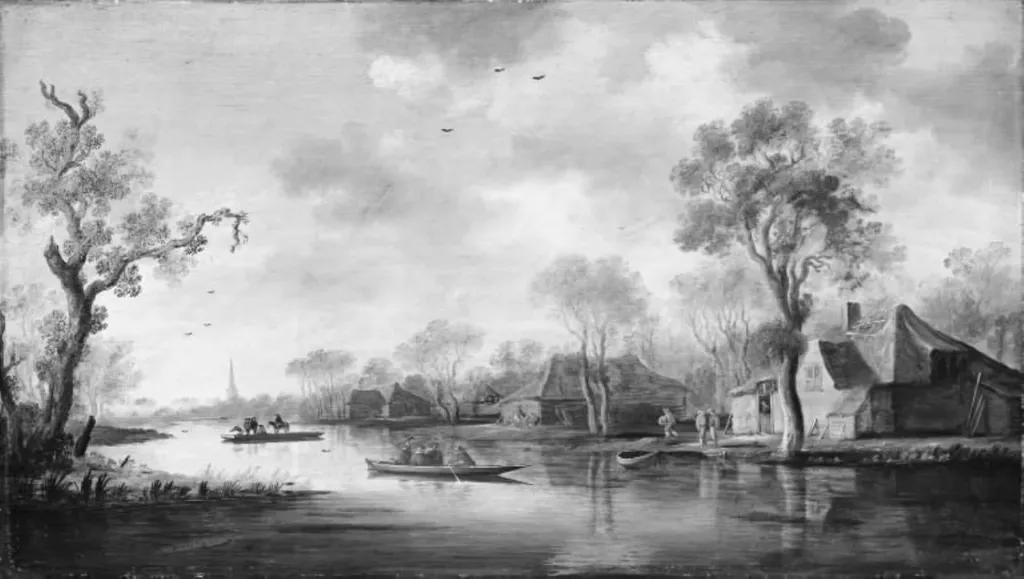
Dutch River Scene is a photography by the Baroque artist Unknown. It dates from 1636 and is held in the collection of the Statens Museum for Kunst.
About this work
Overview
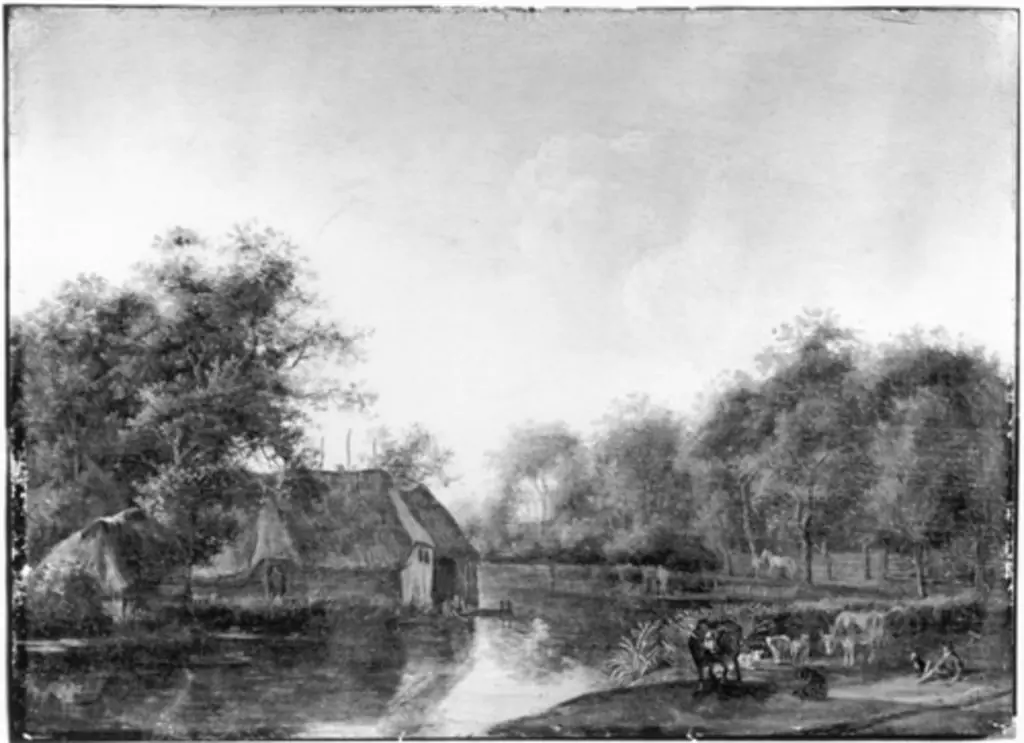
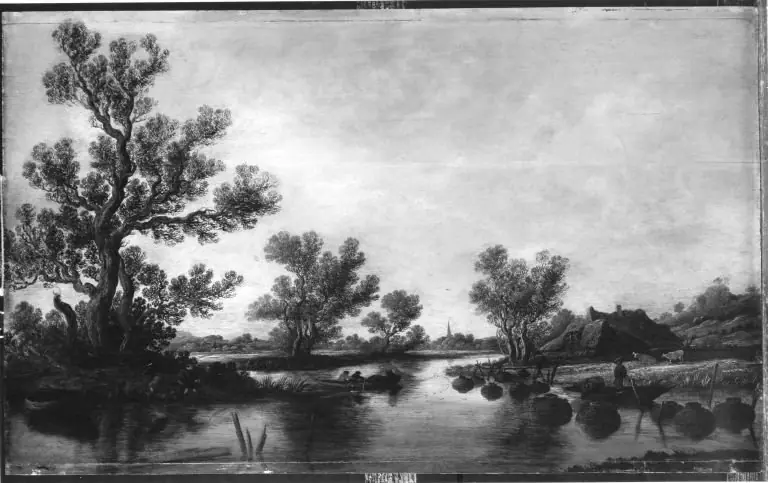
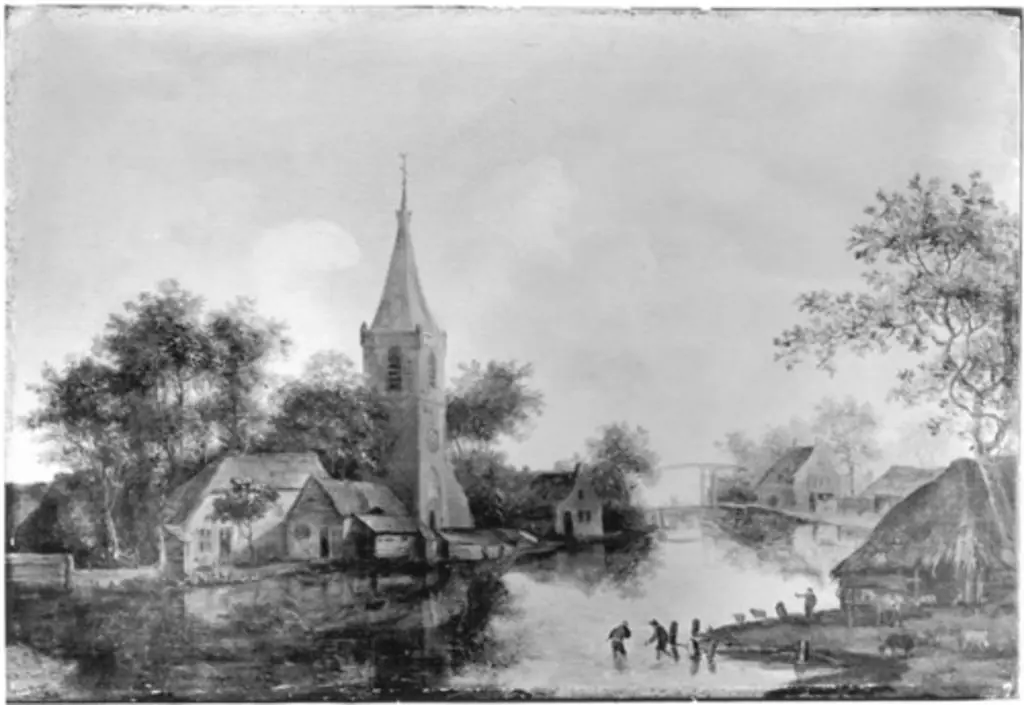
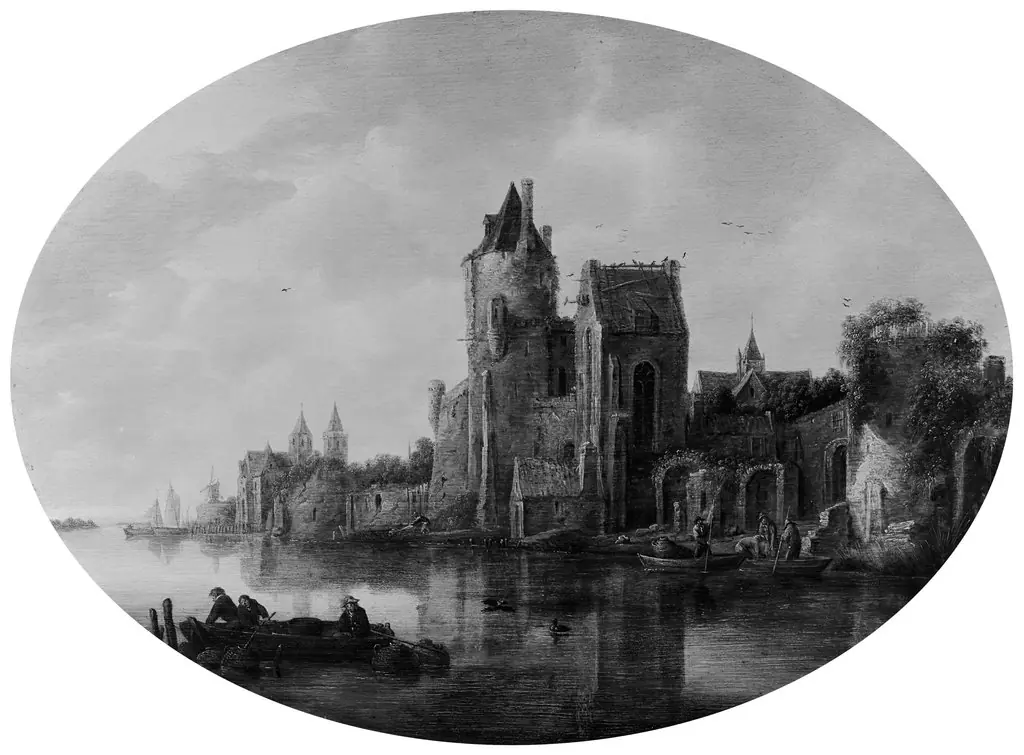
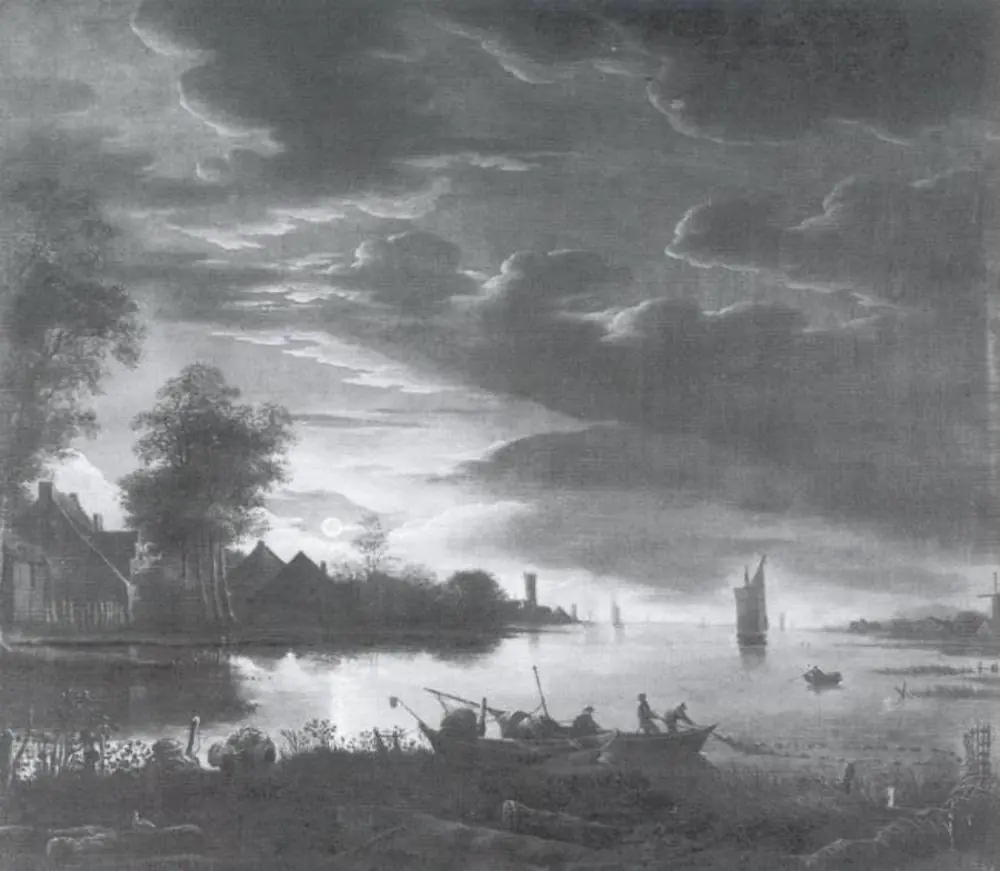
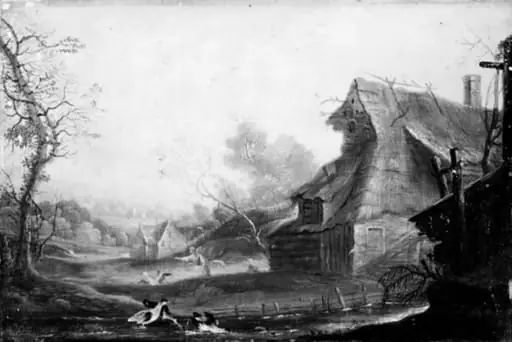
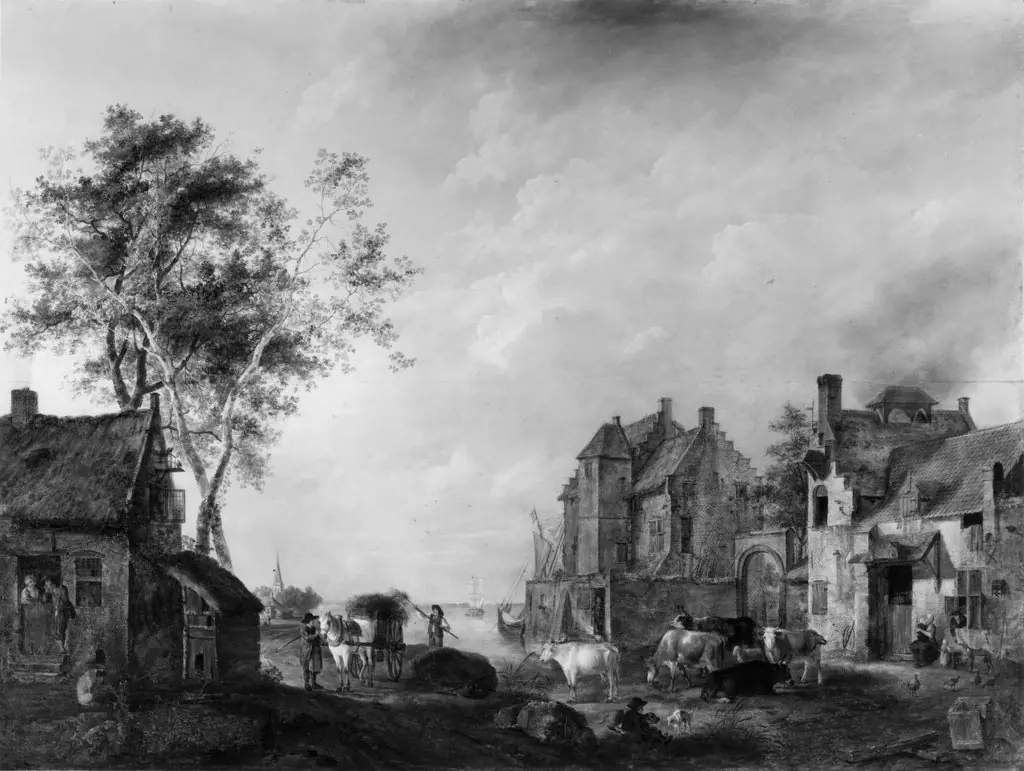
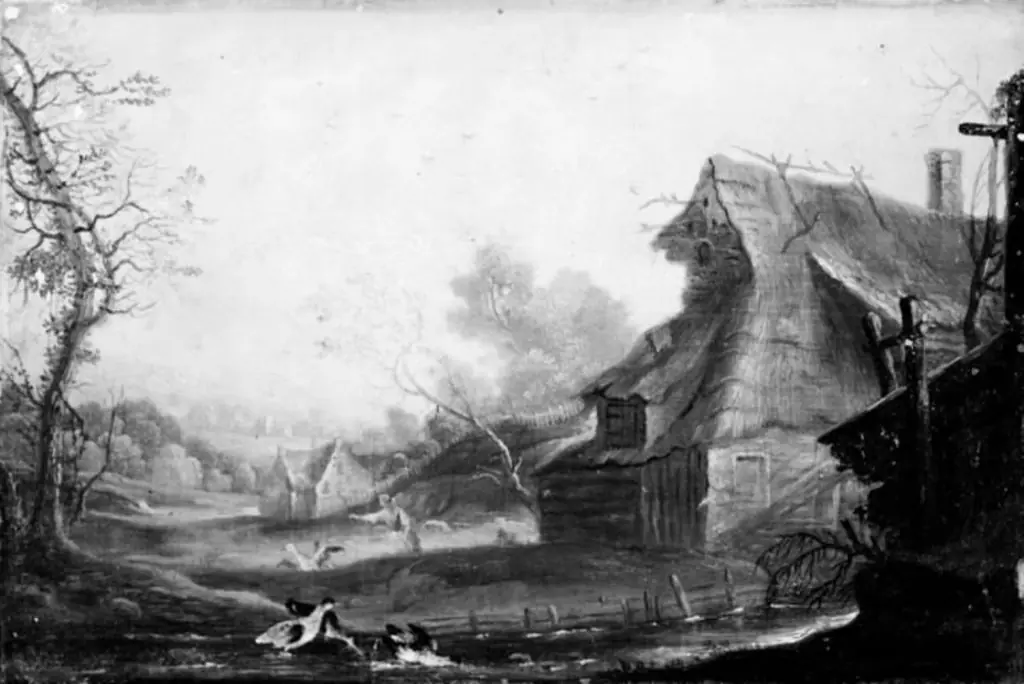
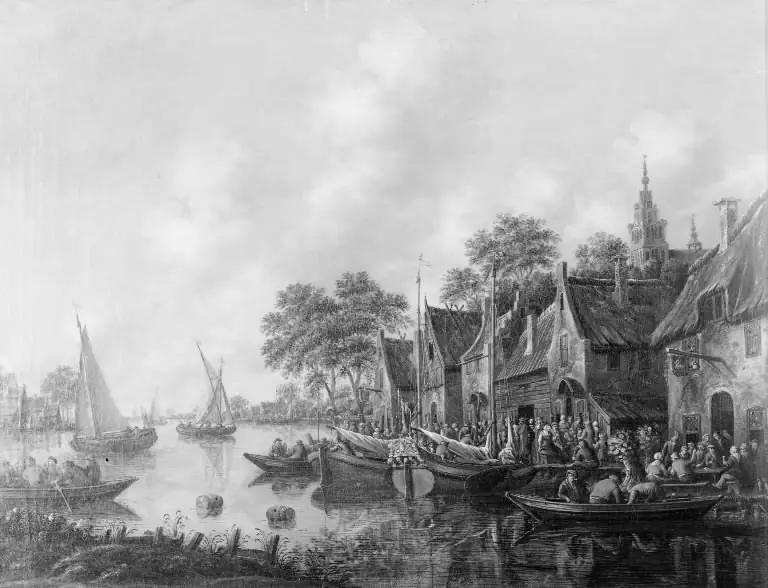
Painted in 1636, this Dutch river scene captures a tranquil stretch of water with modest vessels and low-lying dwellings along its banks. Executed in oil, the work reflects the quietude of rural Dutch life during the early 17th century. It resides in the Museum of Ethnography, where its subdued palette and atmospheric perspective distinguish it from more narrative-driven contemporaries.
Subject & Meaning
The scene depicts everyday river activity—small boats with passengers, scattered shelters, and sparse architecture—without overt drama or symbolism. The absence of human figures in focus suggests a contemplative observation of routine life. The distant church spire hints at spiritual presence, but the emphasis remains on the stillness of nature and human habitation coexisting peacefully.
Technique & Style
The artist employs soft tonal transitions and muted hues to dissolve boundaries between land, water, and sky. Brushwork is restrained, with forms gently receding into haze rather than being sharply defined. Light is diffused, casting no strong shadows, which enhances the sense of quiet and temporal suspension. This approach prioritizes emotional tone over topographical precision.
History & Provenance
The painting was created in the Netherlands during the height of the Dutch Golden Age, though its attribution to a specific artist remains uncertain. It entered the Museum of Ethnography’s collection in the early 20th century, likely acquired as part of a broader effort to document regional vernacular life. Its origins are undocumented prior to this acquisition.
Context
This work aligns with the Dutch tradition of landscape painting that valued observation over grandeur. Unlike the theatricality of Italian Baroque, it reflects a northern European preference for understated realism. Such scenes were often commissioned by middle-class patrons who appreciated depictions of familiar, unadorned environments as expressions of harmony and order.
Legacy
Though not widely exhibited, the painting contributes to the understanding of how Dutch artists conveyed mood through minimalism. Its quiet aesthetic influenced later generations interested in atmospheric landscape, particularly those exploring the emotional potential of light and space over narrative content. It remains a quiet example of regional sensibility within a broader artistic movement.
Artist & collection

 Domestic Scene
 Giacomo and Cardinal Marco, investing Andrea, Abbot of San Zeno, with his Benefice
 The Nymph of Fontainebleau
 Portrait of a Woman
 Madonna and Child with Saints in the Enclosed Garden
 Venus and Minerva
 Family Group of Four on Sofa
 Wall painting from Room H of the Villa of P. Fannius Synistor at Boscoreale