Artwork
Square in the city of Nuremberg
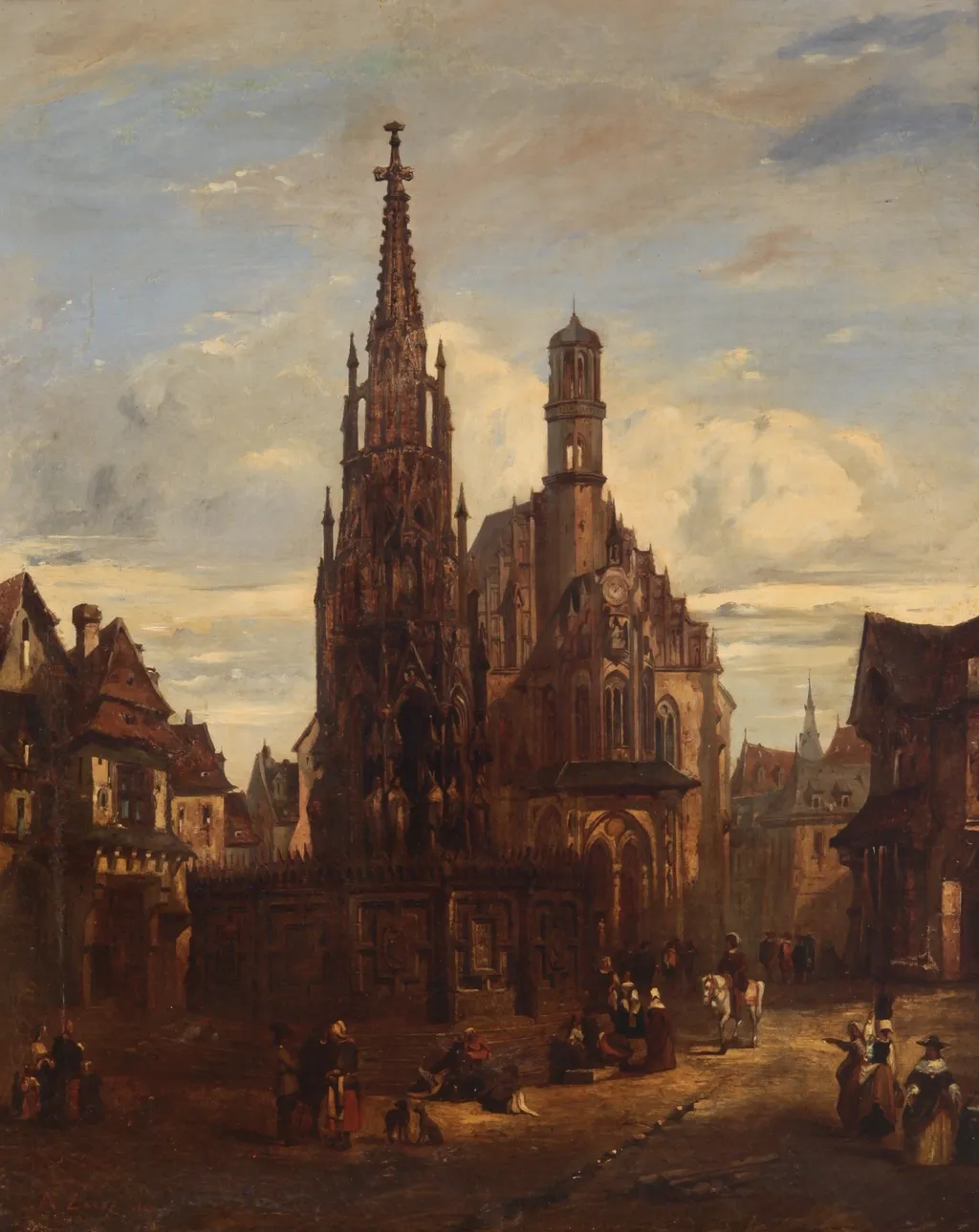
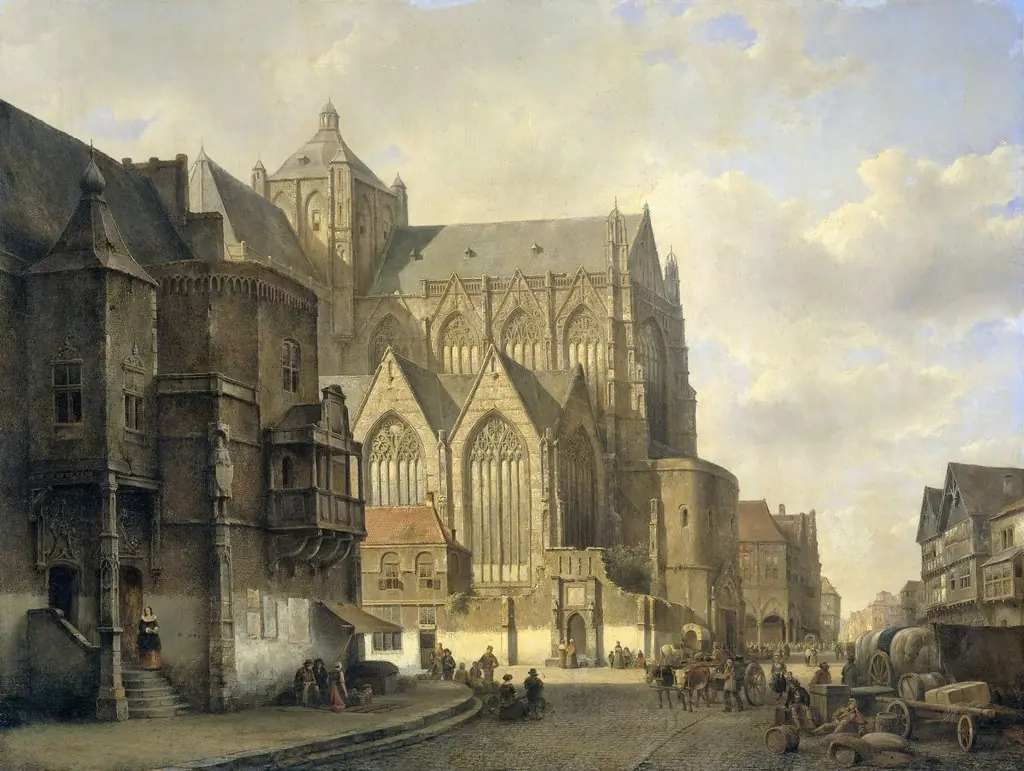
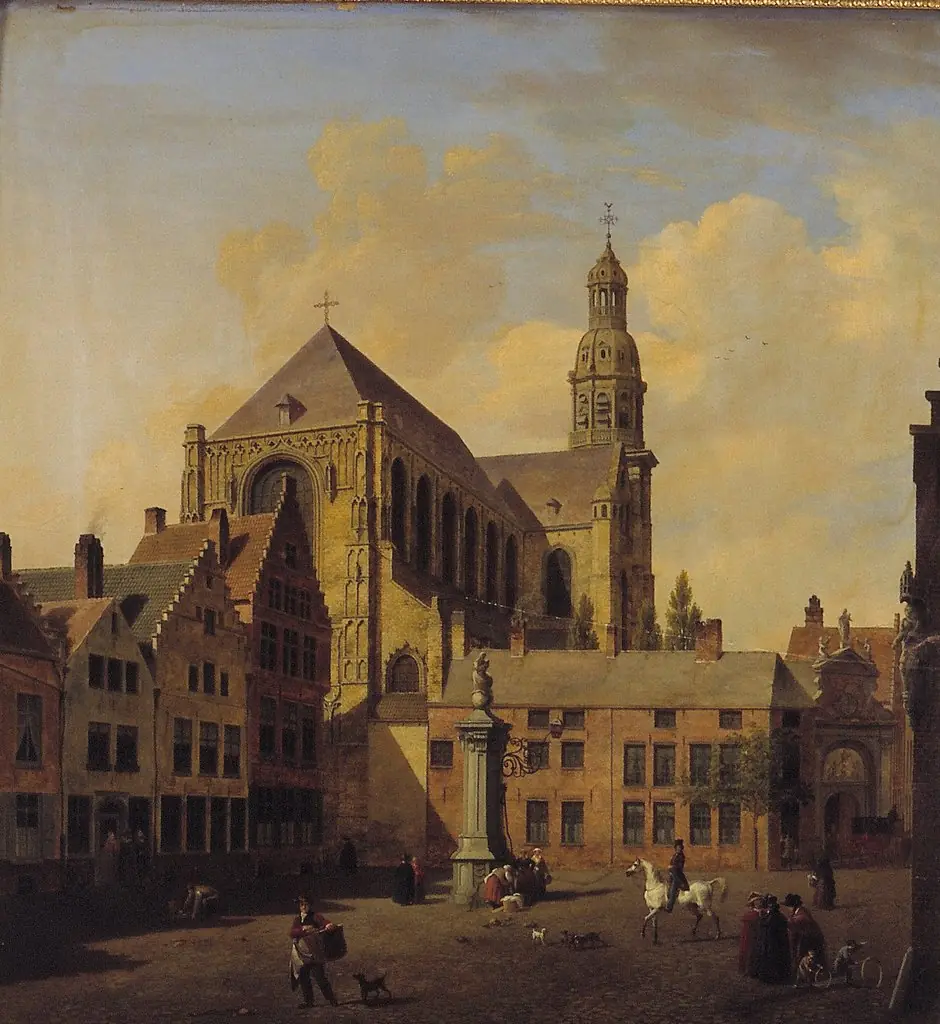
Square in the city of Nuremberg is an oil painting by the German Romanticist artist A. Zarra. It dates from 1845 and is held in the collection of the National Museum of Fine Arts, Argentina. Created in 1845, this oil on canvas presents a bustling urban scene from Nuremberg.
About this work
Overview
Created in 1845, this oil on canvas presents a bustling urban scene from Nuremberg. Central to the composition is a prominent church with an elevated bell tower, framed by surrounding structures and the movement of townspeople. The work is part of the collection of the National Museum of Fine Arts in Buenos Aires, offering a 19th‑century perspective on German civic life.
Subject & Meaning
The painting captures a public square where daily routines unfold beneath the shadow of a dominant ecclesiastical edifice. By placing the church and its tower at the focal point, the artist underscores the building’s role as both a spiritual and communal landmark, while the surrounding figures suggest the rhythm of ordinary urban activity.
Technique & Style
Executed in oil, the artist employs a careful handling of light and shadow to model architectural forms, employing chiaroscuro to enhance depth. Fine brushwork renders the textures of stone, timber, and fabric, while a muted yet varied palette conveys atmospheric conditions and the materiality of the scene.
History & Provenance
The work was painted by A. Zarra in the mid‑19th century and later entered the holdings of Argentina’s National Museum of Fine Arts in Buenos Aires. Its presence in the museum reflects the institution’s broader acquisition of European genre paintings that illustrate historical urban environments.
Own this work as a print
Artist & collection
Artist
A Spanish painter in the 1800s, A. Zarra captured a quiet slice of 19th-century life in oil. Look closely at *Square in the city of Nuremberg* from 1845, where arched doorways and cobblestone paths frame a lone figure…

Museum
National Museum of Fine Arts, Argentina
Continue through works from the same source collection.