Artwork
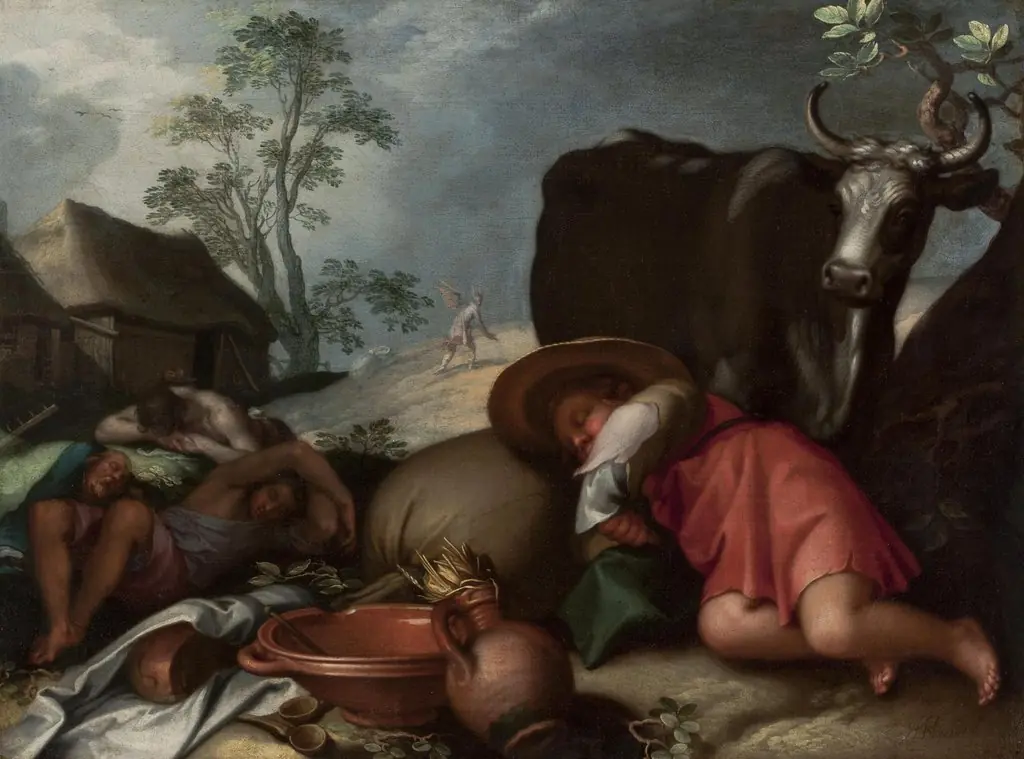
Farmstead wit the Parable of the Prodigal Son
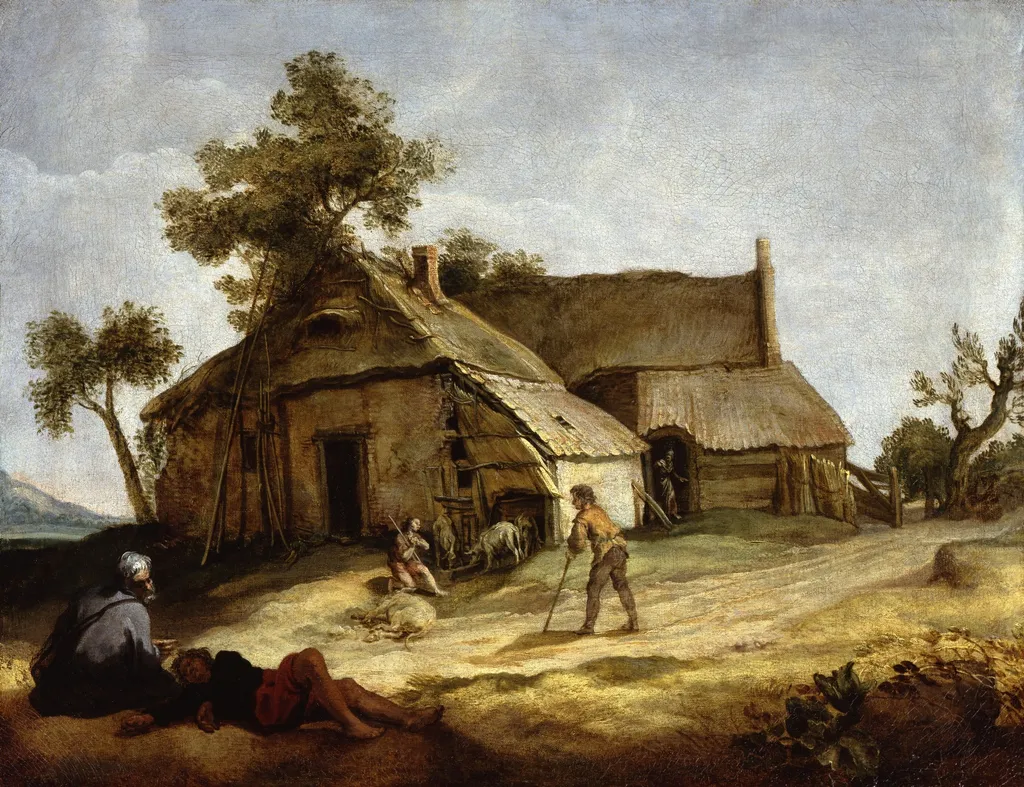
Farmstead wit the Parable of the Prodigal Son is a paint painting by the Dutch Golden Age artist Abraham Bloemaert. It dates from 1607 and is held in the collection of the Gemäldegalerie Berlin.
About this work
Overview
Farmstead with the Parable of the Prodigal Son is a 1607 painting by Dutch artist Abraham Bloemaert, blending a rural landscape with a biblical narrative.
Subject & Meaning
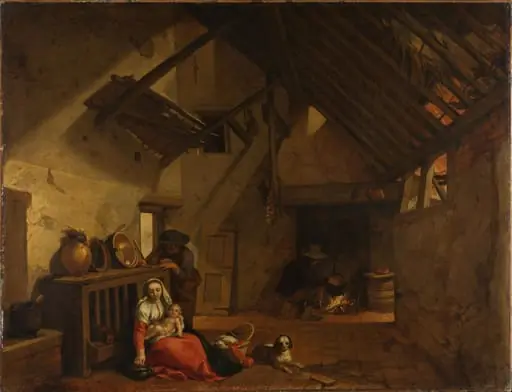
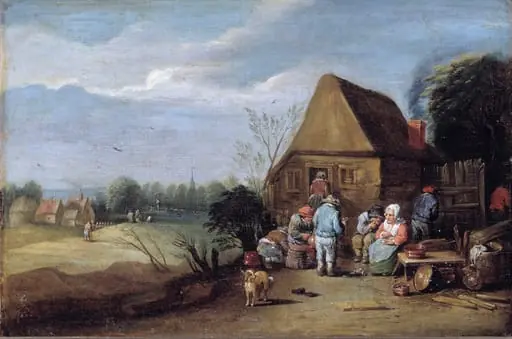
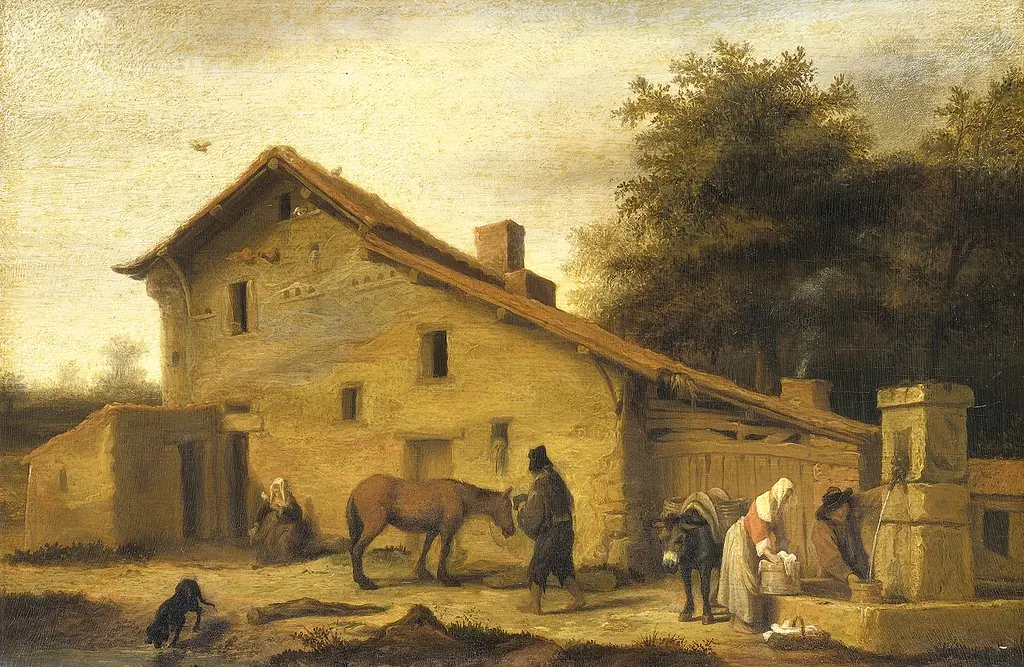
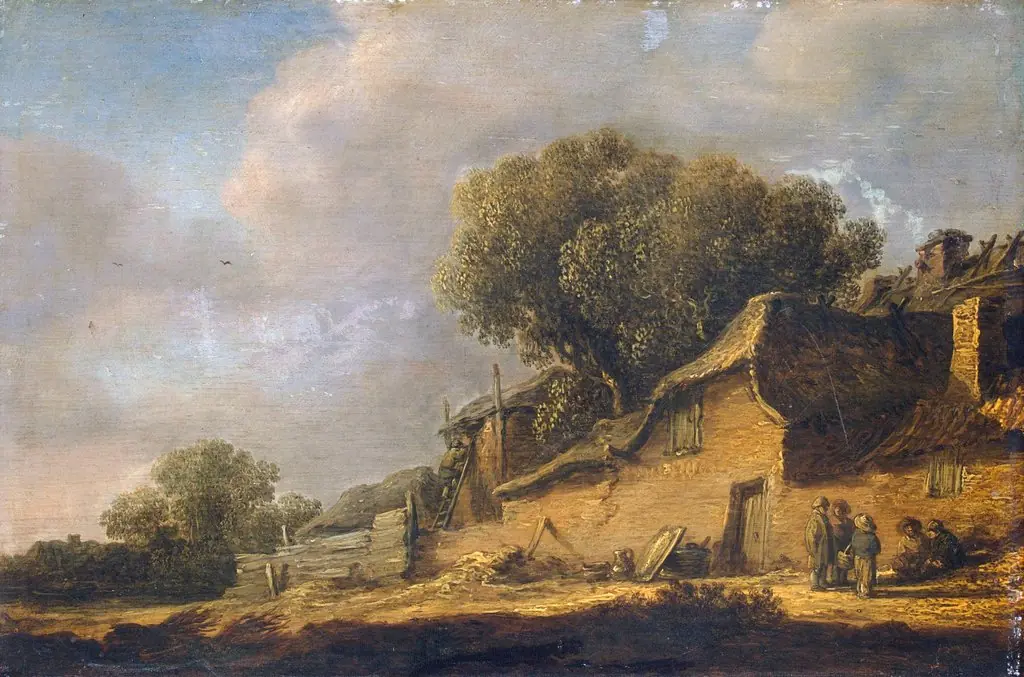
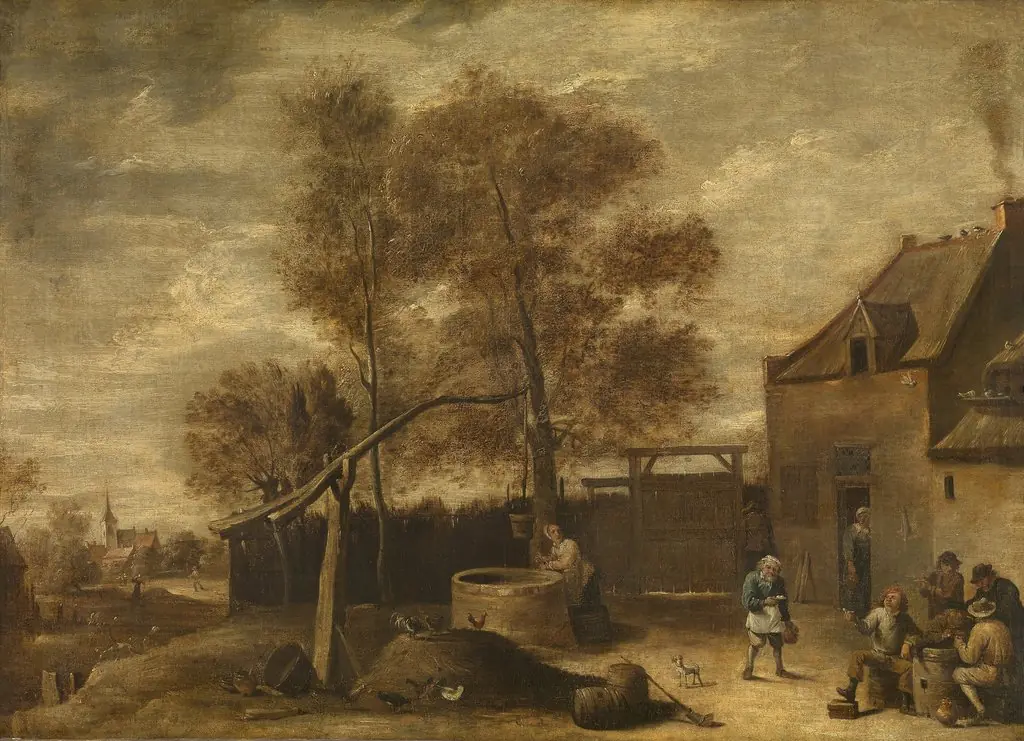
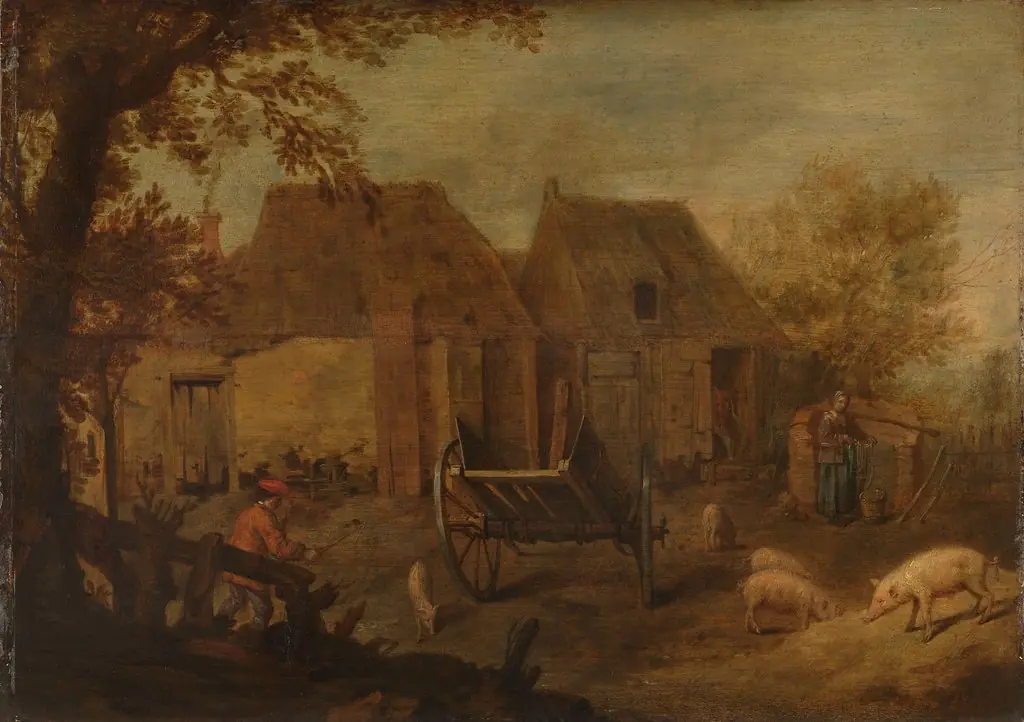
The painting illustrates the Parable of the Prodigal Son, set against a detailed farmstead scene. Figures and animals outside a thatched-roof house evoke the story's themes, though the specific moment depicted is not overtly dramatic, instead suggesting a serene interpretation.
Technique & Style
Executed during Bloemaert's transition from Haarlem Mannerism to Baroque influences, the work features muted browns, greens, and a light blue sky, characteristic of the Dutch Golden Age's emerging styles. The composition is rich in narrative detail.
History & Provenance
Created in 1607, the painting reflects Bloemaert's evolving artistic style. As a prominent educator, Bloemaert's work, including this piece, would influence his students, notably those associated with the Utrecht Caravaggisti movement.
Context
Part of the Dutch Golden Age, this work situates Bloemaert among artists adapting to the Baroque style. Its blend of landscape and biblical theme was common during this period, appealing to both religious and secular tastes.
Legacy
While the painting's direct impact is not broadly documented, it contributes to Bloemaert's reputation as a transitional figure in Dutch art and an important educator, with his influence seen in subsequent generations of Dutch painters.
Own this work as a print
Artist & collection

Artist
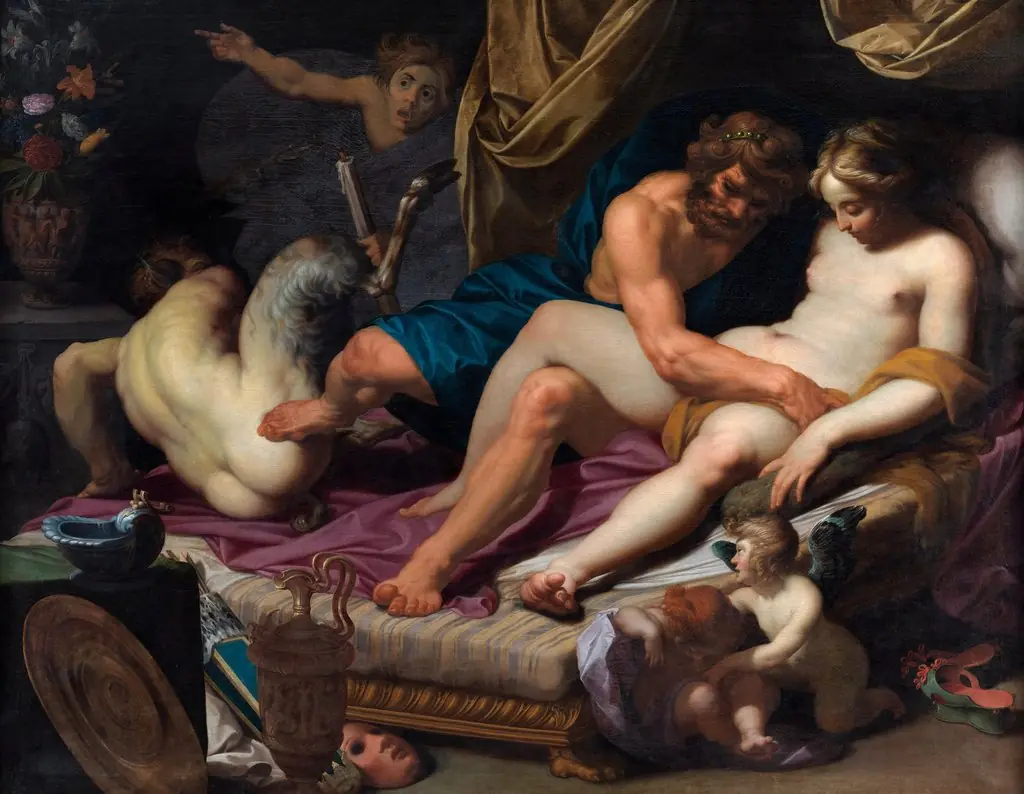
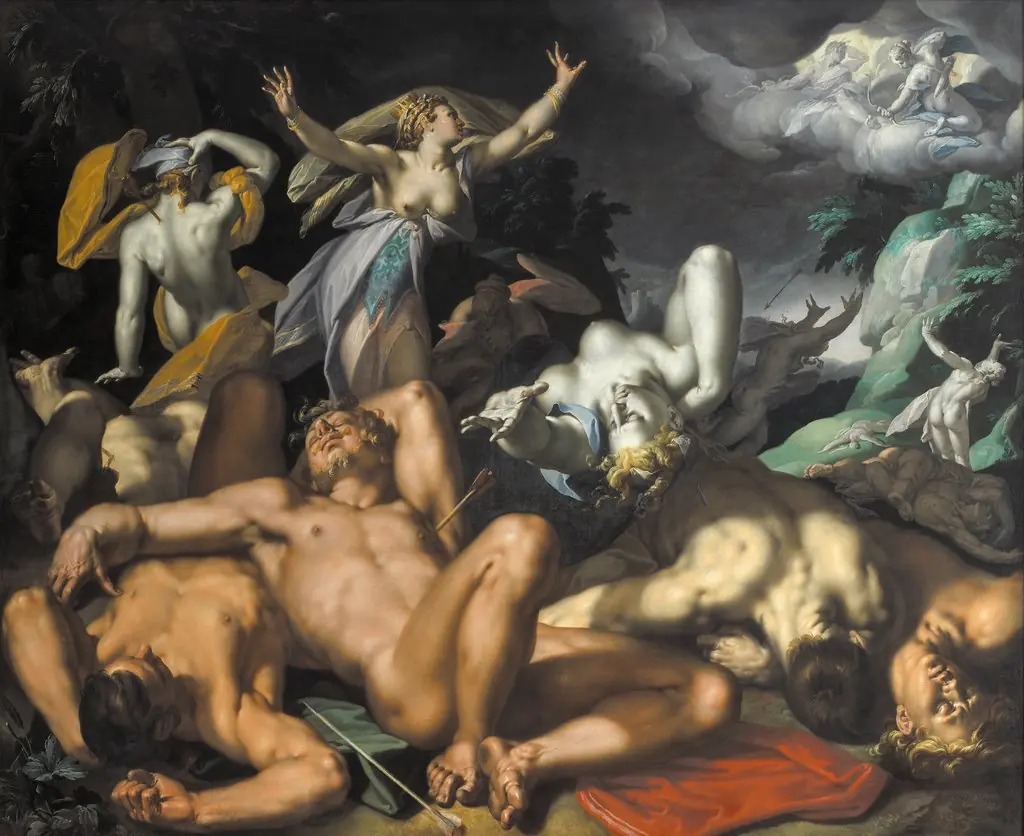
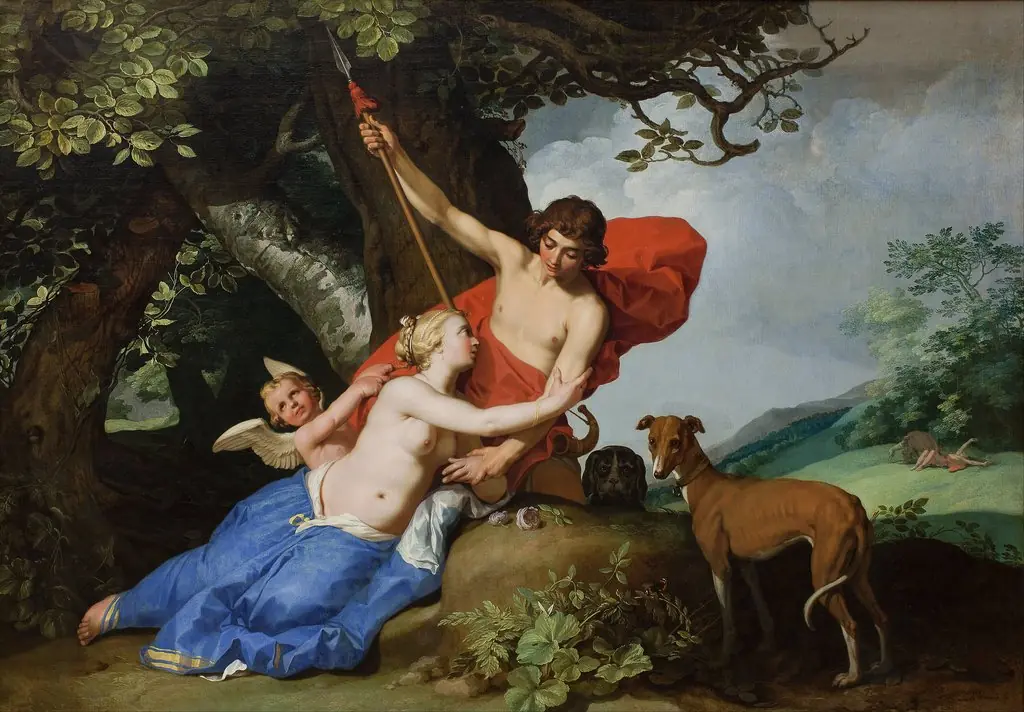
Abraham Bloemaert (25 December 1566 – 27 January 1651) was a Dutch painter and printmaker who used etching and engraving.