Artwork
The feast of the gods at the wedding of Peleus and Thetis
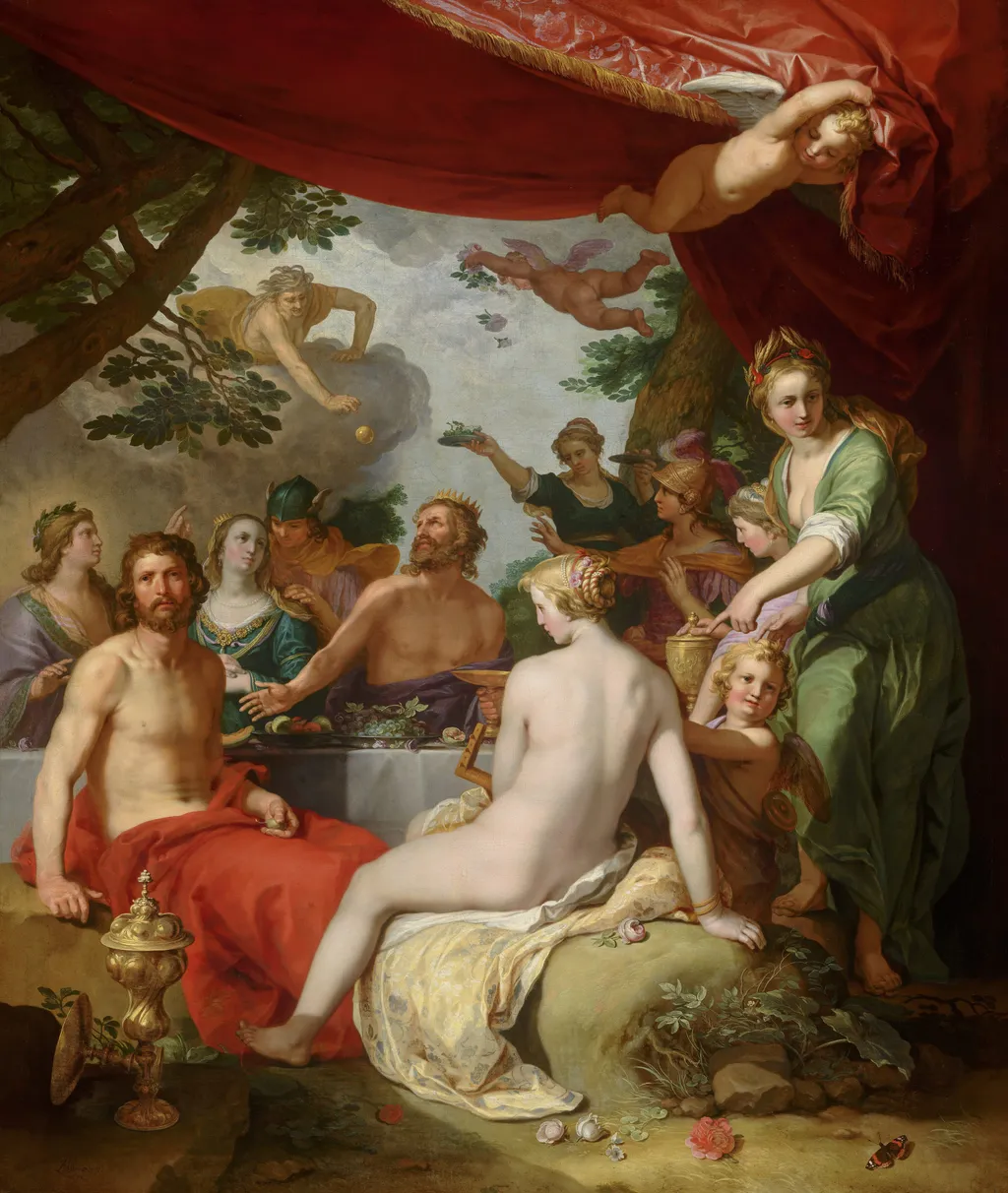
The feast of the gods at the wedding of Peleus and Thetis is an oil painting by the Dutch Golden Age artist Abraham Bloemaert. It dates from 1638 and is held in the collection of the Mauritshuis.
About this work
Overview
Created in 1638 by Dutch artist Abraham Bloemaert, this oil painting portrays the mythic nuptials of Peleus and Thetis.
Created in 1638 by Dutch artist Abraham Bloemaert, this oil painting portrays the mythic nuptials of Peleus and Thetis. The composition gathers a multitude of deities around a banquet table beneath a crimson canopy, their varied costumes and accessories conveying a festive atmosphere. A nude female figure rests on a rock in the foreground, accompanied by a man wrapped in red cloth, while cherubic figures hover above a landscape of trees and clouded sky.
Subject & Meaning
The work illustrates the celebrated wedding from Greek mythology, a narrative frequently employed by Bloemaert to explore themes of divine union and communal revelry. By assembling gods in a banquet setting, the artist emphasizes the harmony and abundance associated with the occasion, while the inclusion of a solitary nude figure may reference the presence of mortal or semi-divine participants within the mythic tableau.
Technique & Style
Bloemaert employs a Baroque sensibility marked by dynamic arrangement and strong contrasts of light and shadow, reflecting his transition from the earlier Haarlem Mannerist approach. The handling of paint shows a robust impasto in areas such as the draped cloth and the golden cup, while chiaroscuro models the forms of the deities, lending depth and volume to the bustling scene.
History & Provenance
The painting entered the collection of the Mauritshuis in The Hague, where it remains on display. Bloemaert, active between 1566 and 1651, produced the work during the later phase of his career, a period characterized by his focus on historical and mythological subjects within the Dutch Golden Age artistic milieu.
Context
In the early seventeenth century, Dutch painters increasingly embraced Baroque dynamism, moving away from the more restrained Mannerist compositions of the previous generation. Bloemaert’s depiction of a classical wedding aligns with contemporary interest in antiquity and the moralizing potential of myth, while the festive composition reflects the broader cultural appetite for elaborate, narrative-driven artworks.
Own this work as a print
Artist & collection

Artist
Abraham Bloemaert (25 December 1566 – 27 January 1651) was a Dutch painter and printmaker who used etching and engraving.

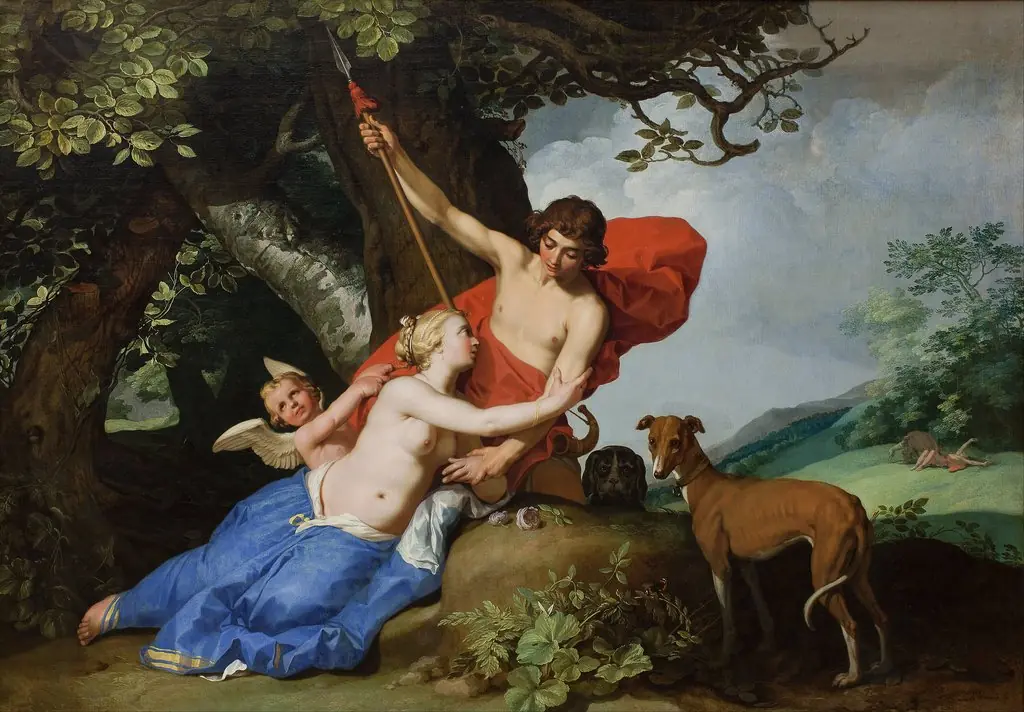
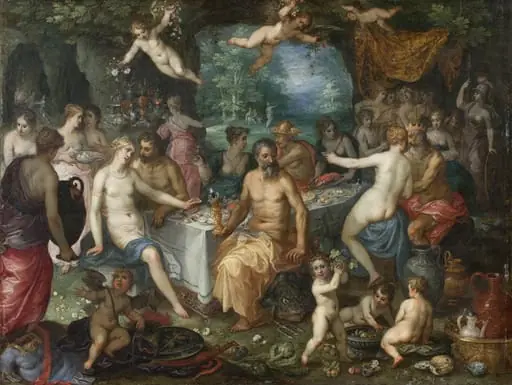 The Feast of the Gods. The Wedding of Peleus and Thetis
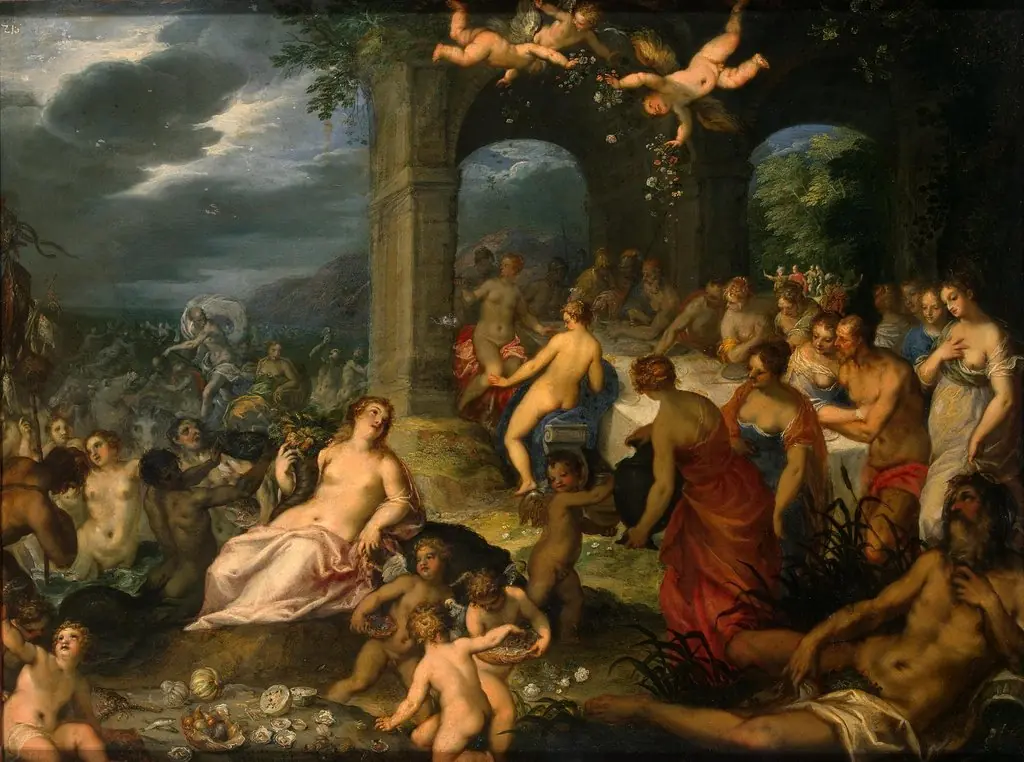 Feast of the Gods (The Marriage of Peleus and Thetis)
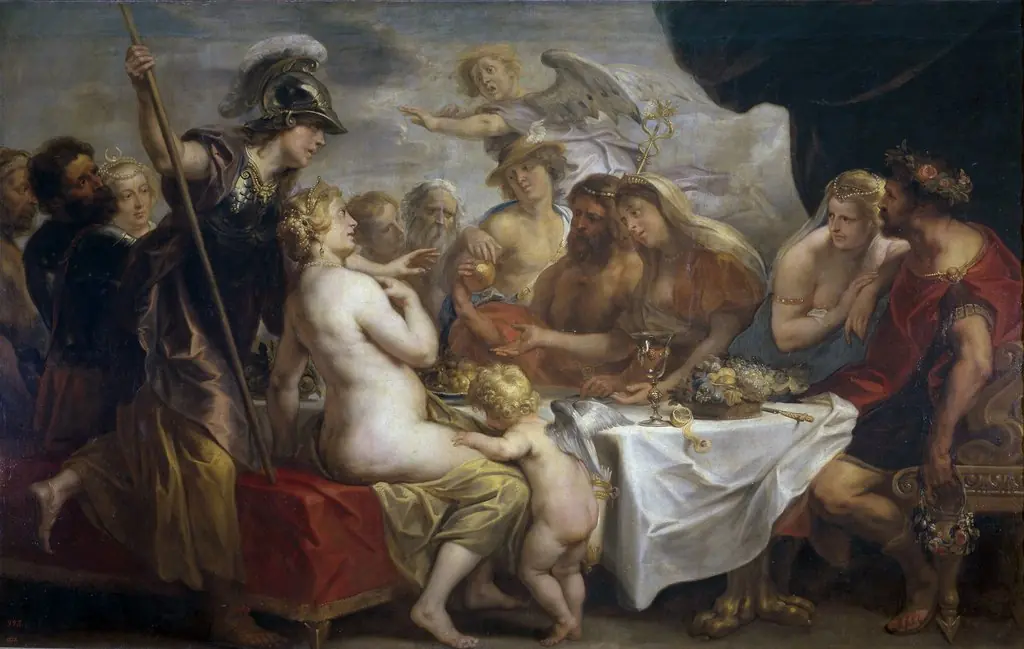 The wedding of Thetis and Peleus
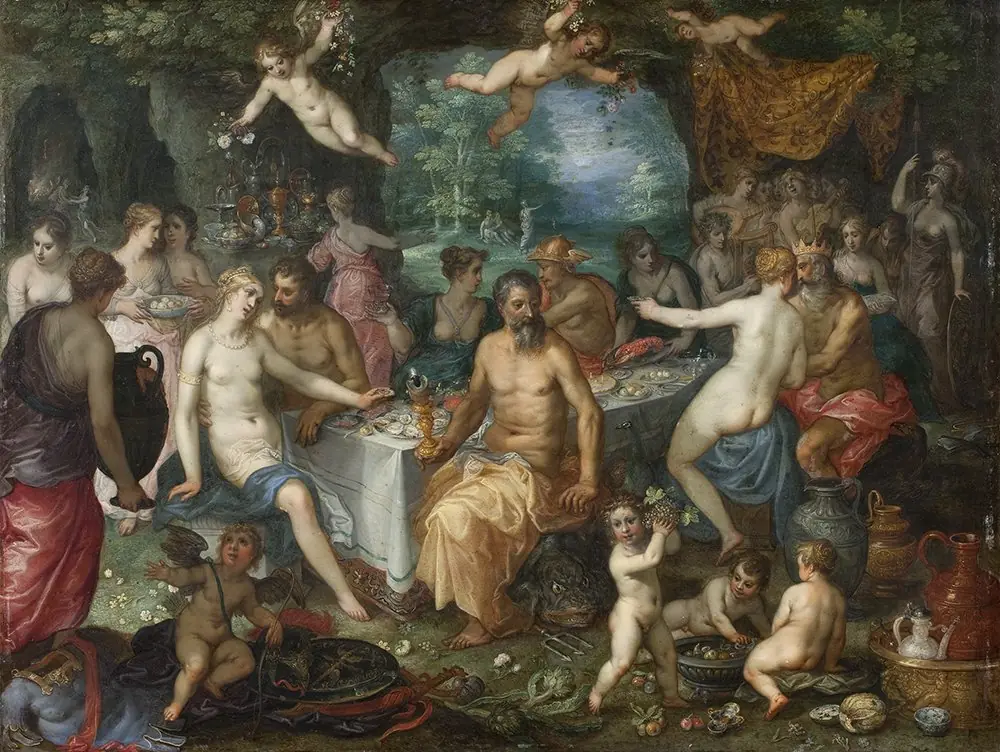 The Feast of the Gods. The Wedding of Peleus and Thetis
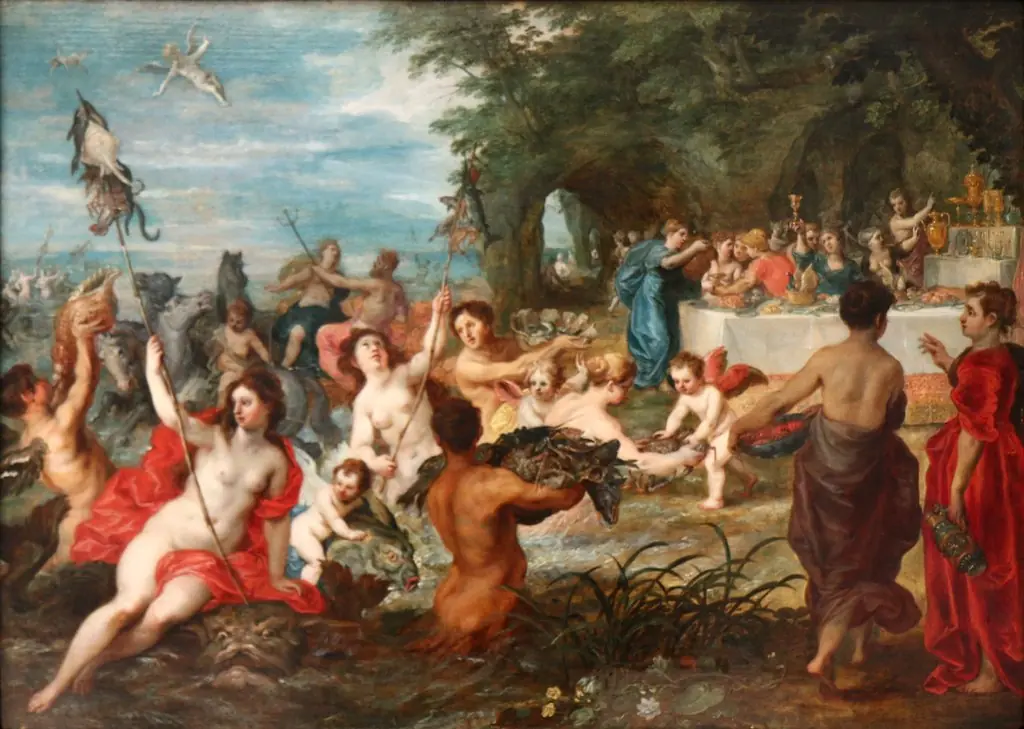 The wedding of Thetis and Peleus
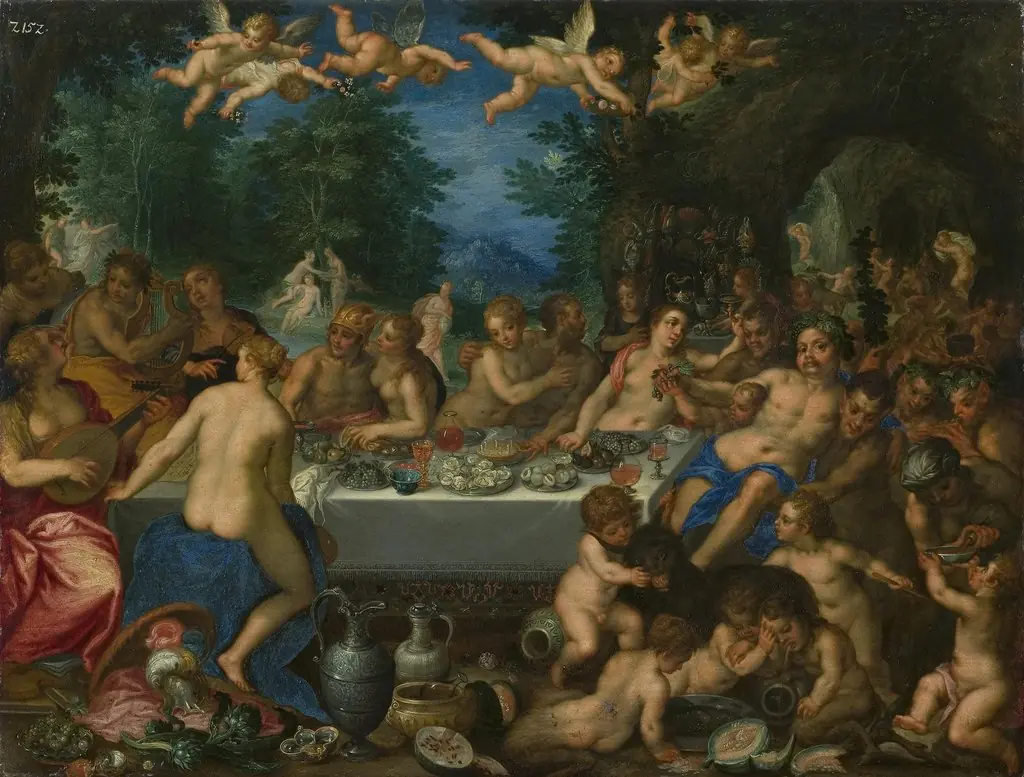 Feast of the Gods - The Marriage of Peleus and Thetis
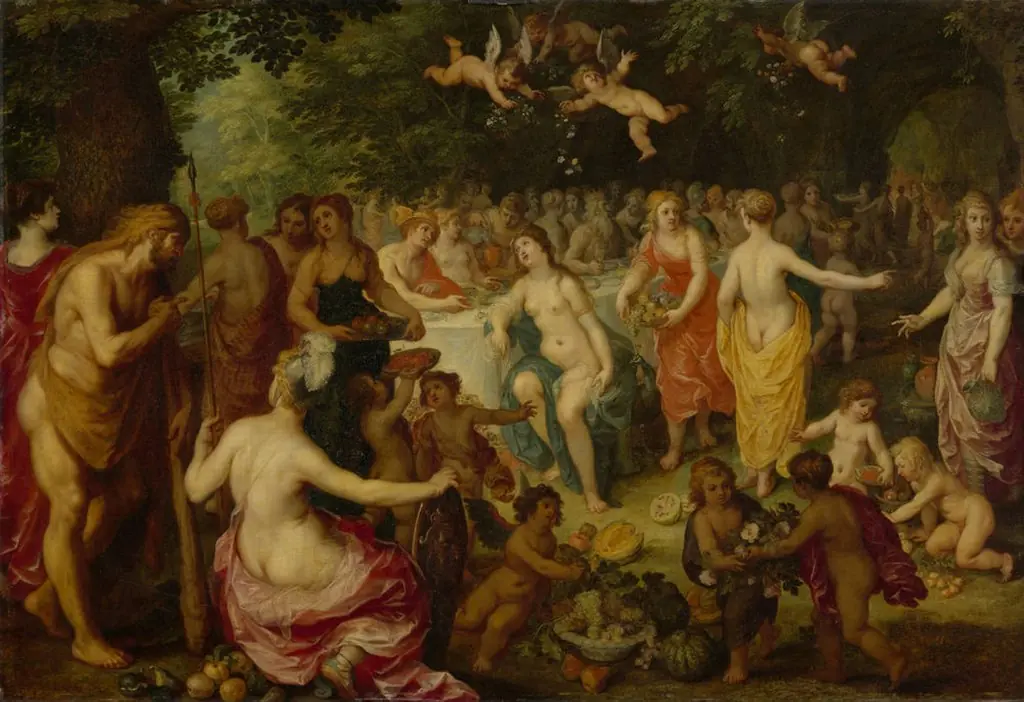 The Feast of the Gods
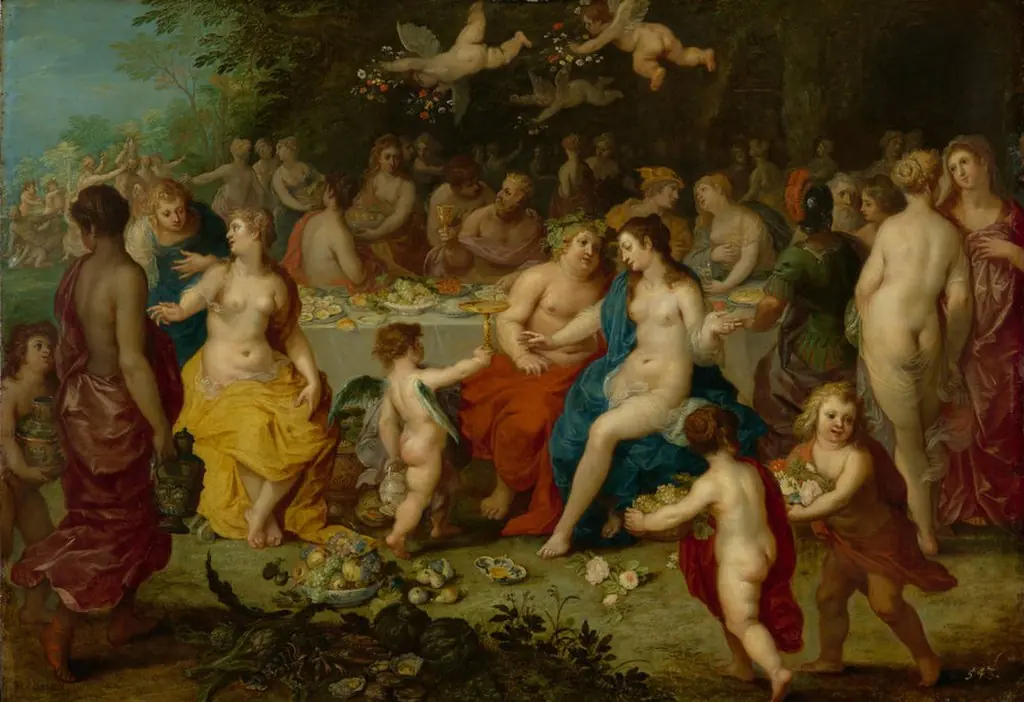 The wedding banquet of Bacchus and Ariadne
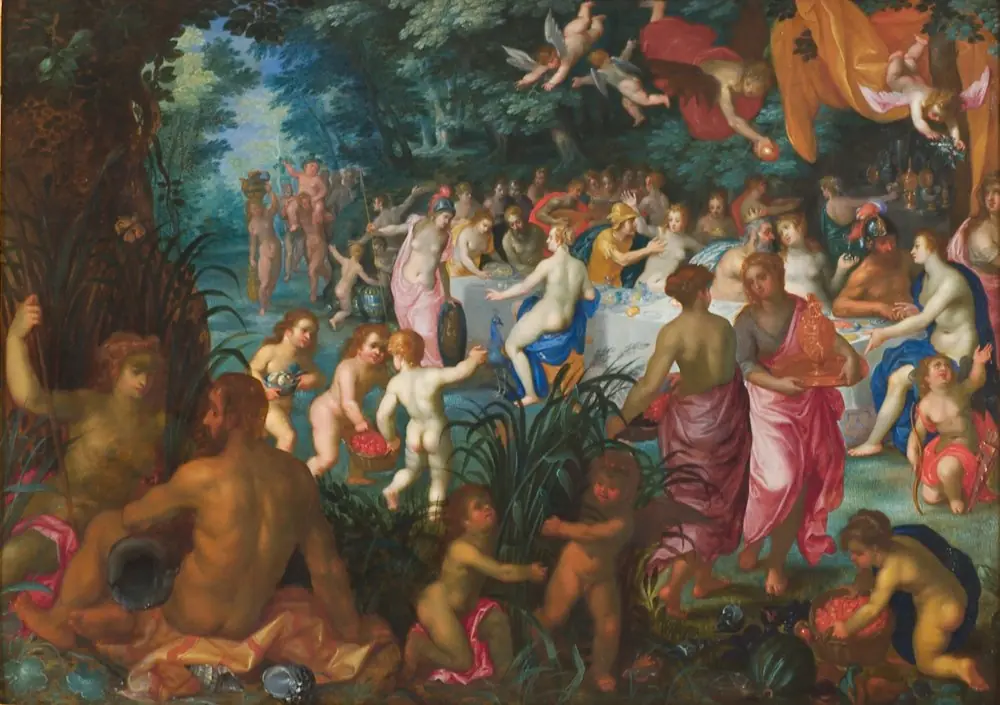 The Marriage of Peleus and Thetis
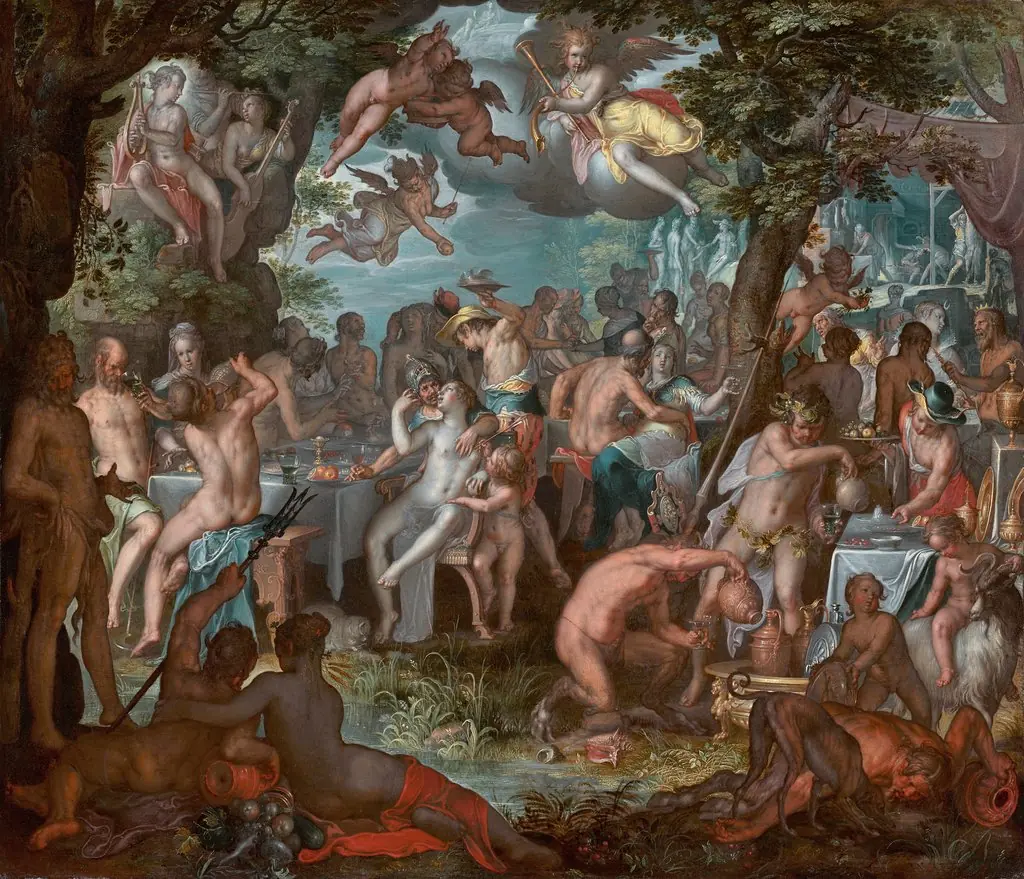 The Wedding of Peleus and Thetis