Artwork
The wedding of Thetis and Peleus
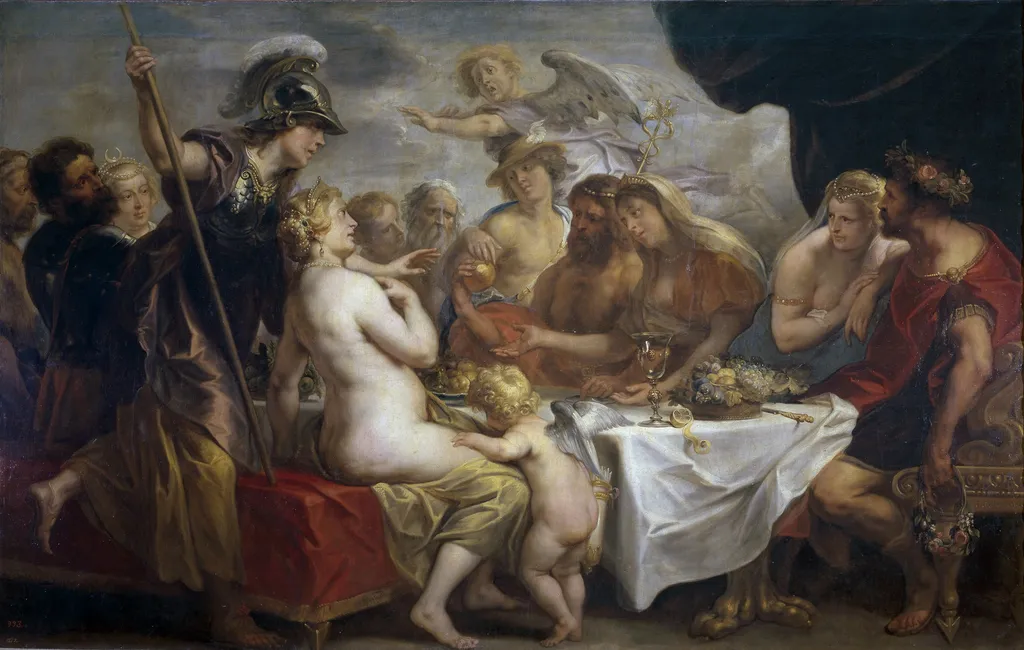
The wedding of Thetis and Peleus is an oil painting by the Flemish Baroque painting artist Peter Paul Rubens. It dates from 1633 and is held in the collection of the Museo del Prado.
About this work
Overview
Peter Paul Rubens painted *The Wedding of Thetis and Peleus* in 1633. Executed in oil on canvas, the work exemplifies the Flemish Baroque style with its energetic composition and saturated palette. It is part of the Museo del Prado’s collection.
Subject & Meaning
The scene illustrates the mythological marriage of the sea‑goddess Thetis and the mortal hero Peleus. Central figures—Thetis, shown nude and gilded, and Peleus, similarly attired—are surrounded by a festive entourage that includes a winged attendant, a helmeted man, and a cherubic figure, emphasizing the celebratory nature of the rite.
Technique & Style
Rubens employs vigorous brushwork and a rich chromatic scheme dominated by golds and reds. The figures are rendered with muscular vitality and dynamic poses, creating a sense of movement typical of Baroque drama. Light highlights the central couple, while the surrounding crowd is animated through gestures and expressions.
History & Provenance
Completed in the early 1630s, the painting entered the Spanish royal collection before being transferred to the Museo del Prado, where it remains on public display. Its provenance reflects the high regard for Rubens’ mythological subjects among European courts.
Context
Rubens frequently turned to classical mythology, a genre favored by patrons seeking allegorical content. The wedding of Thetis and Peleus, a precursor to the Trojan War, offered an opportunity to explore themes of union, divine intervention, and the interplay between mortal and immortal realms.
Own this work as a print
Artist & collection
Artist
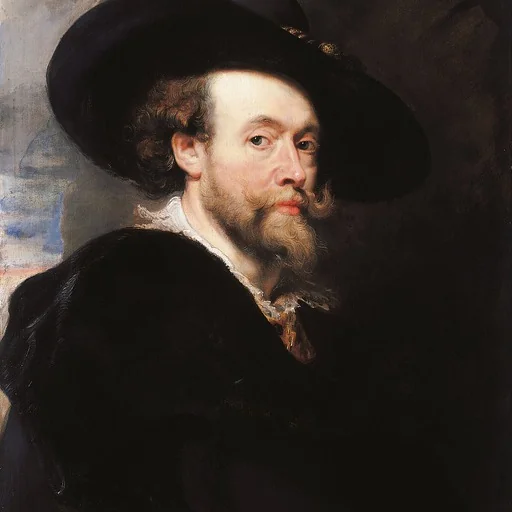
Sir Peter Paul Rubens ( ROO-bənz; Dutch: ; 28 June 1577 – 30 May 1640) was a Flemish artist and diplomat.

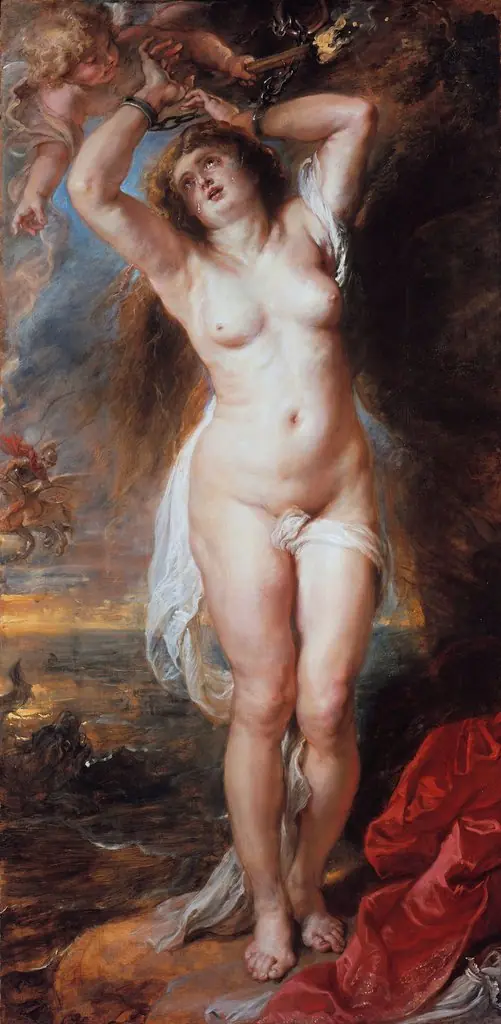
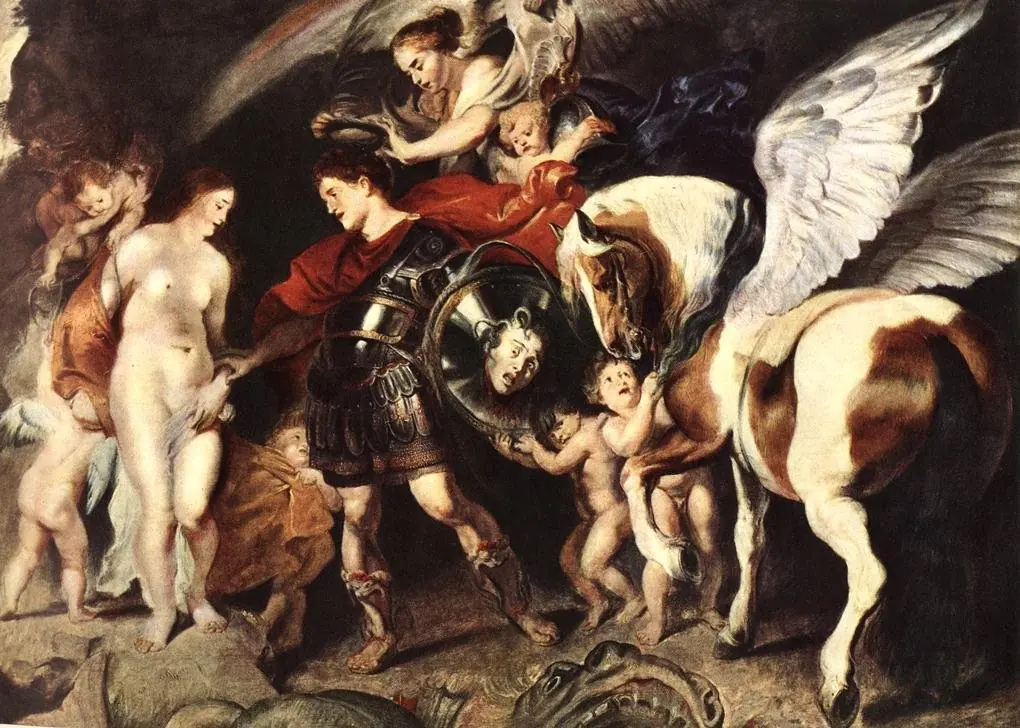
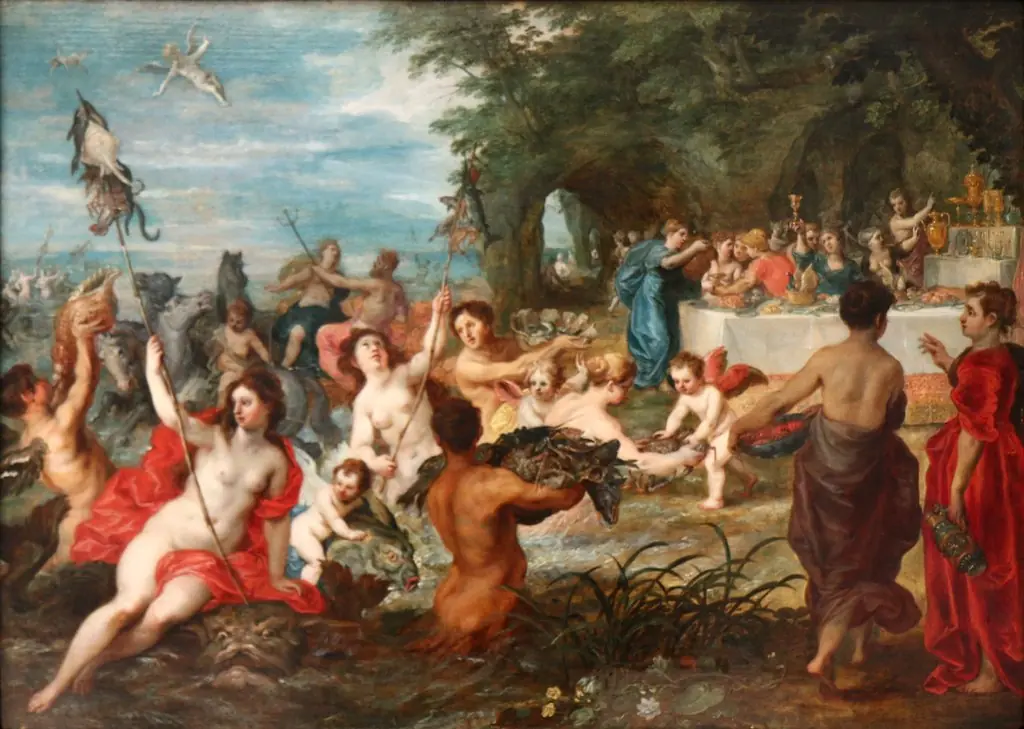 The wedding of Thetis and Peleus
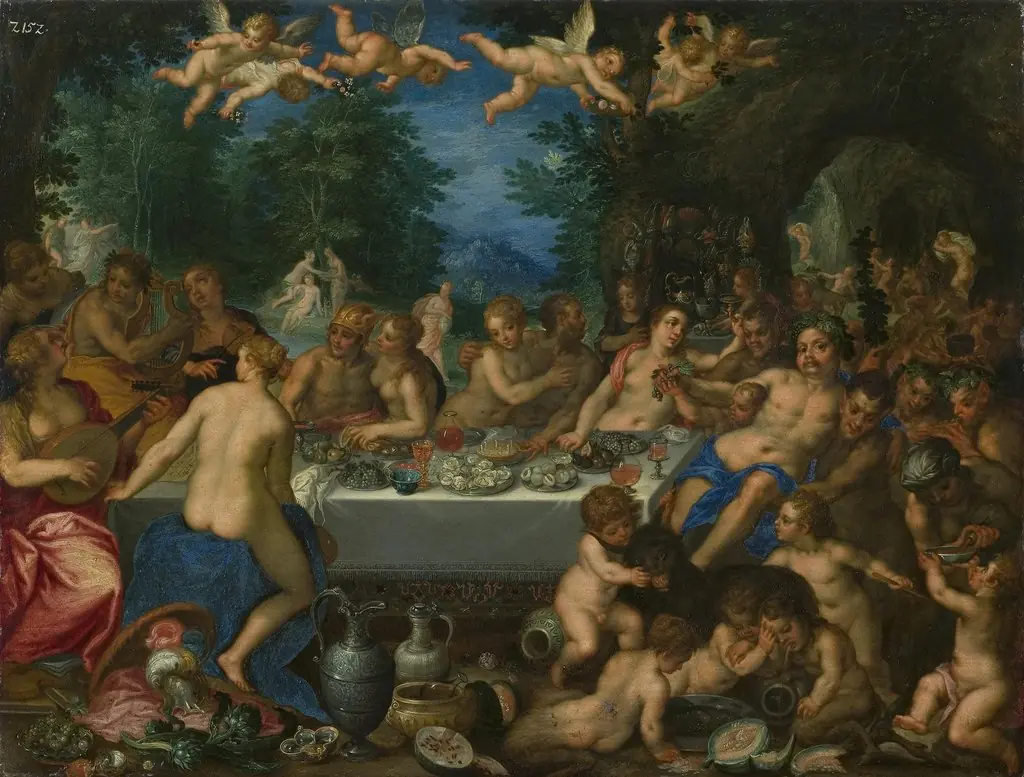 Feast of the Gods - The Marriage of Peleus and Thetis
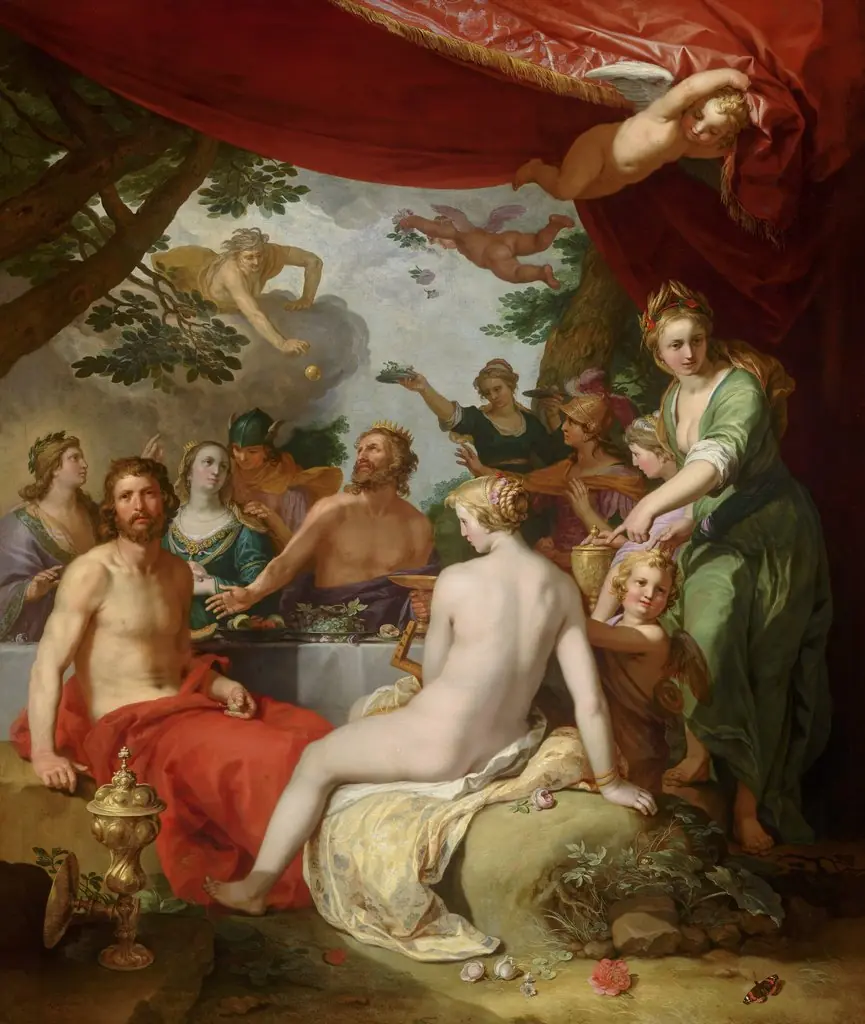 The feast of the gods at the wedding of Peleus and Thetis
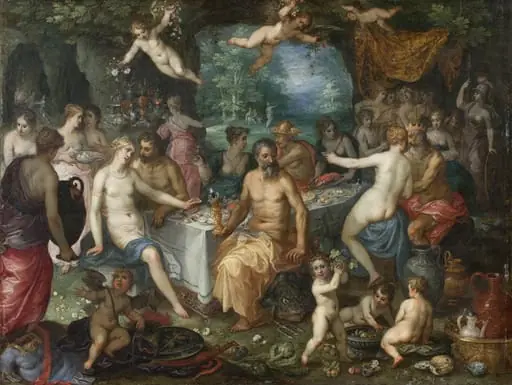 The Feast of the Gods. The Wedding of Peleus and Thetis
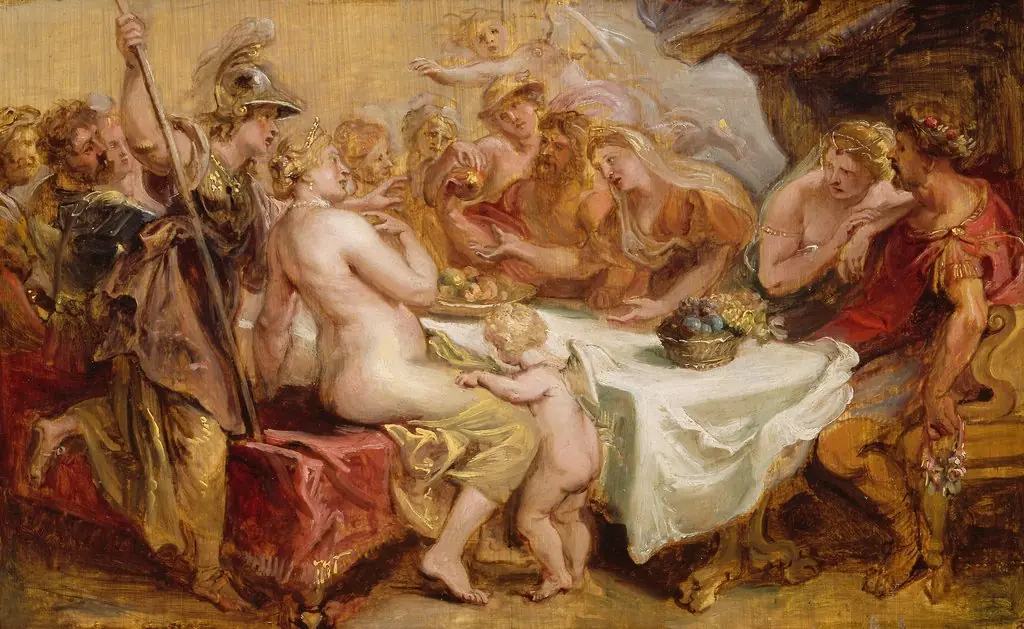 The Wedding of Peleus and Thetis
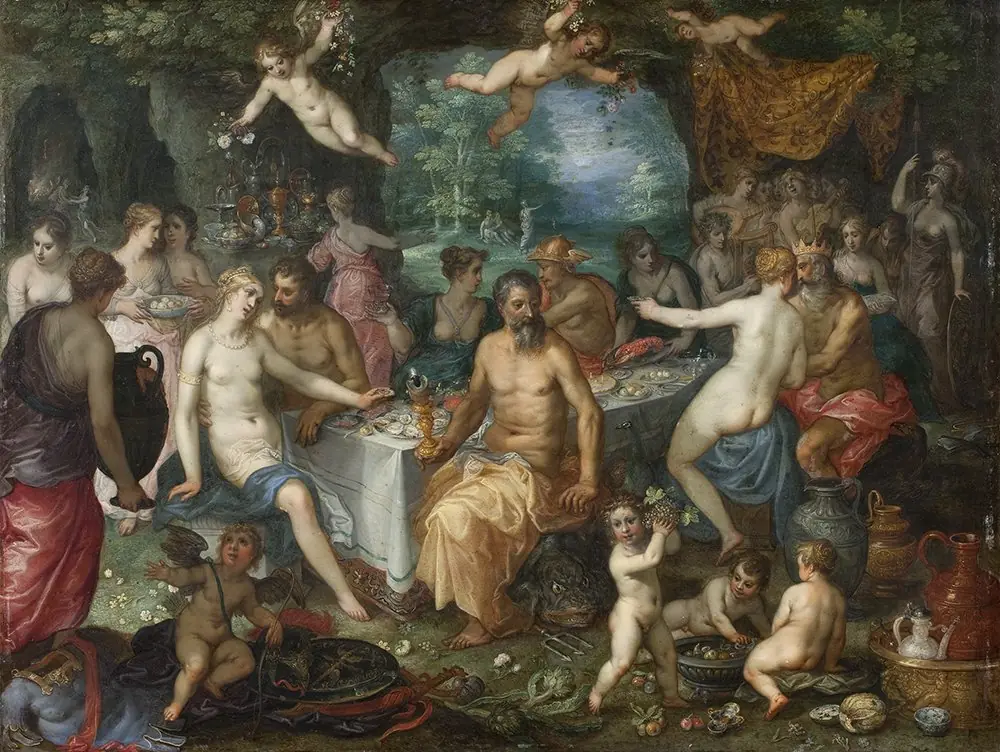 The Feast of the Gods. The Wedding of Peleus and Thetis
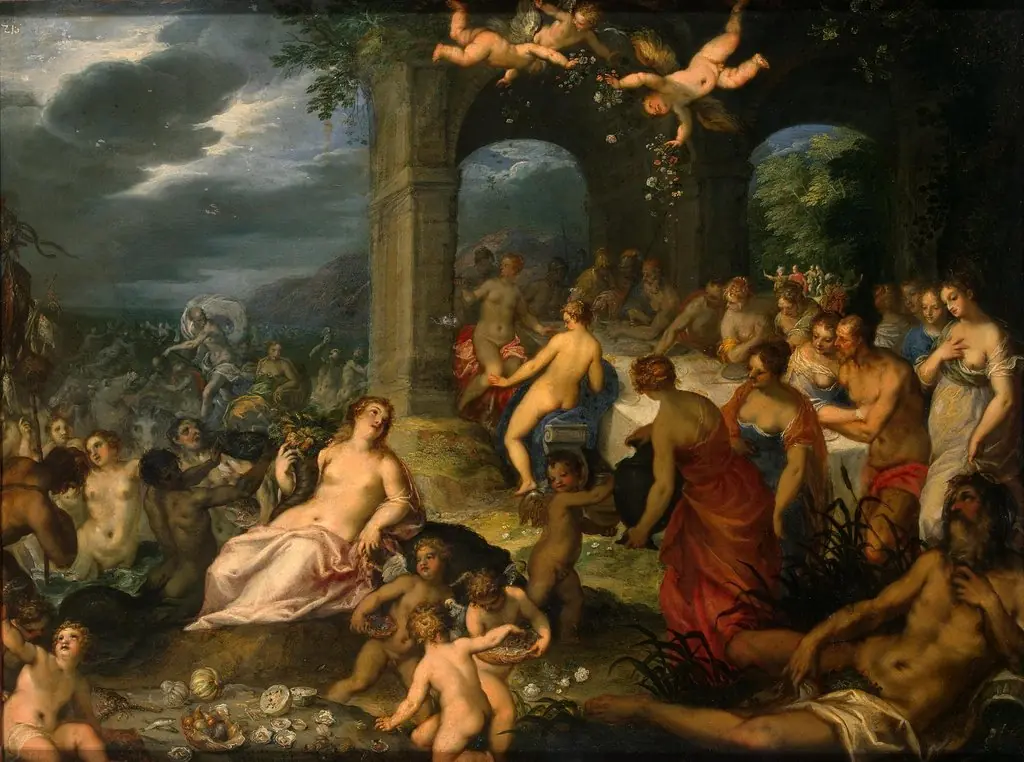 Feast of the Gods (The Marriage of Peleus and Thetis)
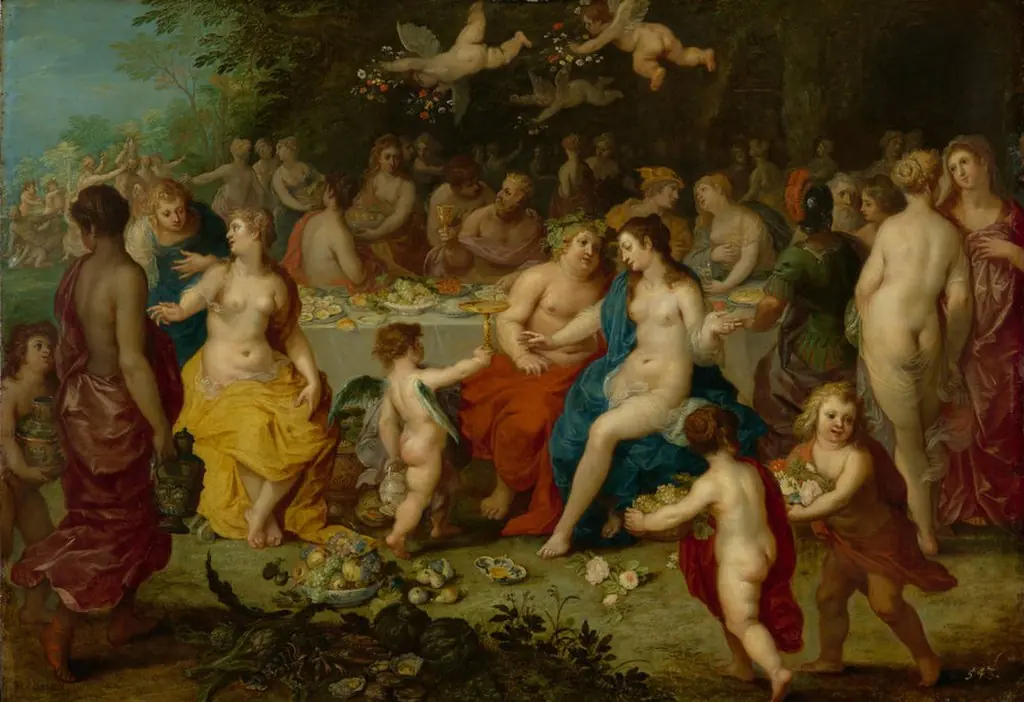 The wedding banquet of Bacchus and Ariadne
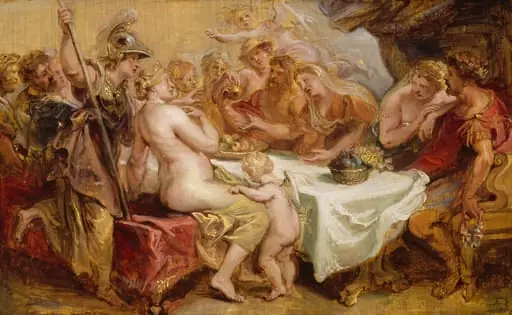 The Wedding of Peleus and Thetis
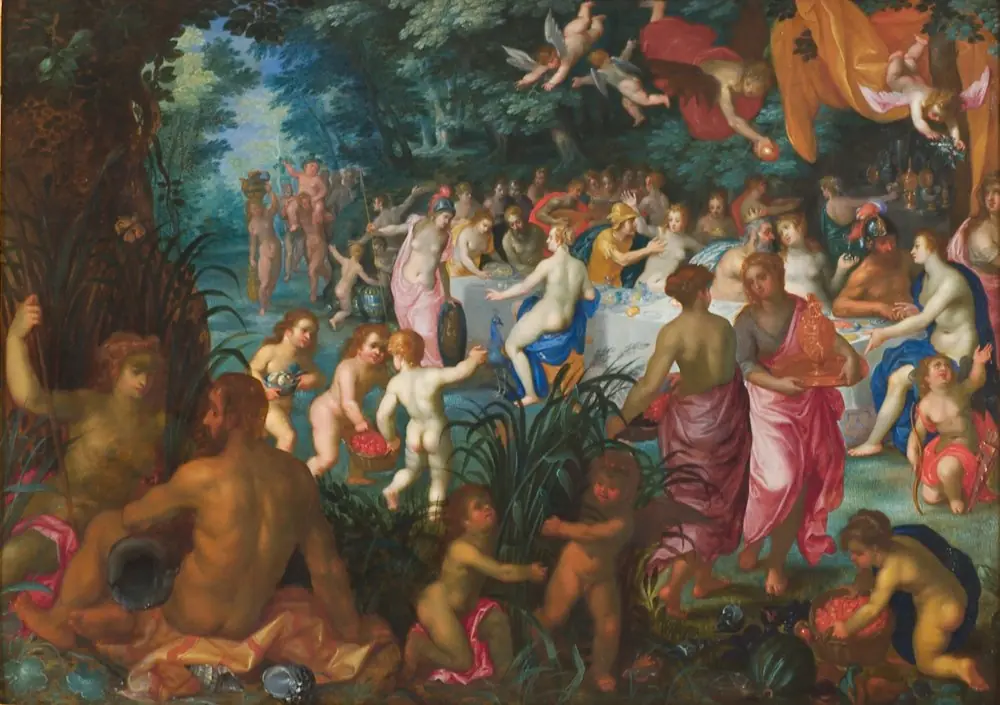 The Marriage of Peleus and Thetis