Artwork
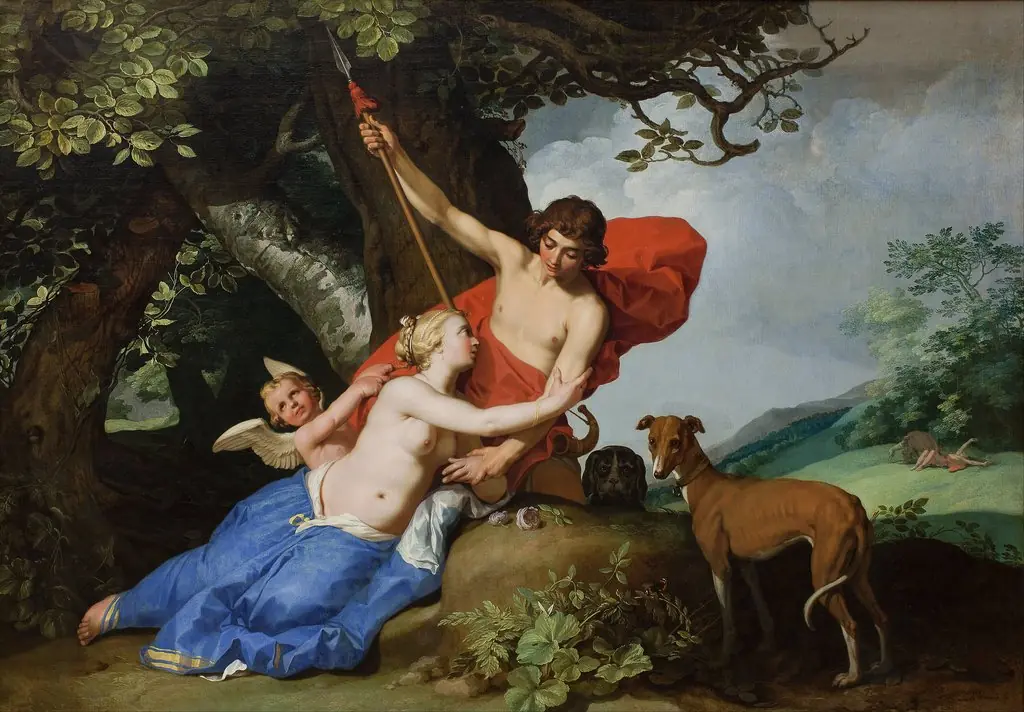
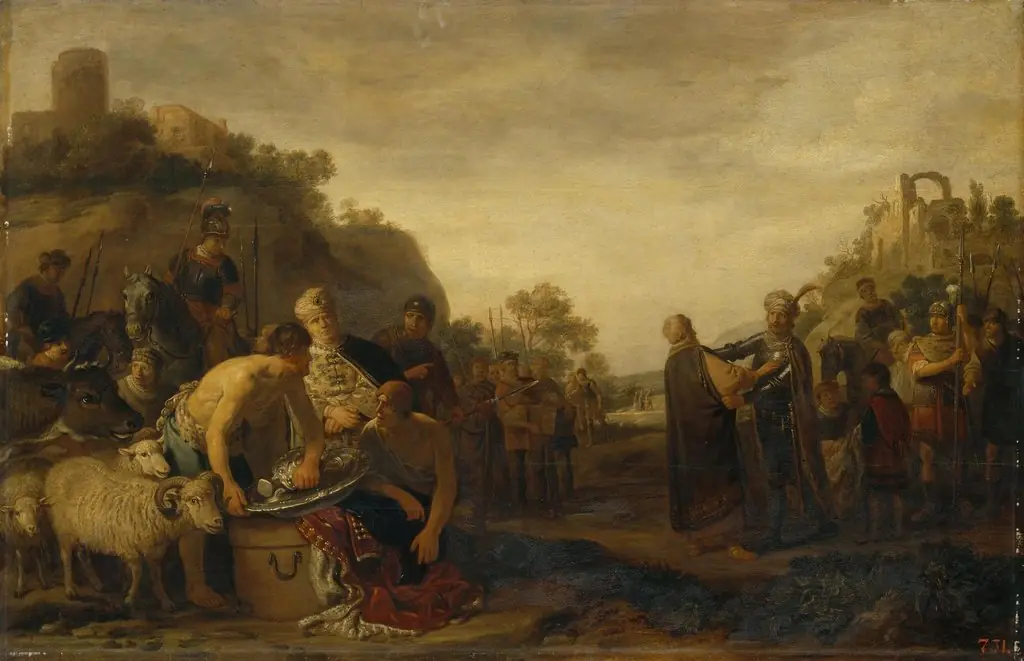
Theagenes receiving the palm of honour from Chariclea
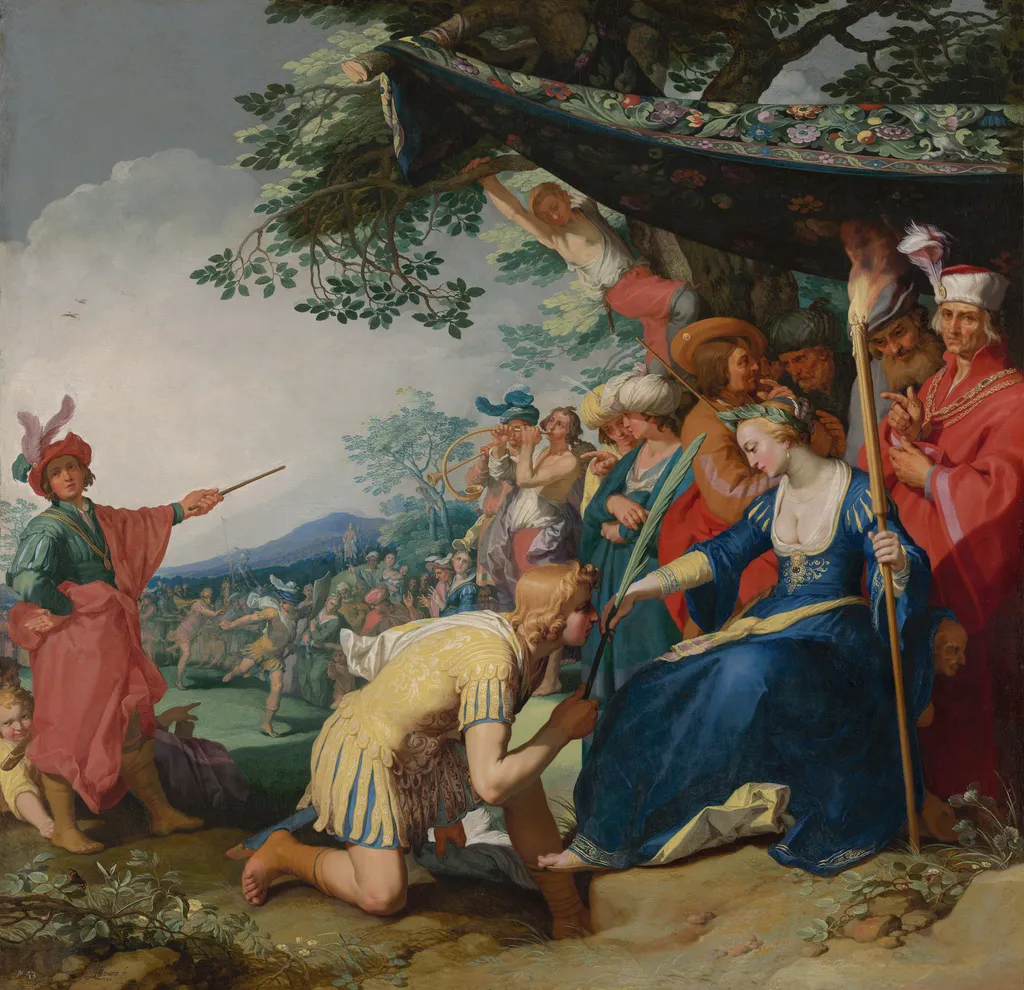
Theagenes receiving the palm of honour from Chariclea is an oil painting by the Early Baroque Italian artist Abraham Bloemaert. It dates from 1626 and is held in the collection of the Mauritshuis.
About this work
Overview
Abraham Bloemaert’s 1626 oil painting, *Theagenes receiving the palm of honour from Chariclea*, presents a classical episode in a lush, outdoor setting. A woman in a blue robe, holding a torch and a palm frond, presides over a kneeling male figure in a yellow tunic, while a crowd of onlookers and musicians fills the background, creating a festive atmosphere.
Subject & Meaning
The work illustrates a moment from ancient myth in which Chariclea, the heroine, bestows a palm of victory upon Theagenes, a celebrated athlete or warrior. The palm, a traditional symbol of triumph, and the torch, suggesting illumination or divine favor, together emphasize the themes of honor, reward, and public recognition within a communal celebration.
Technique & Style
Executed in oil on canvas, Bloemaert employs the early Baroque idiom, marked by dramatic lighting, strong colour contrasts, and a controlled composition.
Executed in oil on canvas, Bloemaert employs the early Baroque idiom, marked by dramatic lighting, strong colour contrasts, and a controlled composition. The vivid blues and yellows of the principal figures stand out against the earth‑toned landscape, while the detailed rendering of musical instruments and surrounding figures reflects his training in Haarlem Mannerism tempered by emerging Baroque dynamism.
History & Provenance
Bloemaert, a Dutch painter active between 1566 and 1651, created this piece during his transition from Mannerist influences to the Italian‑inspired Baroque style that dominated the early 17th century. Though specific ownership records are scarce, the painting is representative of his mature period, when he focused on historical subjects and taught a generation of Utrecht artists, including many Caravaggisti.
Context
The painting reflects the broader European fascination with classical antiquity and the moralizing potential of mythological narratives. In the Dutch Republic, such subjects served both as decorative commissions for private patrons and as didactic illustrations of virtue, aligning with the period’s intellectual interest in ancient exempla of civic honor.
Own this work as a print
Artist & collection

Artist
Abraham Bloemaert (25 December 1566 – 27 January 1651) was a Dutch painter and printmaker who used etching and engraving.

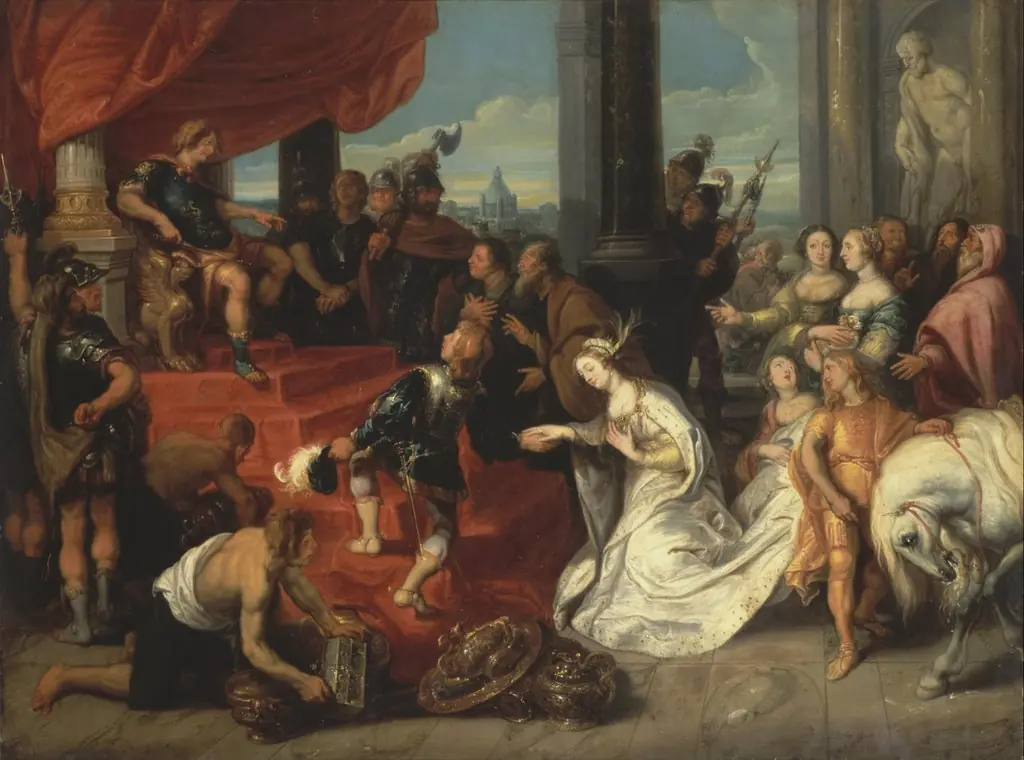 The Magnanimity of Scipio Africanus
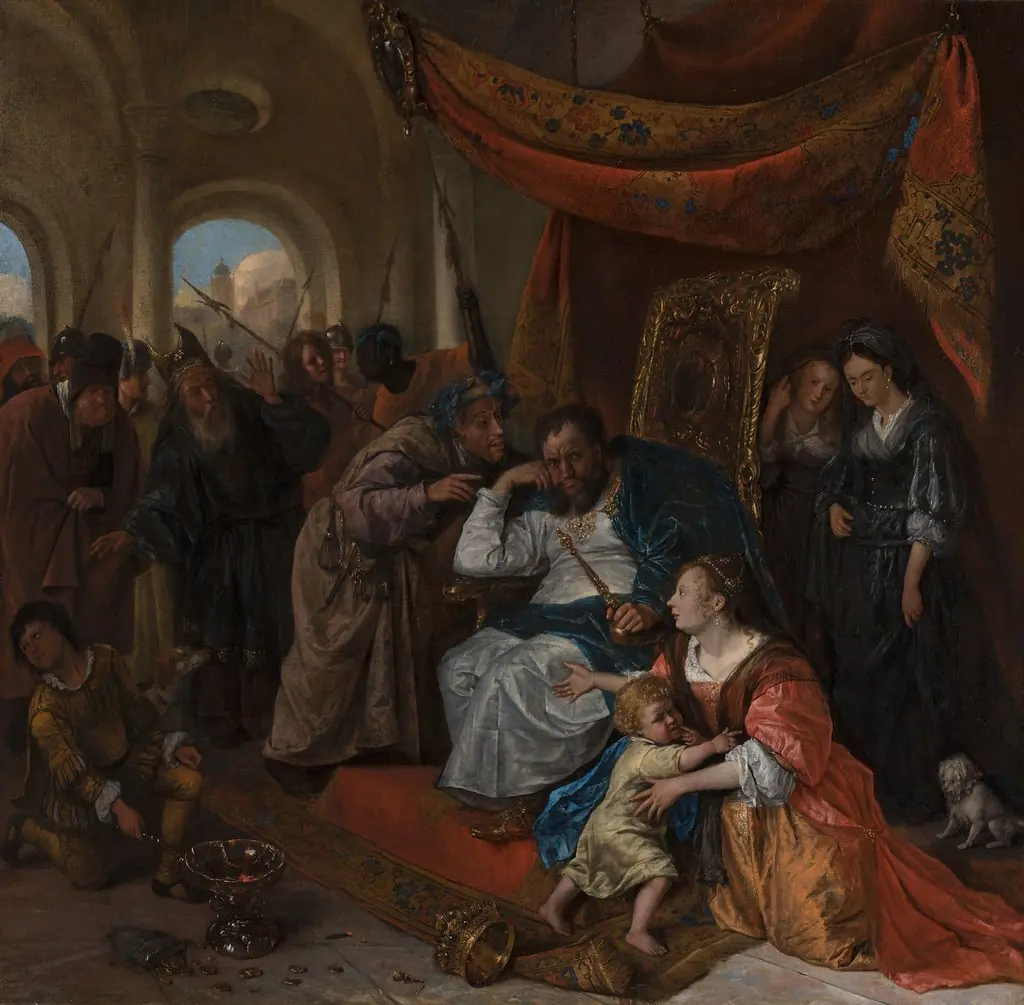 Moses and Pharaoh’s Crown
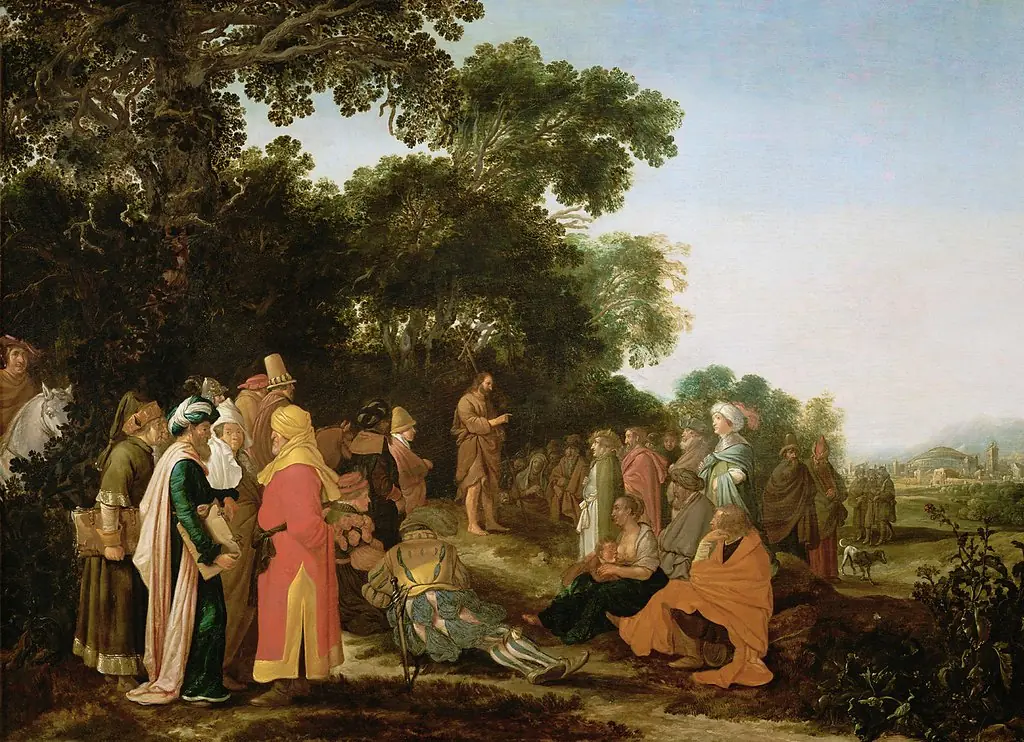 Predigt Johannes des Täufers
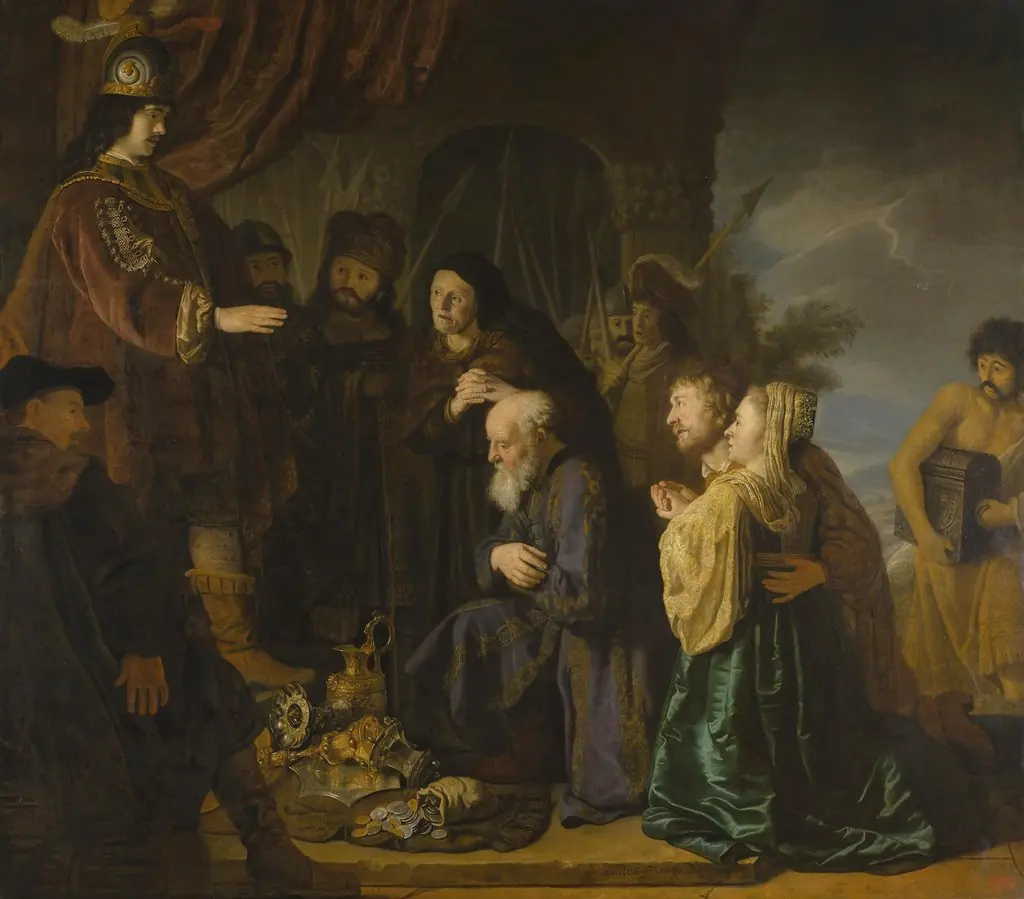 The Magnanimity of Scipio Africanus
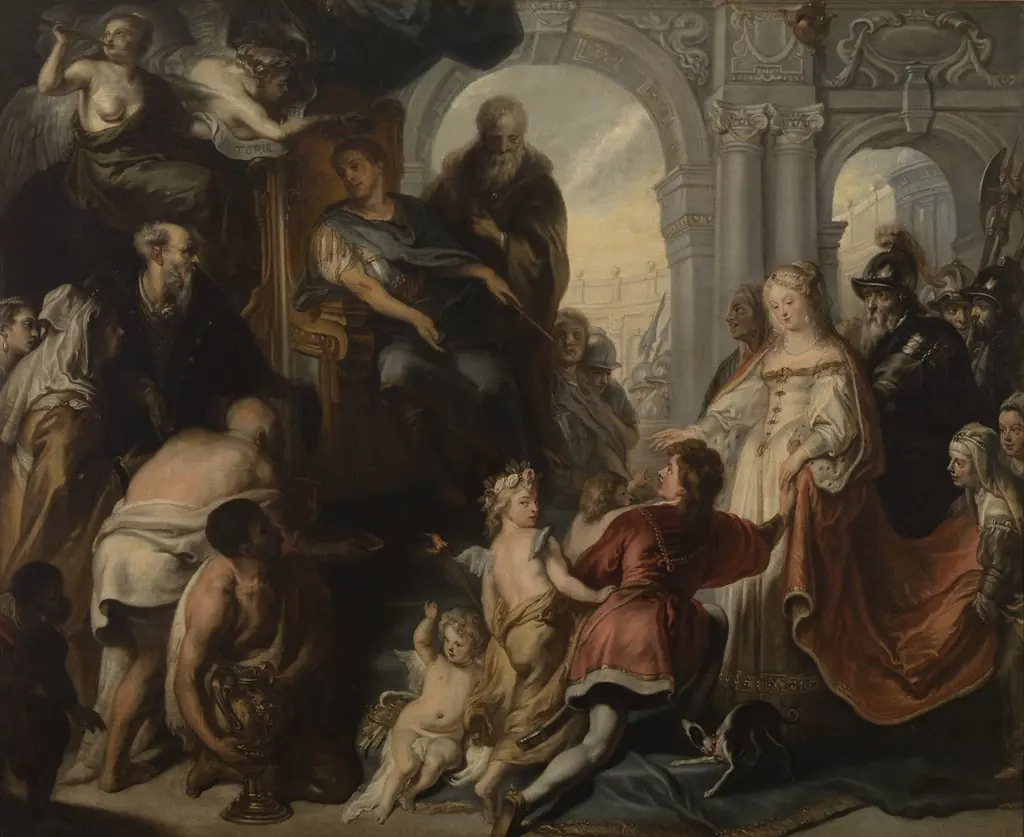 The Continence of Scipio Africanus
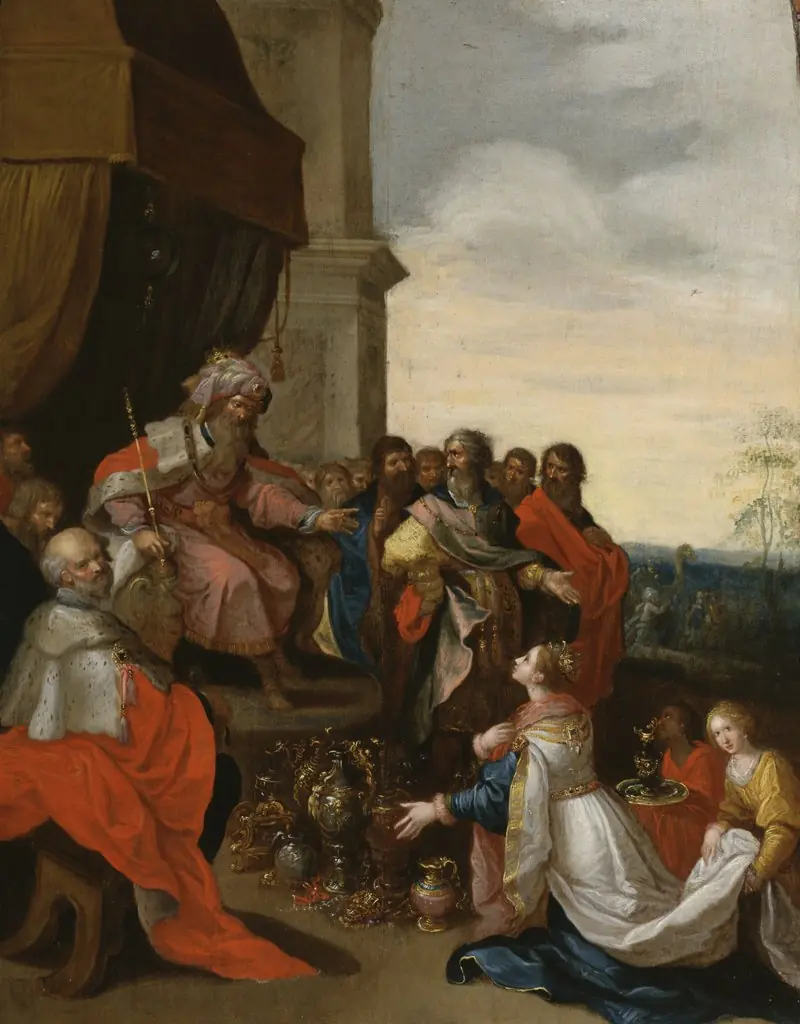 King Solomon Receiving the Queen of Sheba
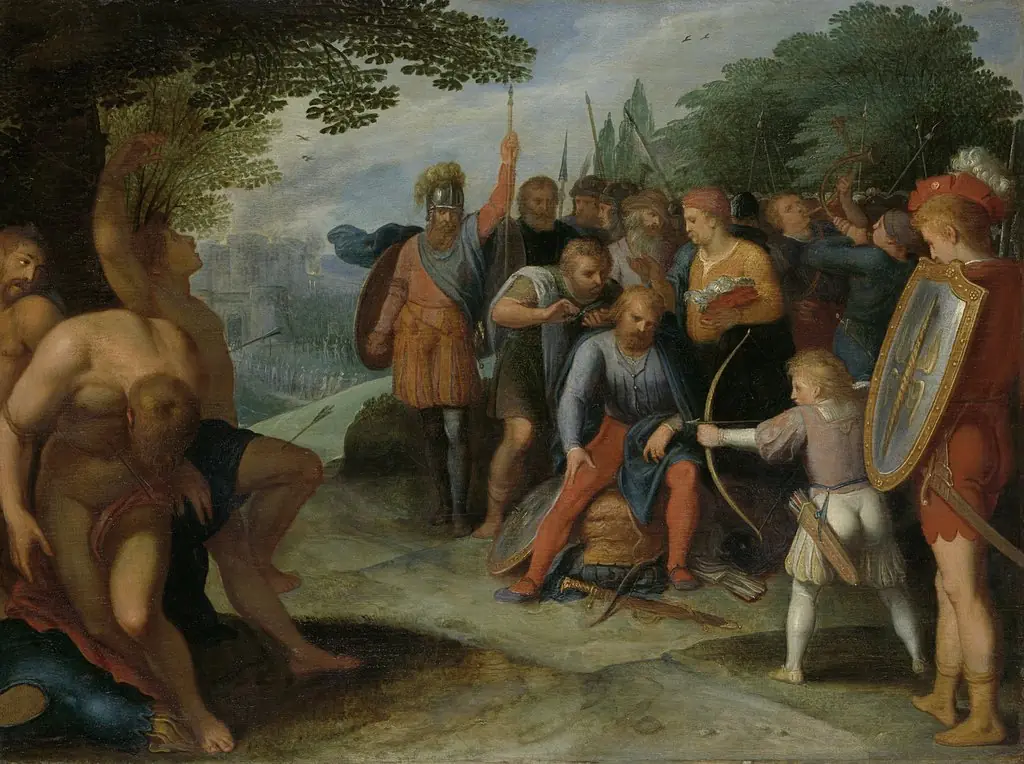 After the Fall of Vetera Castra Claudius Civilis has his hair cut while his son shoots some prisoners
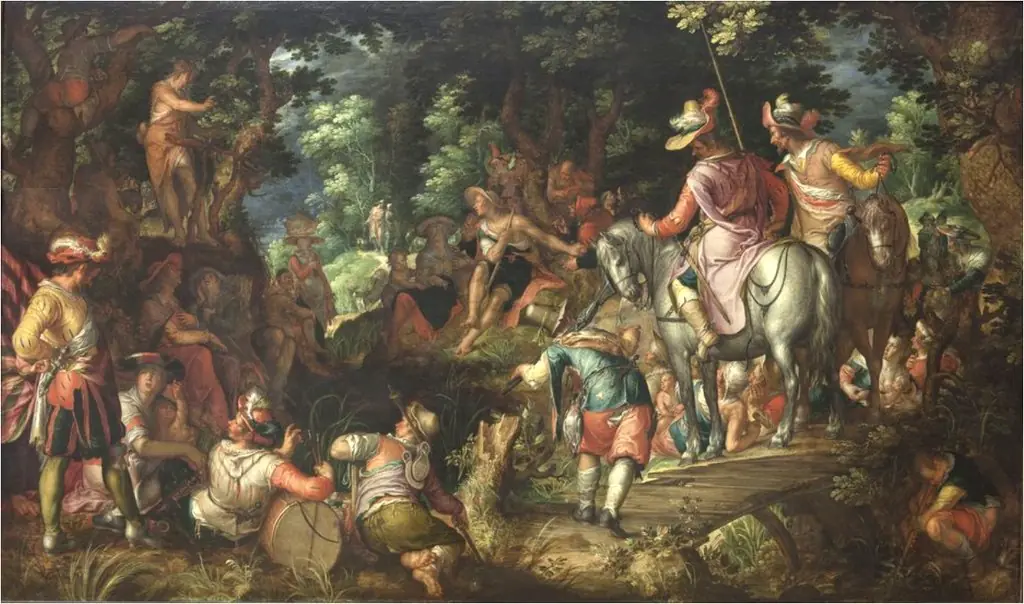 John the Baptist Preaching in the Forest
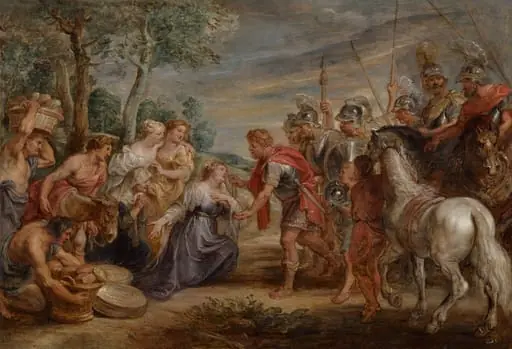 The Meeting of David and Abigail
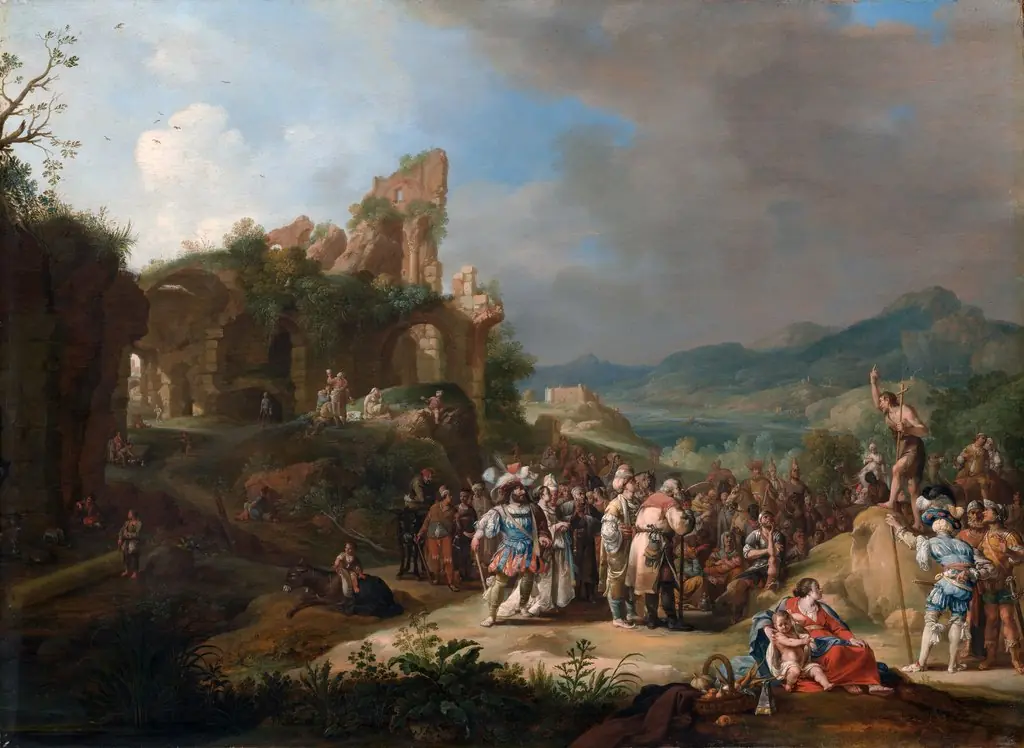 The Preaching of John the Baptist
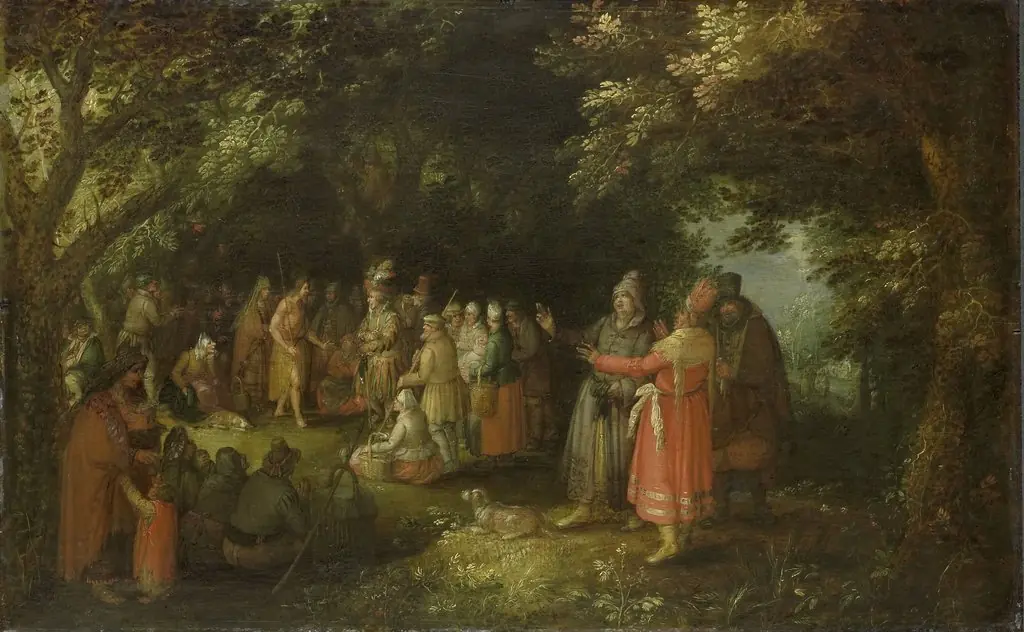 The preaching of St John the Baptist
 Samuel and Saul