Artwork
The Magnanimity of Scipio Africanus
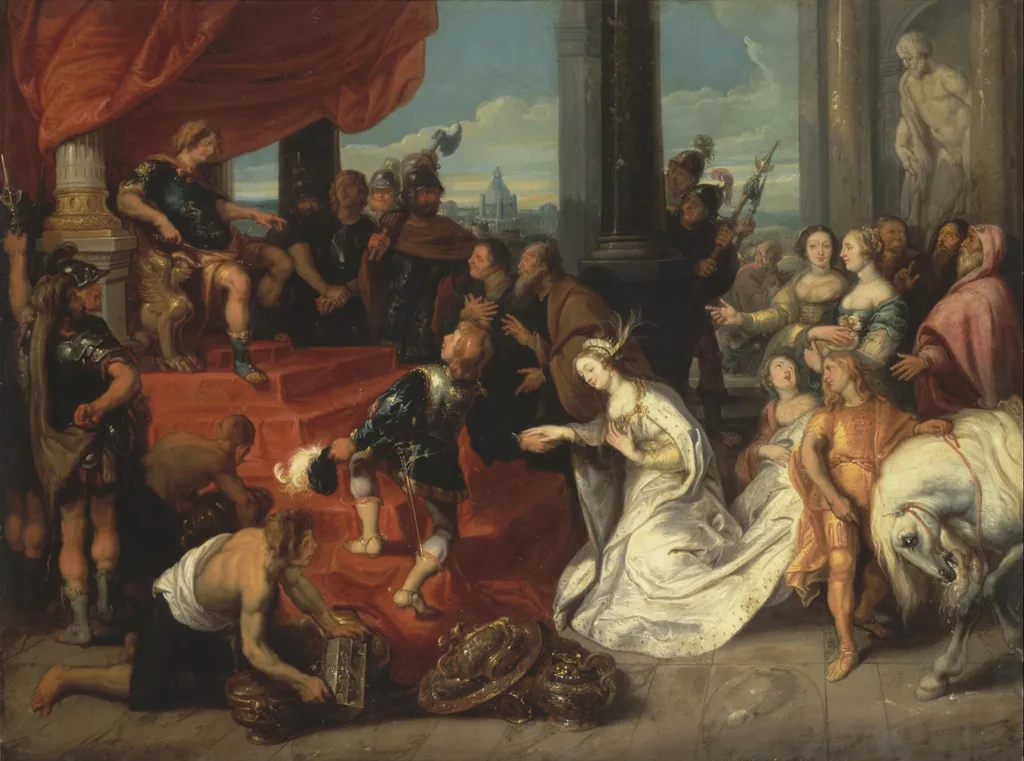
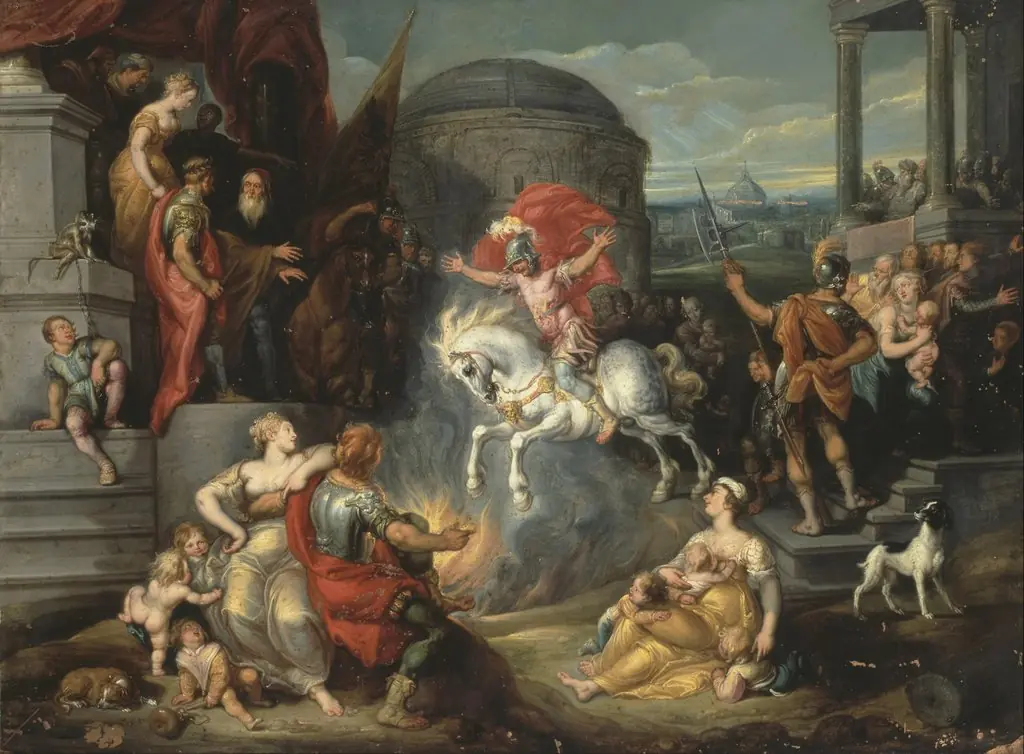
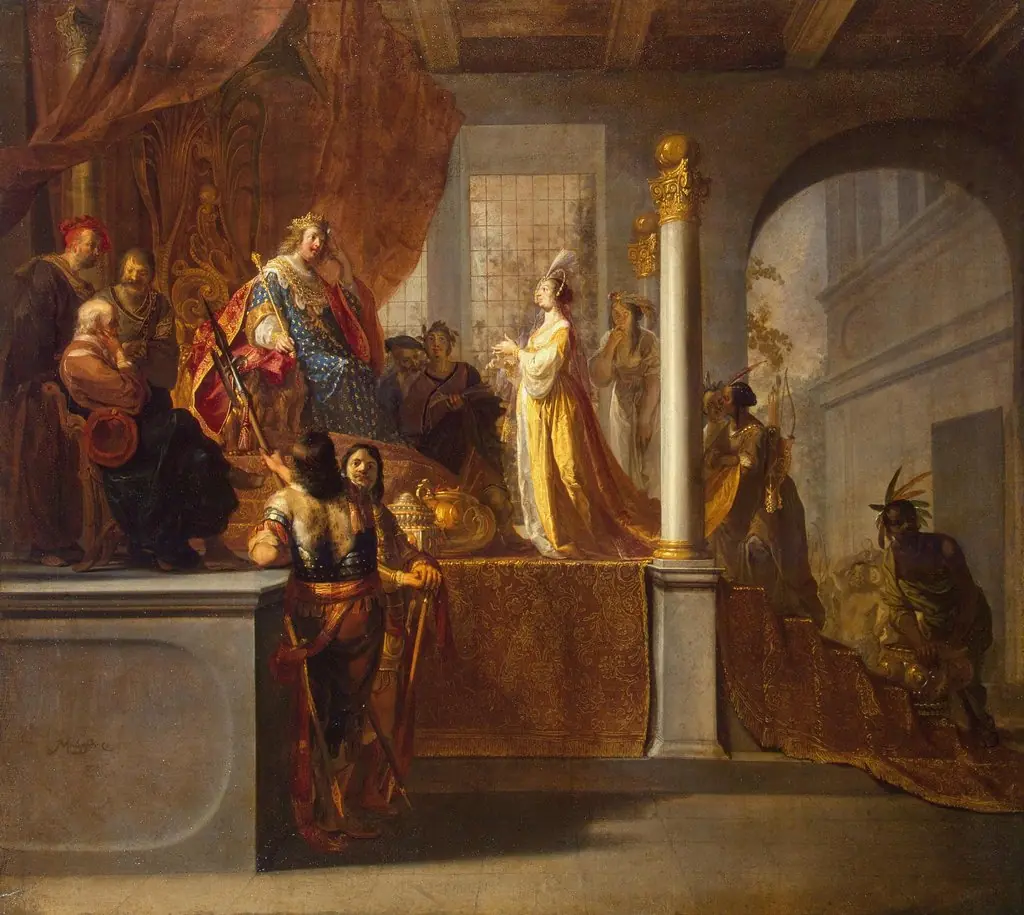
The Magnanimity of Scipio Africanus is an oil painting by the Flemish Baroque painting artist Simon de Vos. It dates from 1641 and is held in the collection of the Hermitage Museum.
About this work
Overview
Painted in 1641 by Flemish artist Simon de Vos, this work depicts a moment of moral restraint during wartime.
Painted in 1641 by Flemish artist Simon de Vos, this work depicts a moment of moral restraint during wartime. Executed on copper, a durable support favored for its smooth surface and fine detail, the painting reflects de Vos’s transition from genre scenes to historical subjects. It is part of the Flemish Baroque tradition and resides in the State Hermitage Museum’s collection, where it stands as a rare example of his mature historical style.
Subject & Meaning
The scene illustrates Scipio Africanus’s act of mercy after defeating Carthage. A captured noblewoman kneels before him, pleading for the return of her betrothed’s armor, while the Roman general, clad in gleaming armor, gestures toward the fallen helmet. The moment underscores classical ideals of clemency over vengeance, aligning with Renaissance and Baroque interests in virtuous leadership. The presence of a boy holding the broken helmet and a white horse suggests both the cost of war and the dignity of its resolution.
Technique & Style
De Vos employed chiaroscuro to heighten emotional contrast, isolating key figures in sharp light against a dim, architectural interior. The copper support allowed for crisp rendering of textures—velvet, metal, and skin—while the composition’s diagonal energy and rich fabrics reflect Baroque dynamism. Figures are arranged in a crowded yet orderly manner, balancing narrative clarity with theatrical intensity, a hallmark of his post-Caravaggesque evolution under Rubensian influence.
History & Provenance
Commissioned during de Vos’s shift toward history painting, the work entered the Hermitage collection in the 18th or early 19th century, likely through imperial acquisitions of European art. Its survival in good condition reflects careful stewardship. While less known than his contemporaries, de Vos’s smaller-scale history paintings like this one were valued for their narrative precision and technical refinement in the Baroque era.
Context
In 17th-century Flanders, scenes from Roman history were popular for their moral and political resonance, especially under Spanish Habsburg rule. Depictions of Scipio’s restraint served as allegories for just governance and civilized conduct in war. De Vos’s choice of subject aligned with humanist ideals circulating among aristocratic patrons, who sought art that elevated virtue over brute triumph.
Legacy
Though overshadowed by larger-scale works of Rubens and van Dyck, this painting exemplifies the quiet power of intimate historical narratives in Flemish Baroque art. Its preservation in the Hermitage ensures continued study of how smaller copper panels conveyed complex moral themes. De Vos’s synthesis of Caravaggesque lighting and classical subject matter influenced later generations of Flemish painters seeking narrative depth without grandeur.
Own this work as a print
Artist & collection
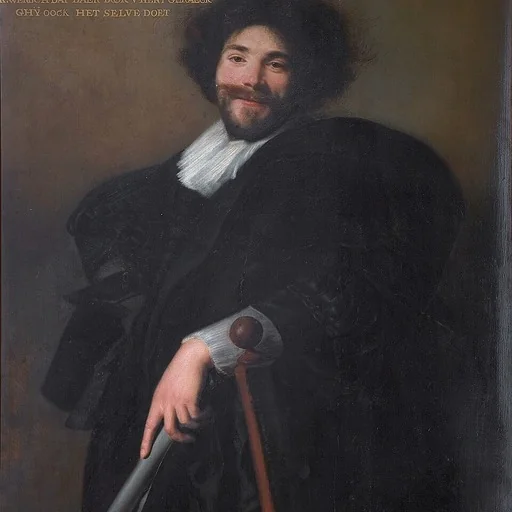
Artist
Simon de Vos (20 October 1603 – 15 October 1676) was a Flemish painter, draughtsman and art collector.