Artwork
St Louis IX, King of France
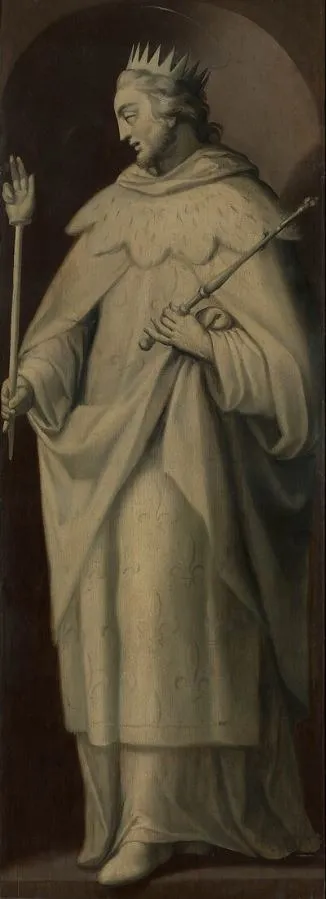
St Louis IX, King of France is an oil painting by the Flemish Baroque painting artist Abraham de Rijcke. It dates from 1592 and is held in the collection of the Onze-Lieve-Vrouwekathedraal.
About this work
Overview
Executed in the late Renaissance style with emerging Baroque tendencies, the work is part of the Royal Museum of Fine Arts Antwerp’s collection.
Painted in 1592 by Abraham de Rijcke, a Flemish artist active in Antwerp, this oil portrait portrays Louis IX of France as a saintly monarch. Executed in the late Renaissance style with emerging Baroque tendencies, the work is part of the Royal Museum of Fine Arts Antwerp’s collection. It reflects the period’s interest in combining religious reverence with royal iconography through controlled composition and muted tones.
Subject & Meaning
Louis IX, canonized in 1297, is depicted not as a historical ruler but as a holy figure. The halo, scepter topped with a cross, and regal crown emphasize his dual identity as king and saint. His solemn expression and static posture convey moral authority rather than earthly power. The plain, dark background isolates him, reinforcing his spiritual significance above temporal concerns.
Technique & Style
De Rijcke employs precise linear detailing to render the folds of the robe, suggesting volume without heavy modeling. The crown and cross are rendered with sharp, clean edges, contrasting with the softer transitions in the face and hands. Subtle chiaroscuro defines the form, particularly along the robe’s contours, while the dark background enhances the figure’s presence through deliberate contrast rather than atmospheric depth.
History & Provenance
Created in Antwerp during a time of religious and political upheaval, the painting likely served devotional or civic purposes, aligning with Counter-Reformation ideals. It entered the Royal Museum of Fine Arts Antwerp’s collection in the 19th century, following the consolidation of religious artworks after the dissolution of monastic holdings. Its attribution to de Rijcke is supported by stylistic parallels with his other known works.
Context
In late 16th-century Flanders, depictions of canonized monarchs were common in Catholic regions as symbols of piety and legitimacy. Artists like de Rijcke blended traditional hagiographic elements with emerging naturalism. This portrait reflects a broader trend of using royal imagery to reinforce religious identity amid Protestant challenges and the consolidation of Catholic authority in the Southern Netherlands.
Legacy
Though not widely reproduced, the painting remains a representative example of Flemish devotional portraiture from the turn of the 17th century. It illustrates how religious and royal authority were visually fused in the post-Reformation era. Its preservation in Antwerp underscores the city’s role as a center for religious art production and institutional collection during the early modern period.
Artist & collection
Artist
Abraham de Rijcke (Antwerp, baptized on 5 July 1566 – 1599) was a Flemish Renaissance painter known for his history paintings and portraits.

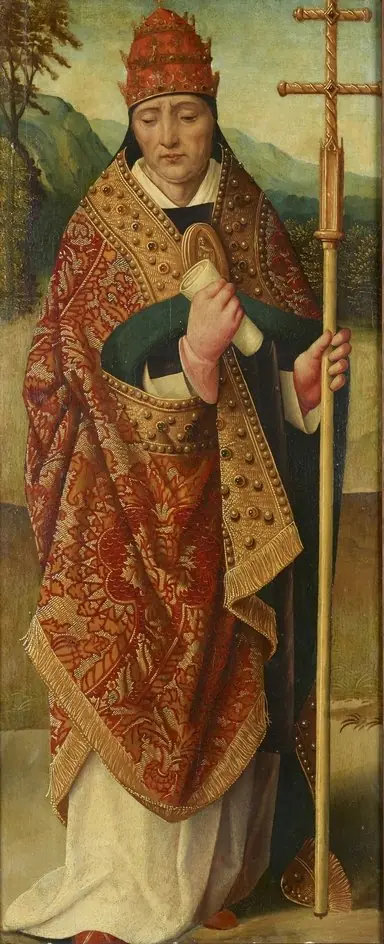 A papal Saint
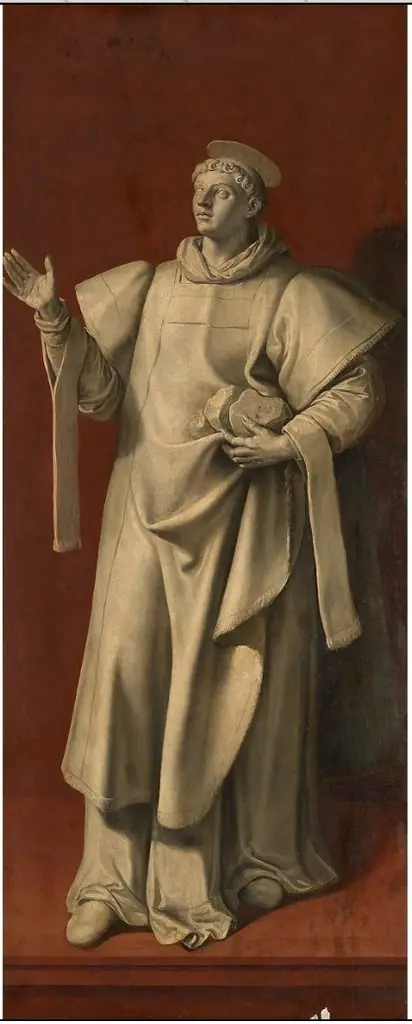 Saint Stephen
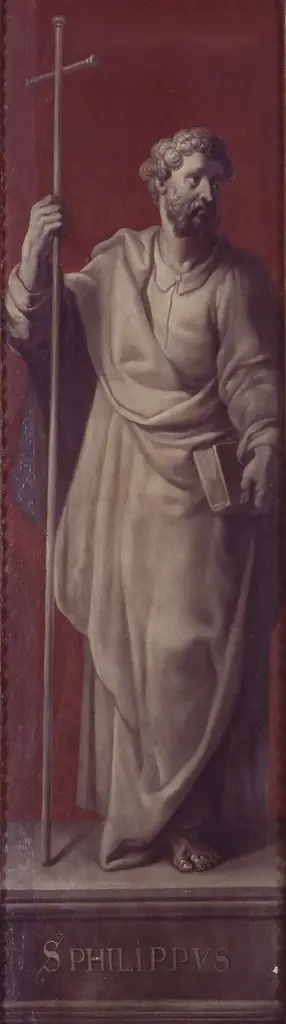 Saint Philip Benitius
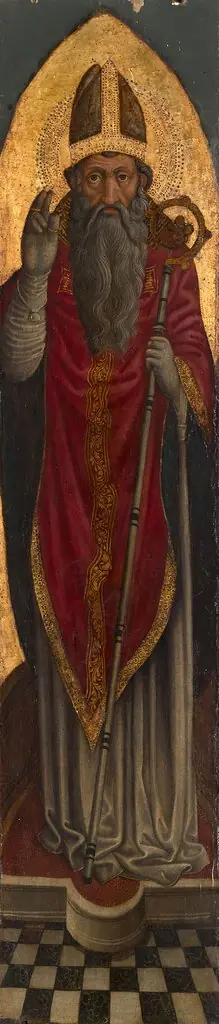 Bishop Saint from an Augustinian altarpiece
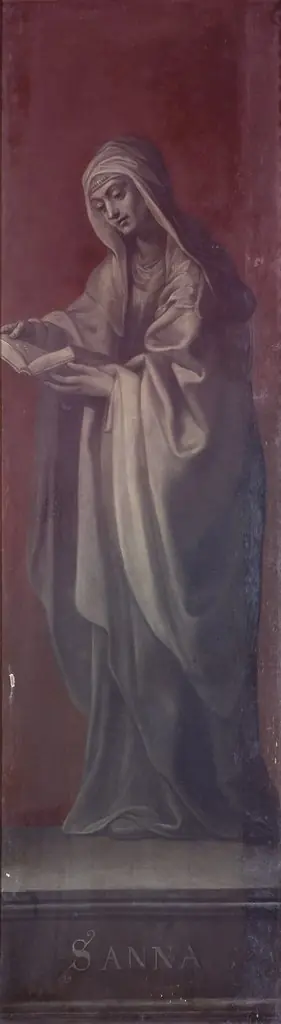 Saint Ann
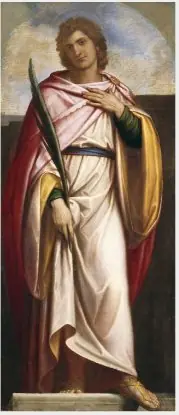 Saint John the Evangelist
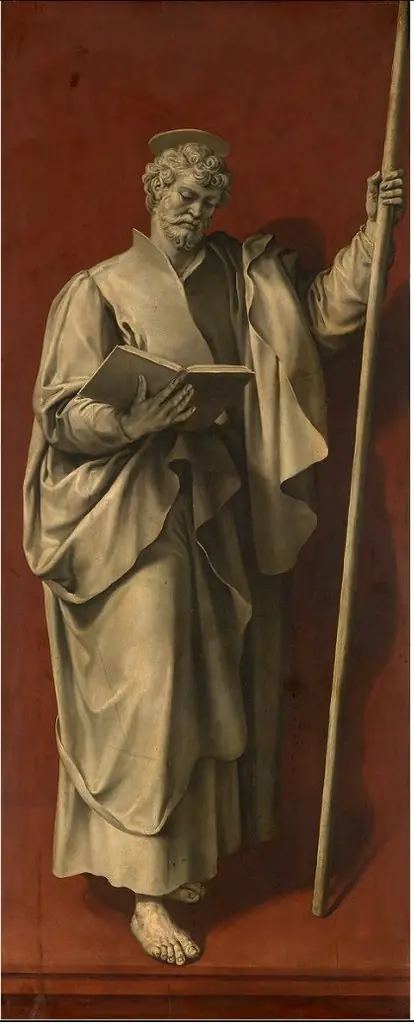 Saint Thomas the Apostle
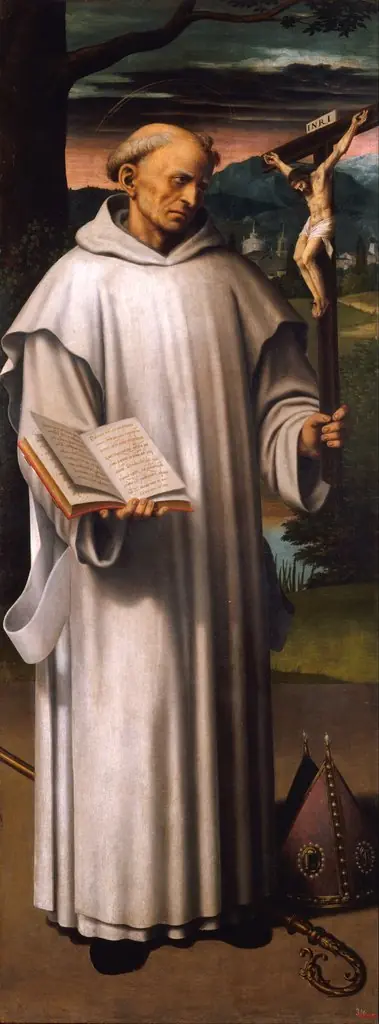 Saint Bruno
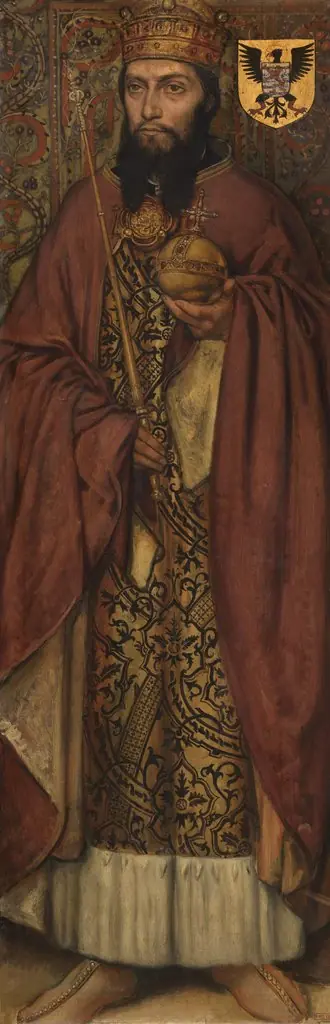 Henry I, Duke of Brabant, 1220
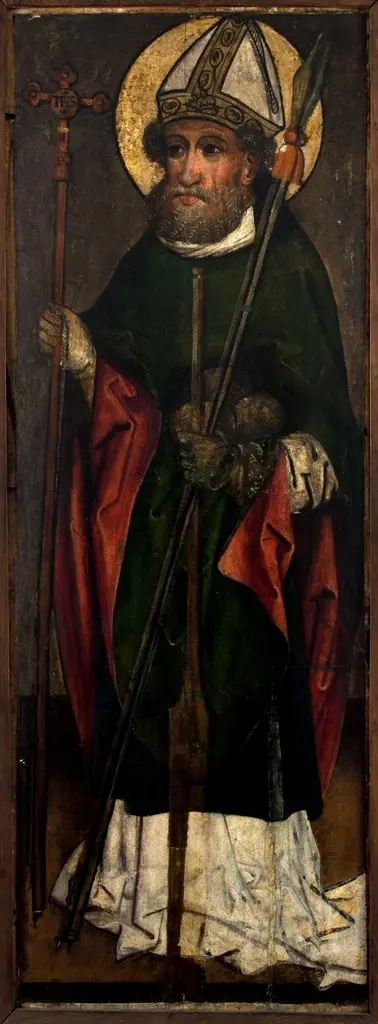 St Adalbert (obverse); Mary from the scene of the Annunciation (reverse). Wing of the altar retable from Snoza
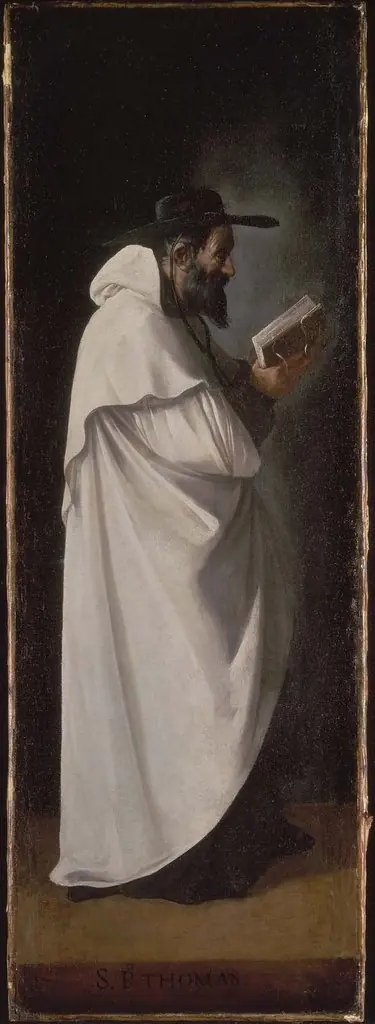 Saint Peter Thomas
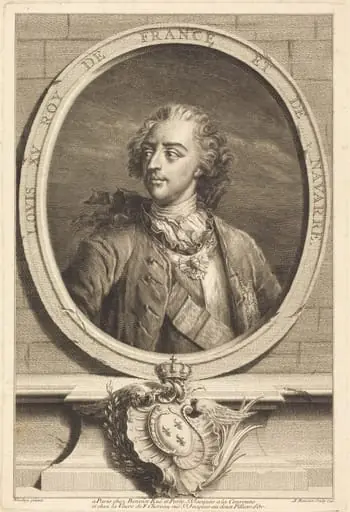 Louis XV, King of France