Museum
Onze-Lieve-Vrouwekathedraal

Image: Wikimedia Commons.
Onze-Lieve-Vrouwekathedraal is a museum in Antwerp, Belgium. 1 work from its collection is in this catalog, including Peter Paul Rubens and Maerten de Vos.
About Onze-Lieve-Vrouwekathedraal
Overview & Identity
The Cathedral of Our Lady (Onze-Lieve-Vrouwekathedraal) in Antwerp, Belgium, is the largest Gothic church in the country and a designated World Heritage site. It serves as the seat of the Diocese of Antwerp, functioning as both an active place of worship and a major museum of art. The cathedral is globally distinguished for housing three masterpieces by Peter Paul Rubens that remain in their original locations, a unique feature in the art world. Its identity is defined by its dual role as a 'House of God' and a monumental testament to the city's historical and cultural heritage.
History & Founding
Construction of the current cathedral began in 1352, intended to replace an older parish church and become the largest Gothic church in Belgium. The project spanned nearly 170 years, with the church consecrated in 1521. The building survived a major fire in 1533 and significant damage during the Protestant administration of 1581, which saw the destruction or removal of many artistic treasures. In 1914, the cathedral was looted and vandalized by German soldiers. A complete restoration of the building took place between 1965 and 1993, preserving its structural integrity and historical significance.
Building & Architecture
The cathedral is a masterpiece of Gothic architecture, characterized by its massive scale and intricate design. It features a single finished spire that reaches a height of 123 meters (404 ft), making it a dominant landmark in the Antwerp skyline. The original plan included two towers of equal height, but only the western tower was completed. The west portal is adorned with statues of early missionaries. The interior houses the graves of notable families, including the Rubens, Fourment, and Plantin families, with some stones relocated from the lost Saint-Michael's abbey church.
Collection Highlights
The cathedral's collection is anchored by three major works by Peter Paul Rubens, two of which were painted specifically for the building and remain in situ. 'The Elevation of the Cross' (1610-1611), a large triptych originally for the high altar of St. Walburga Church, depicts the crucifixion with dynamic, muscular figures. 'The Descent from the Cross' (1611-1614), commissioned by the Guild of the Arquebusiers, features a dramatic diagonal composition of figures lowering Christ's body. 'The Assumption of the Virgin Mary' is the third major Rubens masterpiece located within the cathedral, completing this unique artistic ensemble.
Significance & Legacy
The Cathedral of Our Lady is of immense significance to art history, particularly for its preservation of Rubens' early Baroque masterpieces in their intended architectural settings. It played a crucial role in the history of music, with its choir developing an active musical life from the early 15th century onwards. As a World Heritage site, it represents the pinnacle of Gothic architecture in Belgium and stands as a symbol of Antwerp's resilience through centuries of religious conflict, war, and restoration. The cathedral continues to serve as a vital center for Christian faith and cultural education in the region.
What to see at Onze-Lieve-Vrouwekathedraal
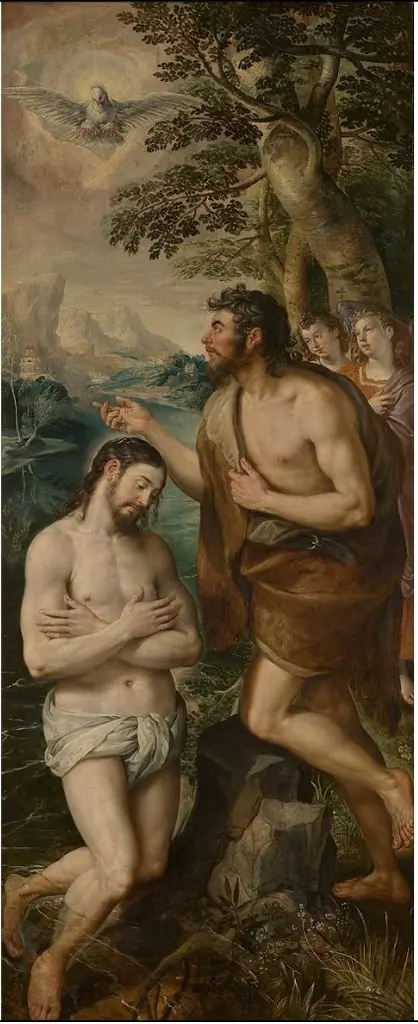
Start with The Baptism of Christ by Maerten de Vos.
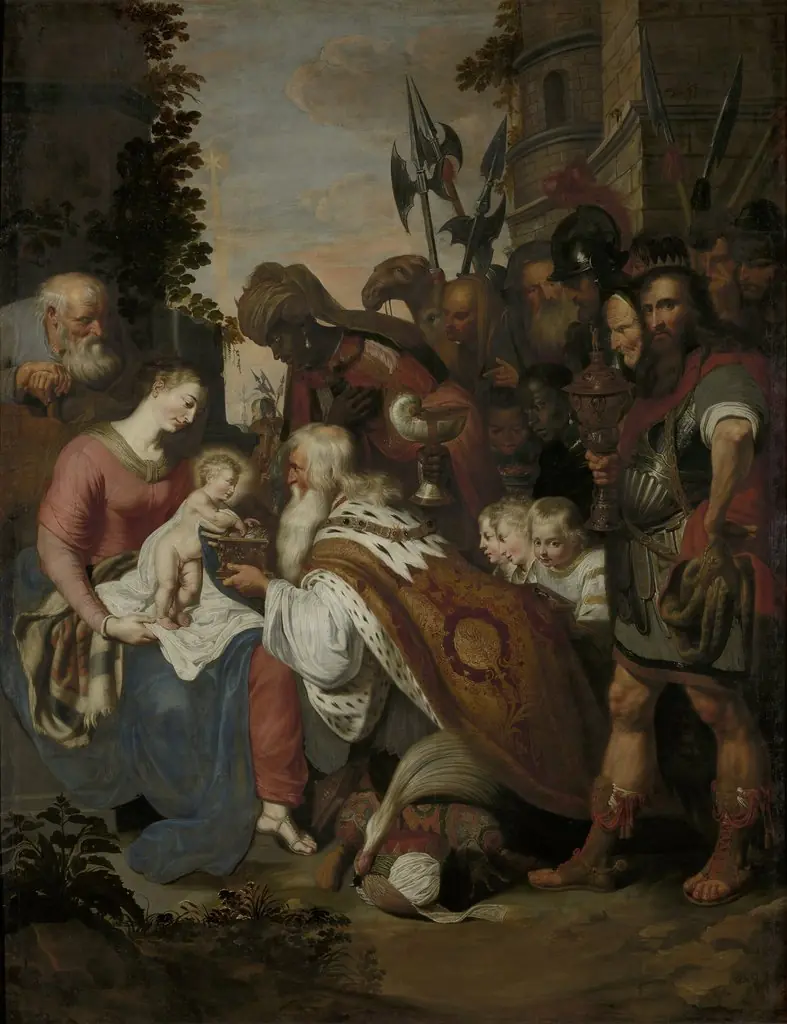
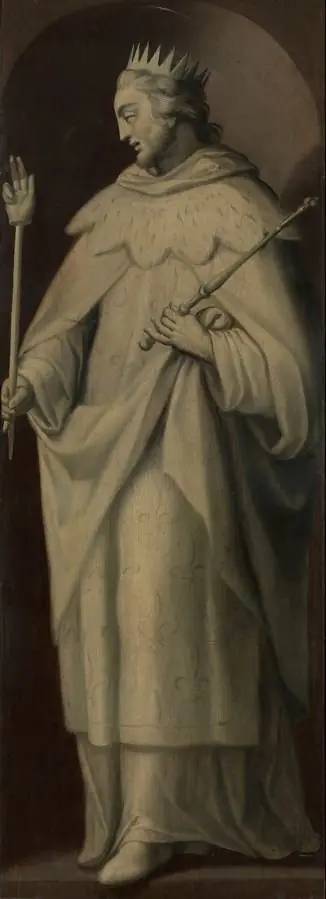
Works from Onze-Lieve-Vrouwekathedraal
Plan your visit
Onze-Lieve-Vrouwekathedraal
- Website
- www.dekathedraal.be