Artwork
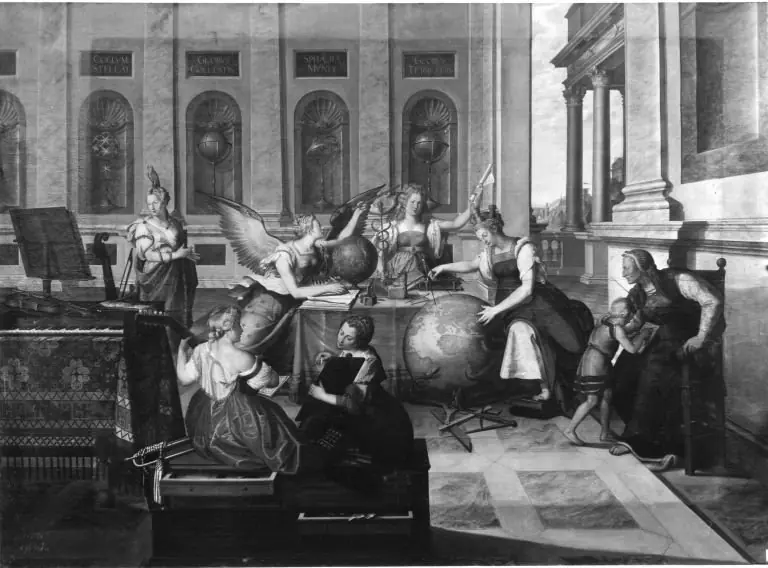
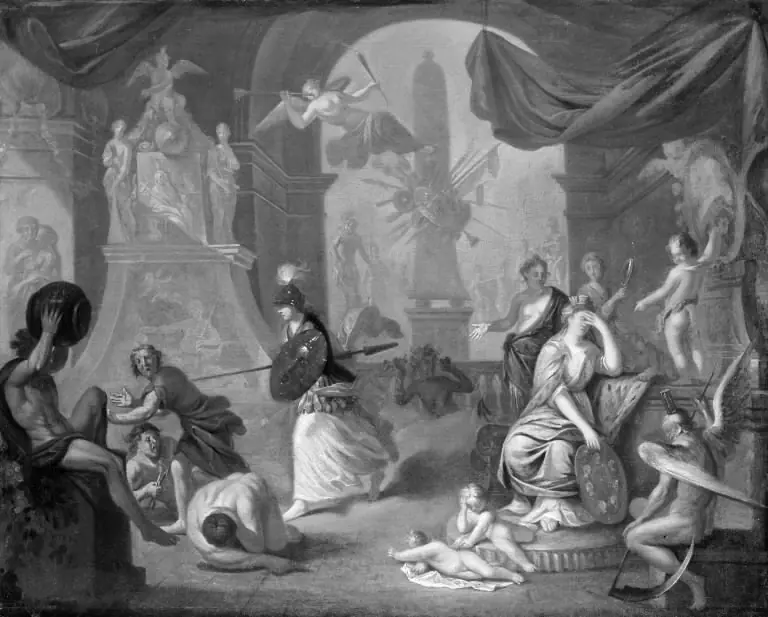
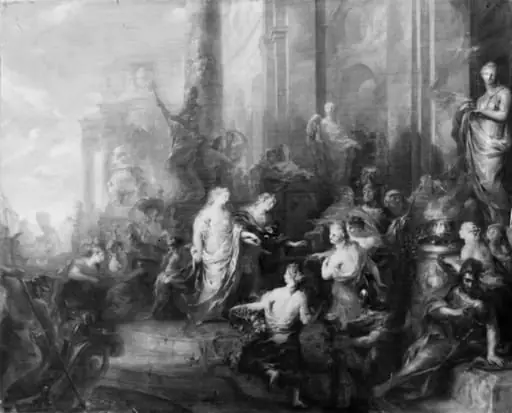
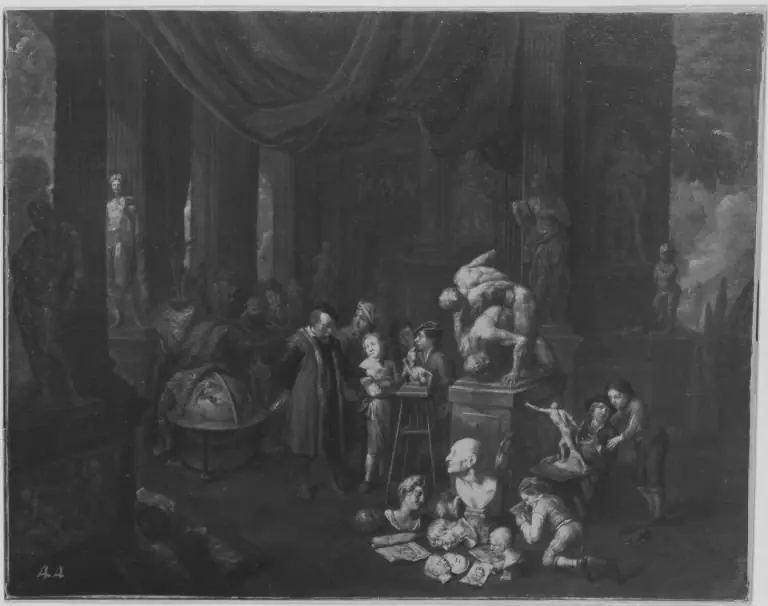
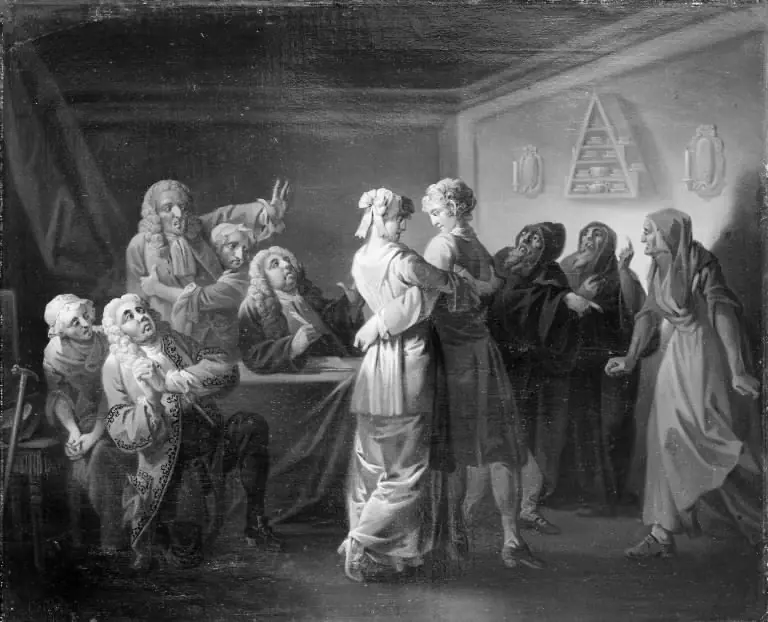
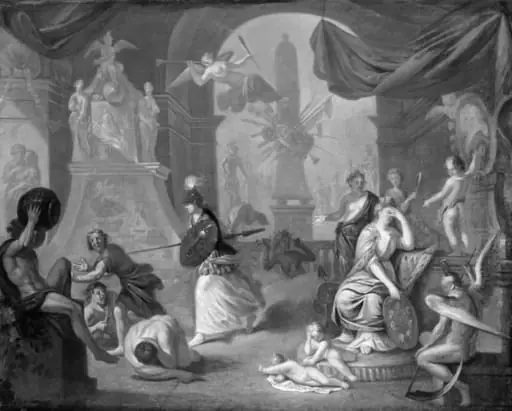
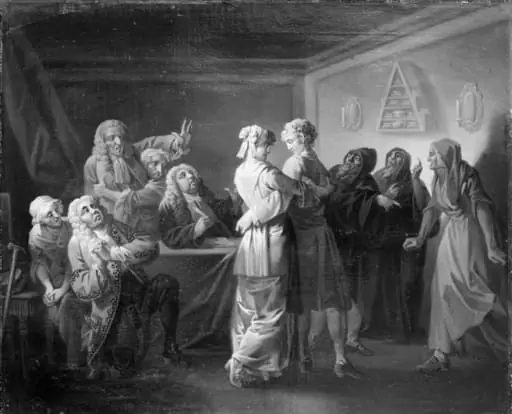
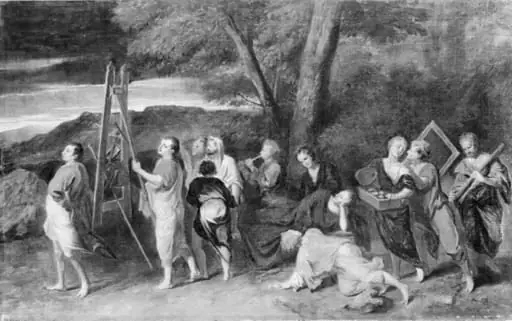
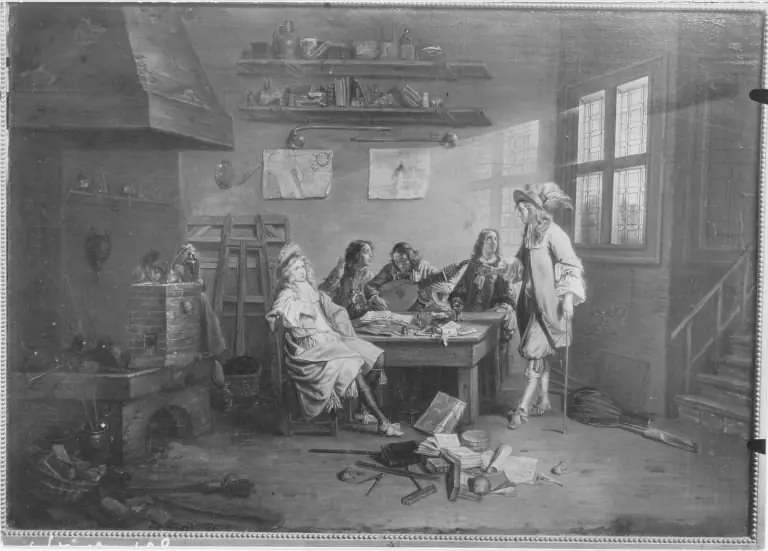
Penelope and her maids weaving and spinning in anticipation of Odysseus' return
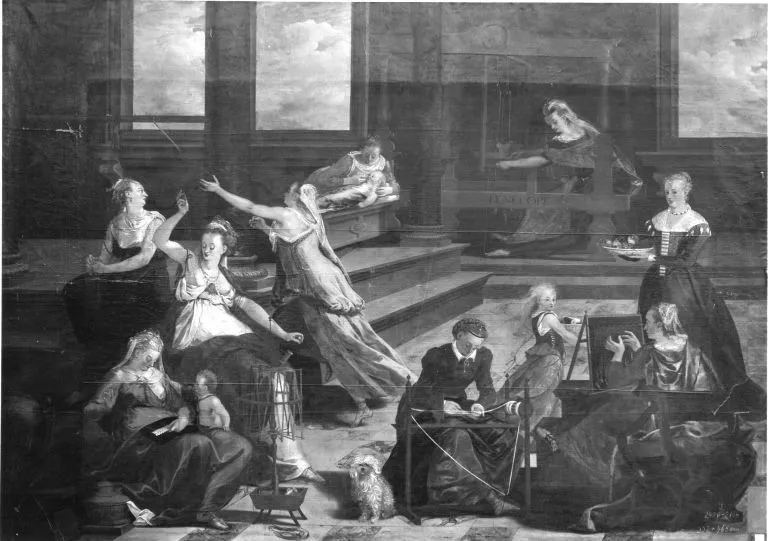
Penelope and her maids weaving and spinning in anticipation of Odysseus' return is an oil painting by the Early Baroque Italian artist Abraham del Hele. It dates from 1563 and is held in the collection of the Bavarian State Painting Collections.
About this work
Overview
The work is part of the collection of the Alte Pinakothek in Munich.
Abraham del Hele’s oil on canvas, dated 1563, depicts a domestic interior where Penelope and her attendants are engaged in weaving and spinning while awaiting Odysseus’s homecoming. The composition is set in a well‑lit room filled with figures performing various tasks, anchored by a seated man writing at a table and a dog curled on the floor. The work is part of the collection of the Alte Pinakothek in Munich.
Subject & Meaning
The scene draws on the Homeric episode in which Penelope delays suitors by unraveling a tapestry each night, symbolizing fidelity and patience. By showing Penelope alongside her maids immersed in textile work, the painting emphasizes the theme of loyal waiting and the domestic sphere’s role in the larger narrative of Odysseus’s return.
Technique & Style
Del Hele employs a pronounced chiaroscuro, allowing a strong light source from the left to illuminate faces and hands while casting deeper shadows in the background. This contrast creates a three‑dimensional effect that enhances the realism of the interior. The varied textures of fabric, wood, and marble are rendered with careful brushwork, highlighting the artist’s skill in depicting materiality.
History & Provenance
Executed in the mid‑sixteenth century, the painting entered the Alte Pinakothek’s holdings during the museum’s early acquisitions of Northern Renaissance works. Its documented provenance traces back to a private collection in Germany before being transferred to the state museum in the 19th century, where it has remained on display.
Context
Created during the late Renaissance, the work reflects contemporary interest in classical mythology as moral exempla. The domestic setting and emphasis on everyday labor align with the period’s humanist focus on virtue expressed through ordinary actions, while the inclusion of classical statues in the background underscores the intellectual climate of the time.
Artist & collection