Artwork
Bildhaueratelier
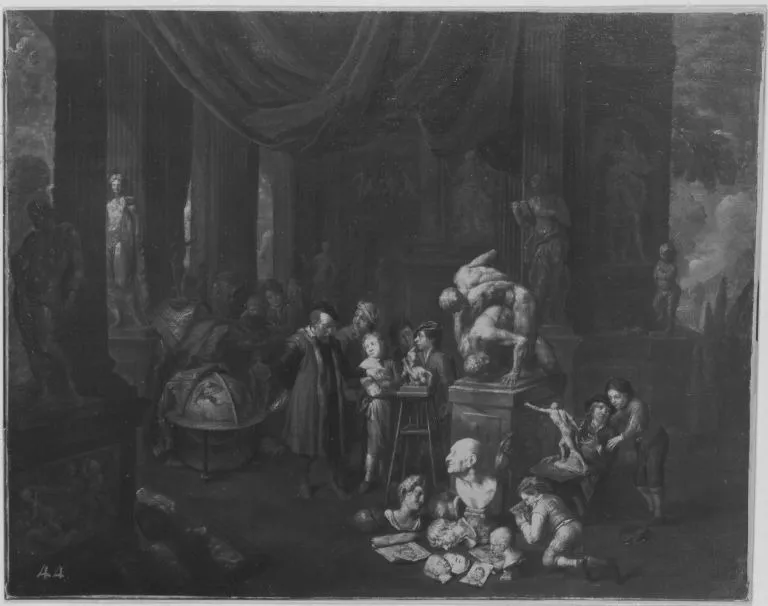
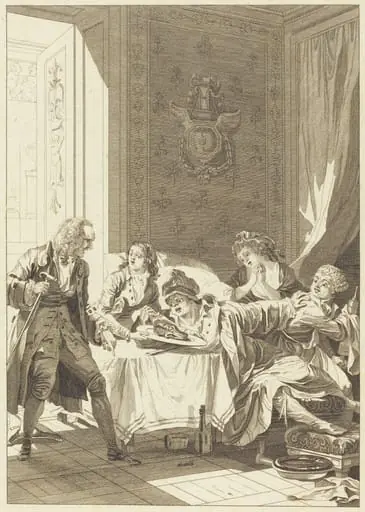
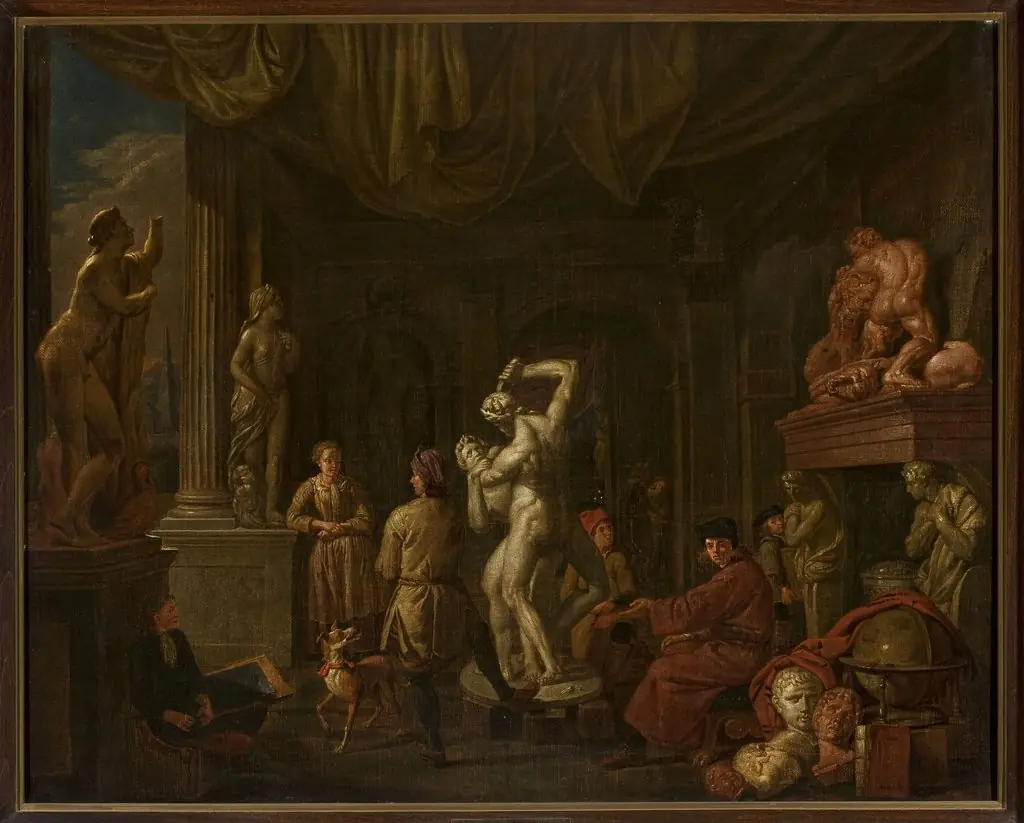
Bildhaueratelier is an unspecified painting by the Rococo painting artist Gerard Thomas. It dates from 1696 and is held in the collection of the Bavarian State Painting Collections.
About this work
Overview
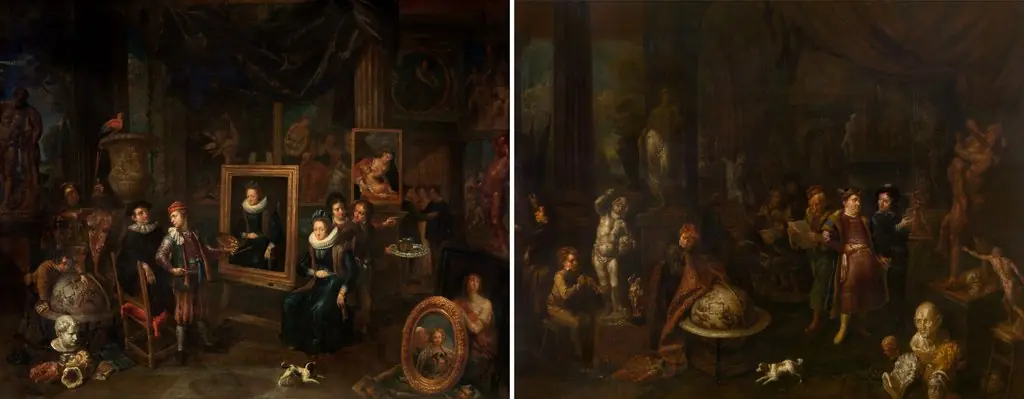
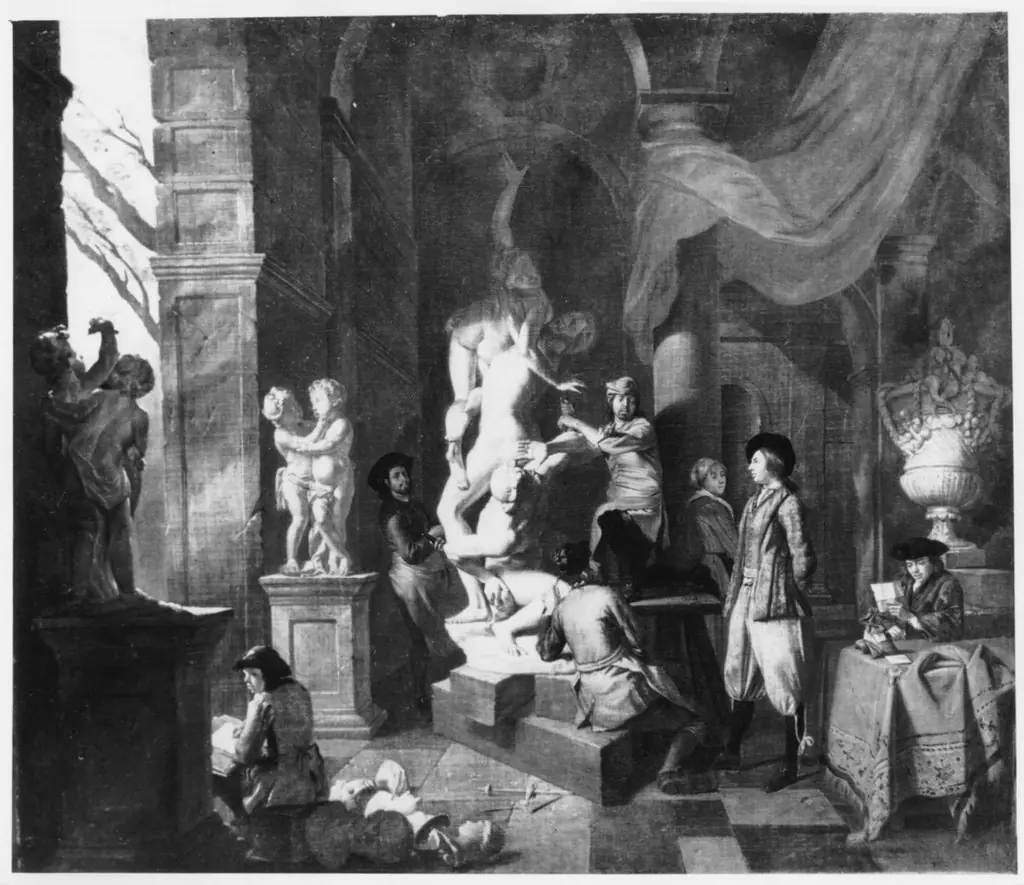
The work belongs to a genre of studio interiors popular in the region, capturing the quiet activity of artistic production.
Gerard Thomas, a Flemish painter active in late 17th-century Antwerp, completed *Bildhaueratelier* in 1696. The work belongs to a genre of studio interiors popular in the region, capturing the quiet activity of artistic production. Though often associated with the Rococo period, Thomas’s style retains the tonal gravity of earlier Baroque traditions, emphasizing atmosphere over ornamentation. The painting is held in the Alte Pinakothek, Munich.
Subject & Meaning
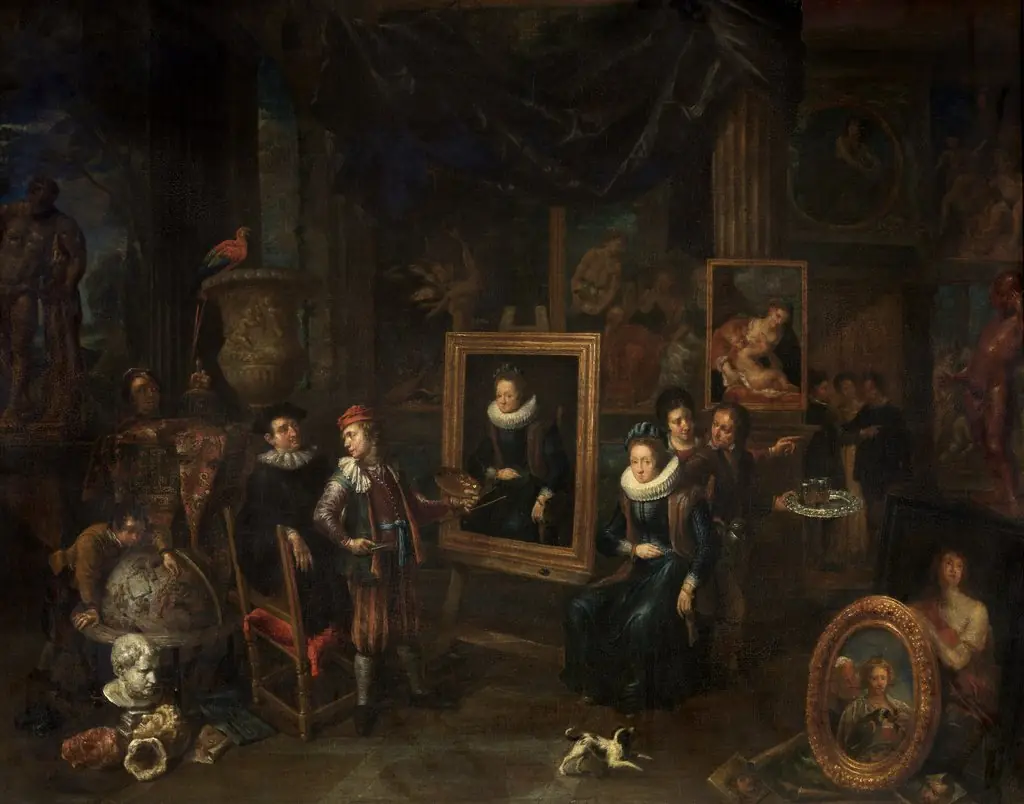
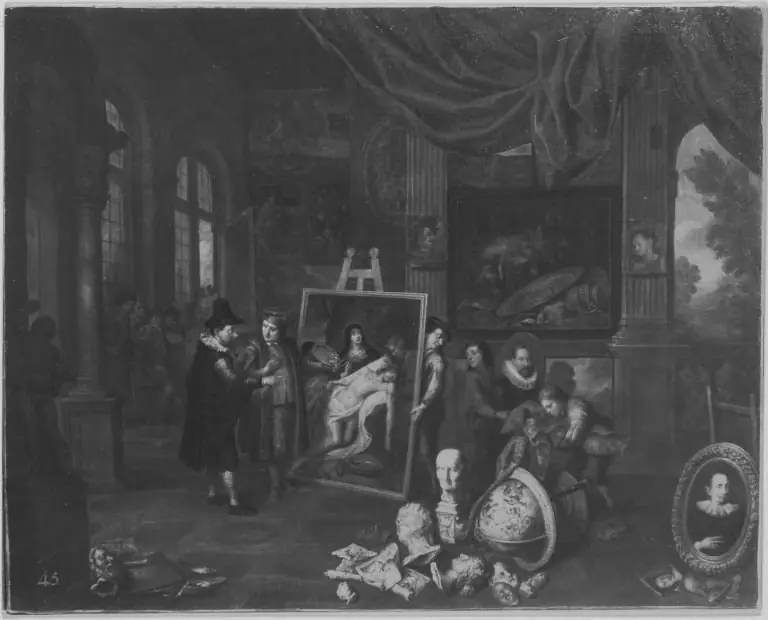
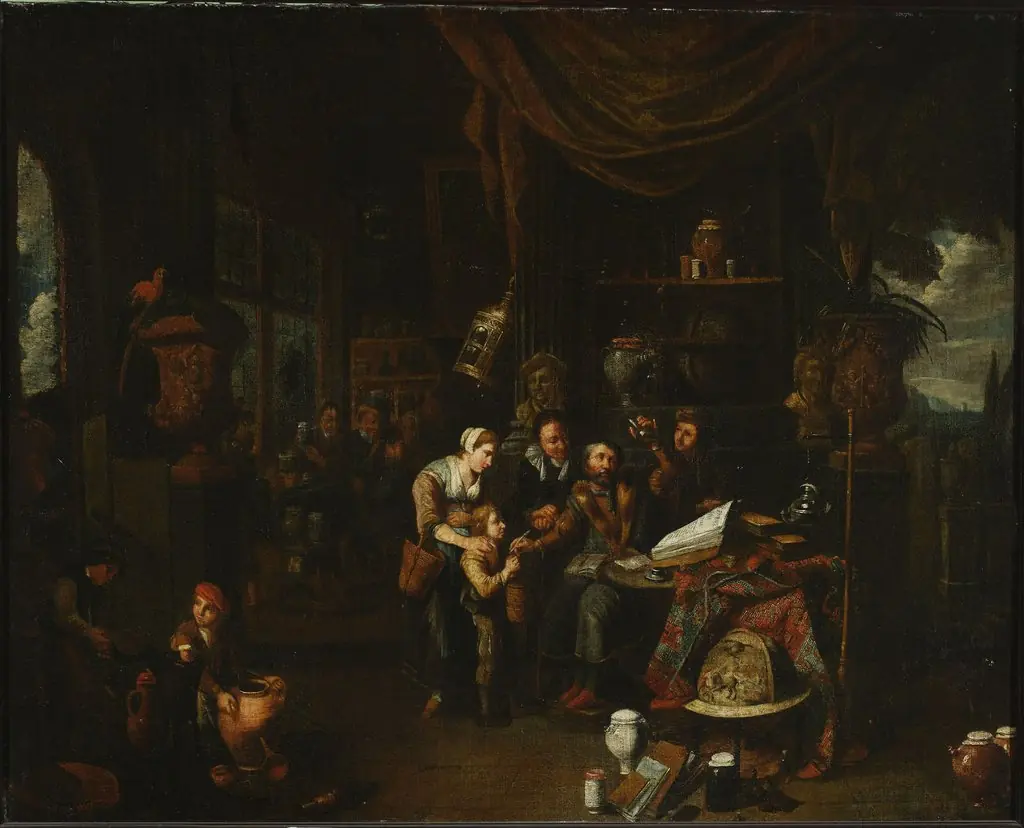
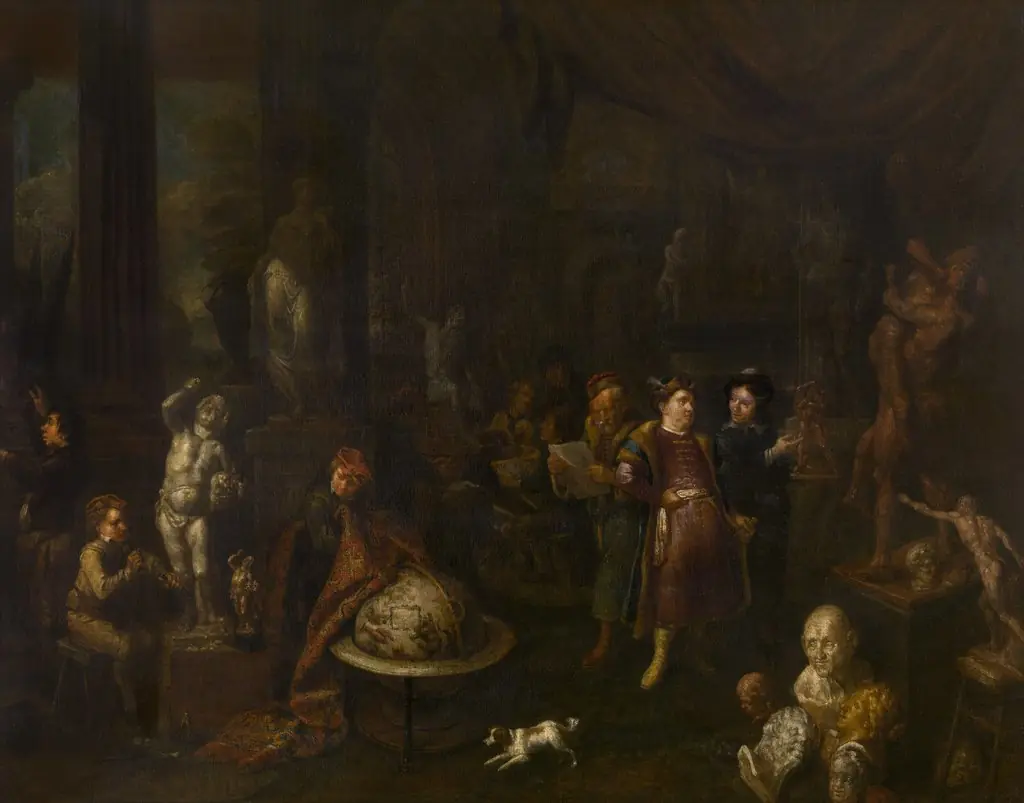
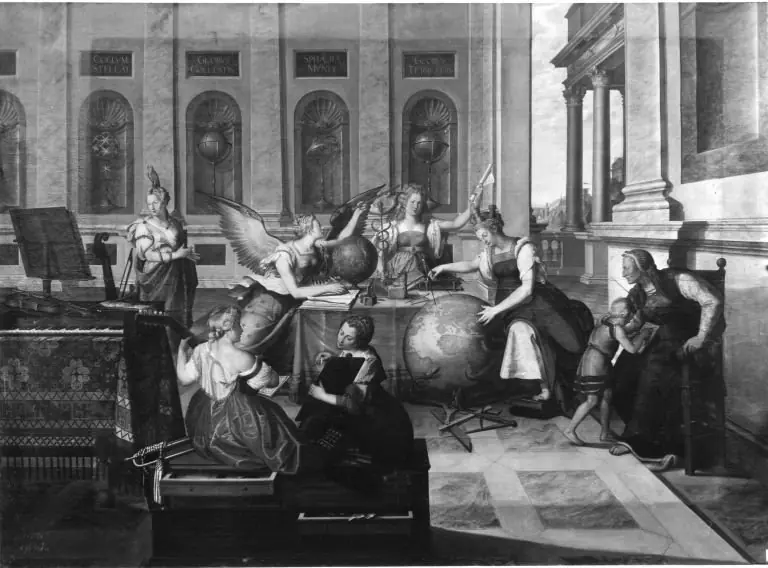
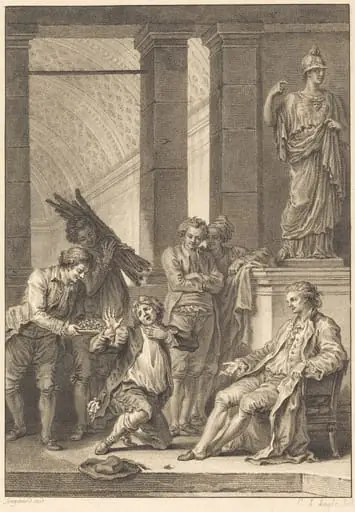
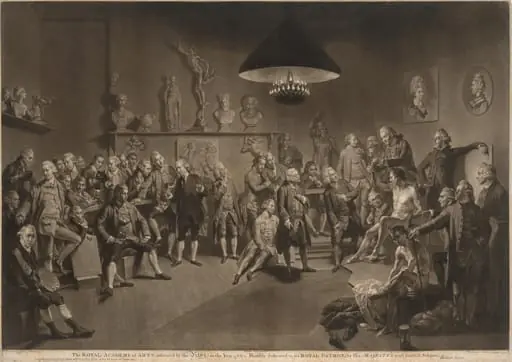
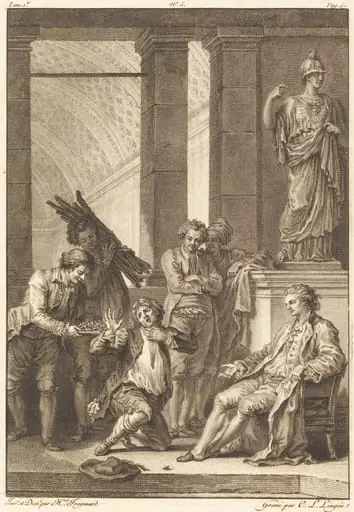
The scene depicts a sculptor’s workshop, not as a documentary record but as an allegory of artistic transmission. Figures gather around a central statue, suggesting the passing of knowledge from master to apprentice. A man holds a child, possibly symbolizing the next generation of artists. Others read, write, or observe, reinforcing themes of study, mentorship, and the intellectual weight of craft.
Technique & Style
Thomas employs chiaroscuro to model forms and direct focus within the dim, vaulted interior. Light falls selectively on the central statue and key figures, creating a sense of spatial depth and quiet drama. The textures of stone, fabric, and paper are rendered with restrained precision, avoiding theatricality. The composition is tightly organized, with figures arranged to guide the eye toward the sculptural centerpiece.
History & Provenance
Painted in 1696, the work emerged during a period when Antwerp artists increasingly depicted their own studios as sites of cultural authority. Thomas’s focus on sculptural practice, rather than painting, distinguishes it from contemporaries. The painting entered the Alte Pinakothek’s collection in the 19th century, likely through royal or aristocratic acquisitions, and has remained there since.
Context
In late 17th-century Antwerp, depictions of artists’ workshops served to elevate craft to the level of intellectual pursuit. While Rubens and Van Dyck were frequently invoked as models, Thomas’s scene avoids direct homage, instead presenting a generalized, timeless studio. The inclusion of sculptures and manuscripts reflects the era’s belief in the interconnectedness of visual arts and humanist learning.
Legacy
Thomas’s *Bildhaueratelier* contributes to a broader tradition of studio imagery that influenced 18th-century European art. Its quiet dignity and emphasis on process, rather than spectacle, set it apart from more flamboyant contemporaries. Though not widely reproduced, it remains a significant example of how Flemish painters documented the rituals of artistic life with sober introspection.
Artist & collection
Artist
Gerard Thomas (1663–1721) was a late Flemish Baroque painter who specialized in studio and picture gallery interiors.