Artwork
Phytographia Curiosa: Lapathum Sativum Antiquorum
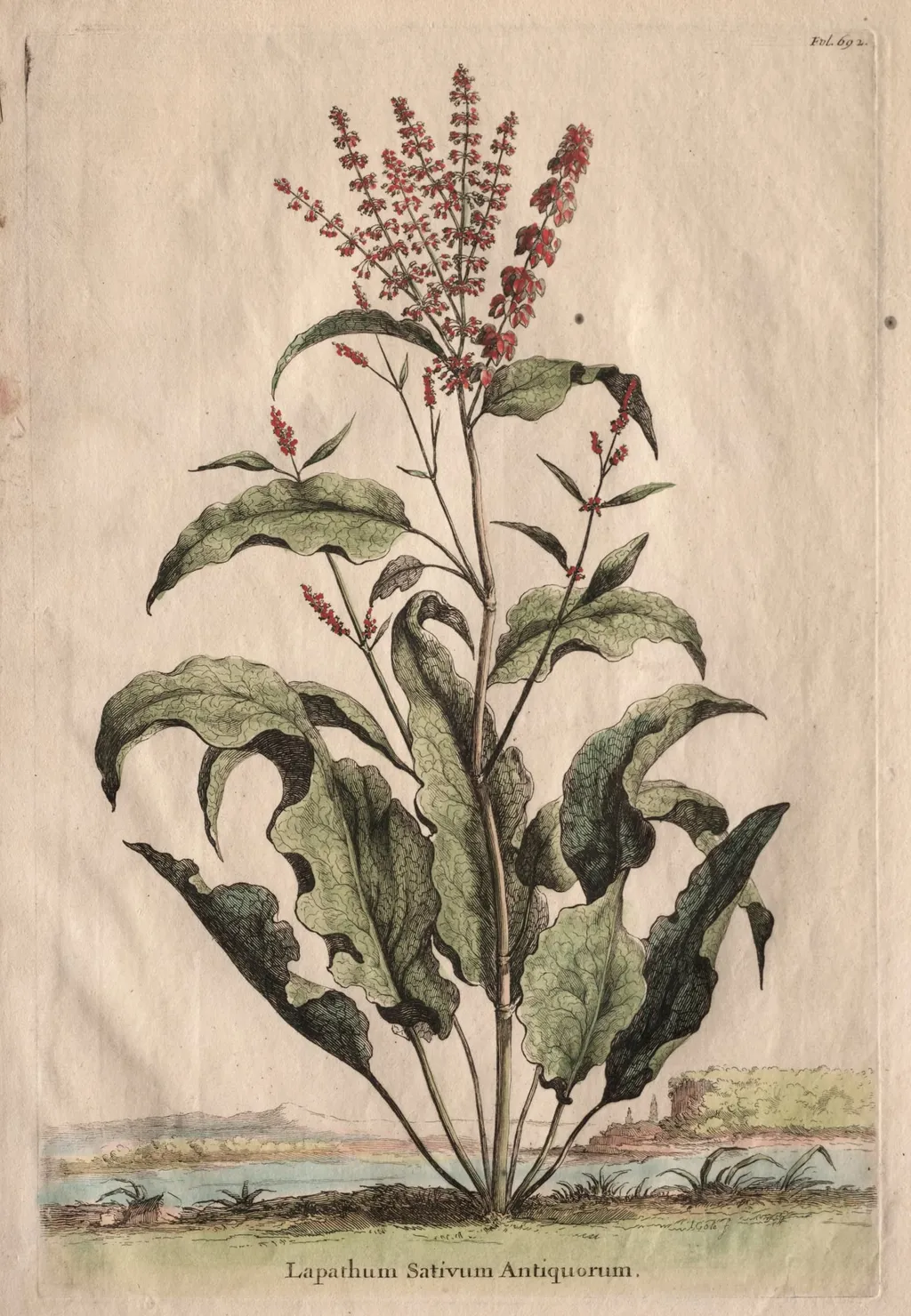
Phytographia Curiosa: Lapathum Sativum Antiquorum is a print by the Baroque artist Abraham Munting. It dates from 1667 and is held in the collection of the Cleveland Museum of Art.
About this work
Overview
Created in 1667 by Dutch botanist and artist Abraham Munting, this print is part of a larger illustrated botanical study. It depicts a single plant specimen with meticulous attention to natural form, rendered in ink and watercolor on paper. The work is held in the collection of The Cleveland Museum of Art and reflects the scientific curiosity of 17th-century natural history illustration.
Subject & Meaning
The plant identified as Lapathum Sativum Antiquorum is likely a species of dock or sorrel, known in early modern Europe for its edible leaves and medicinal use.
The plant identified as Lapathum Sativum Antiquorum is likely a species of dock or sorrel, known in early modern Europe for its edible leaves and medicinal use. Its depiction is not merely ornamental but serves as a taxonomic record, aligning with the era’s effort to classify and document flora. The inclusion of a miniature landscape suggests a contextual setting, grounding the specimen in its natural environment.
Technique & Style
Munting employed fine linear detail and subtle shading to convey the texture of the plant’s broad, undulating leaves. The vivid red of the flower clusters contrasts sharply with the pale paper, enhancing visual clarity. The background, rendered with minimal strokes, includes distant hills and a building, indicating a deliberate balance between scientific precision and atmospheric suggestion typical of Baroque naturalism.
History & Provenance
The print originates from Munting’s broader publication Phytographia Curiosa, a collection of botanical illustrations published in the late 17th century. It entered the Cleveland Museum of Art’s collection through documented acquisitions, likely as part of a larger set of scientific prints collected during the 18th or 19th centuries for educational purposes.
Context
In mid-17th-century Europe, botanical illustration flourished alongside the rise of empirical science. Scholars and collectors sought accurate visual records of plants for medical, agricultural, and taxonomic study. Munting’s work, though artistic, functioned within this scholarly tradition, contributing to a growing body of illustrated flora that bridged art and science.
Legacy
Munting’s illustrations, including this one, remain valuable for their fidelity to plant morphology and their role in early scientific documentation. While modern taxonomy has revised nomenclature, the visual precision of his work continues to inform historical studies of botany and the evolution of scientific imagery in the early modern period.
Artist & collection

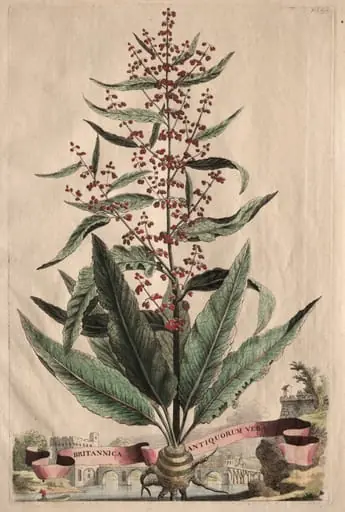 Phytographia Curiosa: Britannica Antiquorum Vera
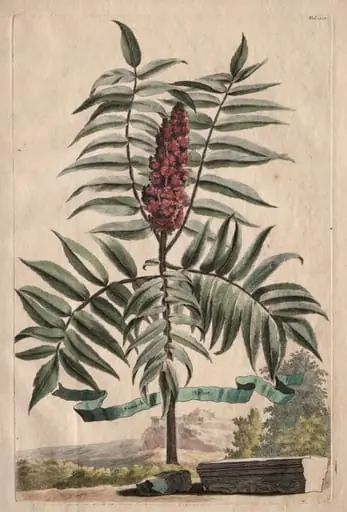 Phytographia Curiosa: Sumach Arbor
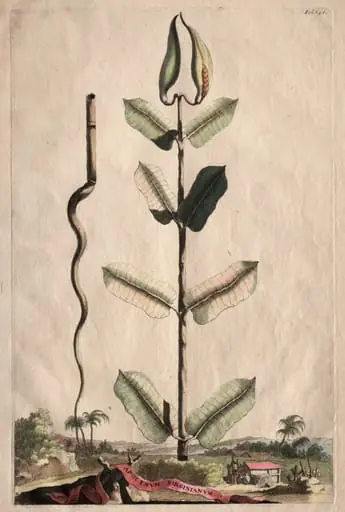 Phytographia Curiosa: Apocynum Virginianum
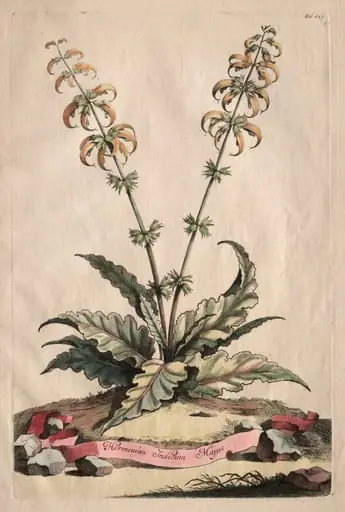 Phytographia Curiosa: Horminum Indicum Majus
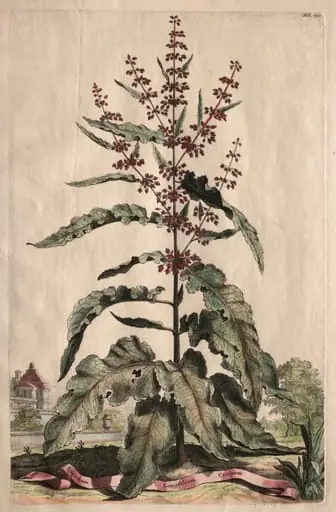 Phytographia Curiosa: Lapathum Longifolium Crispum
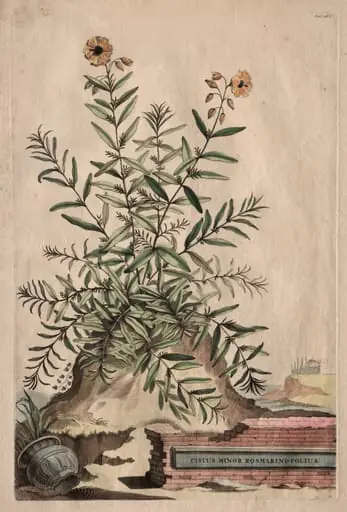 Phytographia Curiosa: Cistus Minor Rosmarini-Folius
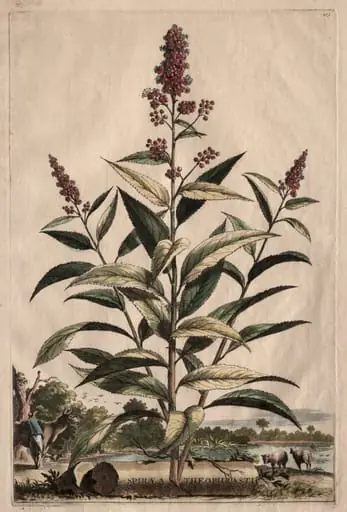 Phytographia Curiosa: Spiraea Theophrasti
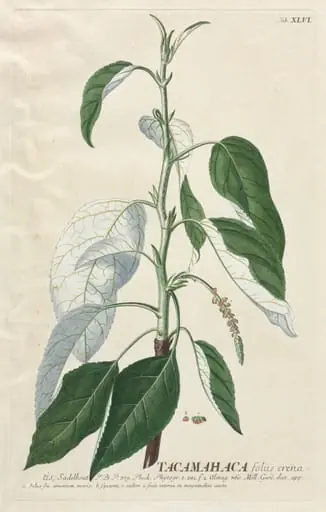
![The Botanical Magazine or Flower Garden Displayed: Plate 931, Phytolacca Decandra. Virginian Poke. [Phytolaca Americana], by Francis Sansom](https://artifactworldgallery.com/img/francis-sansom--the-botanical-magazine-or-flower-garden-displayed-plate-931--48fc90ee9c4aee5c-w320.webp)