Artwork
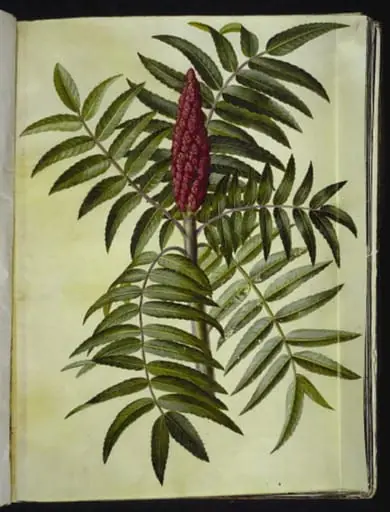
Phytographia Curiosa: Sumach Arbor
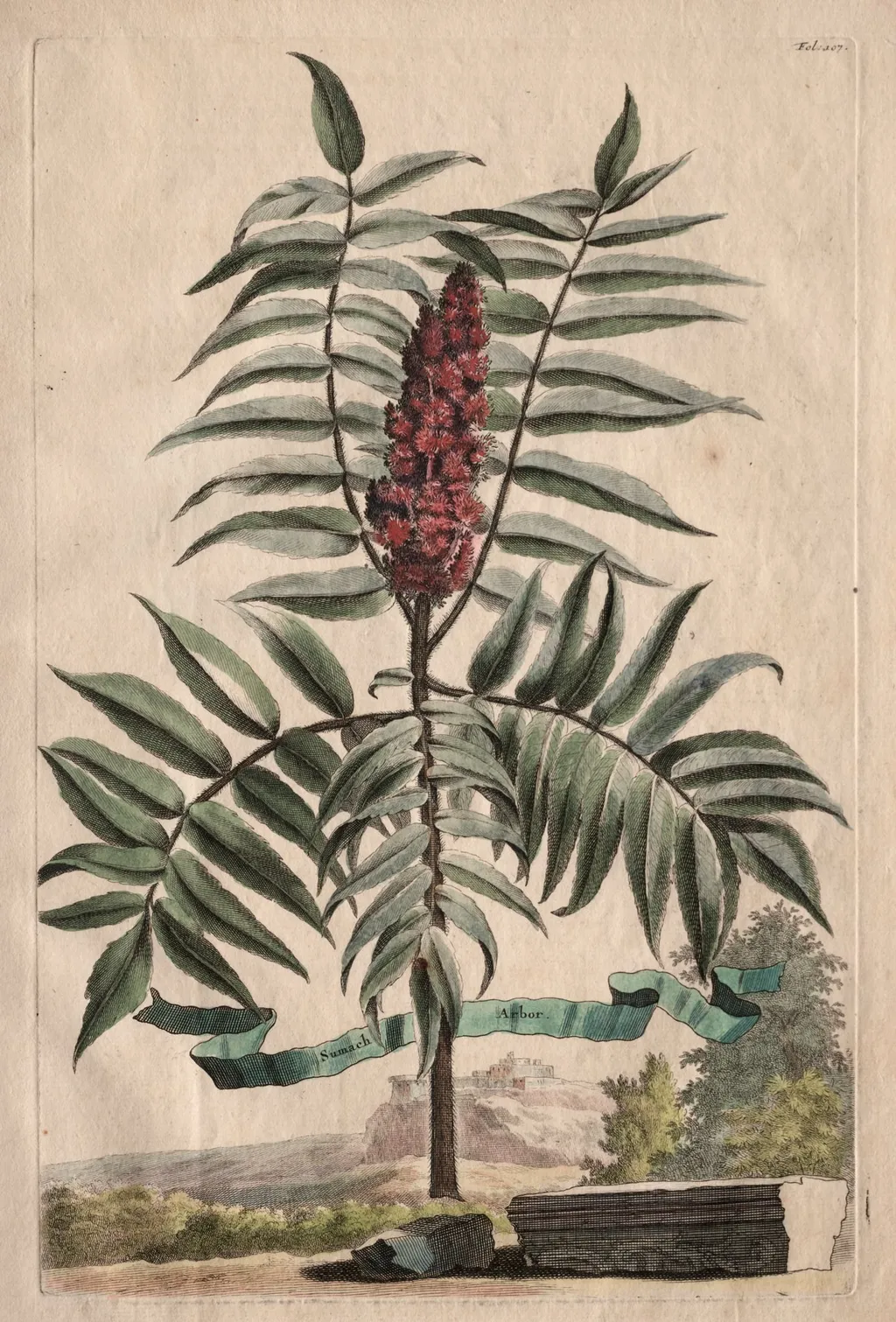
Phytographia Curiosa: Sumach Arbor is a print by the Baroque artist Abraham Munting. It dates from 1667 and is held in the collection of the Cleveland Museum of Art.
About this work
Overview
Created in 1667 by Dutch botanist and artist Abraham Munting, this print is part of the illustrated botanical series Phytographia Curiosa.
Created in 1667 by Dutch botanist and artist Abraham Munting, this print is part of the illustrated botanical series Phytographia Curiosa. It depicts a sumach plant with scientific precision, combining observational accuracy with aesthetic composition. The work was produced during a period when detailed plant illustrations served both scholarly and artistic purposes, reflecting the growing interest in natural history in early modern Europe.
Subject & Meaning
The subject is the sumach tree, known for its distinctive tall, crimson flower spikes and elongated, pointed leaves. Munting rendered it not merely as a decorative element but as a specimen of botanical interest, likely intended for study or classification. The inclusion of a distant landscape suggests a natural setting, reinforcing the plant’s place within its ecological context rather than as an isolated curiosity.
Technique & Style
Munting employed fine linework and subtle tonal gradations to capture the texture of leaves and the dense structure of the flower spike. The background is deliberately muted, allowing the plant’s vibrant reds and deep greens to stand out without distraction. This restrained palette and controlled detail reflect the influence of scientific illustration traditions, where clarity and fidelity to form took precedence over dramatic expression.
History & Provenance
The print originates from Munting’s 1667 publication, a collection of botanical engravings circulated among scholars and collectors. It entered the collection of The Cleveland Museum of Art through documented acquisitions in the 20th century, likely as part of a broader effort to preserve early scientific imagery. Its preservation reflects its value as a historical record of 17th-century botanical study practices.
Context
Produced during the Baroque era, this work aligns with a broader European trend of documenting flora through detailed imagery, driven by the expansion of global trade and botanical gardens. Unlike purely decorative art, Munting’s prints served as reference tools for physicians, horticulturists, and natural philosophers, bridging art and emerging empirical science in the pre-Linnaean period.
Legacy
Munting’s illustrations contributed to the standardization of botanical depiction, influencing later taxonomic works. Though not widely known today, his prints remain important artifacts in the history of science, demonstrating how visual accuracy supported the classification of plants before photographic technology. Institutions like the Cleveland Museum of Art preserve them as evidence of early interdisciplinary inquiry.
Artist & collection

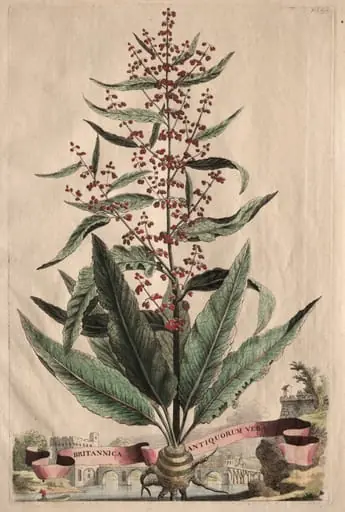 Phytographia Curiosa: Britannica Antiquorum Vera
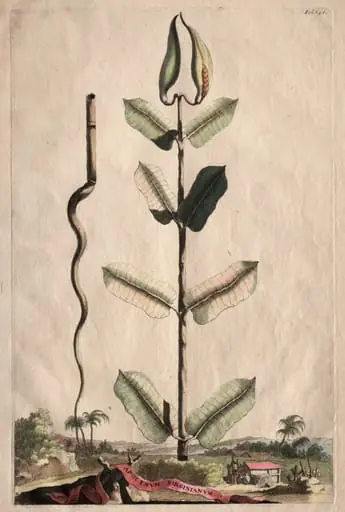 Phytographia Curiosa: Apocynum Virginianum
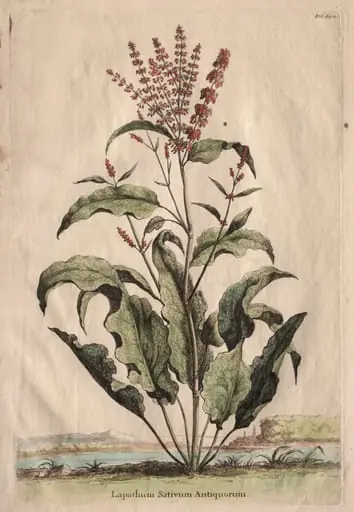 Phytographia Curiosa: Lapathum Sativum Antiquorum
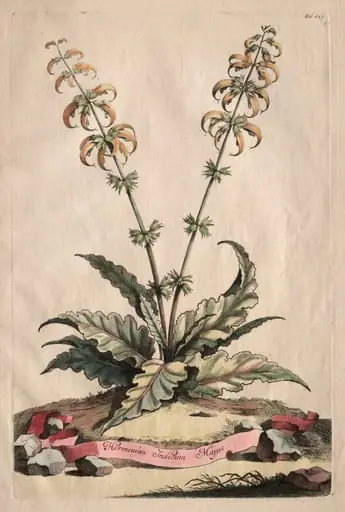 Phytographia Curiosa: Horminum Indicum Majus
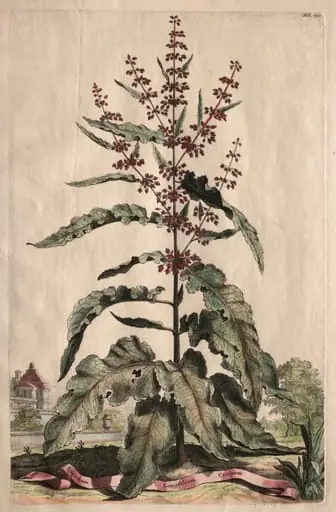 Phytographia Curiosa: Lapathum Longifolium Crispum
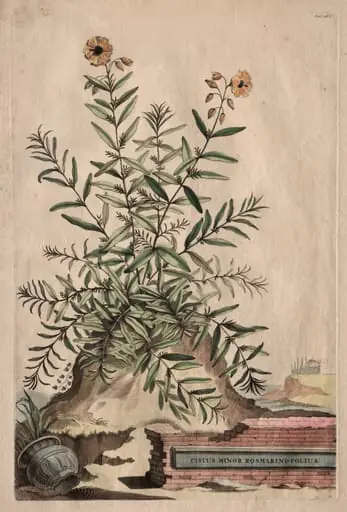 Phytographia Curiosa: Cistus Minor Rosmarini-Folius
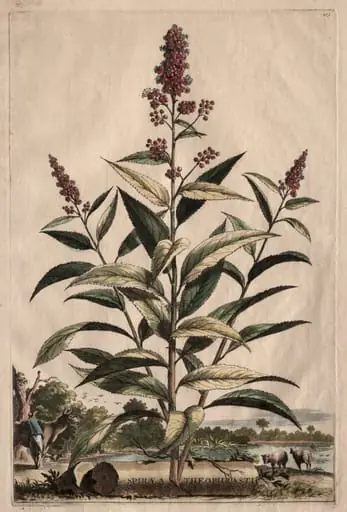 Phytographia Curiosa: Spiraea Theophrasti