Artwork
Phytographia Curiosa: Horminum Indicum Majus
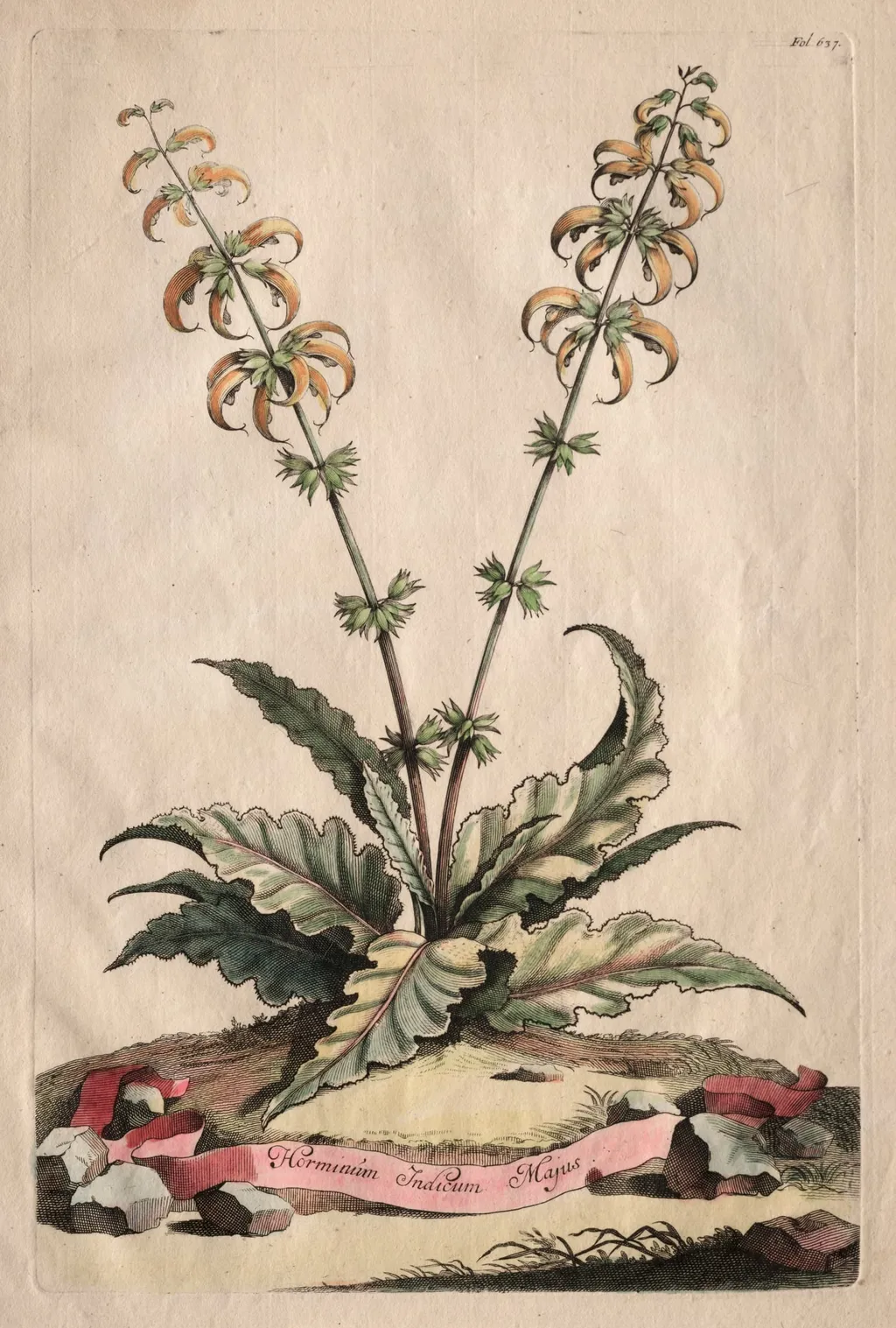
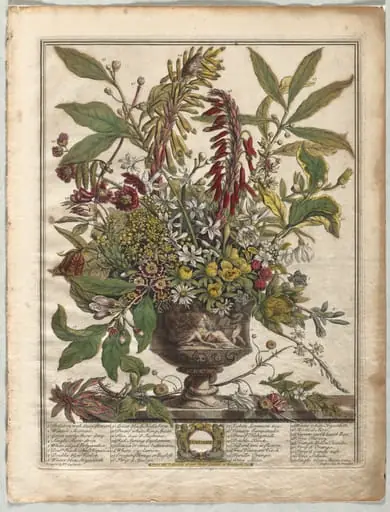
Phytographia Curiosa: Horminum Indicum Majus is a print by the Baroque artist Abraham Munting. It dates from 1667 and is held in the collection of the Cleveland Museum of Art.
About this work
Overview
Created in 1667 by Dutch botanist and artist Abraham Munting, this print is part of the illustrated botanical series Phytographia Curiosa.
Created in 1667 by Dutch botanist and artist Abraham Munting, this print is part of the illustrated botanical series Phytographia Curiosa. It depicts a specific plant specimen identified as Horminum Indicum Majus, rendered with precision for scientific documentation. The work is held in the collection of The Cleveland Museum of Art and reflects the 17th-century European interest in cataloging exotic flora from newly explored regions.
Subject & Meaning
The plant portrayed is a tropical species, likely brought to Europe through colonial trade networks. Its large leaves and tall, flowering stems are rendered not for ornamental effect but to aid botanical classification. The pink ribbon at its base, inscribed with Latin or another scholarly language, serves as a label, reinforcing the image’s role as a scientific record rather than a decorative piece.
Technique & Style
Munting employed fine line engraving and delicate tonal shading to capture the plant’s structure. The use of muted greens and browns, with minimal contrast, emphasizes botanical accuracy over dramatic expression. The plain light brown background isolates the specimen, directing focus to its form. This restrained aesthetic aligns with the empirical goals of natural history illustration in the Baroque era.
History & Provenance
The print originated in Munting’s privately published botanical compendium, circulated among scholars and collectors. It entered the Cleveland Museum of Art’s collection through documented acquisitions in the 20th century. Its preservation reflects its value as a historical document of early botanical science, rather than as a work of fine art in the traditional sense.
Context
In the mid-17th century, European naturalists sought to classify plants from Asia, the Americas, and Africa as global exploration expanded. Munting’s work contributed to this effort, collaborating with botanists and printers to produce illustrated volumes. Such prints were tools for education and exchange, bridging scientific inquiry and visual representation in an age before photography.
Legacy
Munting’s illustrations, including this one, remain referenced in historical botany for their clarity and detail. While not widely known today outside academic circles, they represent a critical phase in the development of scientific illustration—prioritizing observation over artistry, and laying groundwork for modern plant taxonomy.
Artist & collection

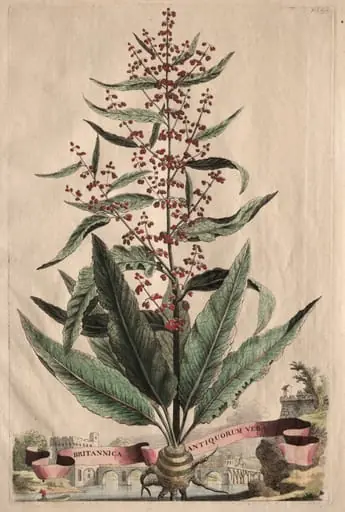 Phytographia Curiosa: Britannica Antiquorum Vera
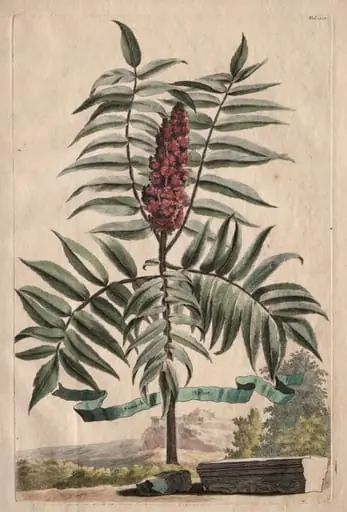 Phytographia Curiosa: Sumach Arbor
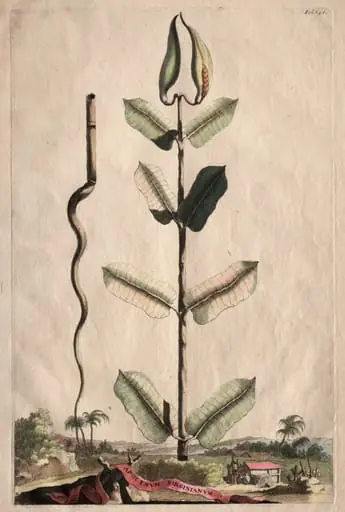 Phytographia Curiosa: Apocynum Virginianum
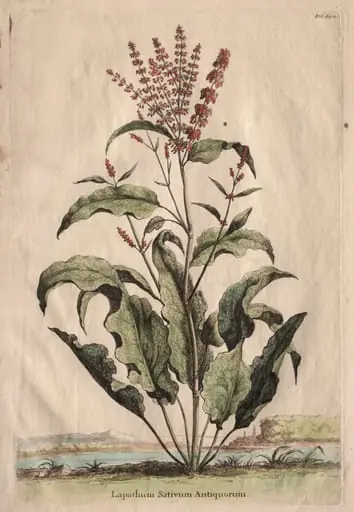 Phytographia Curiosa: Lapathum Sativum Antiquorum
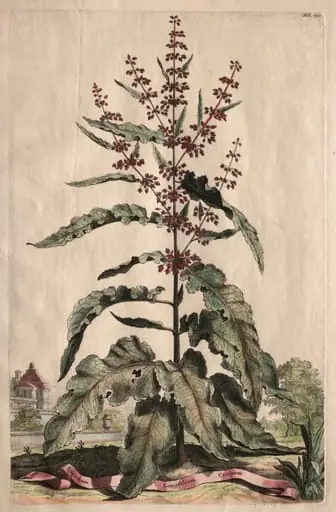 Phytographia Curiosa: Lapathum Longifolium Crispum
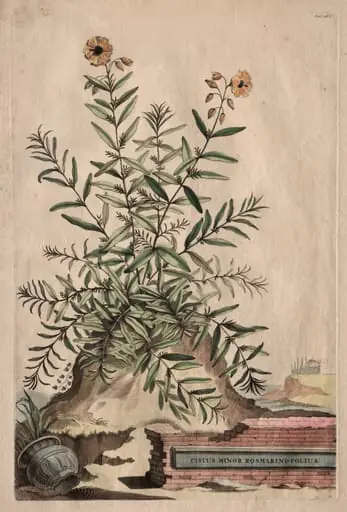 Phytographia Curiosa: Cistus Minor Rosmarini-Folius
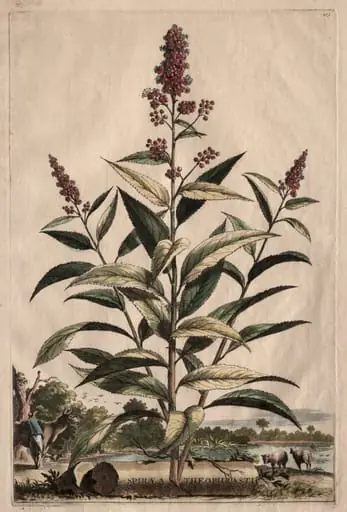 Phytographia Curiosa: Spiraea Theophrasti
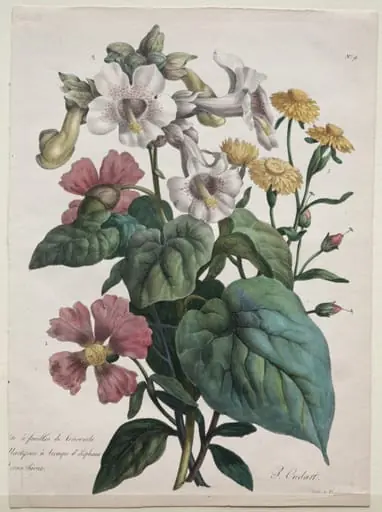 Cours d'Histoire Naturelle, contenant les principales espèces du règne animal, classées methodiquemenet: Martynia or Unicorn Plant
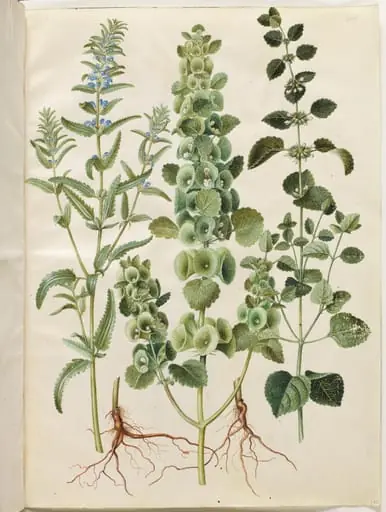 Dracocephalum moldavica (moldavisk dragehoved); Moluccella spinosa (tornet tragtbæger); Melissa officinalis (citron-melisse)
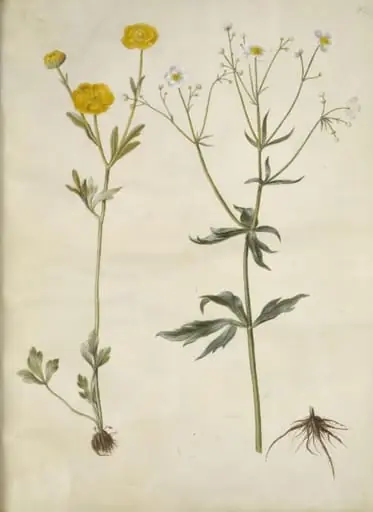 Ranunculus monspeliacus (silke-ranunkel); Ranunculus aconitifolius (stormhatbladet ranunkel)
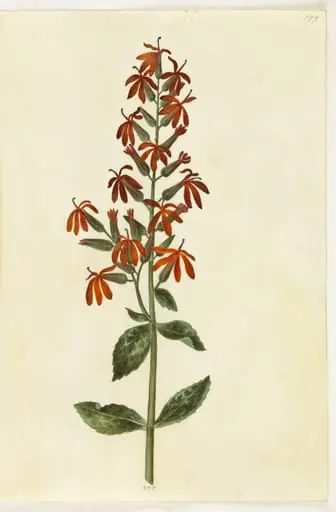 Lobelia cardinalis (kardinal-lobelie)
 Twelve Months of Flowers: January