Artwork
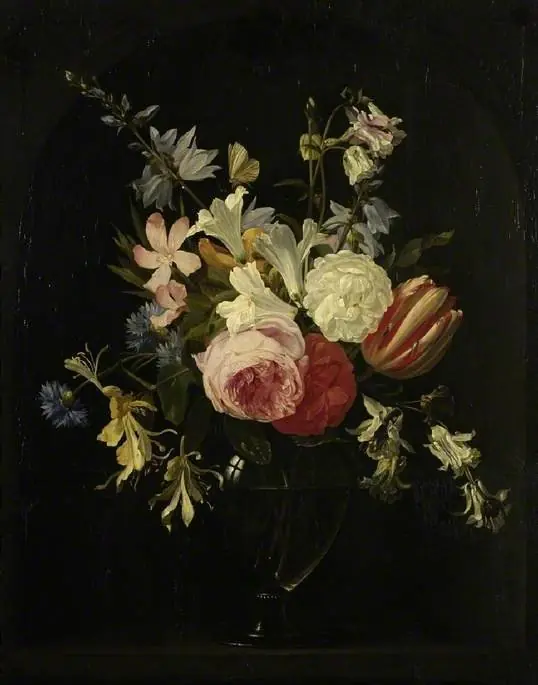
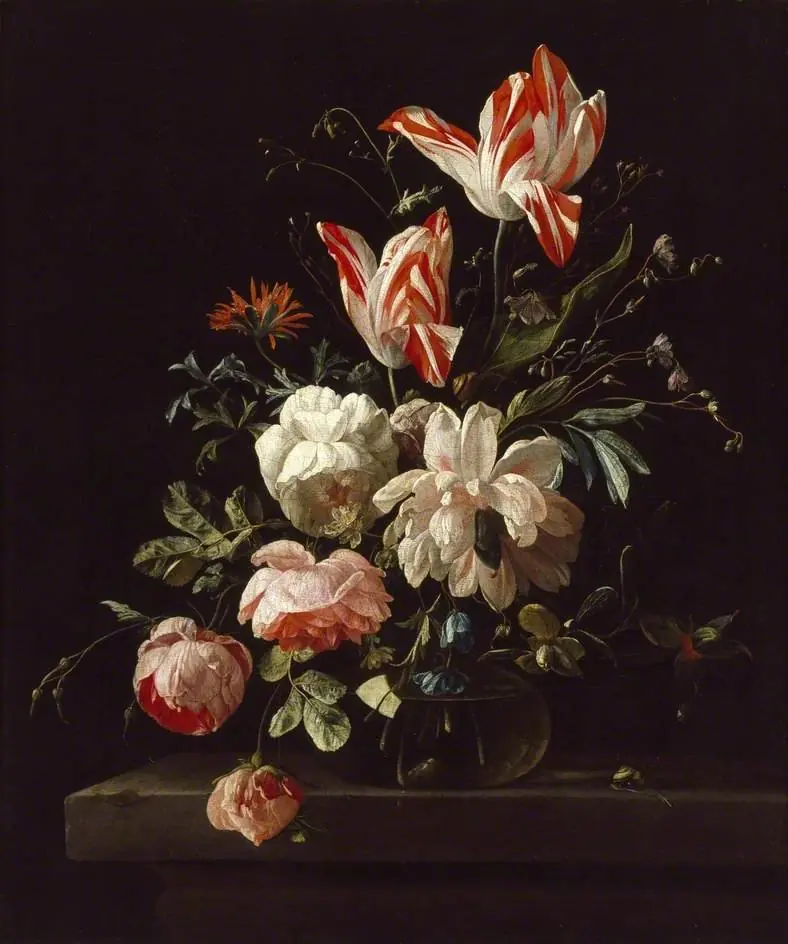
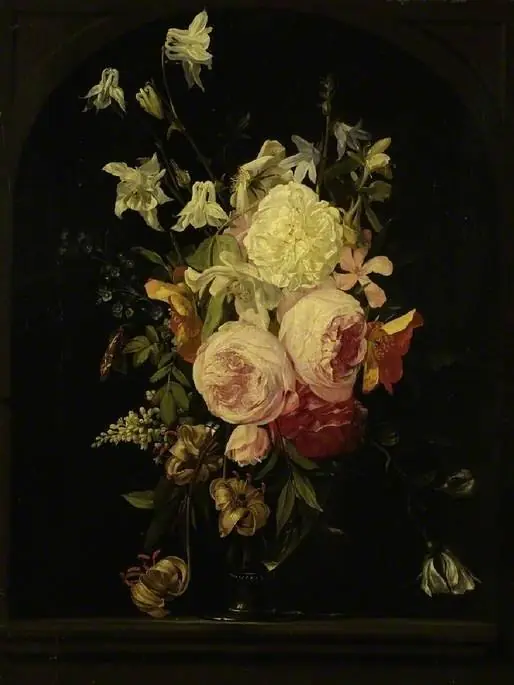
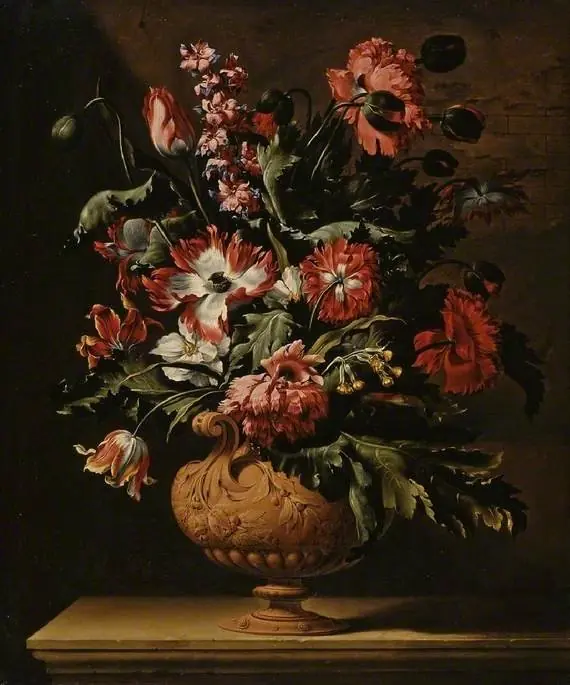
A glass vase of flowers
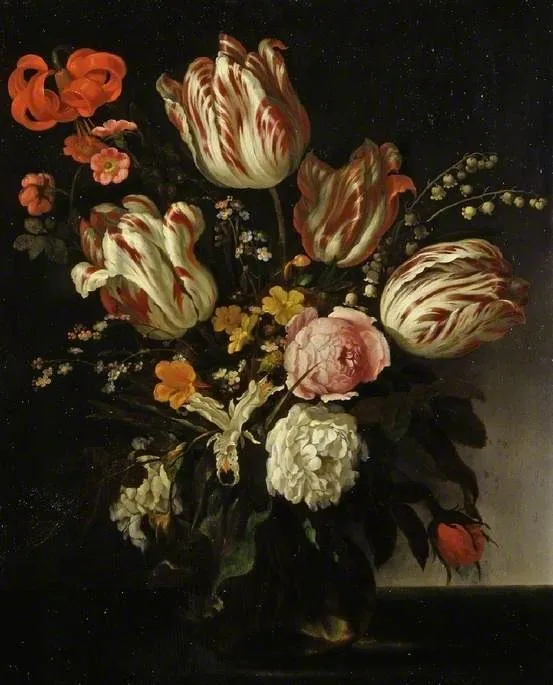
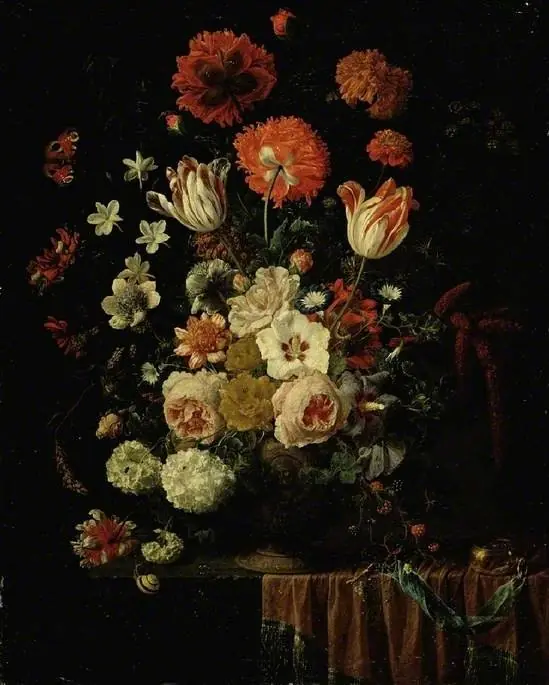
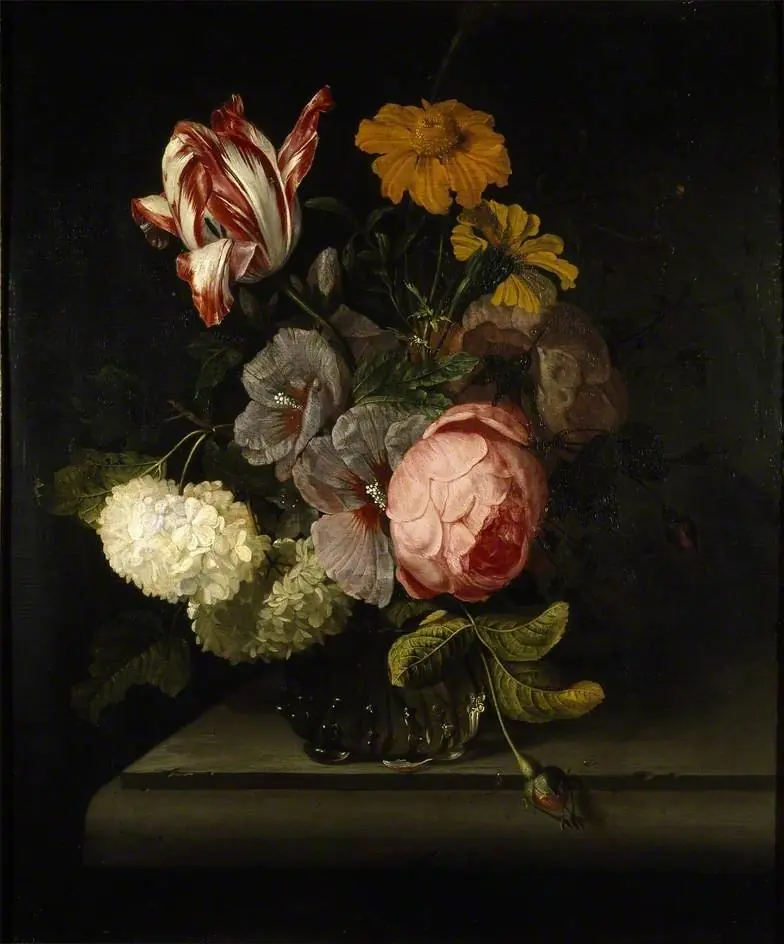
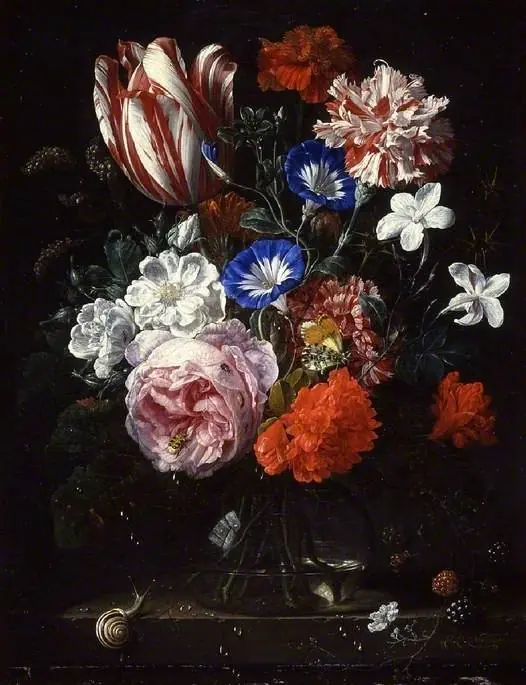
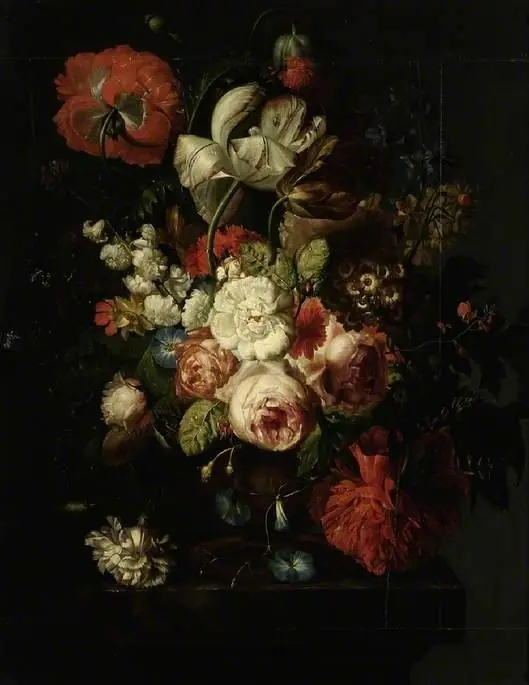
A glass vase of flowers is an oil painting by Abraham van Calraet. It dates from 1692 and is held in the collection of the Fitzwilliam Museum.
About this work
Overview
Painted around 1692, this oil-on-canvas still life by Abraham van Calraet presents a simple arrangement of cut flowers in a transparent glass vessel.
Painted around 1692, this oil-on-canvas still life by Abraham van Calraet presents a simple arrangement of cut flowers in a transparent glass vessel. The work belongs to a Dutch Golden Age tradition that elevated everyday objects into subjects of quiet contemplation. Van Calraet, active in Dordrecht from the 1660s until his death in 1722, produced numerous still lifes alongside portraits and landscapes, demonstrating versatility within a market that prized precise observation.
Subject & Meaning
The composition features a modest bouquet of tulips, roses, and other seasonal blooms, arranged loosely without formal symmetry. The flowers, rendered in soft whites, pinks, and reds, suggest transience—a common theme in Dutch still lifes. Their placement, neither extravagant nor contrived, reflects a preference for naturalism over symbolism. The absence of overt allegory invites quiet attention to the beauty of fleeting natural forms.
Technique & Style
Van Calraet employs fine brushwork to capture the translucency of glass and the delicate textures of petals. The dark, unmodulated background isolates the vase and flowers, enhancing their chromatic richness and three-dimensionality. Light falls subtly across the surface, modeling each petal and glass curve with restraint. The technique avoids theatricality, favoring clarity and tactile precision over dramatic contrast or ornamental flourish.
History & Provenance
The painting’s early ownership is undocumented, but it aligns with the domestic collecting habits of Dutch urban elites in the late 17th century. Still lifes like this were often displayed in private homes as signs of cultivated taste and economic stability. While no specific commission or early record survives, its style and date place it firmly within the output of van Calraet’s mature period, when his still lifes gained consistent recognition in regional markets.
Context
This work emerges from a flourishing Dutch still-life tradition that responded to growing middle-class demand for art reflecting domestic life. Unlike grander floral displays by contemporaries, van Calraet’s arrangement avoids exotic or imported blooms, focusing instead on locally available species. The subdued palette and intimate scale reflect a regional preference for understated elegance, contrasting with the opulence seen in Flemish or courtly counterparts.
Legacy
Van Calraet’s still lifes, including this vase of flowers, contributed to the codification of Dutch floral painting as a genre grounded in observation rather than symbolism. Though less celebrated than some peers, his restrained approach influenced later regional painters who valued quiet realism. His works remain examples of how ordinary subjects, rendered with care, could sustain visual interest across generations without relying on spectacle.
Artist & collection
Artist
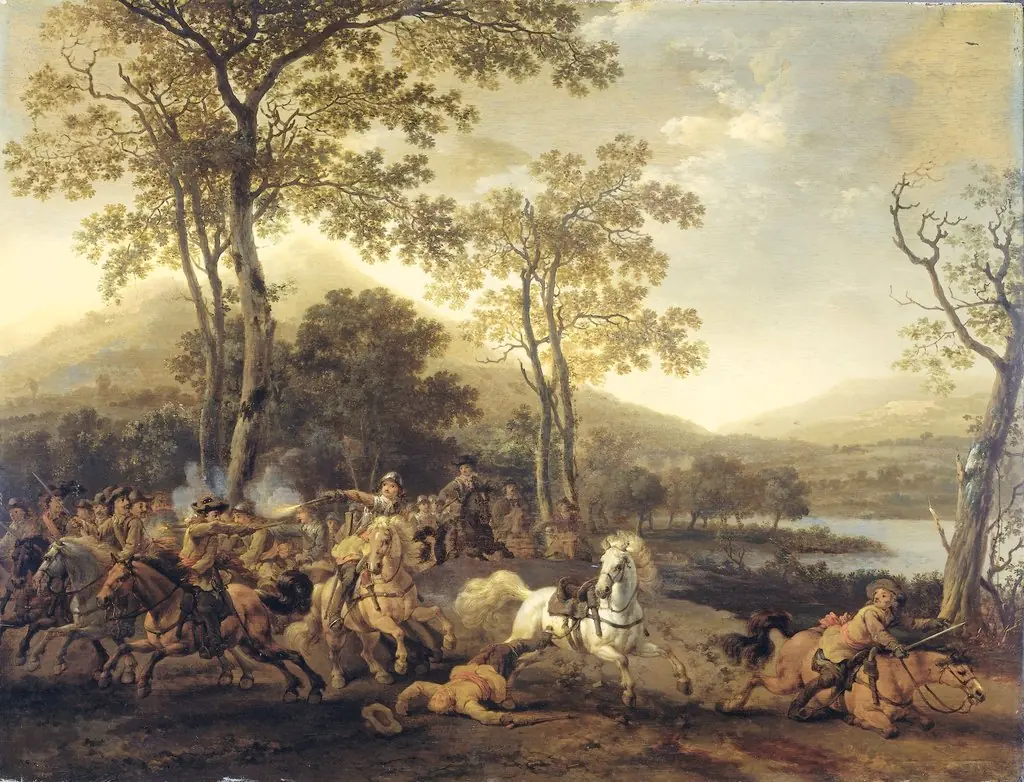
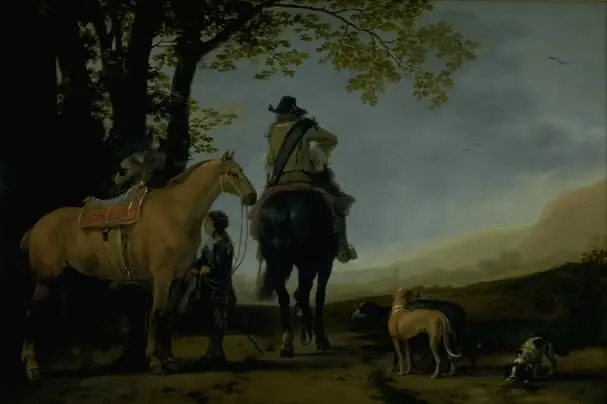
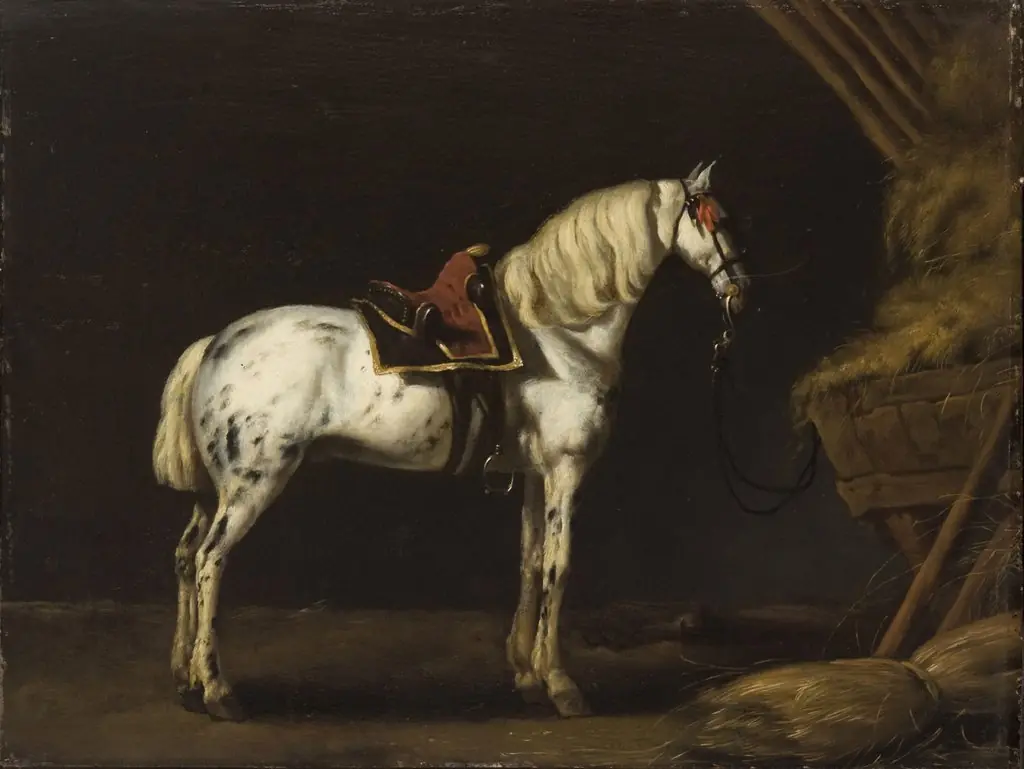
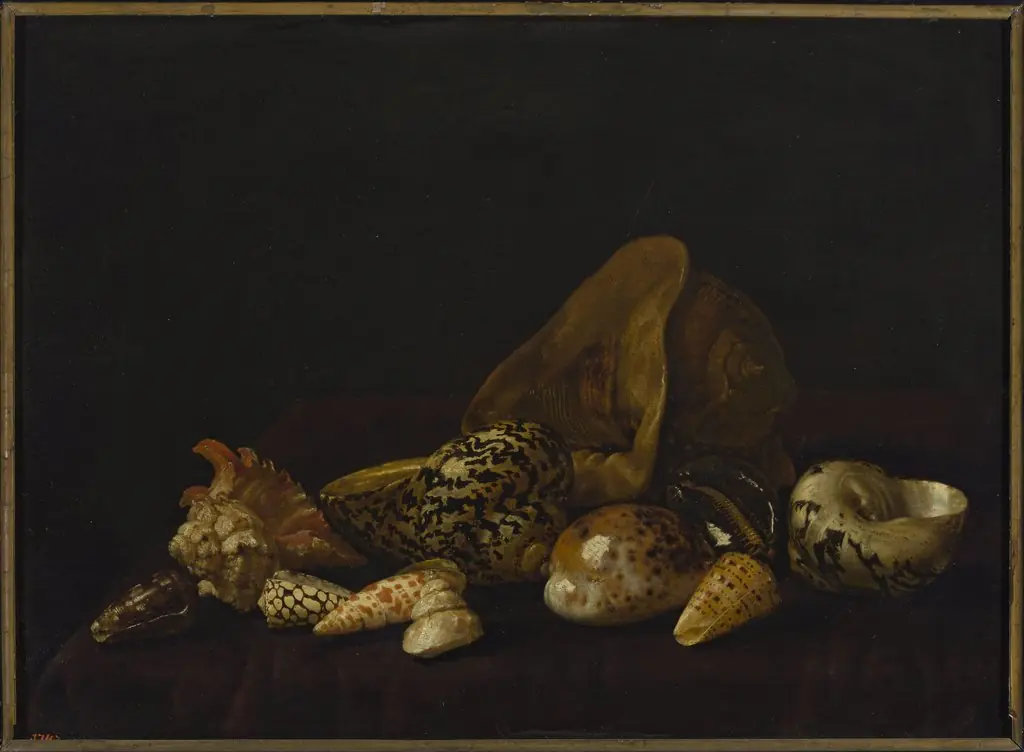
Abraham van Calraet, or Kalraat (7–12 October 1642, Dordrecht – 11 June 1722, Dordrecht) was a Dutch Golden Age still-life, portrait- and landscape painter.