Artwork
Peaches in a porcelain bowl
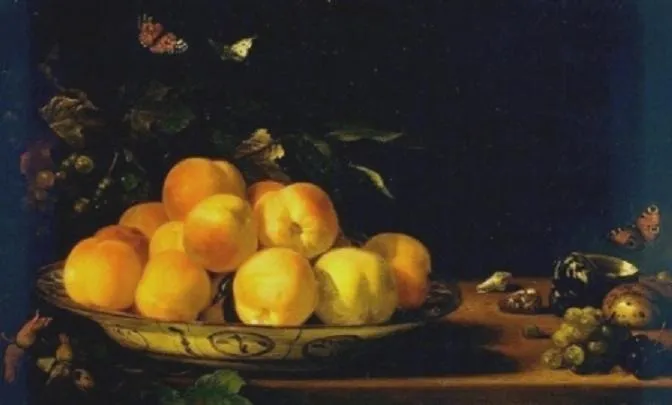
Peaches in a porcelain bowl is an oil painting by the Dutch Golden Age artist Abraham van Calraet. It dates from 1696 and is held in the collection of the Kröller-Müller Museum.
About this work
Overview
Painted in 1696 by Abraham van Calraet, this oil on canvas still life presents a modest yet carefully composed arrangement of fruit and objects. It reflects the Dutch Golden Age tradition of elevating everyday items into subjects of quiet contemplation. The work is part of the Kröller-Müller Museum’s collection, where it contributes to a broader survey of 17th-century Dutch domestic still lifes.
Subject & Meaning
The painting centers on a pile of ripe peaches in a white porcelain bowl, accompanied by grapes and a walnut on a wooden surface. A butterfly hovers near the fruit, introducing a fleeting, transient element. These objects, common in Dutch still lifes, suggest abundance and the passage of time, subtly evoking themes of impermanence and the pleasures of the senses without overt moralizing.
Technique & Style
The composition is asymmetrical, with the bowl slightly off-center, creating a sense of casual observation rather than staged display.
Van Calraet employs soft modeling and muted highlights to render the peaches’ fuzzy skin and the porcelain’s glossy surface. The dark background isolates the objects, enhancing their tactile presence. The brushwork is precise but unobtrusive, favoring naturalism over ornamentation. The composition is asymmetrical, with the bowl slightly off-center, creating a sense of casual observation rather than staged display.
History & Provenance
The painting was completed in 1696 during the later phase of van Calraet’s career, when he focused increasingly on still lifes. It entered the Kröller-Müller Museum’s collection in the 20th century, following the museum’s founding by Helene Kröller-Müller, who assembled a significant array of Dutch Golden Age works. Its provenance prior to the museum remains undocumented in public records.
Context
This work emerged in a period when Dutch artists frequently depicted fruit, ceramics, and insects to explore texture, light, and the passage of time. Porcelain, imported from Asia, was a luxury item, and its inclusion signaled both wealth and global trade connections. Van Calraet’s approach aligns with regional traditions in Haarlem and Leiden, where still lifes emphasized restraint and observational accuracy.
Legacy
Though not among van Calraet’s most widely reproduced works, 'Peaches in a porcelain bowl' exemplifies the quiet discipline of Dutch still life painting in the late 17th century. It continues to be studied for its subtle interplay of materials and its embodiment of a cultural moment that found profundity in the ordinary. The painting remains a representative example in the Kröller-Müller’s holdings of Dutch genre painting.
Artist & collection
Artist
Abraham van Calraet, or Kalraat (7–12 October 1642, Dordrecht – 11 June 1722, Dordrecht) was a Dutch Golden Age still-life, portrait- and landscape painter.

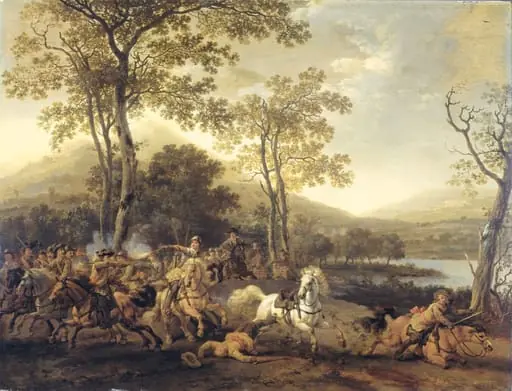
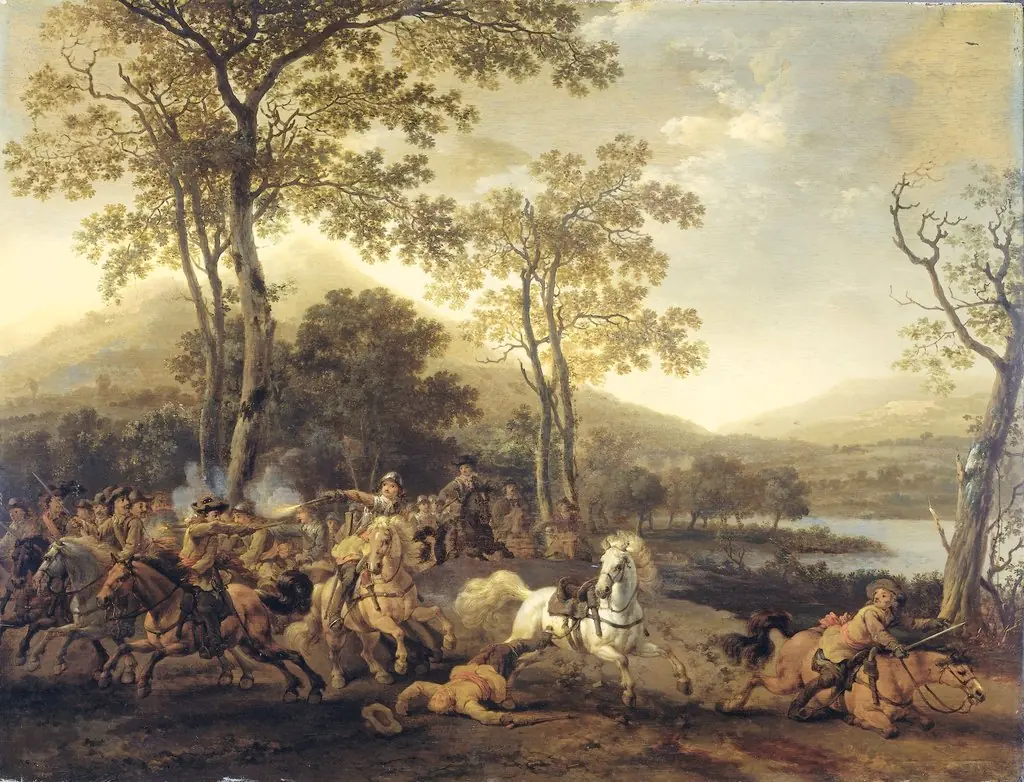
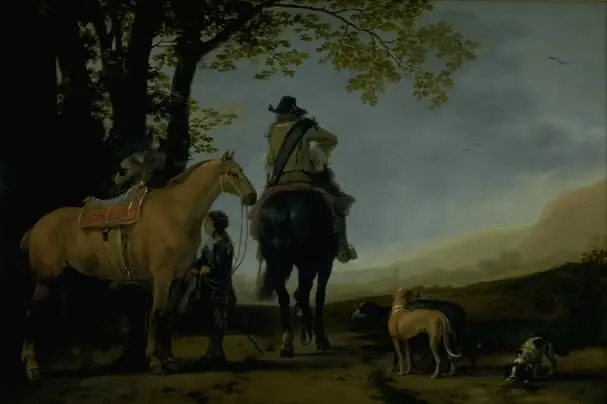
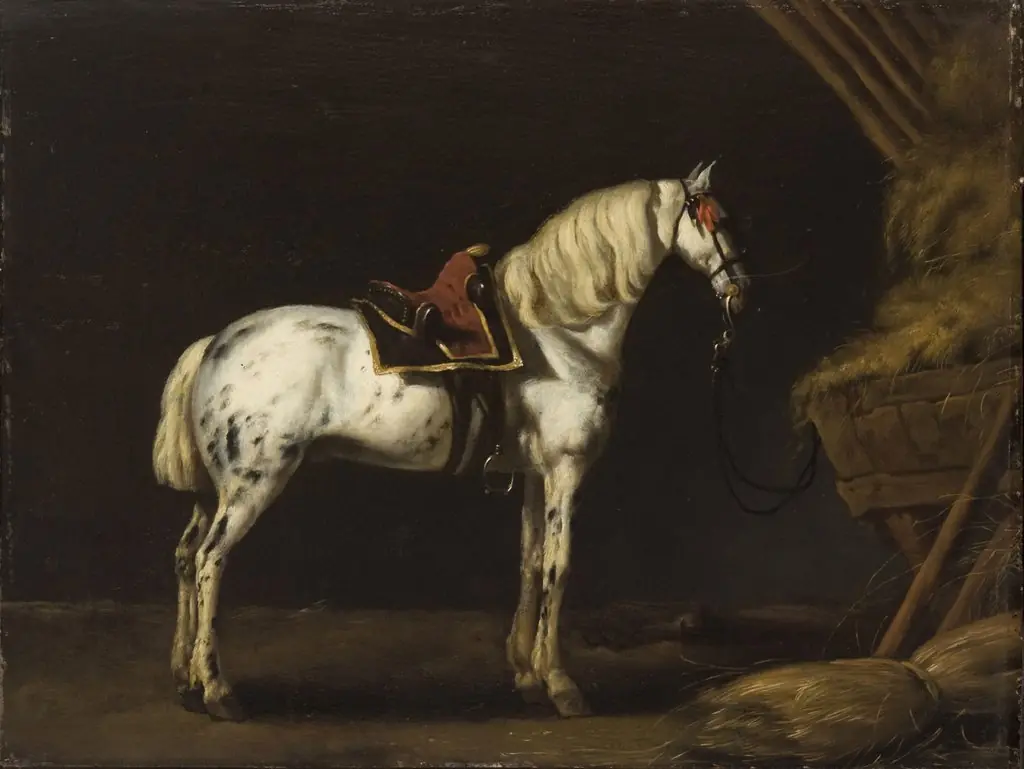
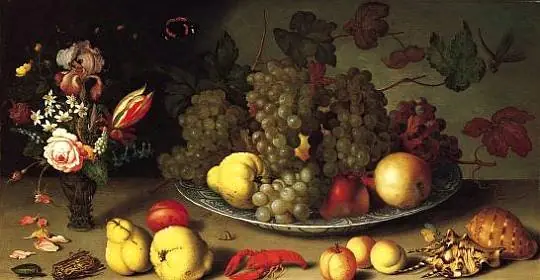 Still Life with Fruits and Flowers
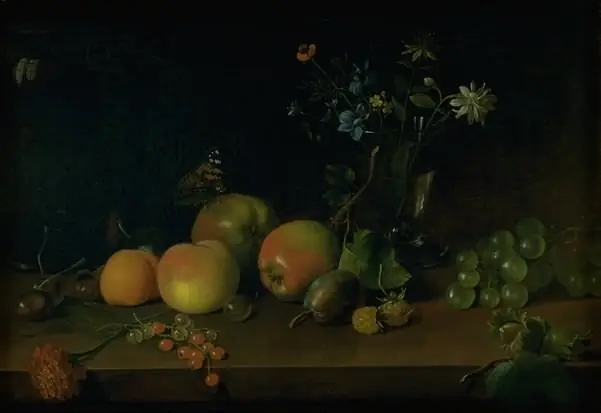 Flowers and Fruit on a Table
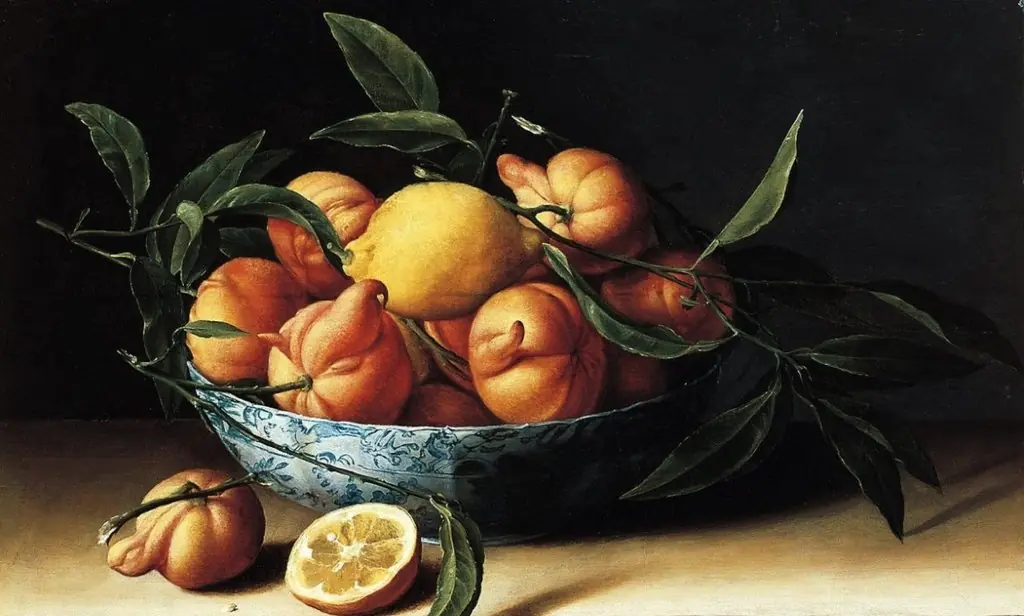 Still Life with Bowl of Curacao Oranges
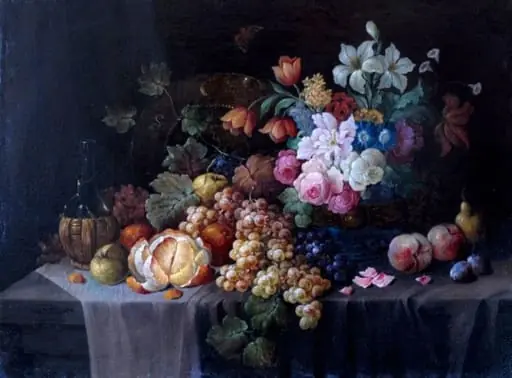 Natură statică
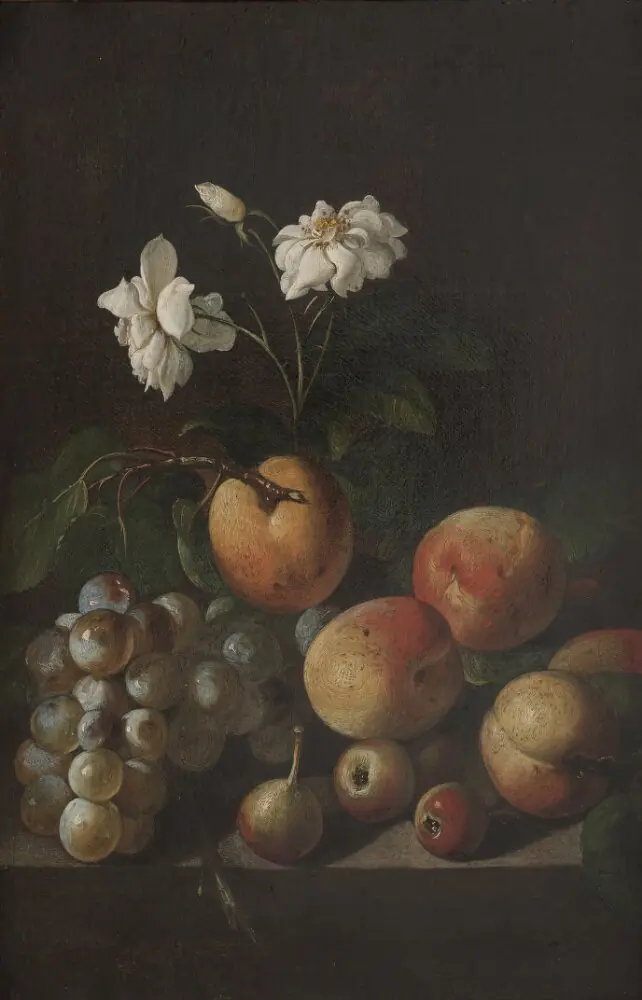 Still Life with Fruit and White Roses
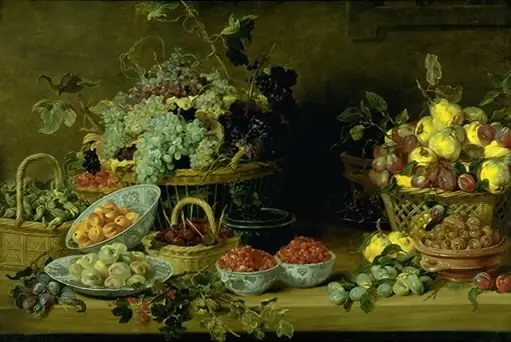 Still Life with Fruit on a Table
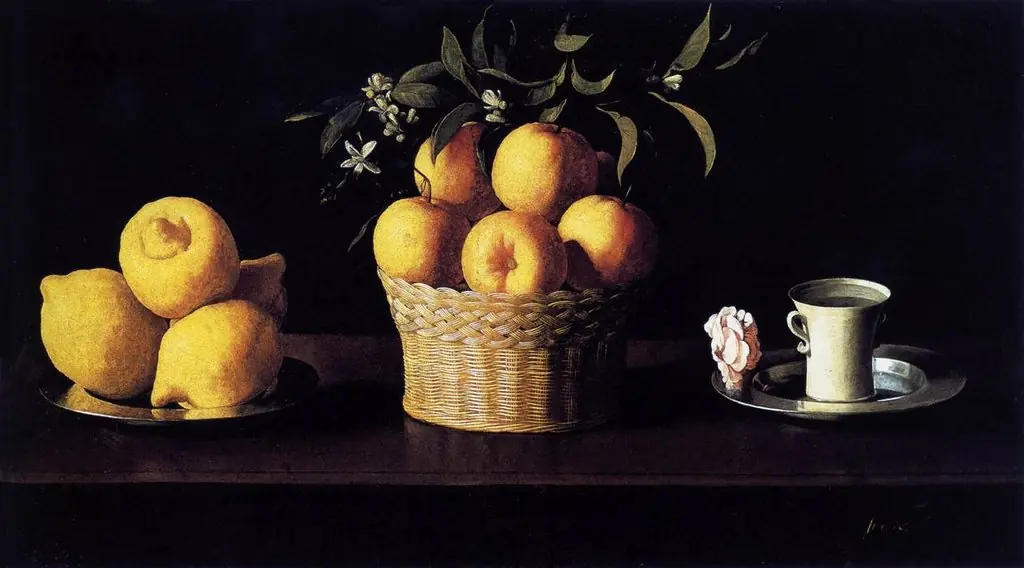 Still Life with Lemons, Oranges and a Rose
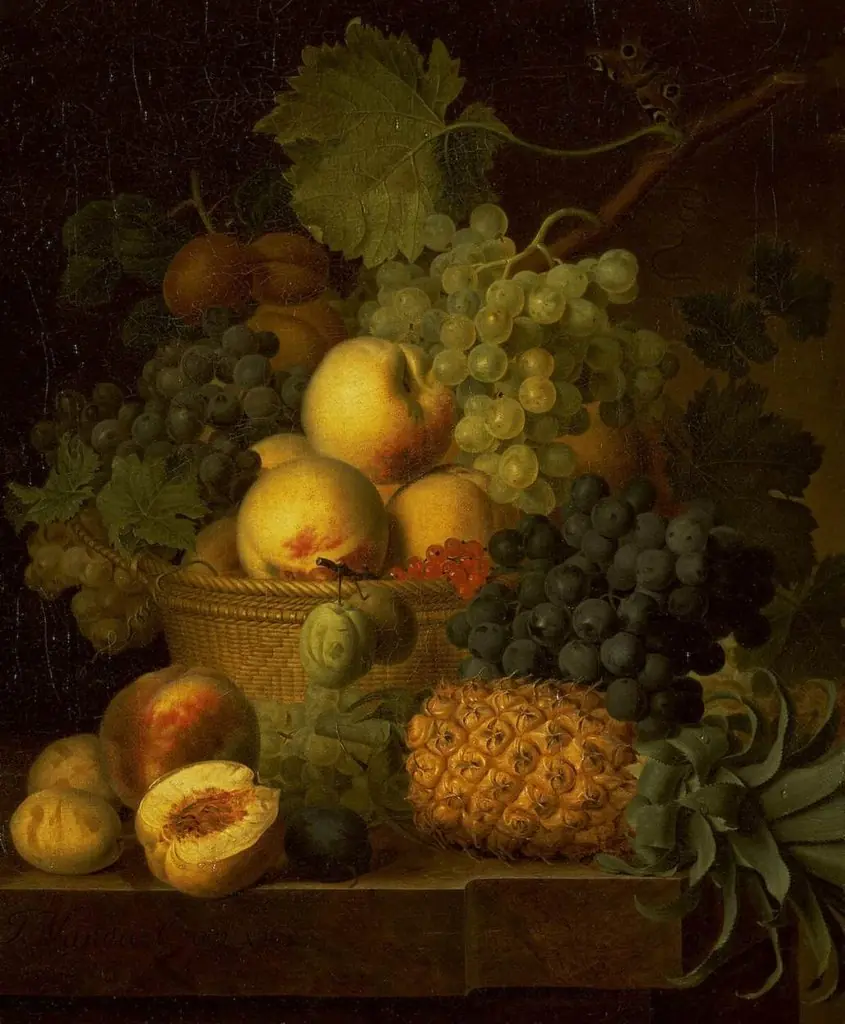 Basket of Fruit
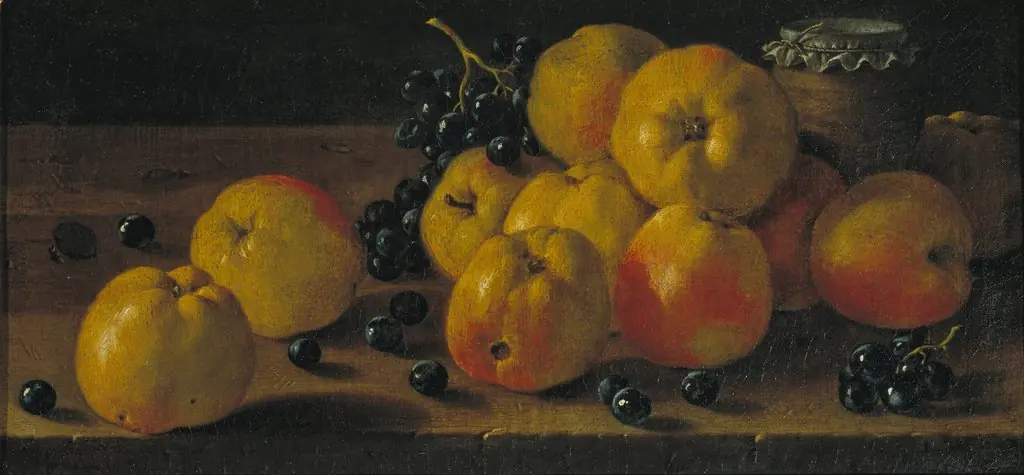 Still Life with Apples, Grapes and a Pot of Jam
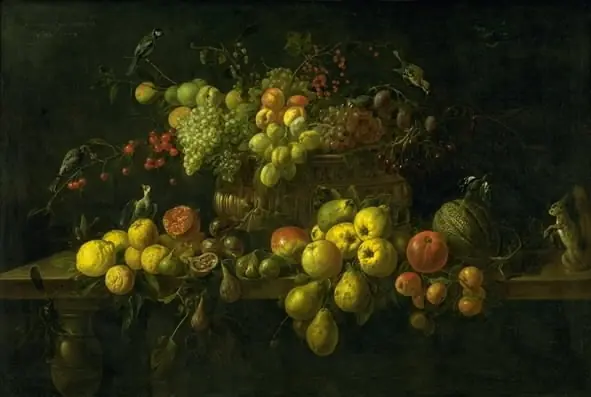 Still Life with Fruit on a Table
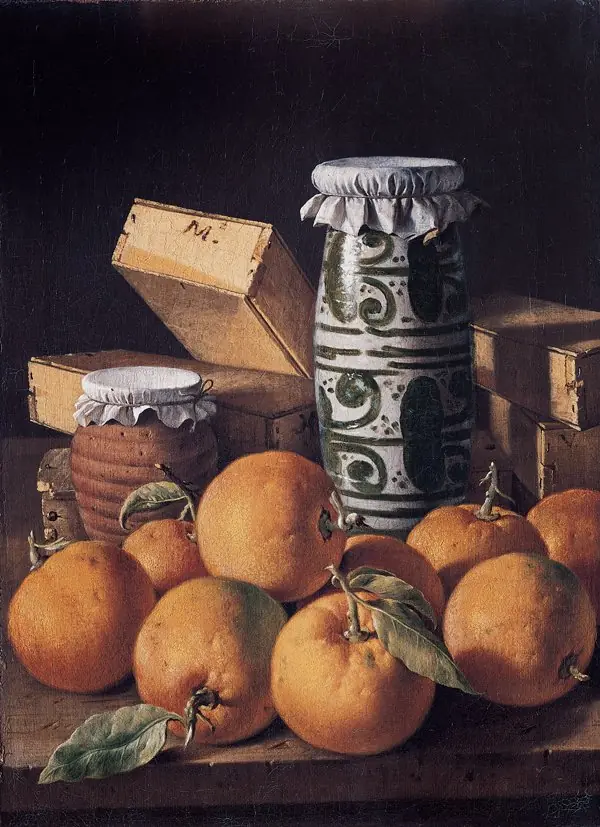 Still Life with Oranges, Manises vase, honey pottery jar and Boxes of Sweets
 Basket with Peaches and Plums