Artwork
Diana und Aktäon
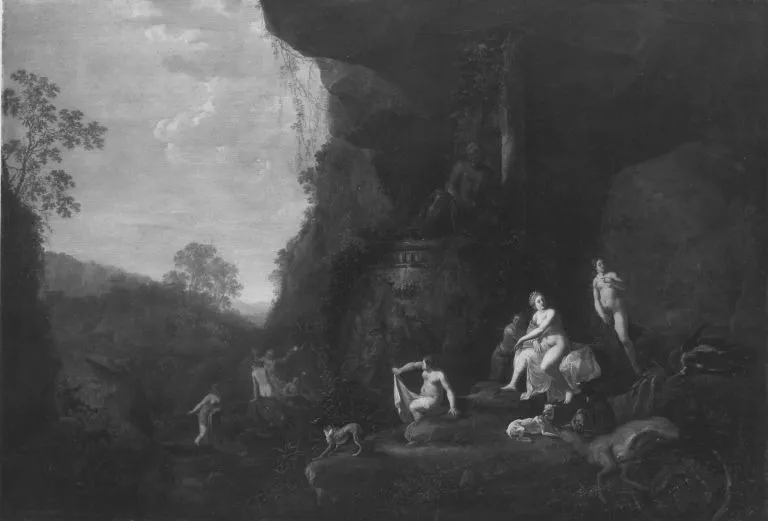
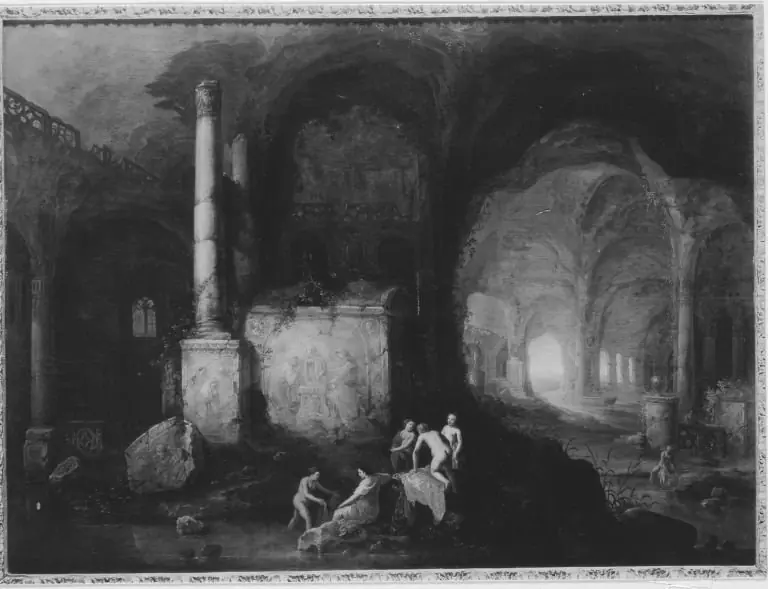
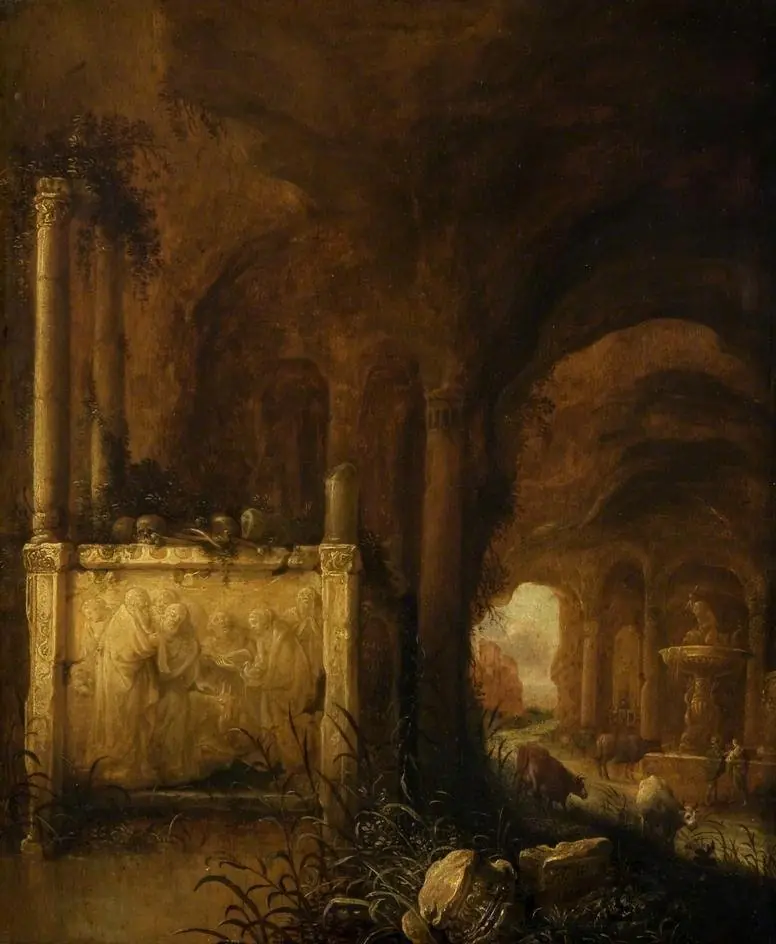
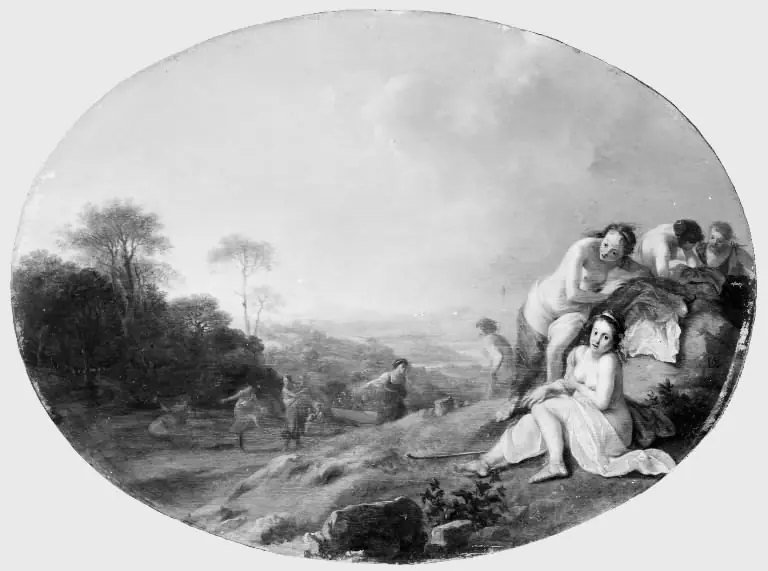
Diana und Aktäon is an unspecified painting by the Dutch Golden Age artist Abraham van Cuylenborch. It dates from 1647 and is held in the collection of the Bavarian State Painting Collections.
About this work
Overview
Abraham van Cuylenborch, a Utrecht‑born painter active in the mid‑17th century, completed the canvas titled *Diana und Aktäon* in 1647. Executed during the height of the Dutch Golden Age, the work presents a mythological tableau set within a rugged, forested landscape.
Subject & Meaning
The composition draws on the classical story of the huntress Diana and the hunter Actaeon, portraying the figures in a secluded, grotto‑like setting. Nude or minimally clothed bodies gather around a small temple structure, while a dog and a goat add narrative detail, suggesting the tension between the divine and the mortal.
Technique & Style
Cuylenborch employs a chiaroscuro scheme that illuminates the figures against a darker, craggy backdrop, creating a clear visual separation between flesh and stone. The treatment of light and shadow, together with the idealised landscape, reflects the influence of Cornelis van Poelenburgh’s grotto scenes, a hallmark of the artist’s oeuvre.
History & Provenance
Since its creation, the painting has entered the collection of Munich’s Alte Pinakothek, where it remains on public display. Its acquisition history is not extensively documented, but the work has been recognized as part of the museum’s holdings of Dutch Golden Age art.
Context
In the 1640s, Dutch painters frequently turned to classical mythology to explore themes of virtue, transgression, and the natural world. Cuylenborch’s choice of a secluded, rocky environment aligns with contemporary tastes for idealised, pastoral settings that serve as stages for mythic narratives.
Artist & collection
Artist
Abraham van Cuylenborch or Cuylenberg; Cuylenburgh (1620 – 1658) was a Dutch Golden Age landscape painter.

 Landscape with Venus and Adonis
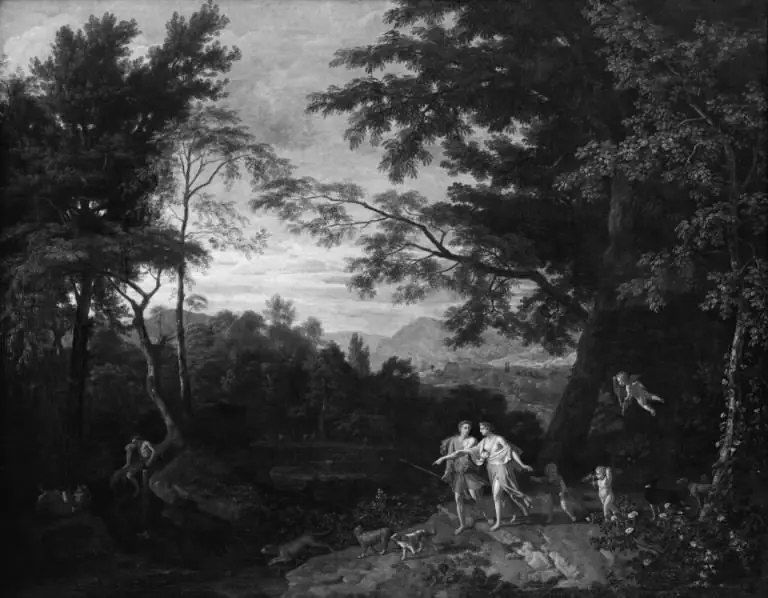 Landscape with Venus and Adonis
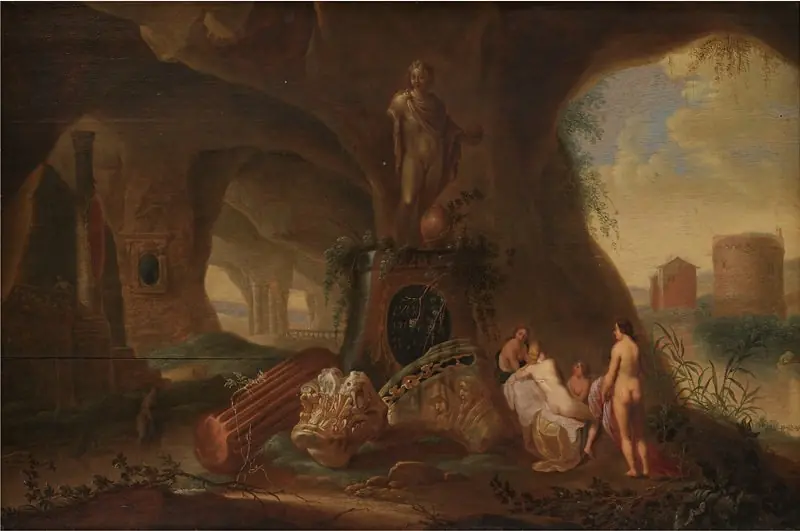
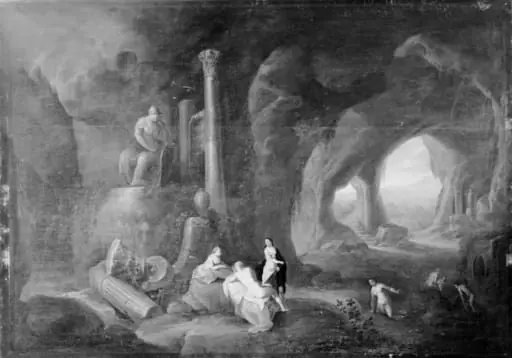 Seven Nymphs in a Grotto
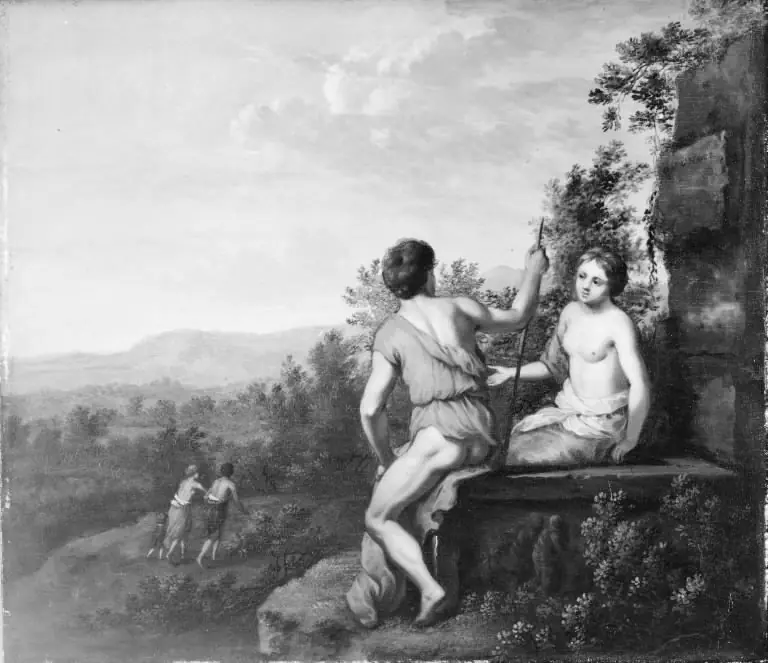 Landscape with Shepherd and Shepherdess
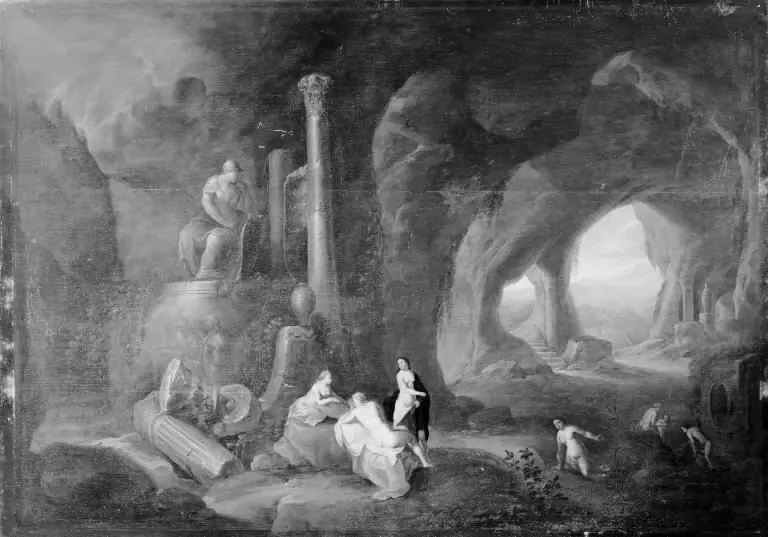 Seven Nymphs in a Grotto
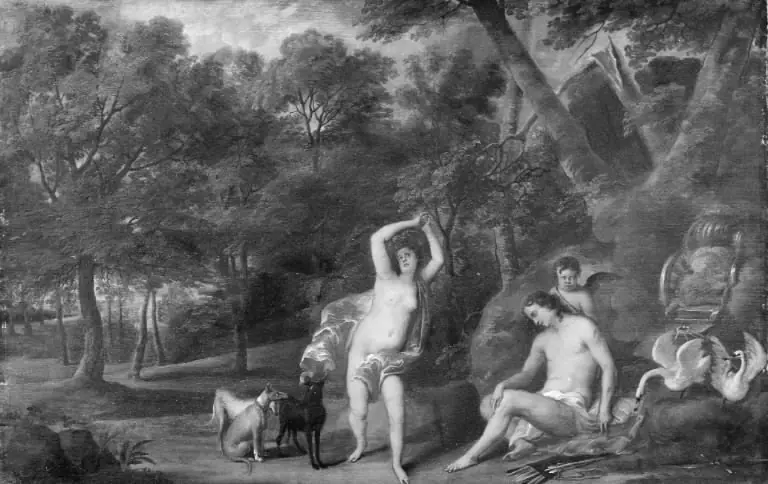 Venus Bewailing the Slain Adonis
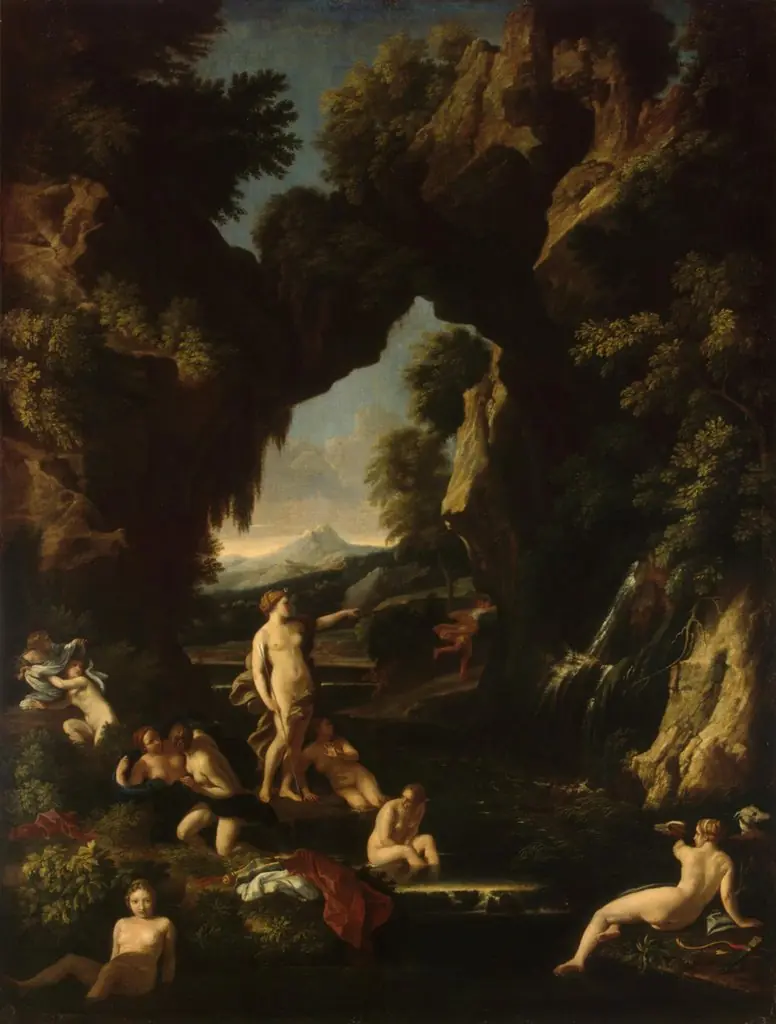 Landscape with Diana and Actaeon
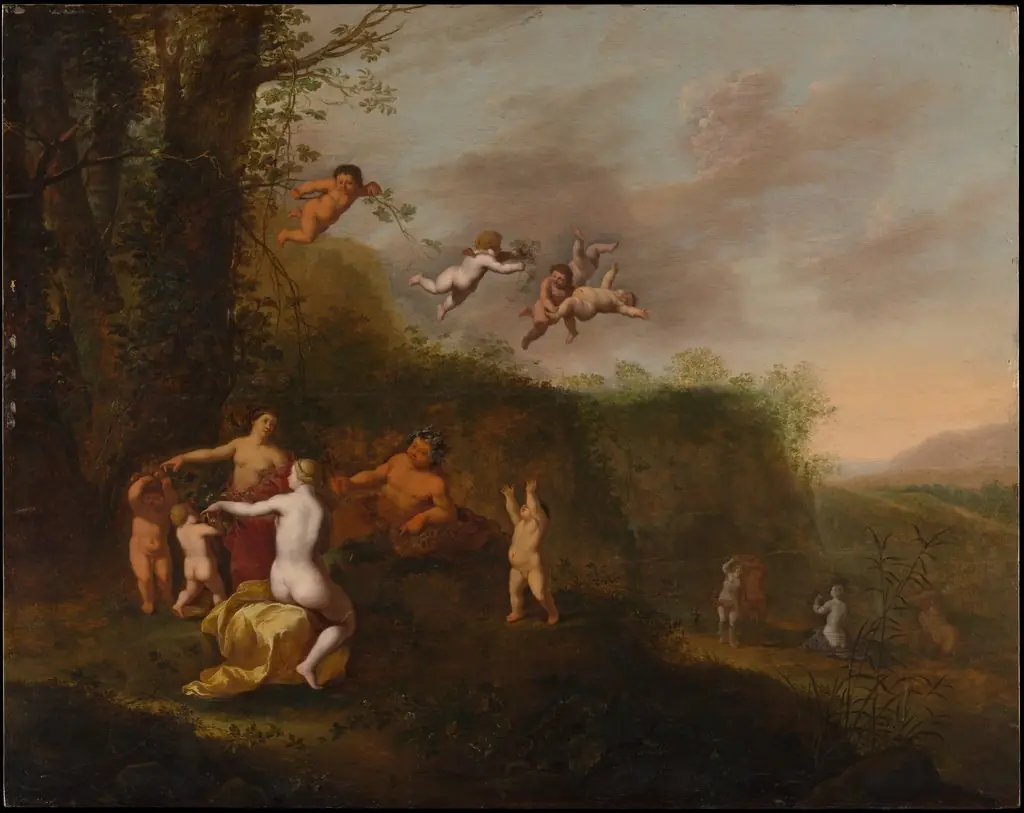
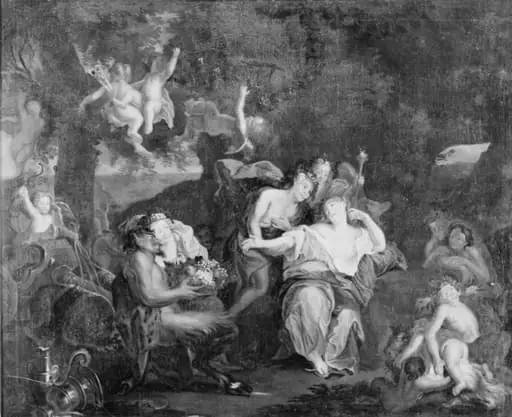 Bacchus og Ariadne sidder sammen i et landskab omgivne af amoriner, bacchantinder og satyrer
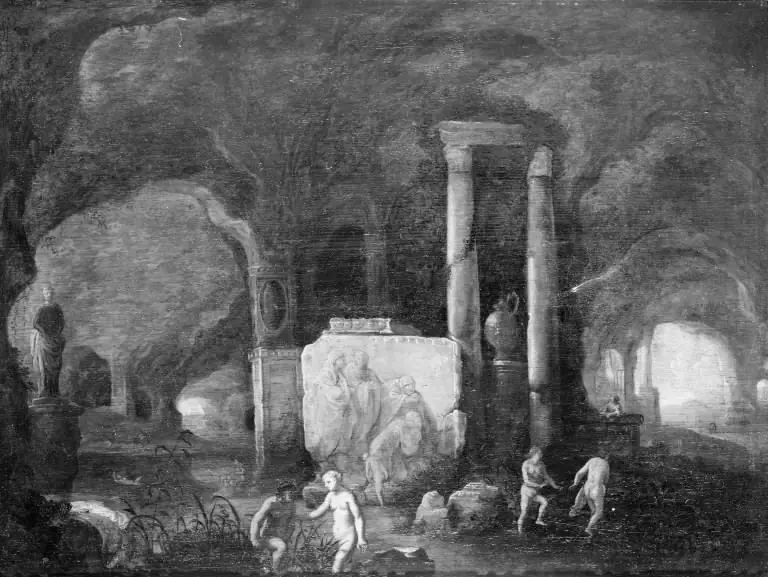
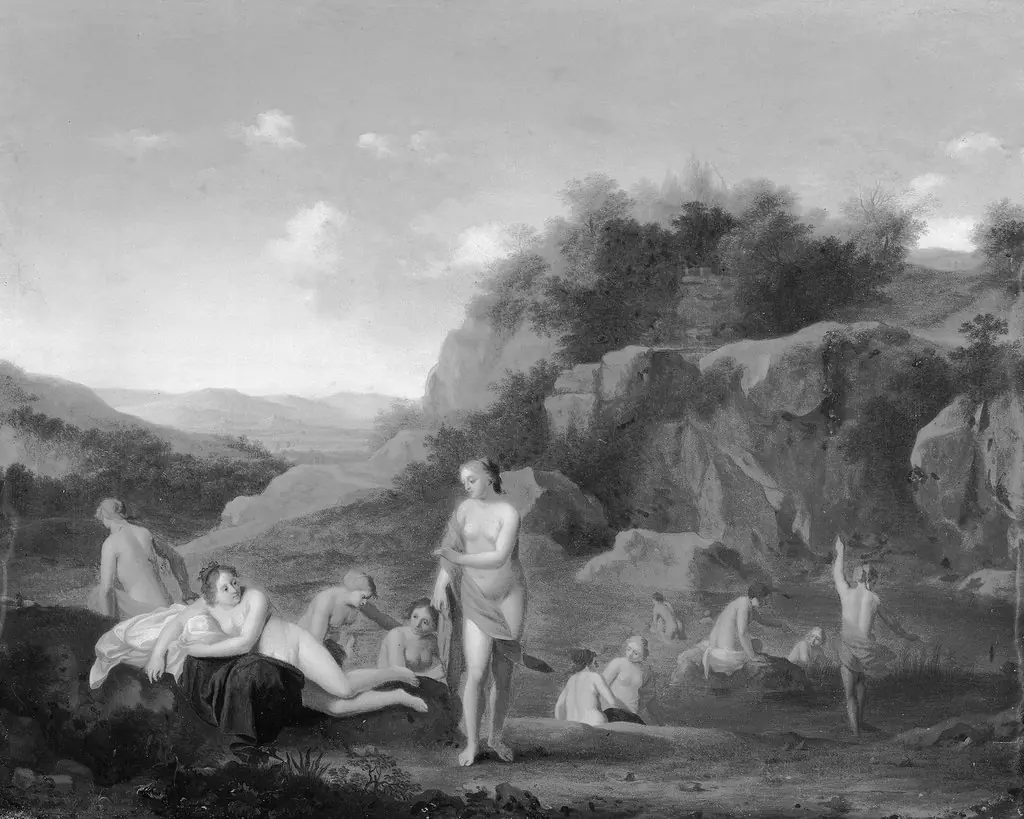 Nymphs Bathing
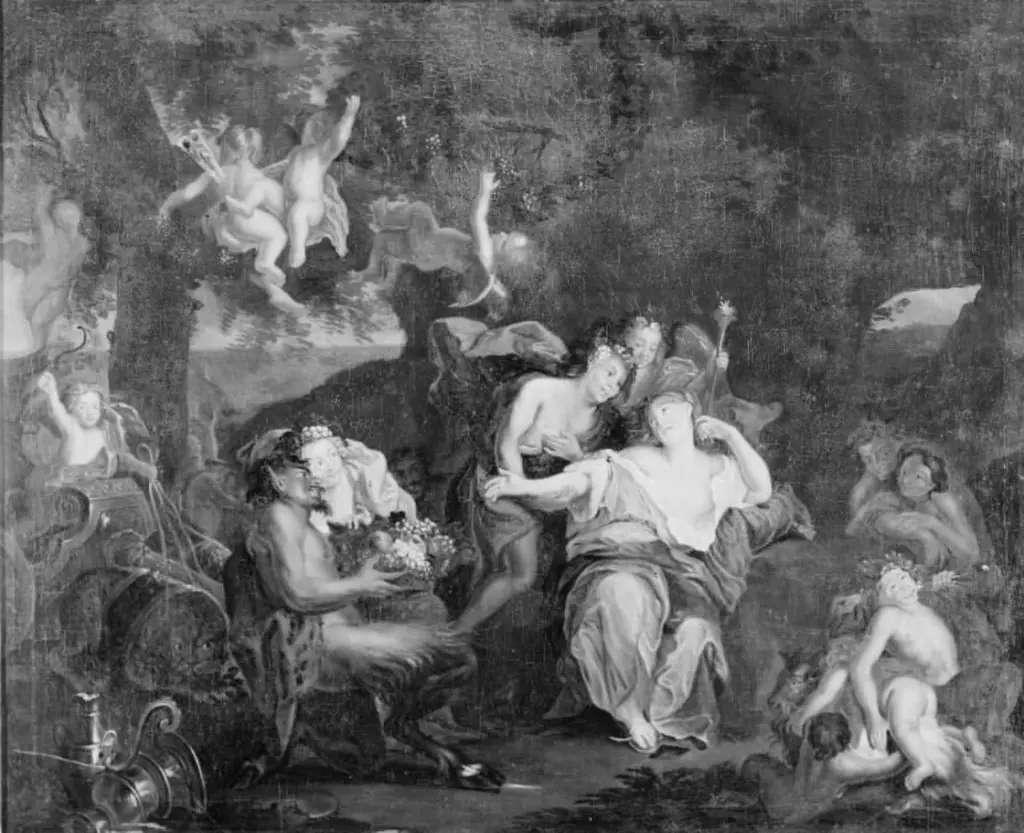 Bacchus og Ariadne sidder sammen i et landskab omgivne af amoriner, bacchantinder og satyrer
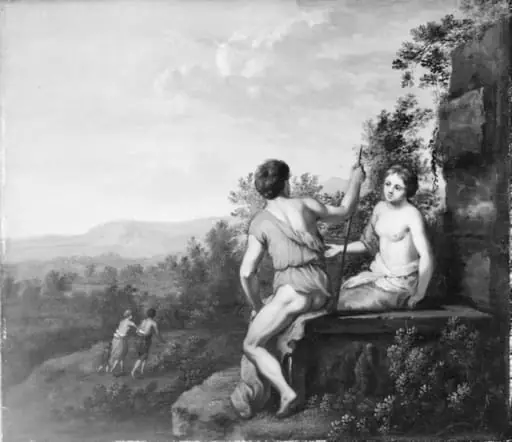 Landscape with Shepherd and Shepherdess
 Nymphs in a Landscape