Artwork
Cebando mate
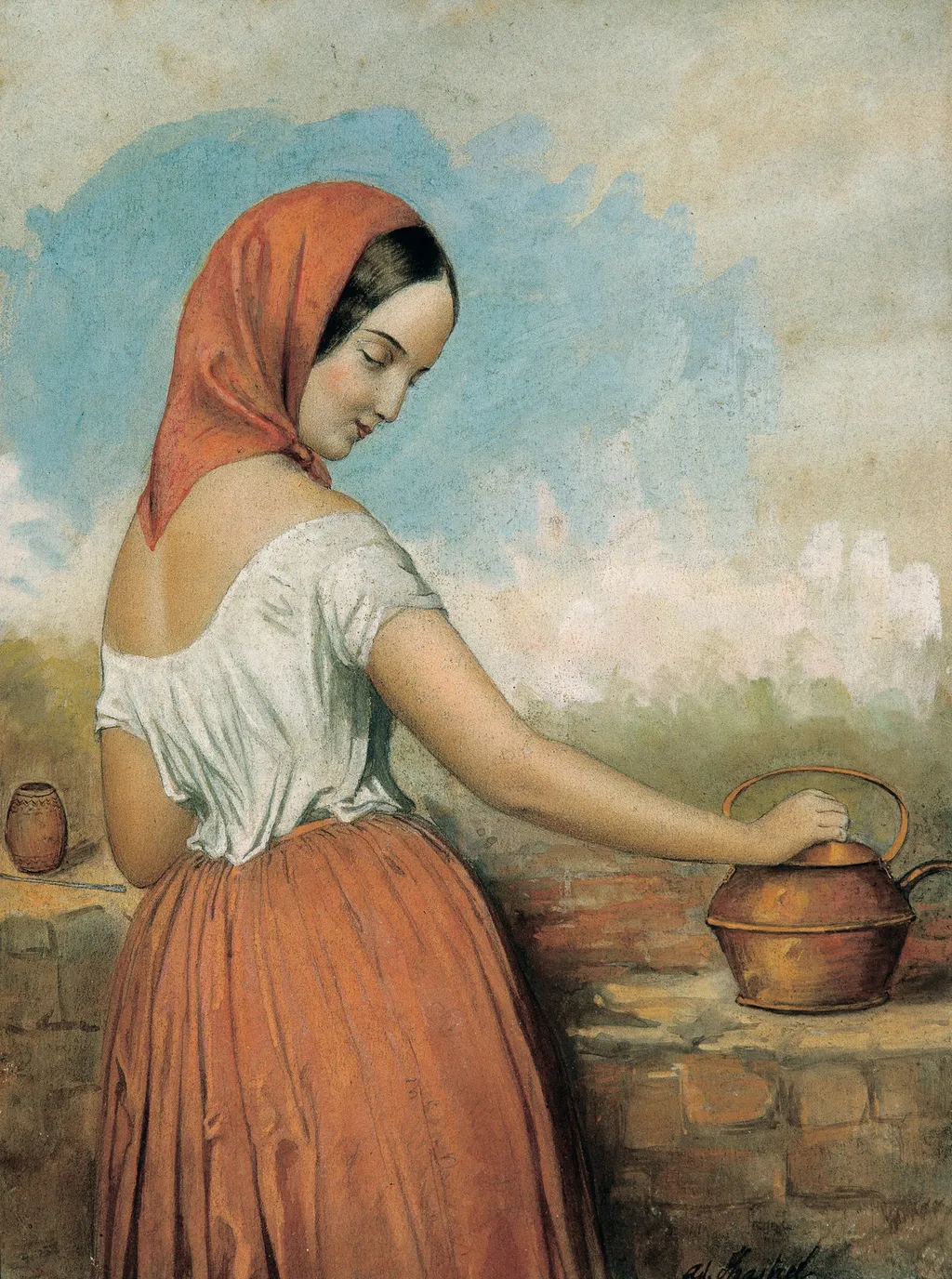
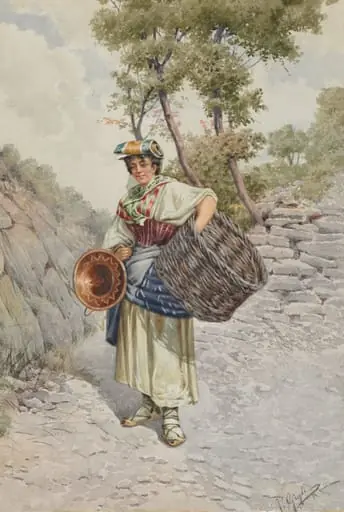
Cebando mate is an unspecified painting by Adolphe Hastrel de Rivedoux. It dates from 1849 and is held in the collection of the National Museum of Fine Arts, Argentina.
About this work
Overview
Though trained in military service, he devoted considerable attention to documenting everyday life in the regions he visited.
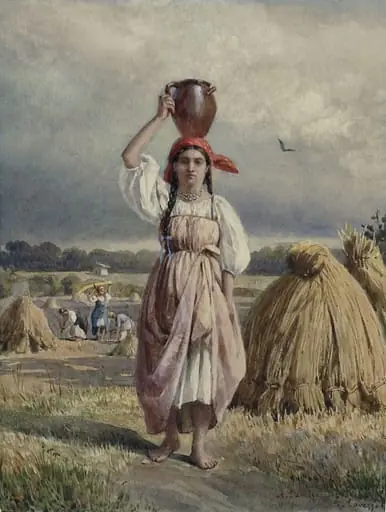
Adolphe d'Hastrel, a French naval officer and amateur artist, painted *Cebando mate* circa 1849 during one of his travels. Though trained in military service, he devoted considerable attention to documenting everyday life in the regions he visited. This watercolor, now held by the National Museum of Fine Arts in Buenos Aires, captures a quiet domestic moment, reflecting his broader interest in ethnographic observation through landscape and figure studies.
Subject & Meaning
The painting portrays a woman preparing mate, a traditional South American beverage, in a modest outdoor setting. Her posture and the clay vessel suggest a routine act of hospitality or self-care. The absence of narrative drama emphasizes the dignity of daily labor. Her attire—white blouse, orange skirt, and headscarf—hints at regional dress, possibly from the Río de la Plata region, where d'Hastrel encountered such scenes during his time in the Americas.
Technique & Style
D'Hastrel employed watercolor with restrained brushwork, favoring soft transitions and muted tones to evoke atmosphere. Warm ochres and earthy reds dominate the palette, harmonizing with the brick wall and the woman’s clothing. Light falls gently across the figure, modeling form without harsh contrast. His technique reflects the influence of topographical drawing, prioritizing clarity and observational accuracy over expressive flourish.
History & Provenance
Created during d'Hastrel’s service in the French navy, the painting likely originated from his time in South America, possibly during a stopover or diplomatic mission. It entered the collection of the National Museum of Fine Arts in Buenos Aires in the late 19th or early 20th century, possibly through acquisition or donation. Its presence in Argentina underscores the cultural exchange between European travelers and local customs during the colonial and post-independence eras.
Context
In the mid-19th century, European officers and artists often recorded scenes from colonial territories as part of broader imperial curiosity. D'Hastrel’s work aligns with this trend, documenting local practices without overt romanticization. The depiction of mate preparation—common among indigenous, creole, and mestizo communities—offers a rare visual record of a ritual that would later become emblematic of national identity in Argentina and Uruguay.
Legacy
Though d'Hastrel is not widely known today, *Cebando mate* remains a valuable artifact of 19th-century cross-cultural observation. It contributes to the historical record of everyday life in the Río de la Plata region and exemplifies how foreign artists contributed to the visual anthropology of the Americas. The painting continues to be studied for its subtle documentation of social customs and material culture.
Own this work as a print
Artist & collection
Artist
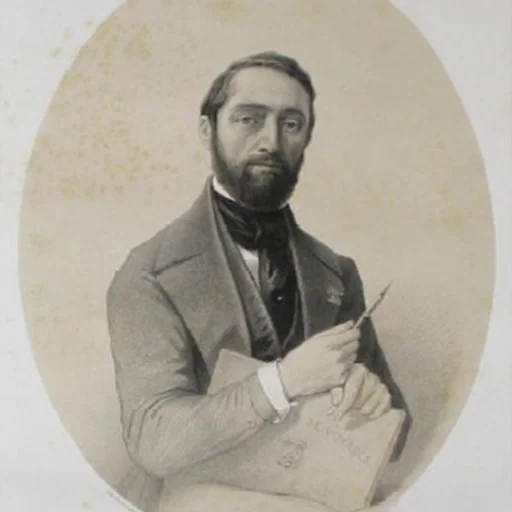
Adolphe Hastrel de Rivedoux (1804–1875), better known as Adolphe d'Hastrel, was a 19th-century engraver and painter, watercolourist, lithographer and former artillery captain in the navy.

Museum
National Museum of Fine Arts, Argentina
Continue through works from the same source collection.