Artwork
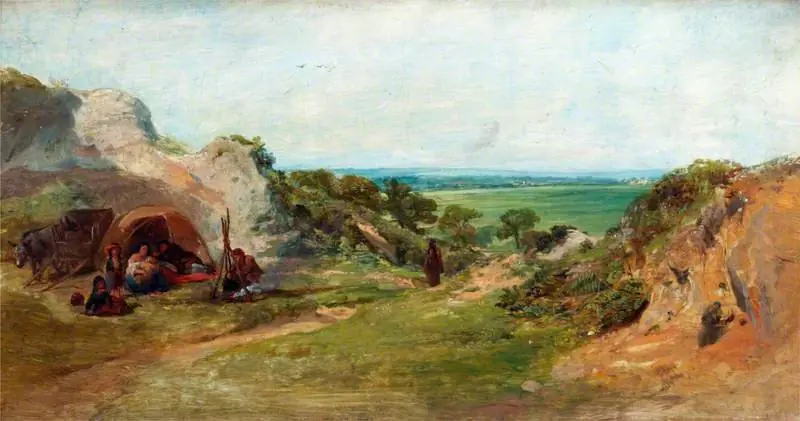
A Gypsy Encampment
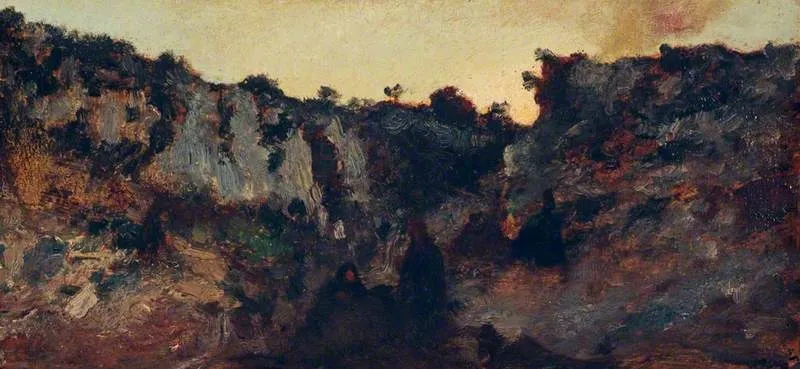
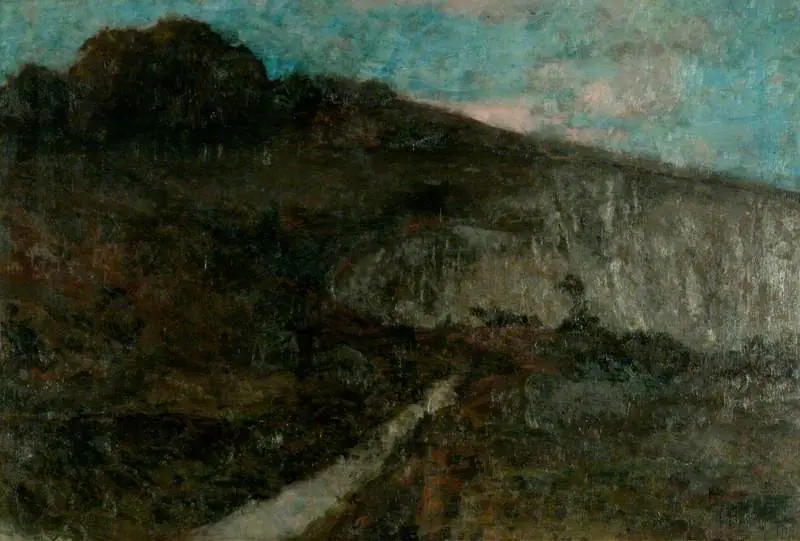
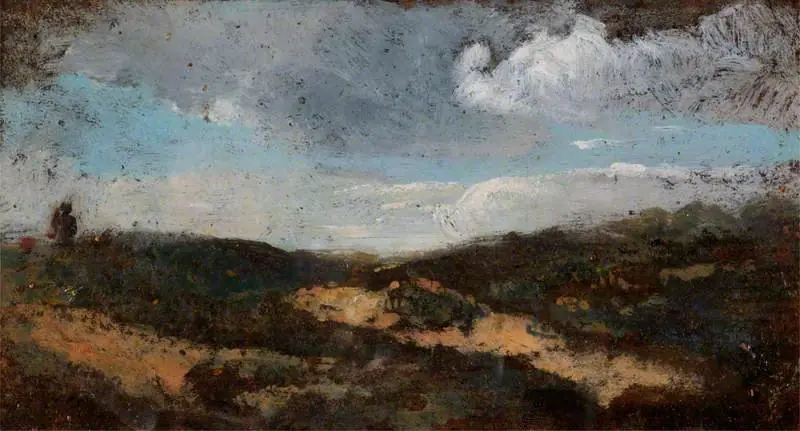
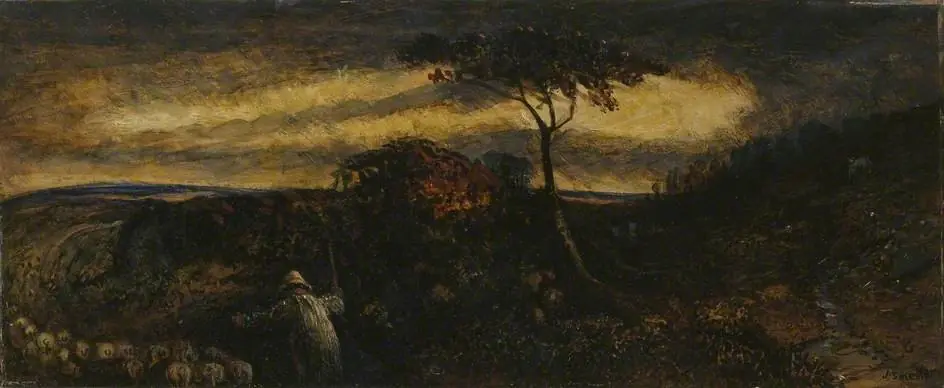
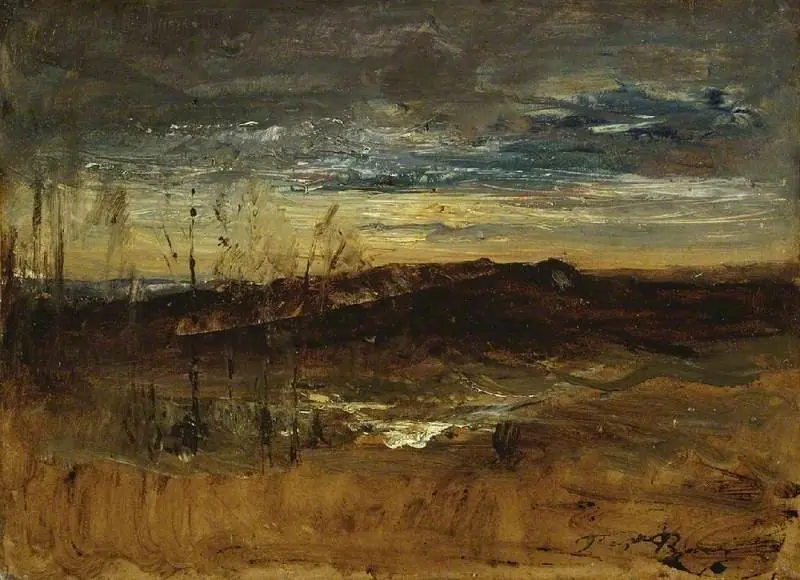
A Gypsy Encampment is an oil painting by the French Romanticist artist Adolphe Joseph Thomas Monticelli. It dates from 1870 and is held in the collection of the National Galleries Scotland.
About this work
Overview
It resides today in the Scottish National Gallery, where it stands as a testament to Monticelli’s distinctive approach to light and texture.
Painted in 1870 by French artist Adolphe Monticelli, *A Gypsy Encampment* is an oil-on-canvas work that captures a quiet moment among a group of itinerant people. Executed during a period of artistic transition in France, the piece bridges Romantic sensibilities with emerging expressive brushwork. It resides today in the Scottish National Gallery, where it stands as a testament to Monticelli’s distinctive approach to light and texture.
Subject & Meaning
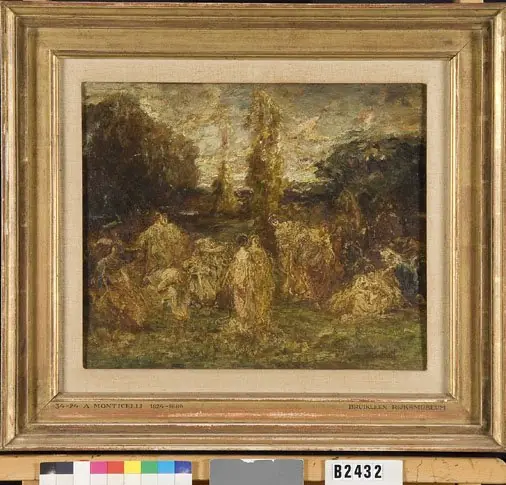
The scene portrays a small encampment at dusk, with figures gathered around a fire in a wooded clearing. Dressed in dark, simple garments, they sit or stand in quiet communion—some likely sharing food or stories. The subject reflects 19th-century European fascination with nomadic life, not as spectacle but as a moment of human intimacy. The painting avoids sentimentality, instead offering a subdued, almost reverent observation of communal warmth.
Technique & Style
Monticelli applied oil paint with thick, visible strokes, building texture rather than smooth detail. His brushwork is loose yet deliberate, emphasizing light’s glow against the dark forest. Warm tones of amber and ochre in the sky and fire contrast with the deep greens and browns of the trees, creating a sense of enclosure. The technique prioritizes mood over precision, anticipating later Post-Impressionist approaches to paint as emotional carrier.
History & Provenance
Created in 1870, the painting remained in private hands until entering the Scottish National Gallery’s collection. Monticelli, largely overlooked during his lifetime, gained posthumous recognition for his bold handling of paint. The work’s acquisition by the gallery in the 20th century helped cement his place in the narrative of French painting’s evolution beyond academic traditions.
Context
In the late 19th century, French artists increasingly turned to rural and marginalized subjects, drawn by Romantic ideals and ethnographic curiosity. While Monticelli was not aligned with Impressionist circles, his focus on transient light and informal gatherings placed him in dialogue with broader shifts in subject matter. His treatment of the encampment avoids exoticism, grounding the scene in quiet realism rather than theatricality.
Legacy
Though not widely known in his time, Monticelli’s expressive technique influenced later artists such as Van Gogh, who admired his boldness. *A Gypsy Encampment* exemplifies his ability to convey atmosphere through texture and color rather than narrative detail. Today, the painting is valued for its emotional resonance and its role as a precursor to modern approaches to paint and perception.
Artist & collection
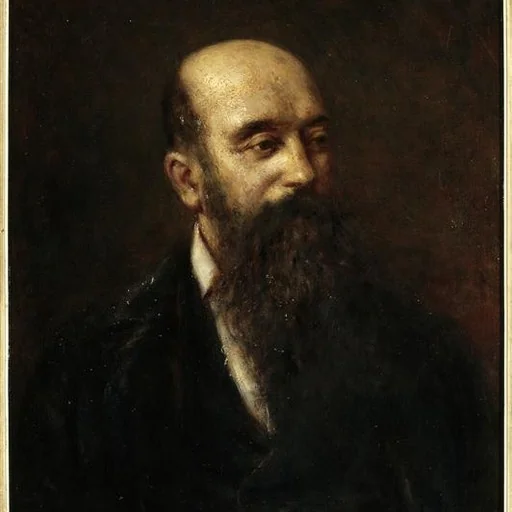
Artist
Adolphe Joseph Thomas Monticelli
Adolphe Joseph Thomas Monticelli (October 14, 1824 – June 29, 1886) was a French painter of the generation preceding the Impressionists.