Artwork
Hampstead Heath
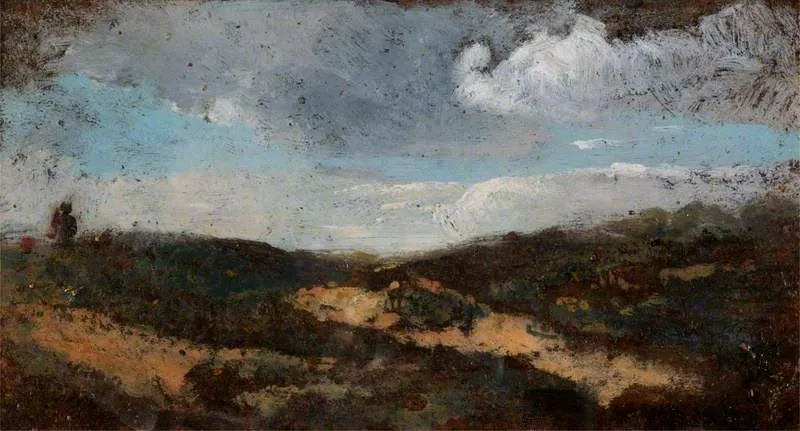
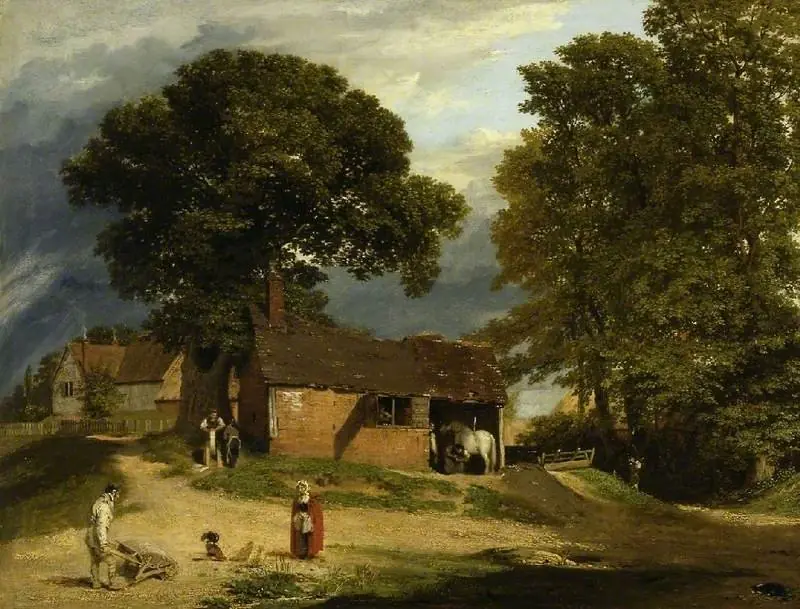
Hampstead Heath is an unspecified painting by William Mulready. It dates from 1806 and is held in the collection of the Victoria and Albert Museum.
About this work
Overview
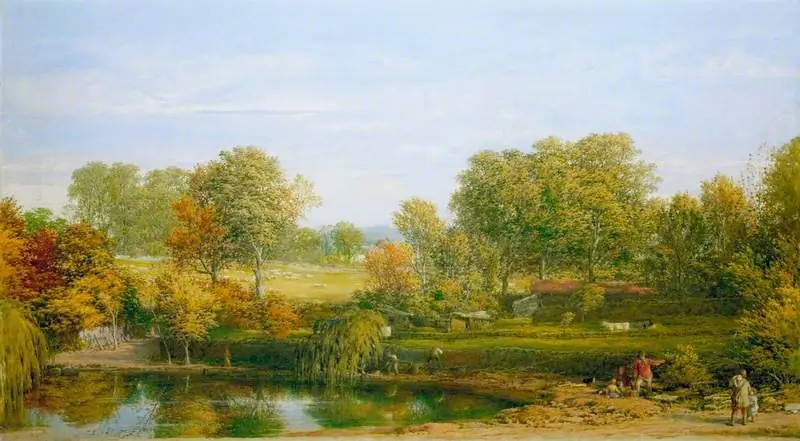
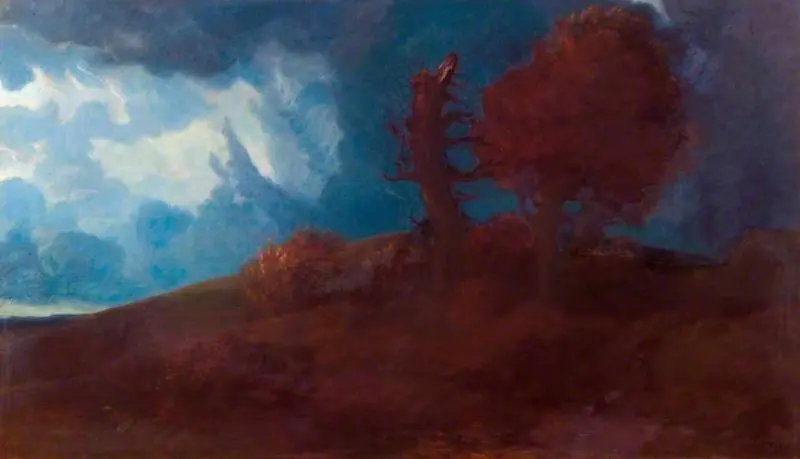
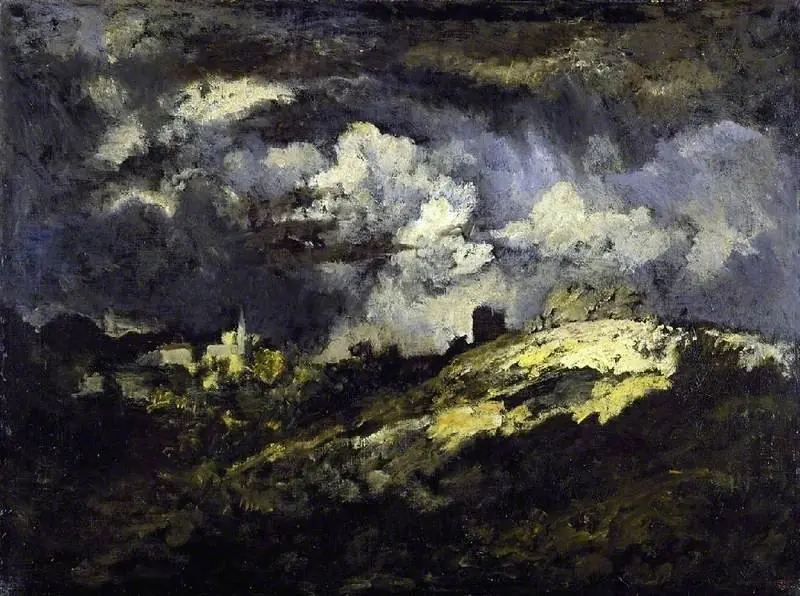
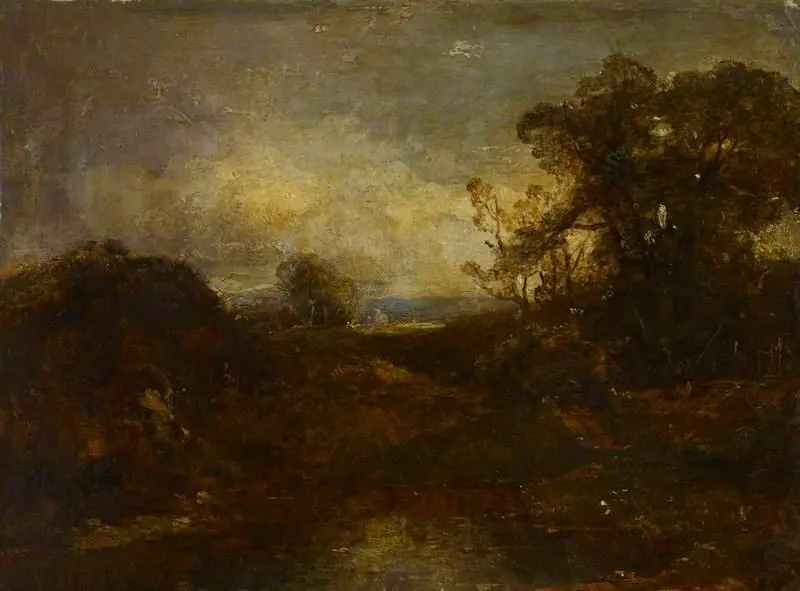
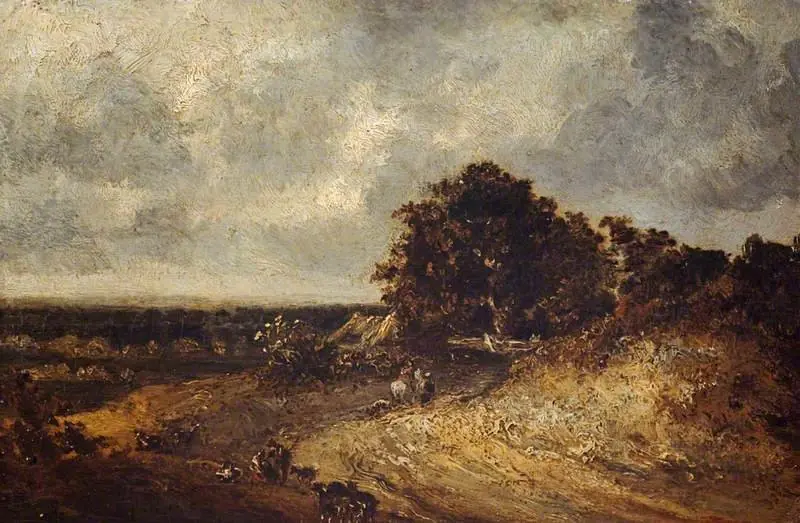
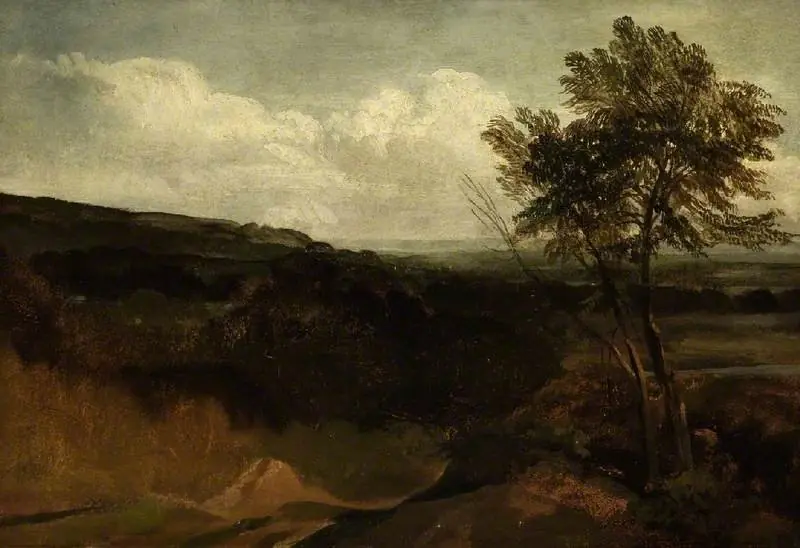
William Mulready’s 1806 oil painting titled *Hampstead Heath* portrays a gently rolling countryside scene. The composition leads the eye from a dark‑green, foliage‑laden hill in the foreground toward a sky of pale blue brushed with scattered white clouds, beyond which further hills and trees recede into the distance. The work is part of the Victoria and Albert Museum’s collection.
Subject & Meaning
The canvas captures a tranquil view of the eponymous London park, emphasizing the natural interplay of land and sky. The foreground hill, dense with verdant vegetation, anchors the scene, while the open sky and distant hills suggest a spacious, unspoiled environment, inviting contemplation of the countryside’s quiet beauty.
Technique & Style
Mulready employs a balanced palette of muted greens and soft blues, using layered brushwork to render foliage texture and cloud formation. The gradual modulation of tone creates atmospheric perspective, giving depth to the landscape. Fine detailing in the leaves and subtle shifts in the sky contribute to a realistic yet gently idealized representation.
History & Provenance
Completed in the early nineteenth century, *Hampstead Heath* entered the holdings of the Victoria and Albert Museum, where it remains on display. The painting reflects Mulready’s broader interest in landscape subjects during a period when British artists were increasingly documenting local scenery.
Artist & collection
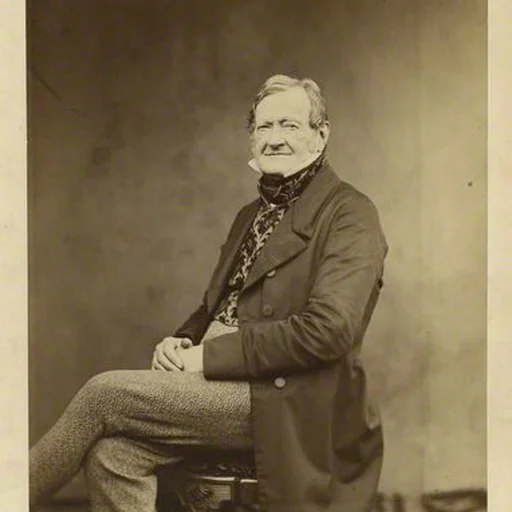
Artist
William Mulready was an Irish genre painter living in London. He is best known for his romanticising depictions of rural scenes, and for creating Mulready stationery letter sheets, issued at the same time as the Penny Black postage stamp.