Artwork
The Back Operation
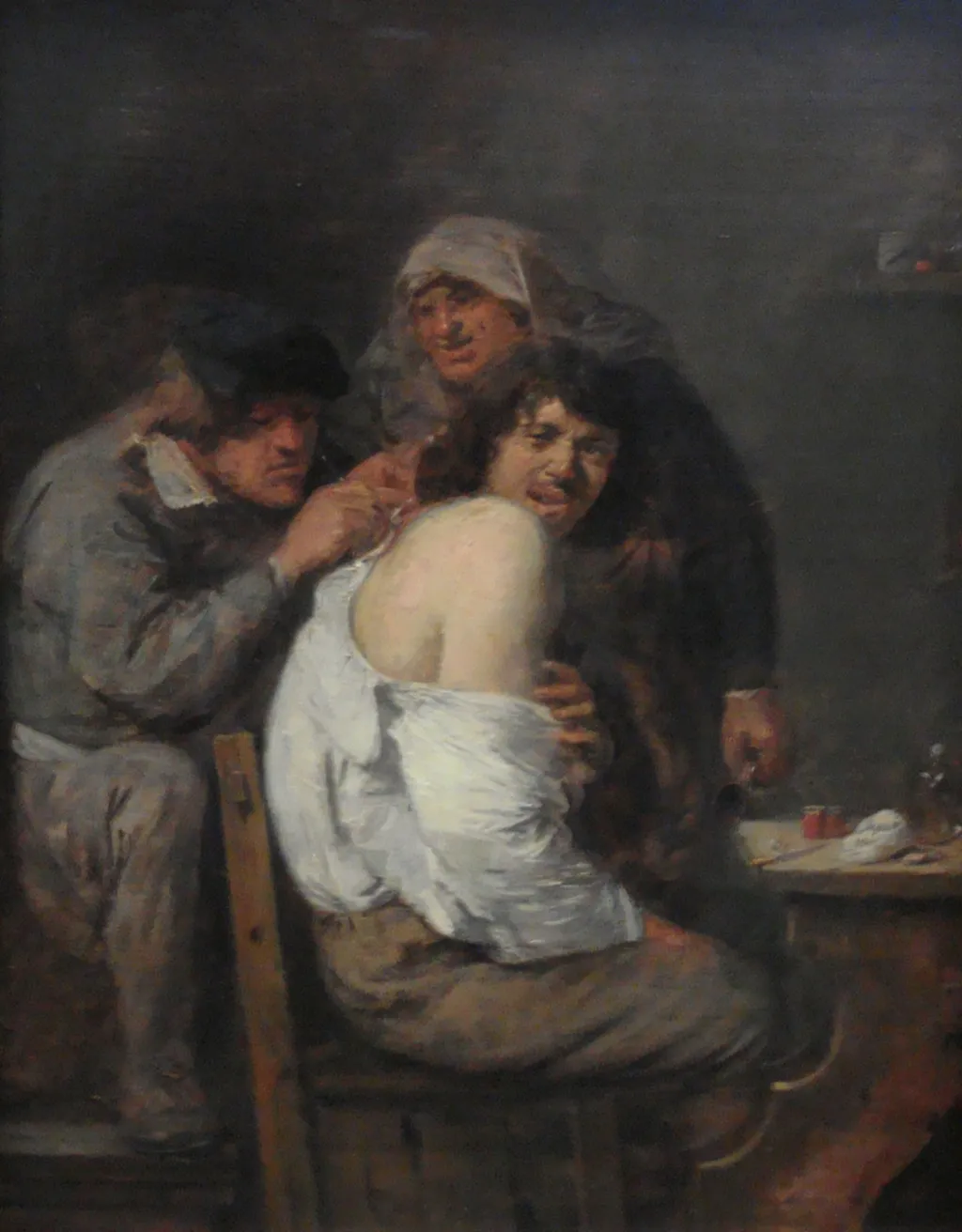
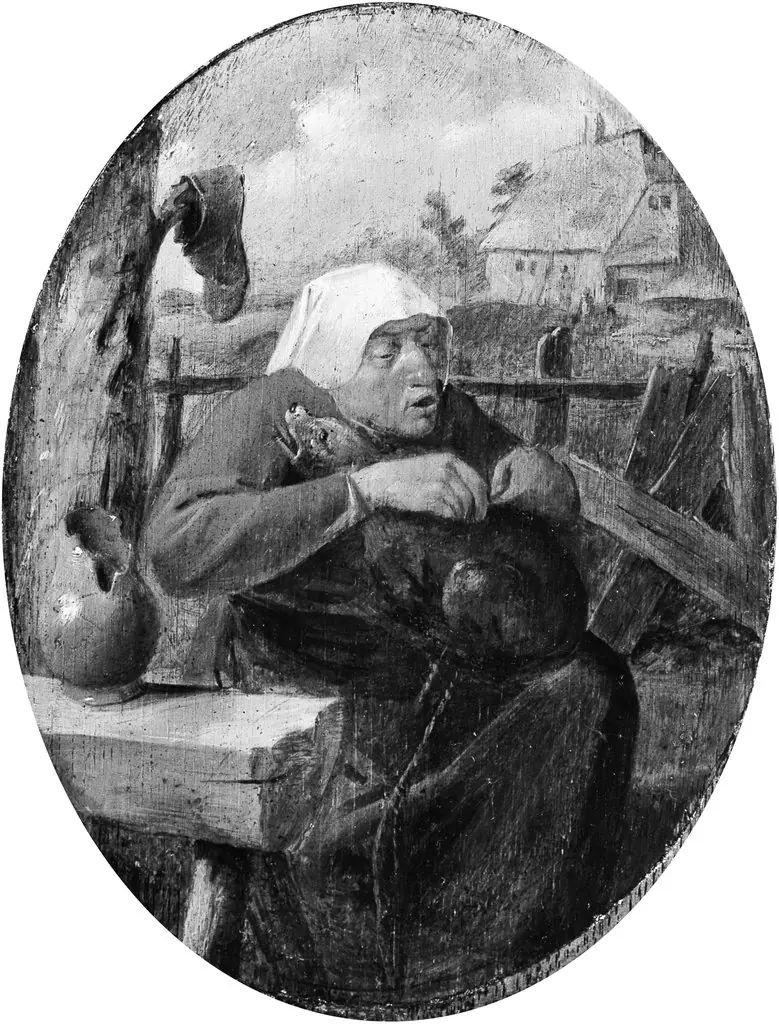
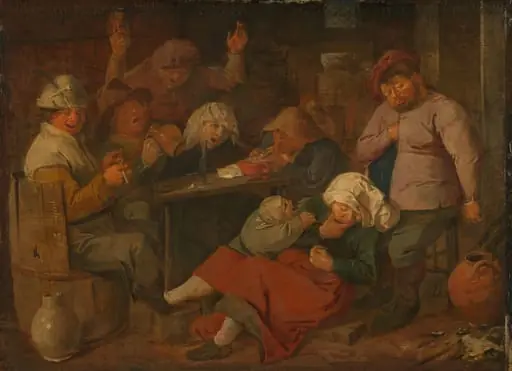
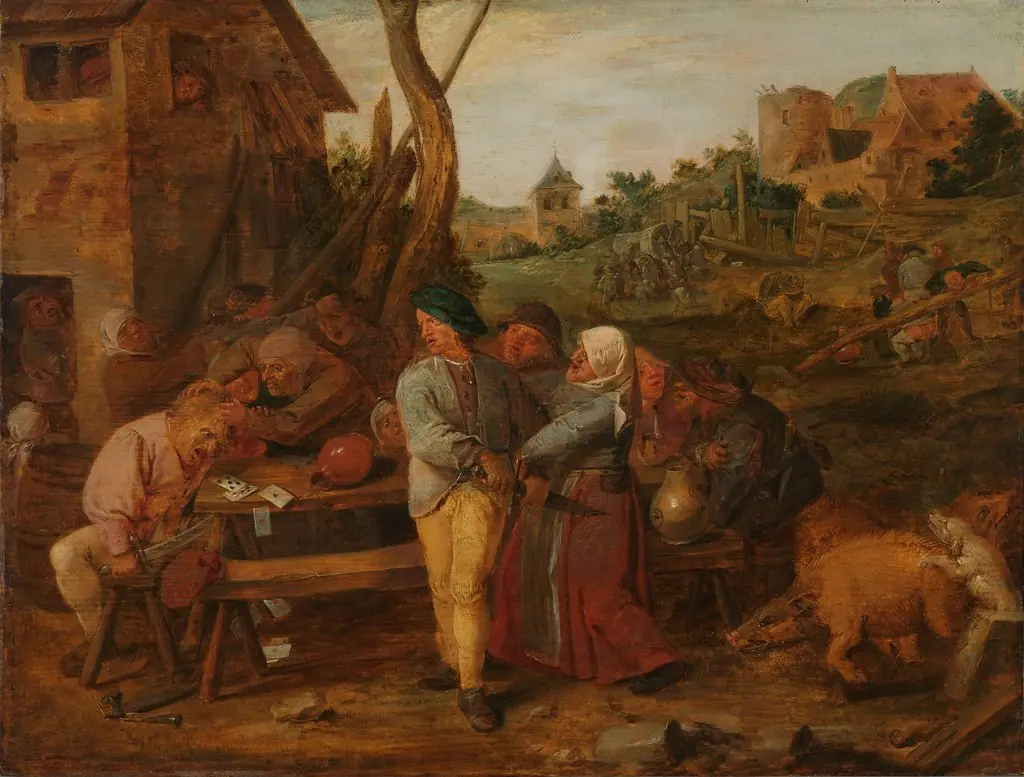
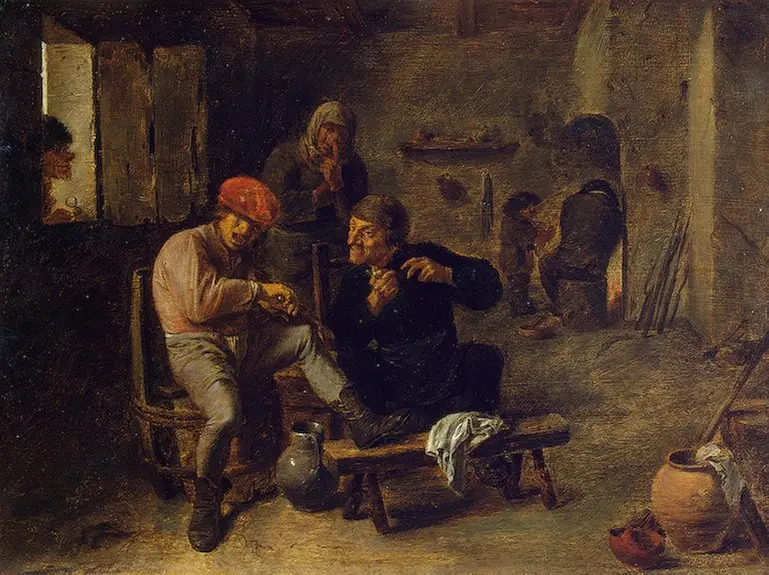
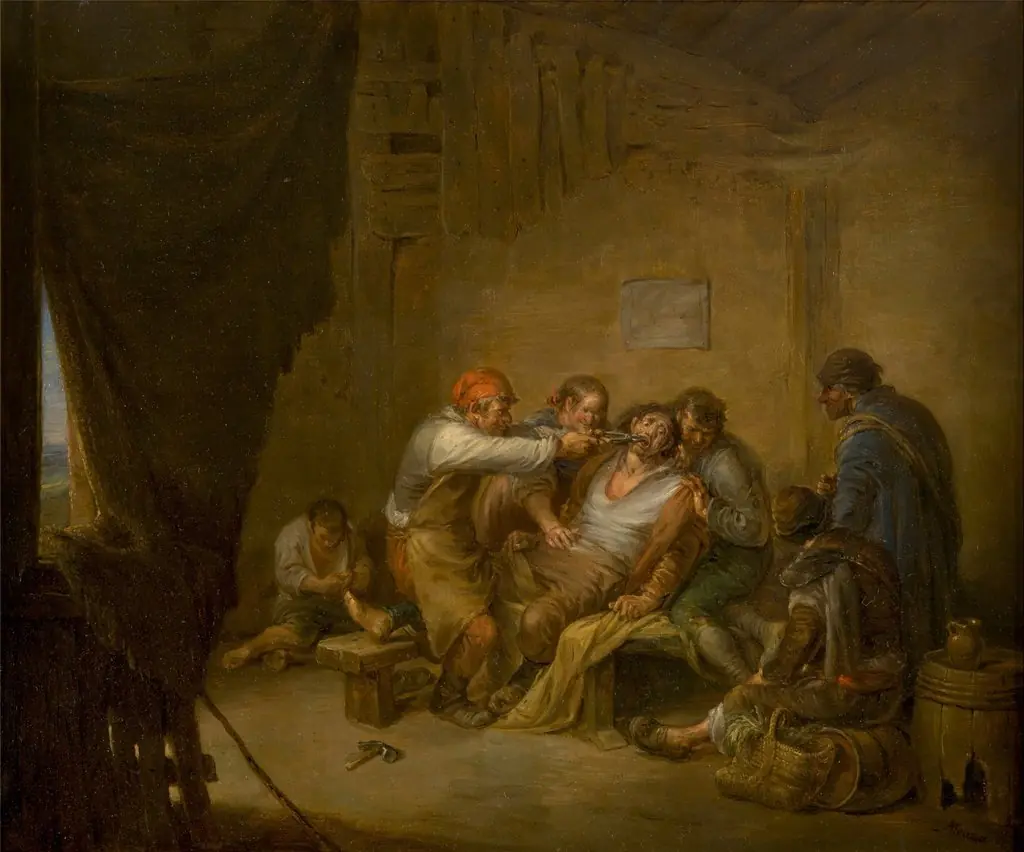
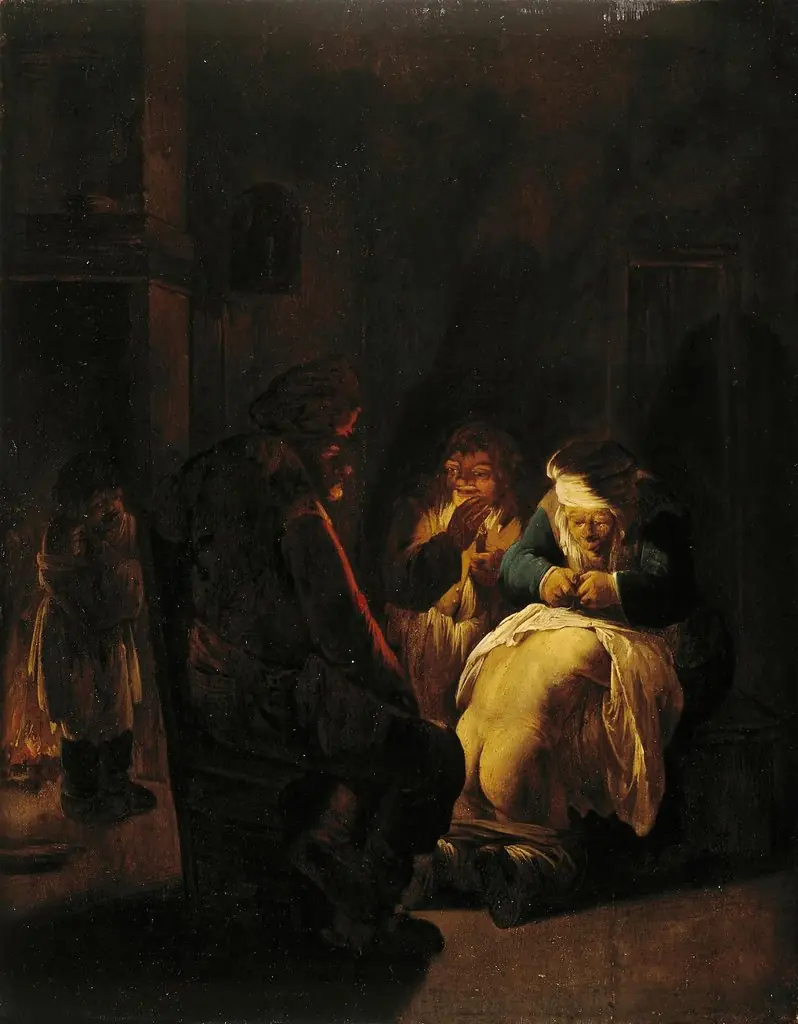
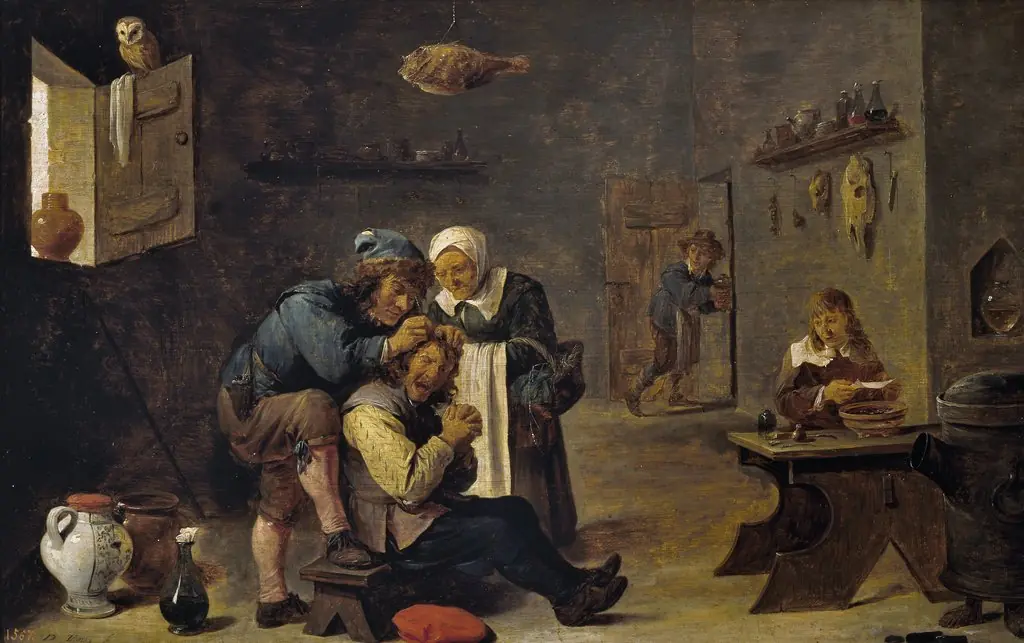
The Back Operation is an oil painting by the Dutch Golden Age artist Adriaen Brouwer. It dates from 1630 and is held in the collection of the Städel Museum.
About this work
Overview
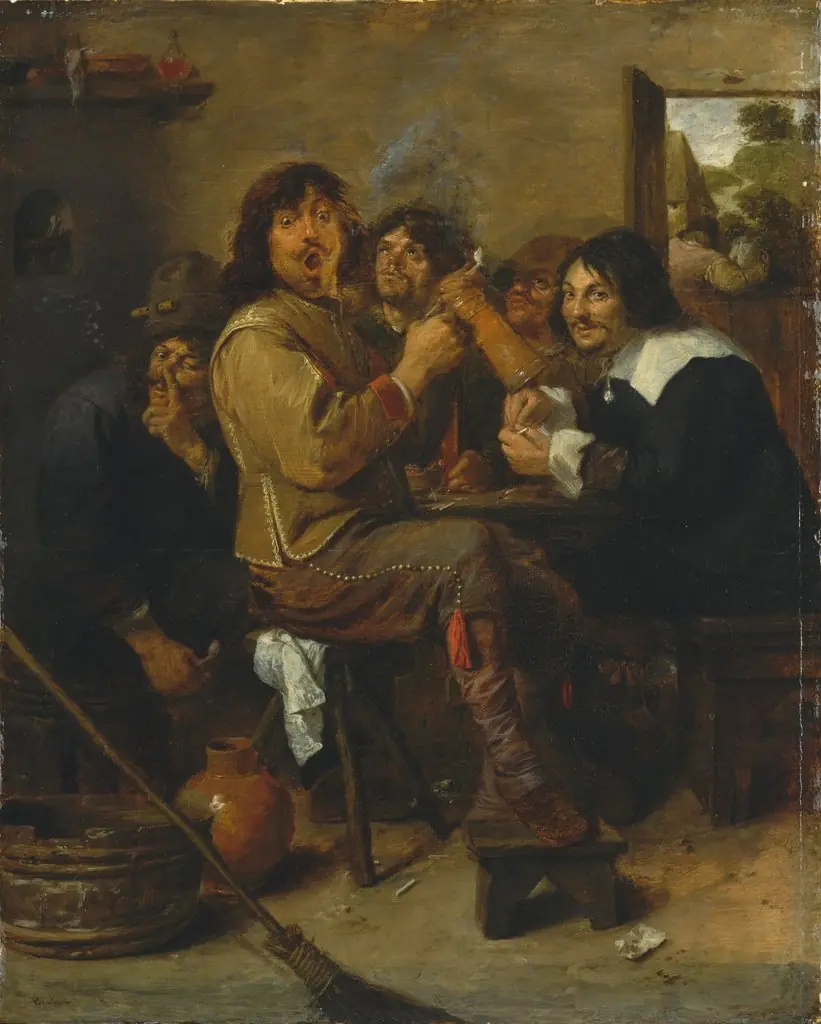
Painted in 1630 by Adriaen Brouwer, this oil-on-panel work captures a moment of medical intervention in a modest interior.
Painted in 1630 by Adriaen Brouwer, this oil-on-panel work captures a moment of medical intervention in a modest interior. Brouwer, a Flemish artist working in the Dutch Republic, specialized in scenes of ordinary life, often focusing on the physical and social realities of lower-class subjects. The painting’s intimate scale and unidealized subject reflect his commitment to truthful, unvarnished observation.
Subject & Meaning
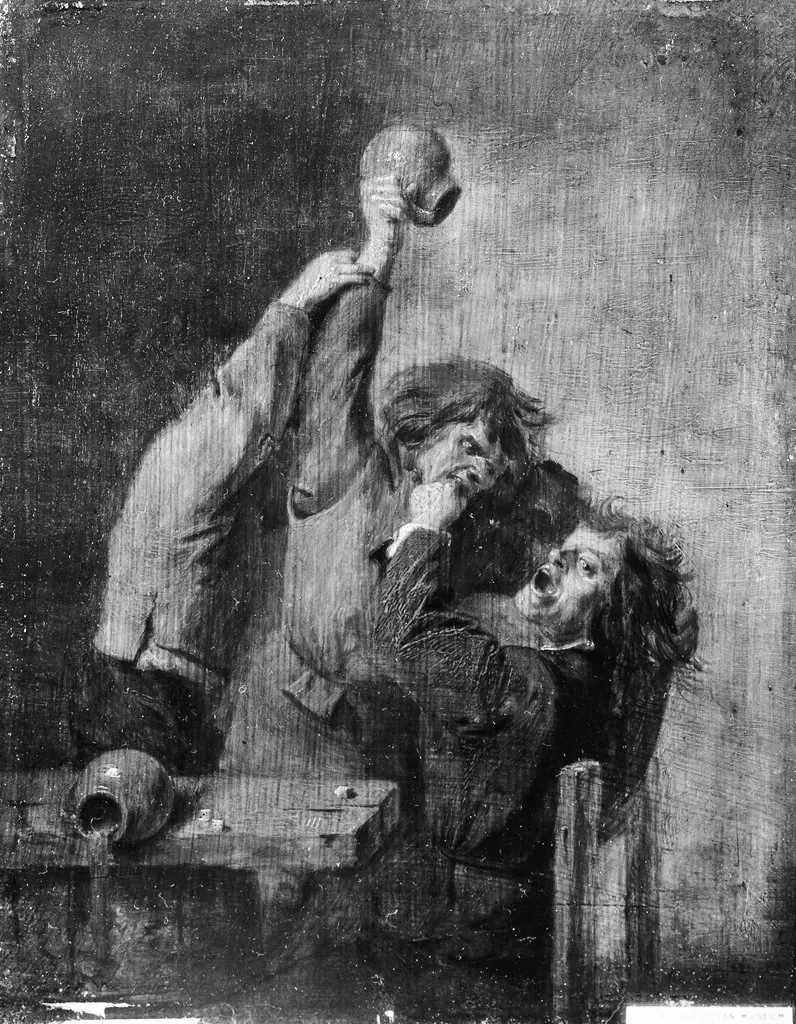
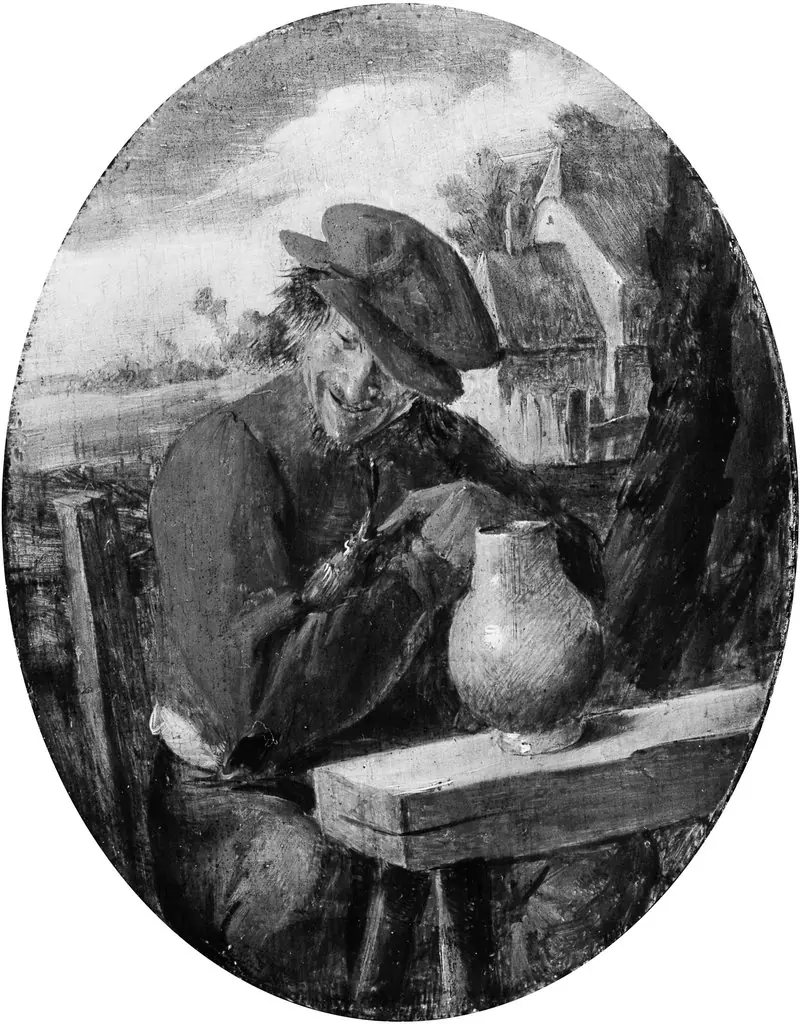
The scene depicts a barber-surgeon performing a procedure—likely bloodletting or incision—on a seated man whose back is exposed. A companion grips the patient’s shoulder, suggesting restraint or solidarity. The expressions are tense yet unremarkable, conveying routine rather than horror. The work avoids moralizing, instead presenting medical practice as a mundane, if crude, part of daily existence in the 17th century.
Technique & Style
Brouwer employed chiaroscuro to model forms in dim light, enhancing the tactile presence of skin, fabric, and tools. Impasto thickens highlights on sweat and fabric edges, while glazes deepen shadows and lend a muted luminosity. The brushwork is precise yet unpolished, mirroring the rawness of the subject. Details in clothing and facial expression are rendered with documentary care, avoiding theatricality.
History & Provenance
The painting entered the collection of the Städel Museum in Frankfurt in the 19th century, having passed through private hands in the Low Countries and Germany. Its attribution to Brouwer has remained consistent since its early documentation. No significant alterations or restorations are recorded, preserving the original surface and tonal balance as intended by the artist.
Context
Barber-surgeons commonly performed minor surgeries in homes or taverns, as professional physicians rarely attended to the poor. Brouwer’s depiction aligns with broader Dutch Golden Age interests in social realism, yet stands apart for its unflinching focus on bodily vulnerability. Unlike idealized medical scenes, this work presents procedure as physical labor, not healing ritual.
Legacy
Brouwer’s unembellished approach influenced later genre painters and contributed to the acceptance of low-life subjects in fine art. The painting’s psychological immediacy and technical restraint helped redefine the boundaries of acceptable subject matter in 17th-century Northern European painting, paving the way for more candid portrayals of human experience.
Artist & collection
Artist
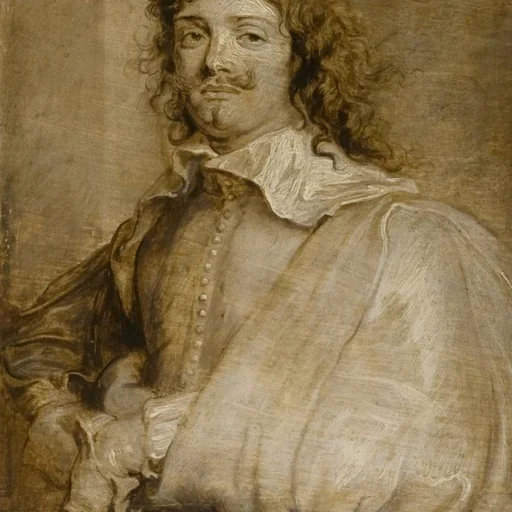
Adriaen Brouwer (c. 1605 – January 1638) was a Flemish painter active in Flanders and the Dutch Republic in the first half of the 17th century. Brouwer was an important innovator of genre painting through his vivid…