Artwork
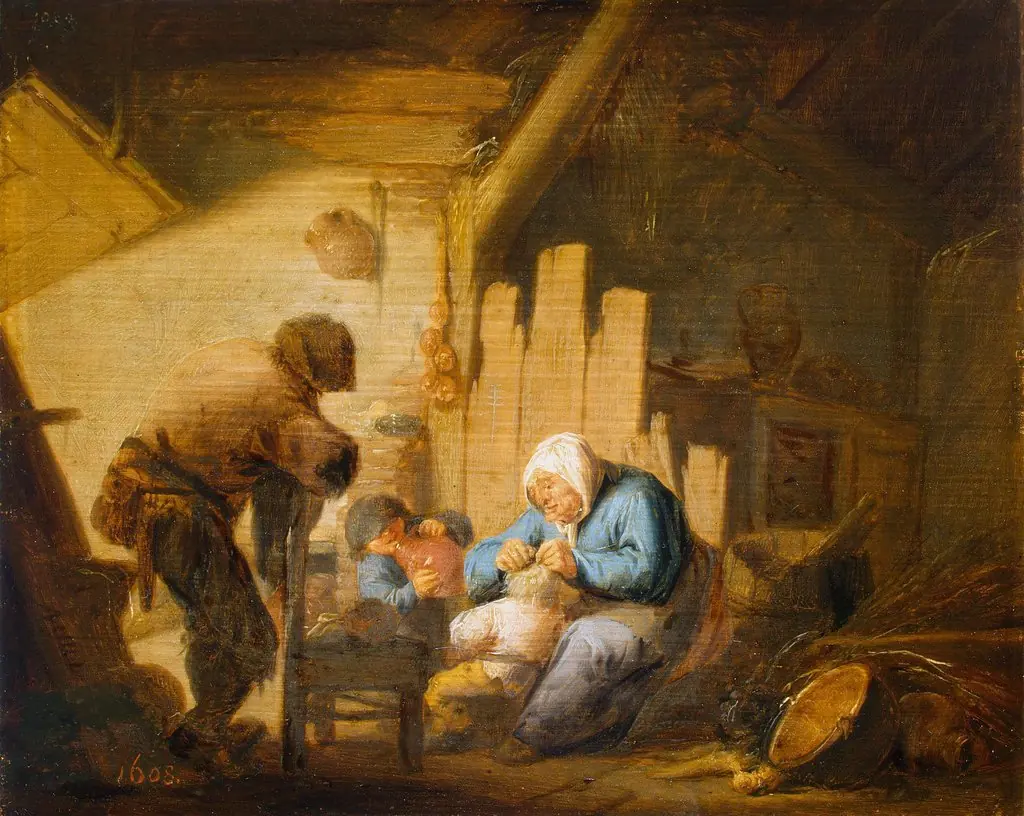
Peasants in the Interior (Family Scene)
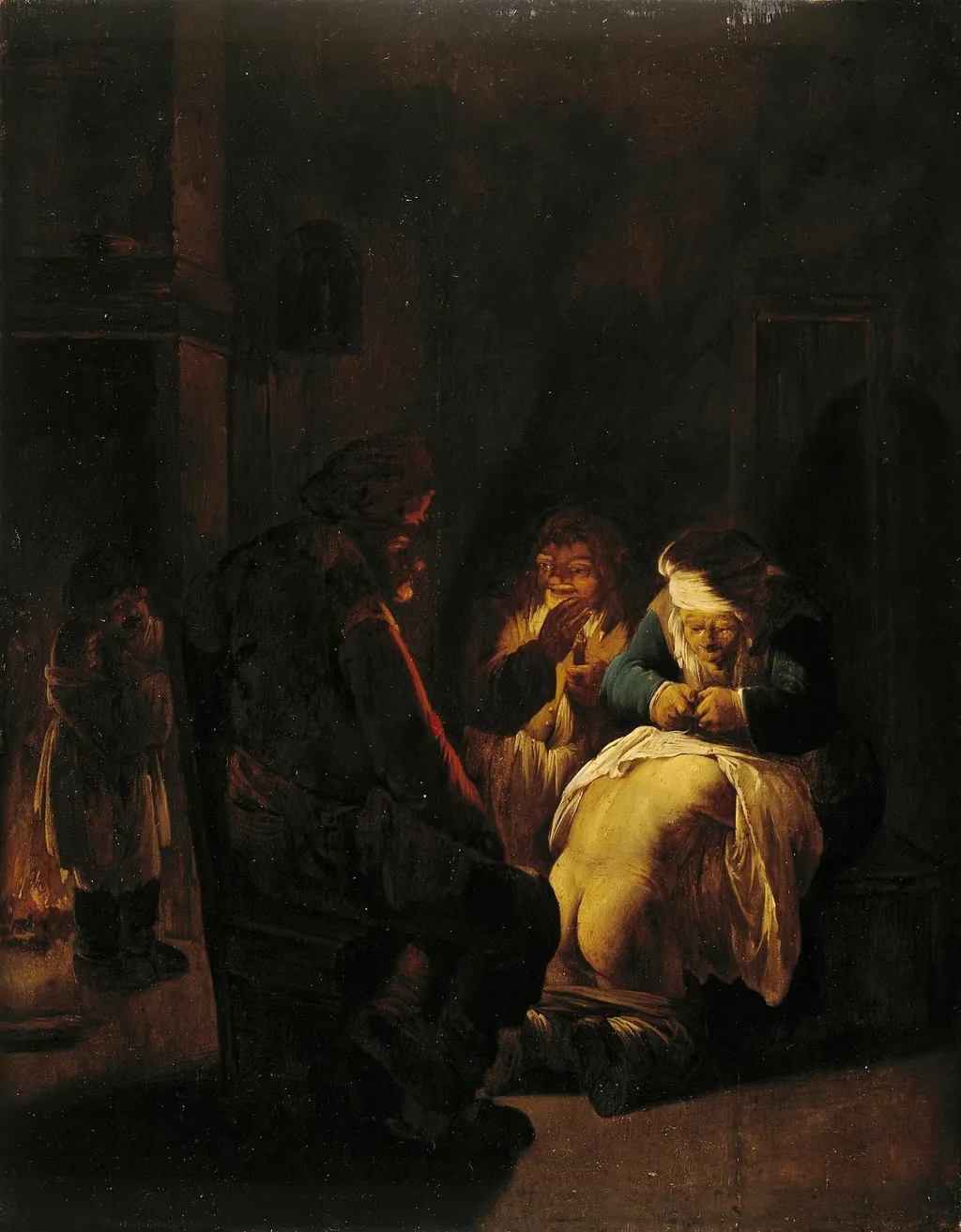
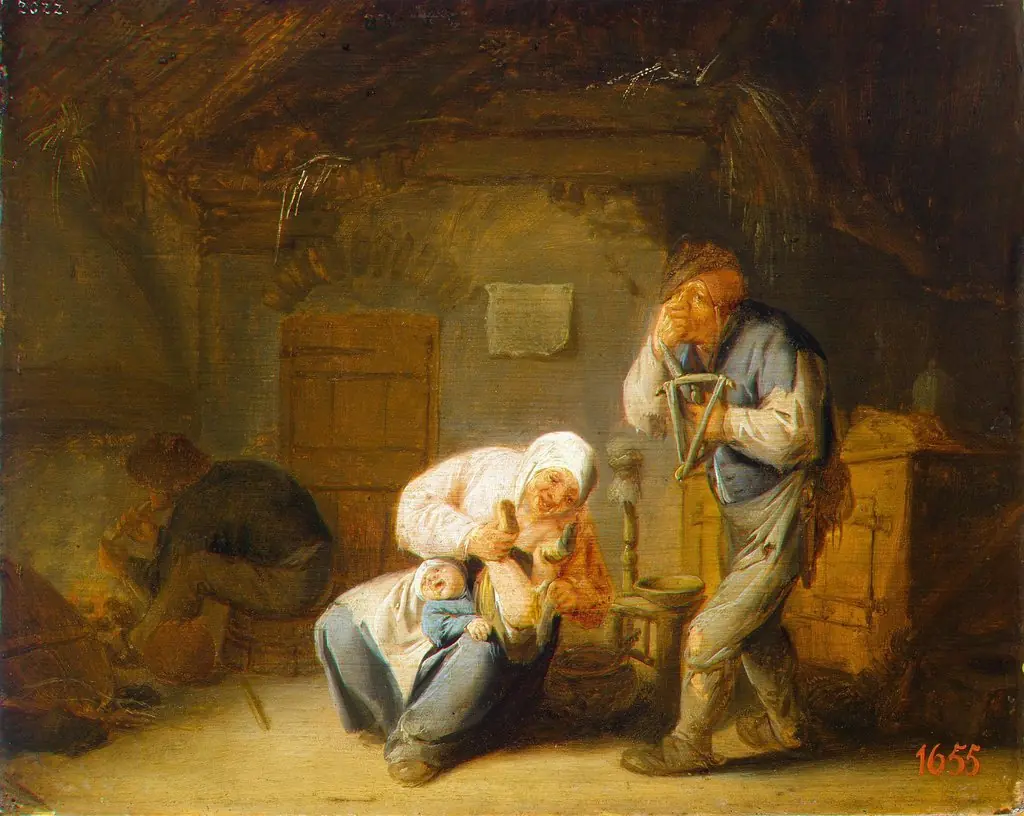
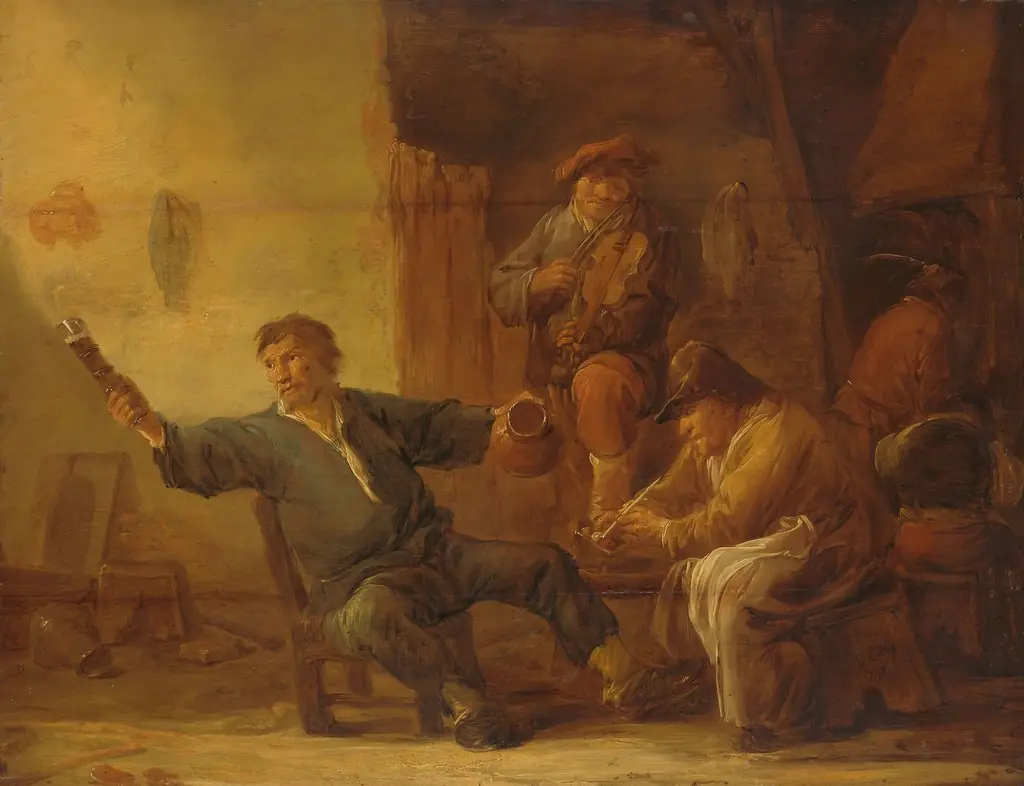
Peasants in the Interior (Family Scene) is an oil painting by the Dutch Golden Age artist Andries Both. It dates from 1630 and is held in the collection of the Hermitage Museum.
About this work
The artist used oil paint to create this work, which is now held at the State Hermitage Museum.
This painting is called Peasants in the Interior.
It was made by Andries Both in 1630.
The artist used oil paint to create this work, which is now held at the State Hermitage Museum.
I don't know what the painting looks like, but I can tell you that it's a family scene.
The title suggests a quiet, everyday moment, which might be interesting to look at.
You can learn more about the artist's style by looking up Andries Both.
Overview
Painted in 1630 by Andries Both, this oil-on-canvas work captures a domestic moment among rural Dutch families. Created during the Dutch Golden Age, it belongs to a body of work by Northern artists who lived in Rome and specialized in modest, everyday scenes. The painting is now part of the State Hermitage Museum’s collection, where it represents a quiet counterpoint to the grander themes of the era.
Subject & Meaning
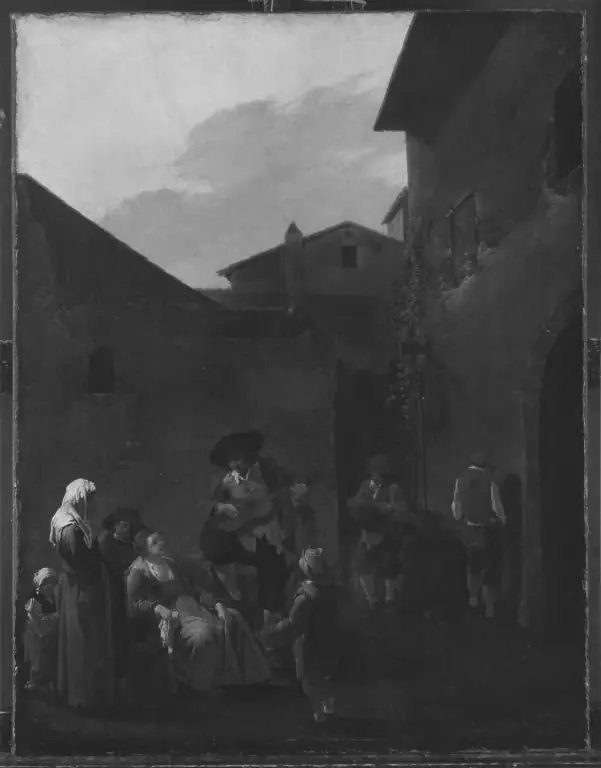
The scene depicts a family in an interior setting, likely a peasant household, engaged in unremarkable daily activities. No dramatic narrative is present—instead, the focus lies in the quiet interaction between figures, suggesting dignity in ordinary life. The absence of idealization aligns with the bamboccianti’s interest in unvarnished reality, offering a glimpse into the private world of the lower classes.
Technique & Style
Both employed oil paint to render subtle textures—rough fabrics, dim lighting, weathered surfaces—with restrained detail. His brushwork avoids theatricality, favoring naturalism over embellishment. The composition is intimate, with figures arranged close together in a shallow space, echoing the informal, observational approach characteristic of the bamboccianti movement.
History & Provenance
Andries Both, active in Rome during the 1620s and 1630s, produced works for collectors drawn to genre scenes from daily life. After his return to the Netherlands, his paintings entered various European collections. The work entered the Hermitage Museum’s holdings in the 19th century, likely through acquisition from a private collection, preserving its place in the study of Northern genre painting.
Context
While Dutch art of the period often celebrated wealth and civic pride, a smaller group of artists, including Both, turned to the lives of laborers and the rural poor. Influenced by Caravaggio’s realism and Italian street scenes, these painters—known as bamboccianti—brought a foreign perspective to Dutch subject matter, blending Northern attention to detail with Roman visual traditions.
Legacy
Both’s work contributed to the broader acceptance of humble subjects in European painting. Though not widely celebrated in his lifetime, his paintings helped establish a visual language for everyday life that later influenced 18th-century genre painters. Today, his pieces remain valuable for their unembellished portrayal of social conditions during the early modern period.
Own this work as a print
Artist & collection
Artist
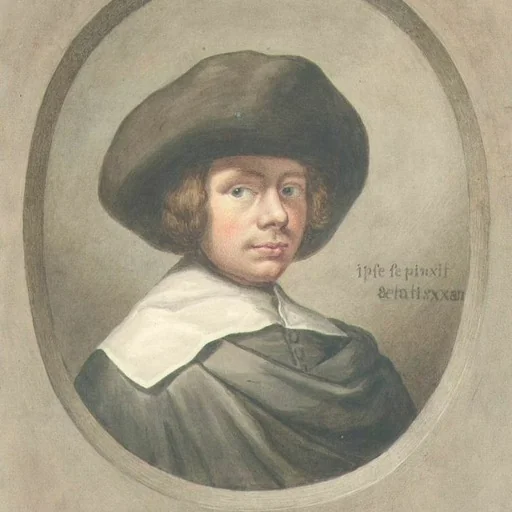
Andries Both (1612/1613 – 23 March 1642), was a Dutch genre painter. He was part of the group of Dutch and Flemish genre painters active in Rome in the 17th century known as the bamboccianti, who painted scenes from the…

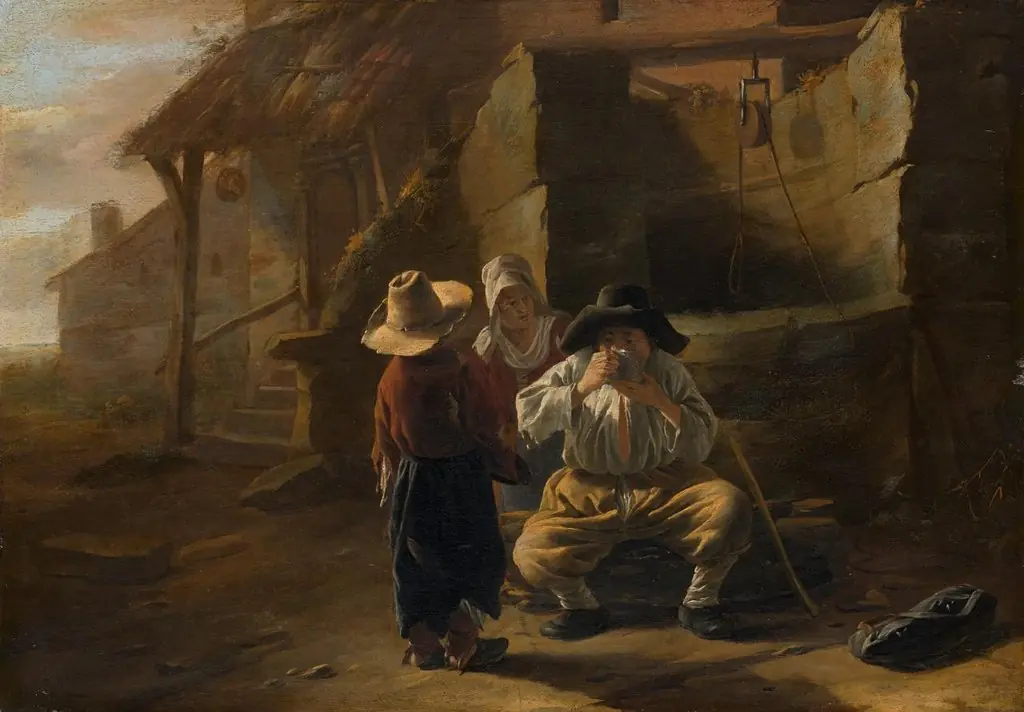
![An Artist Seated at His Easel [recto], by Andries Both](https://artifactworldgallery.com/img/andries-both--an-artist-seated-at-his-easel-recto--df4909554b40b442-w320.webp)
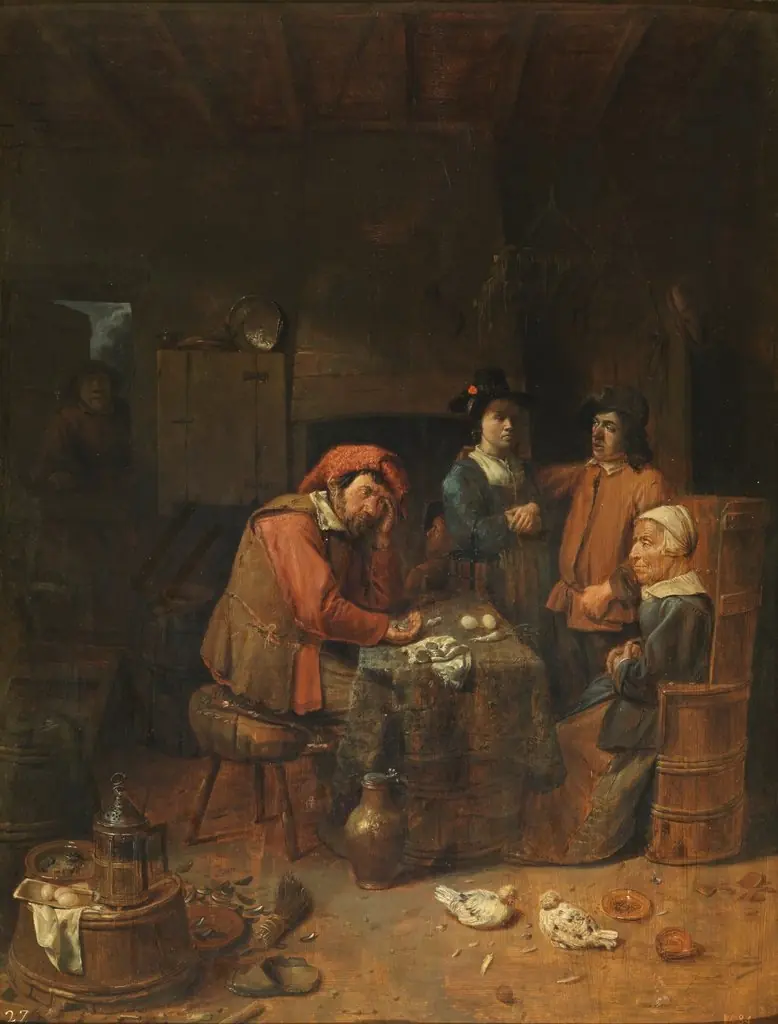 The Wedding Contract
 Sense of Smell
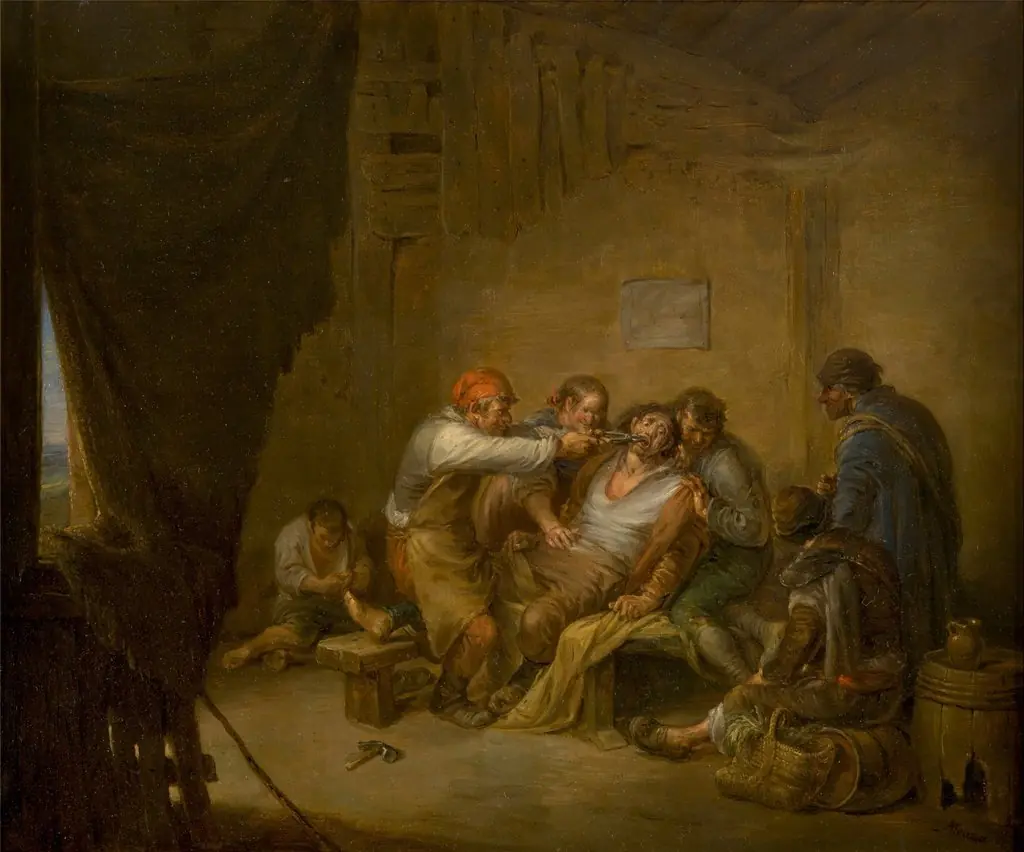 El sacamuelas
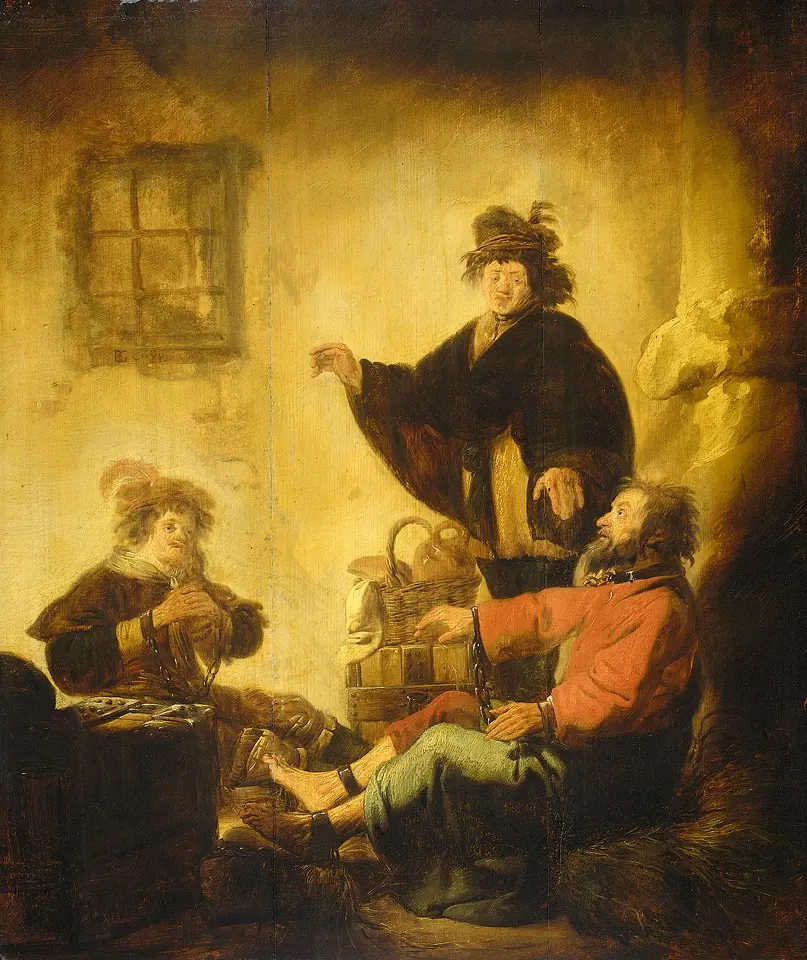 Joseph interpreting the dreams of the baker and the butler
 Joseph Interpreting the Dreams of the Baker and the Butler (Genesis 40:1-19)
 Sense of Sight
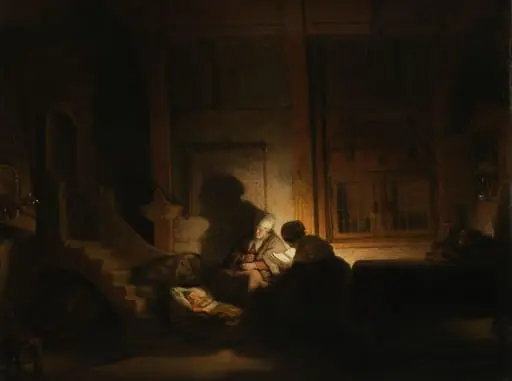 Untitled
 Choice between richness and youth
 The Denial of Saint Peter
 Operación quirúrgica
 A Sick Peasant Woman
 Interior of a peasant hut