Artwork
Rest on the Flight into Egypt
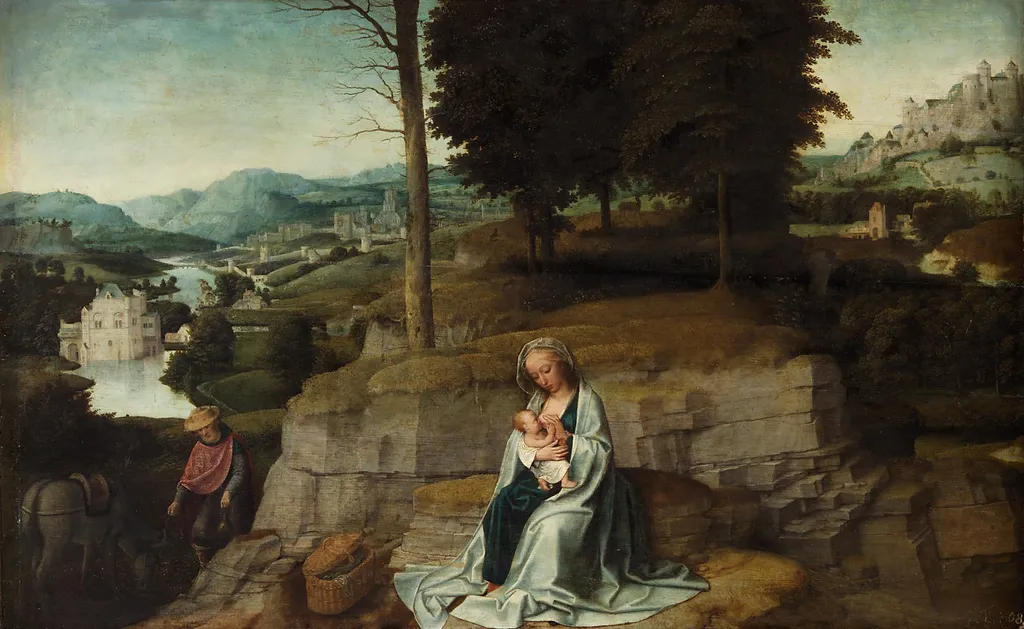
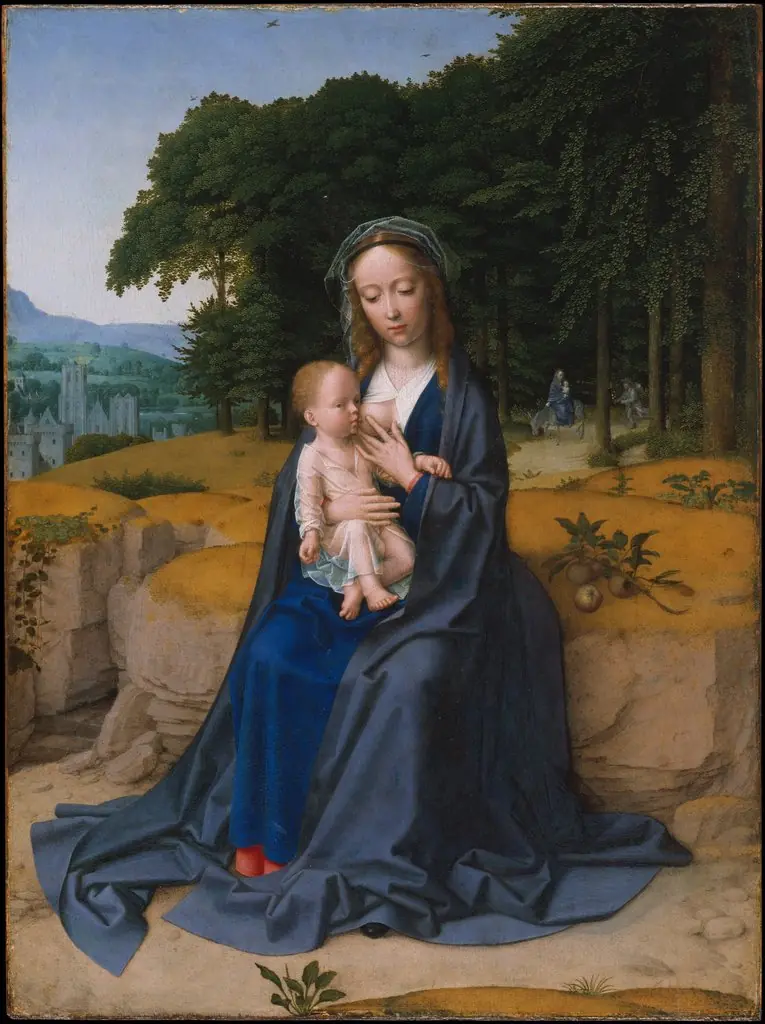
Rest on the Flight into Egypt is an oil painting by the Northern Renaissance artist Adriaen Isenbrandt. It dates from 1515 and is held in the collection of the Kunsthistorisches Museum.
About this work
Overview
Painted in 1515 by Adriaen Isenbrandt, this oil-on-panel work captures a quiet moment from the biblical Flight into Egypt.
Painted in 1515 by Adriaen Isenbrandt, this oil-on-panel work captures a quiet moment from the biblical Flight into Egypt. Active in Bruges during a period of artistic transition, Isenbrandt maintained a traditional approach to religious subjects, producing devotional images for private patrons. The painting reflects the enduring demand for intimate sacred scenes in early 16th-century Flanders, and it remains part of the Kunsthistorisches Museum’s collection today.
Subject & Meaning
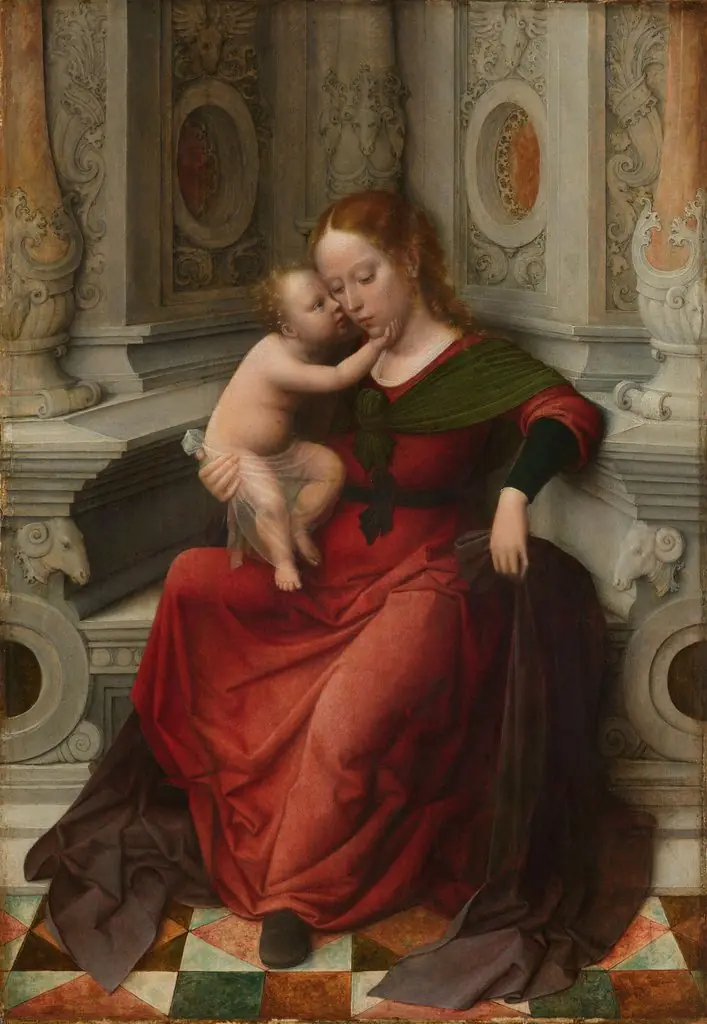
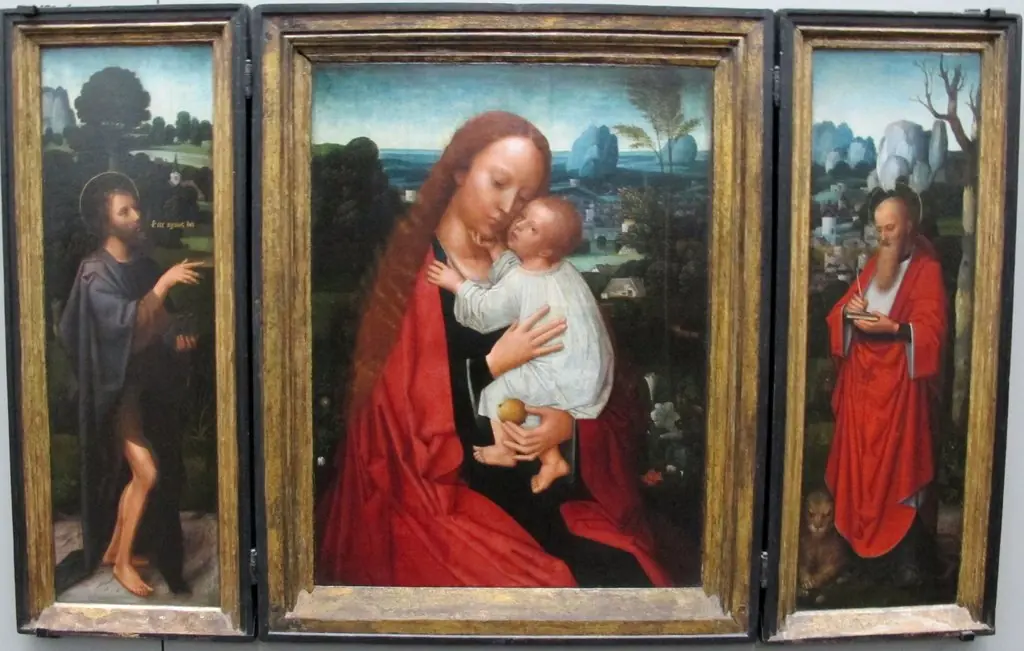
The scene portrays the Holy Family resting during their journey to escape Herod’s persecution. Mary, seated on a rocky ledge, holds the infant Jesus with calm tenderness. Joseph, dressed in red and wearing a straw hat, observes them quietly, his posture suggesting vigilance. The tranquil setting transforms a moment of flight into one of stillness and devotion, aligning with contemporary devotional practices that emphasized Mary’s maternal grace and the sacredness of everyday moments in sacred history.
Technique & Style
Isenbrandt employed oil paint with meticulous attention to surface detail, rendering textures such as fabric folds, stone surfaces, and foliage with quiet precision. The composition is arranged in a shallow, tiered space, with figures placed foreground and landscape receding gently behind. Soft atmospheric perspective and muted tones create a serene mood. His style retains Early Netherlandish conventions—fine brushwork, symbolic detail—while subtly incorporating Renaissance spatial awareness.
History & Provenance
The painting was produced in Isenbrandt’s Bruges workshop, known for its high output of religious imagery for domestic and ecclesiastical markets. It entered the Kunsthistorisches Museum’s collection in Vienna through the Habsburg imperial holdings, likely acquired during the 16th or 17th century. Its survival in good condition reflects its continued value as a devotional object and its alignment with Habsburg tastes for Flemish religious art.
Context
In early 16th-century Flanders, religious paintings like this one served as aids to private prayer and family devotion. While humanist ideas and classical influences spread across Europe, many regional artists, including Isenbrandt, continued to favor traditional iconography and narrative clarity. The emphasis on Mary’s tenderness and Joseph’s quiet guardianship resonated with contemporary piety, where the domestic life of the Holy Family offered a relatable model of faith.
Legacy
Isenbrandt’s work, though less celebrated than contemporaries like Jan van Eyck or Quentin Matsys, exemplifies the persistence of conservative religious painting in the Northern Renaissance. His workshop’s output helped sustain devotional art traditions even as artistic trends shifted. This painting remains a representative example of how local Flemish artists adapted biblical narratives into intimate, contemplative scenes for private contemplation.
Artist & collection
Artist
Adriaen Isenbrandt or Adriaen Ysenbrandt (between 1480 and 1490 – July 1551) was a painter in Bruges, in the final years of Early Netherlandish painting, and the first of the Dutch and Flemish Renaissance painting of the Northern…

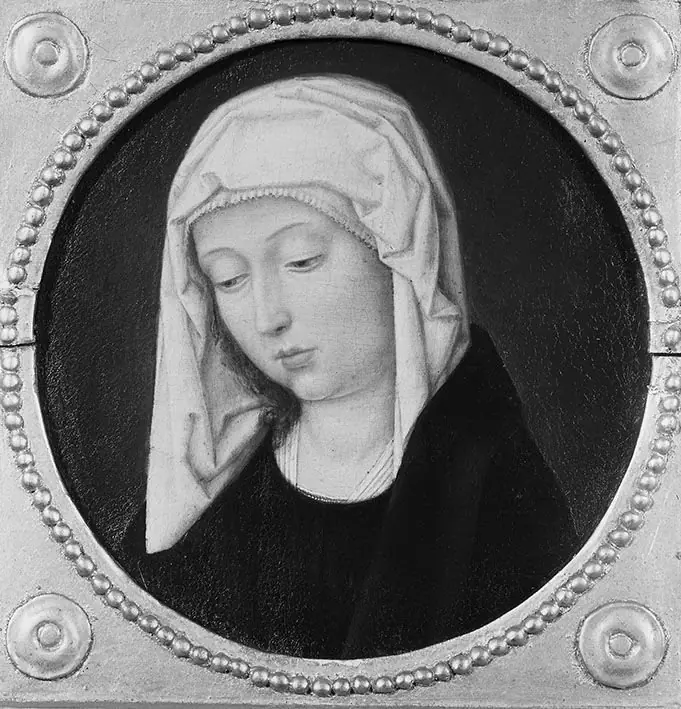
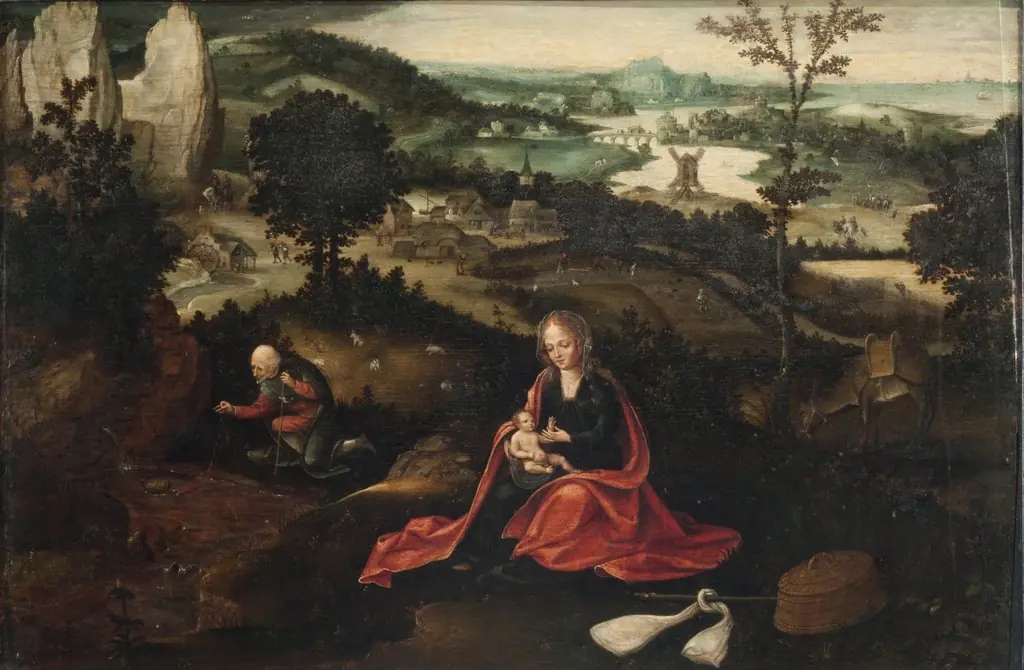 Rest on the Flight into Egypt
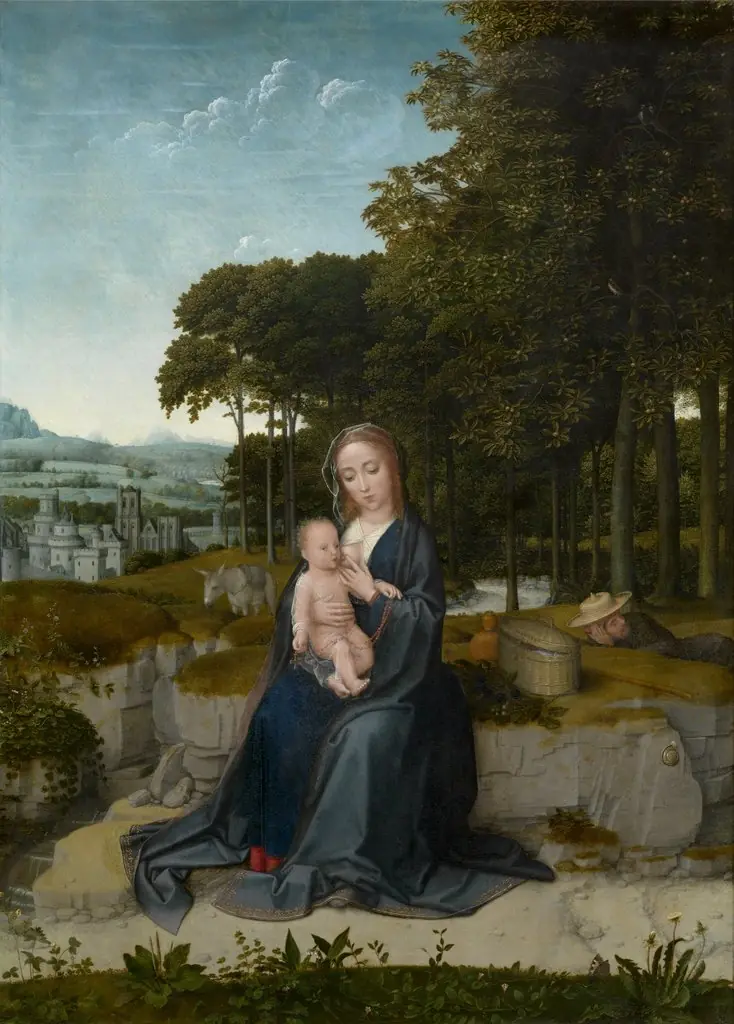 Rest on the Flight into Egypt
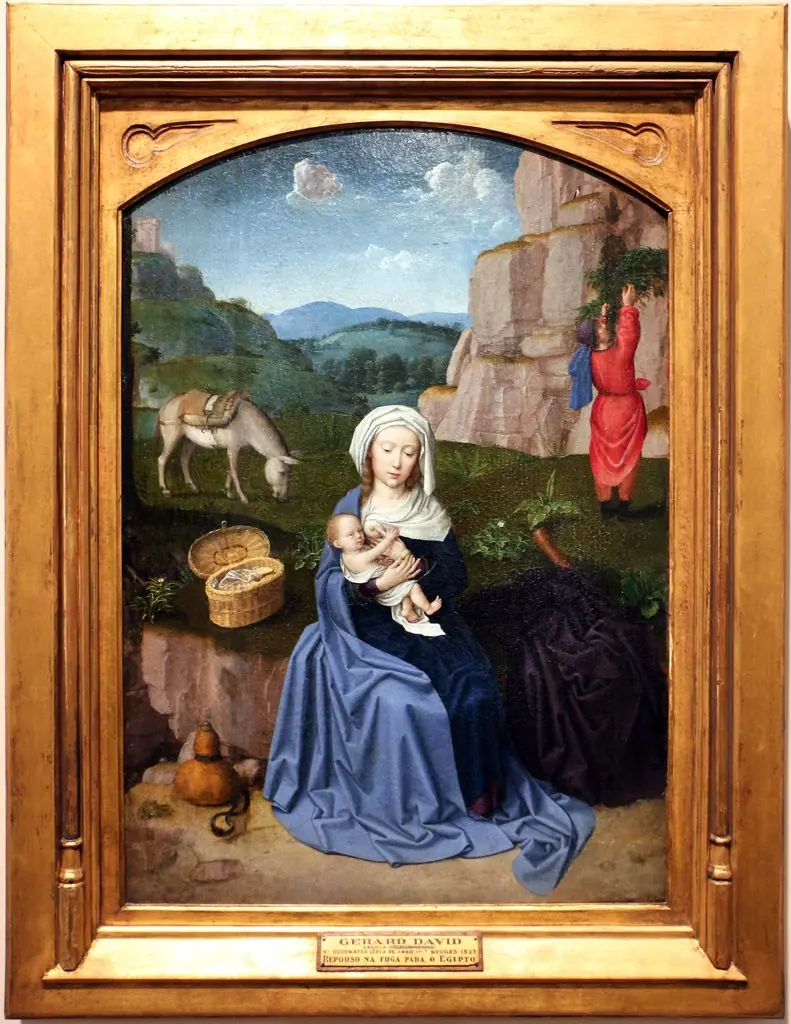 Rest on the Flight into Egypt
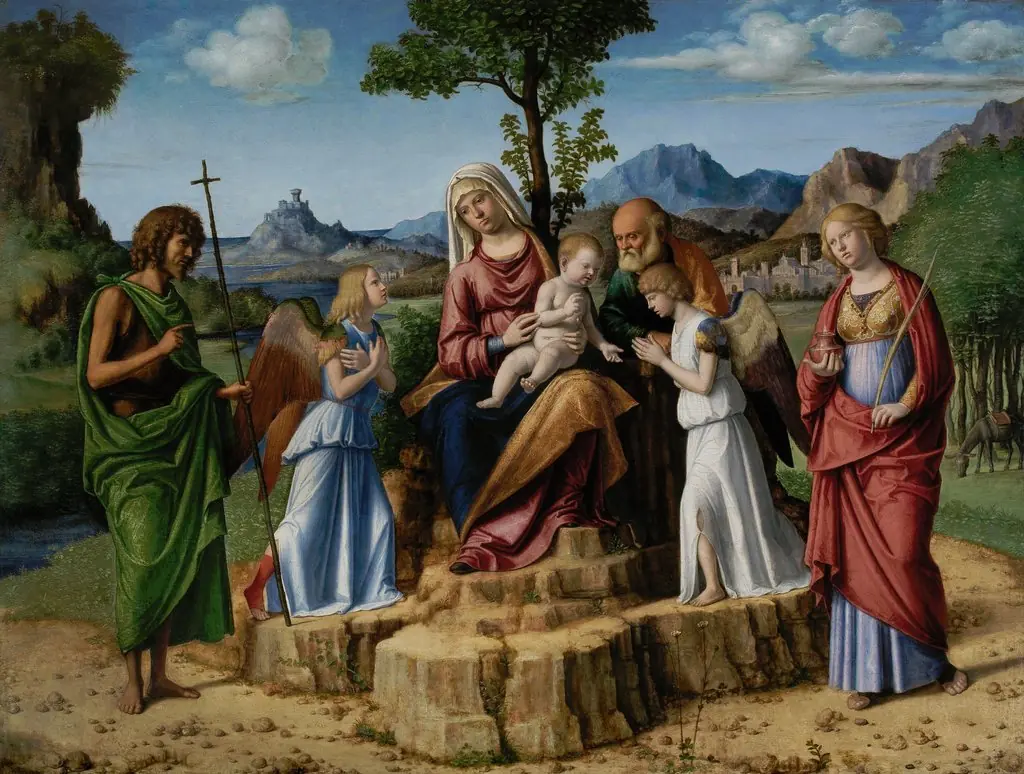 Rest on the Flight into Egypt
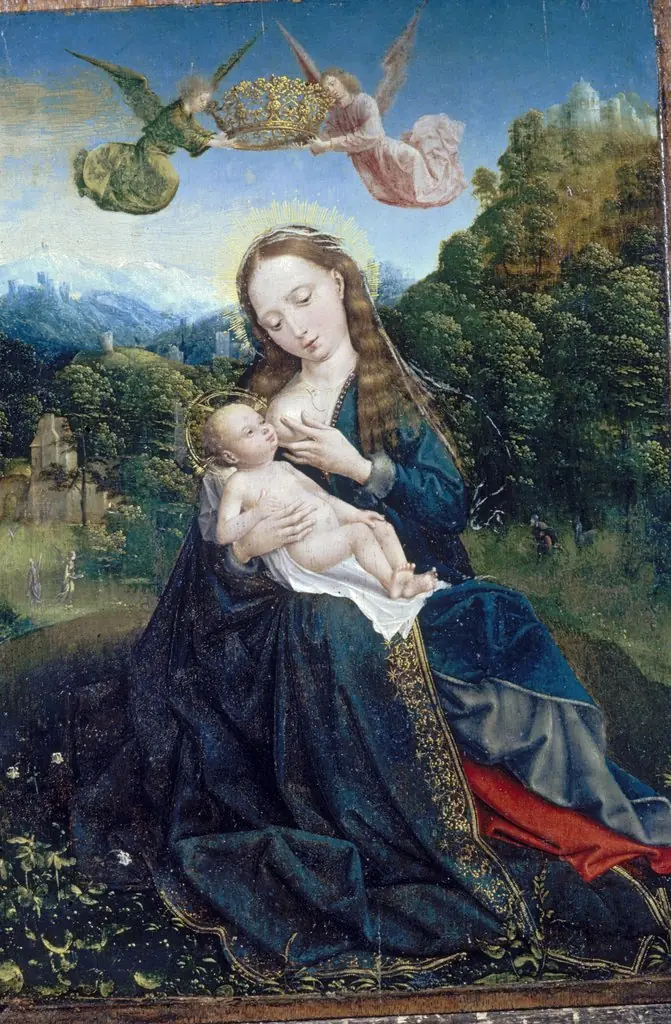 Rest on the Flight into Egypt
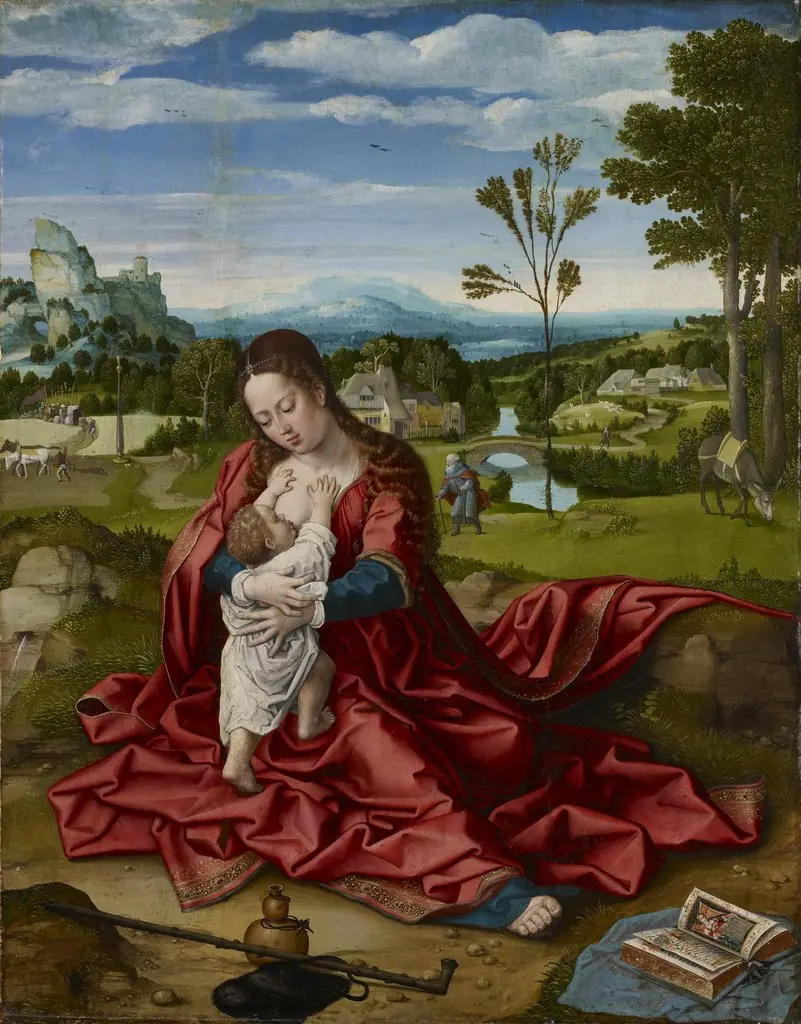 Rest on the Flight into Egypt
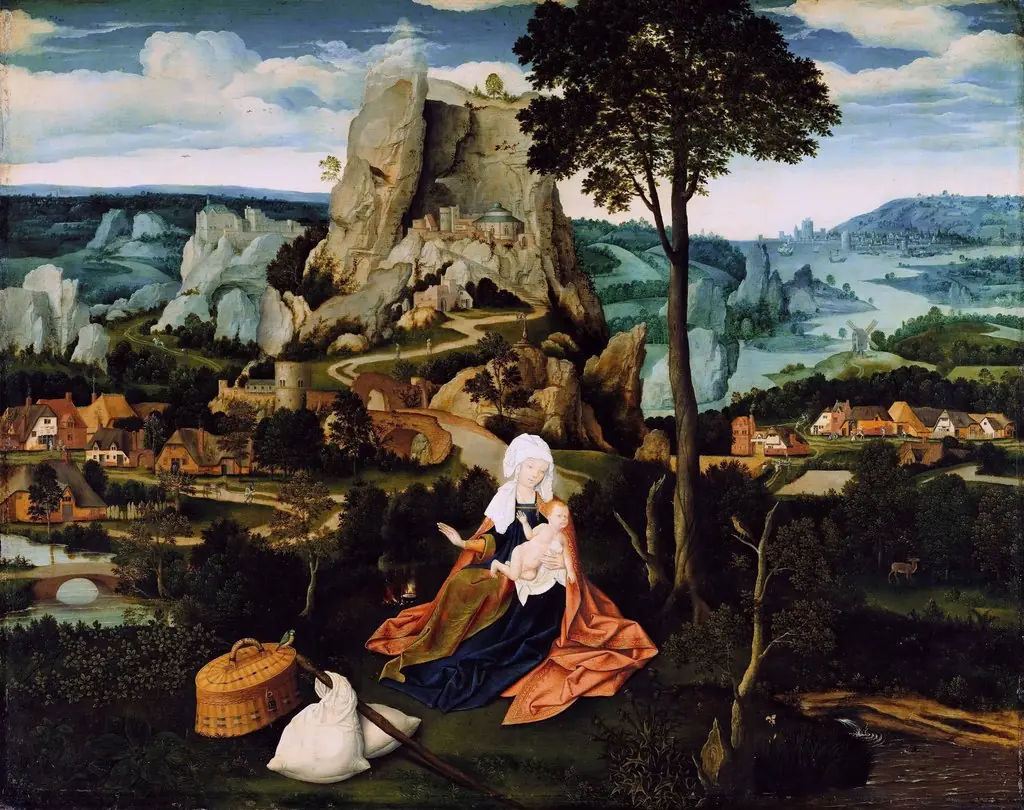 Rest on the Flight to Egypt
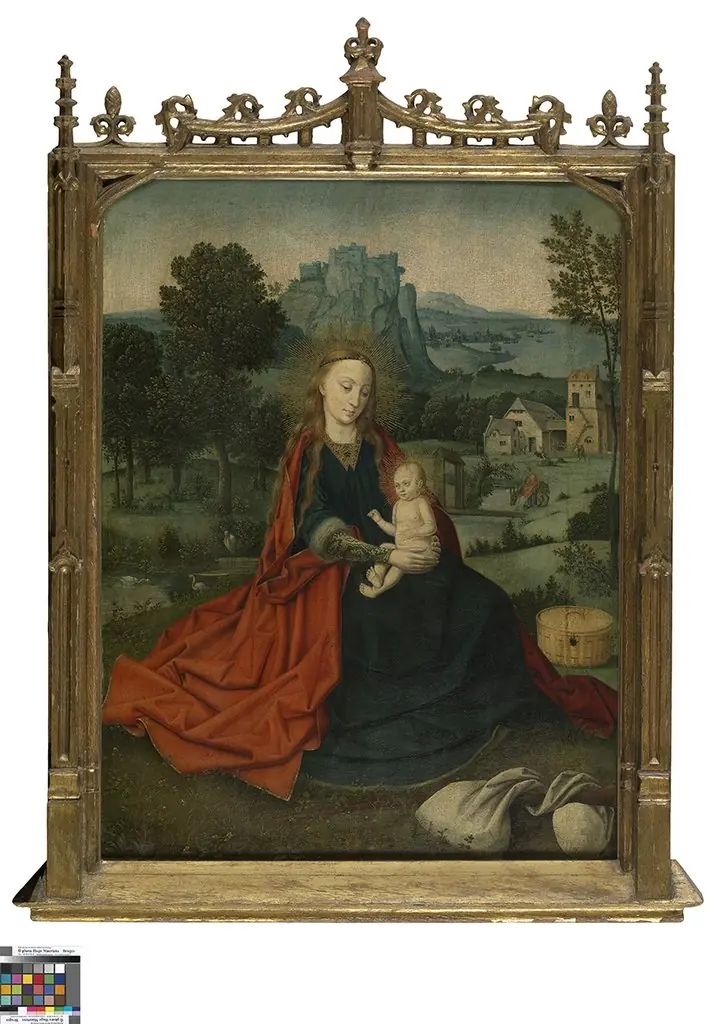 Rest on the Flight into Egypt
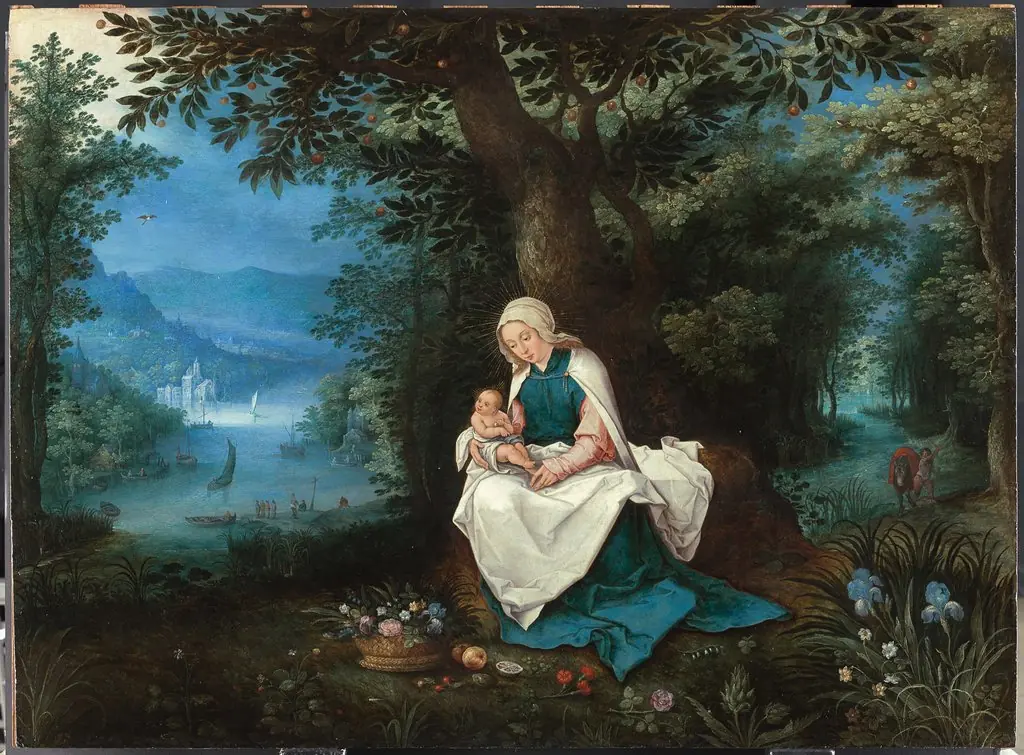 Rest on the Flight into Egypt
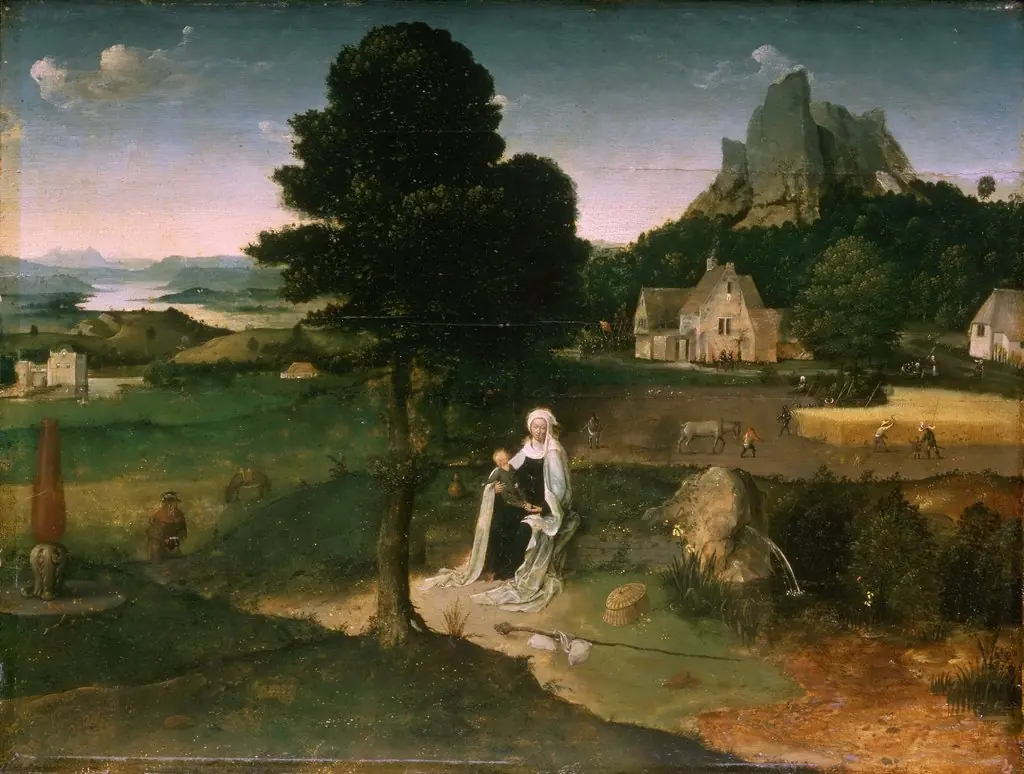 Rest on the Flight into Egypt
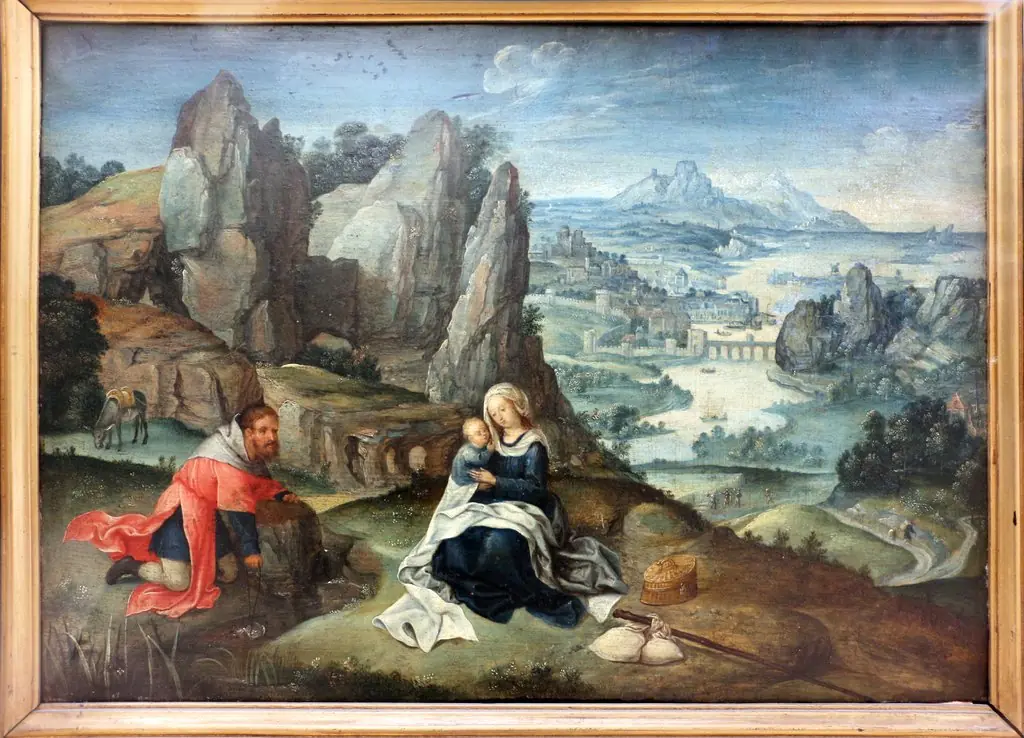 Rest on the Flight into Egypt
 Rest on the Flight into Egypt