Artwork
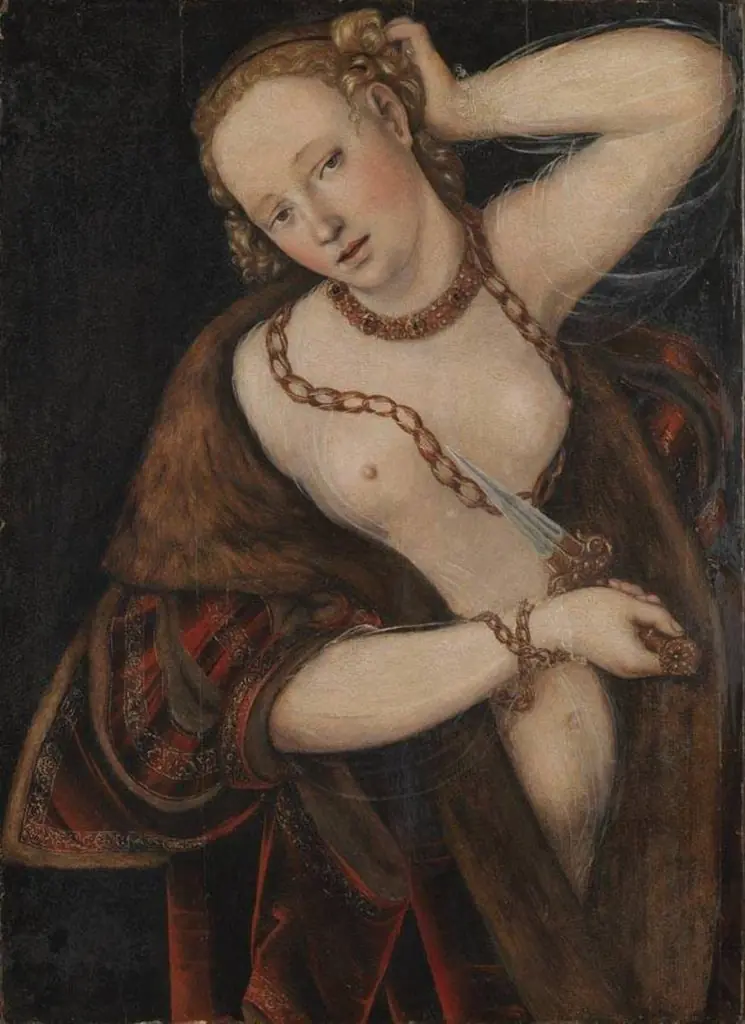
The Suicide of Lucretia
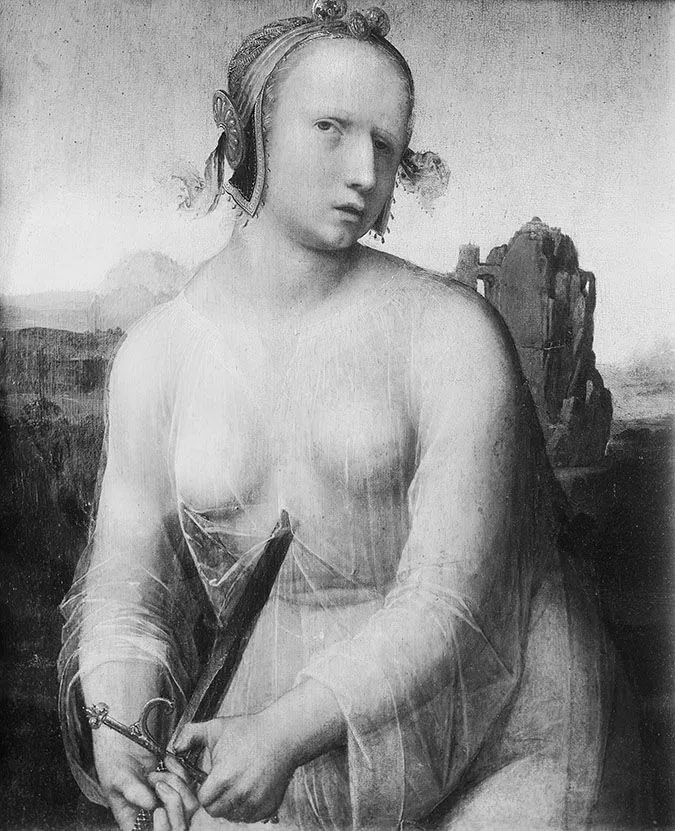
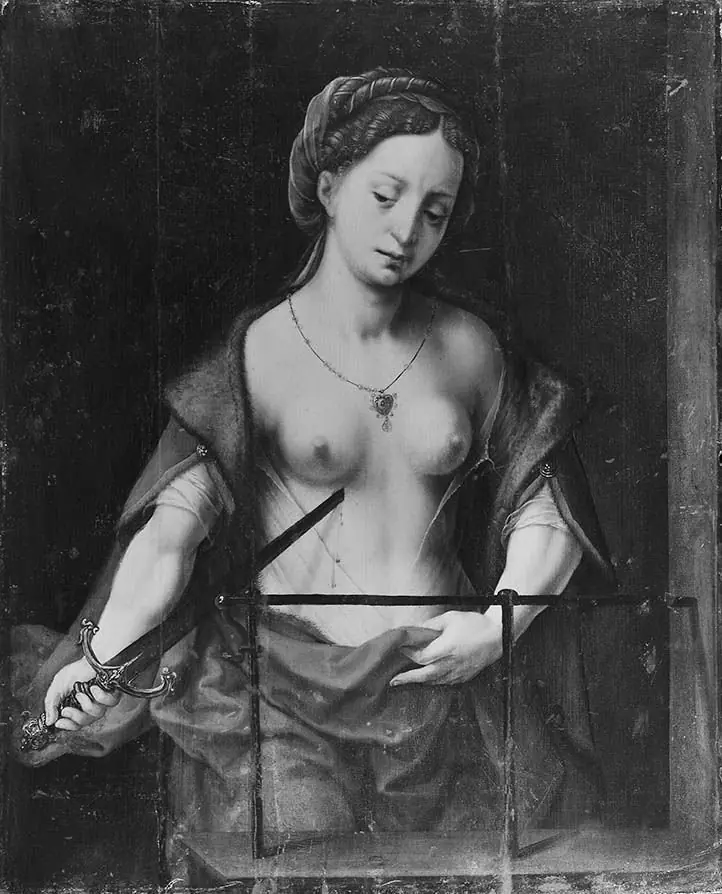
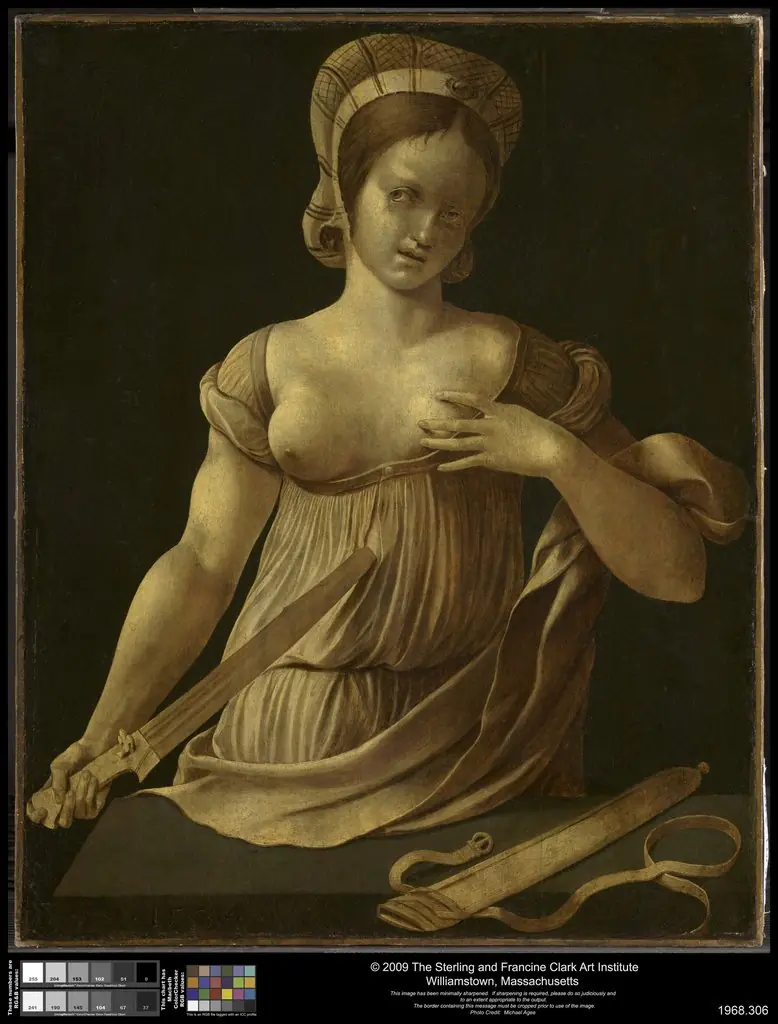
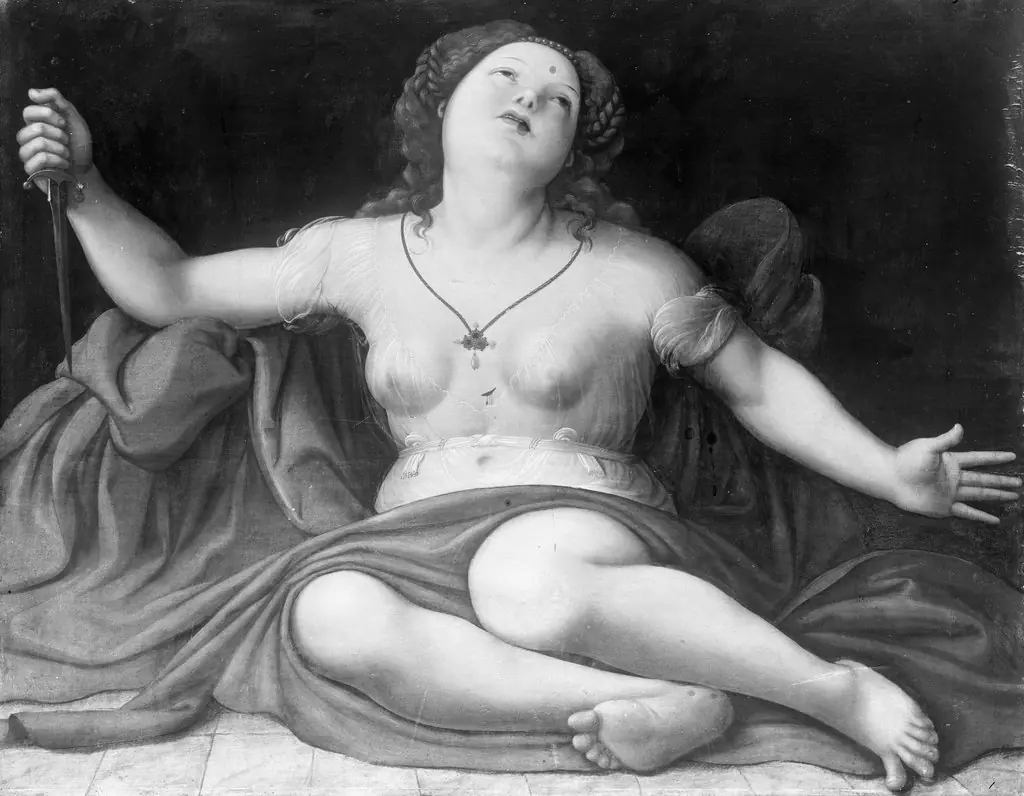
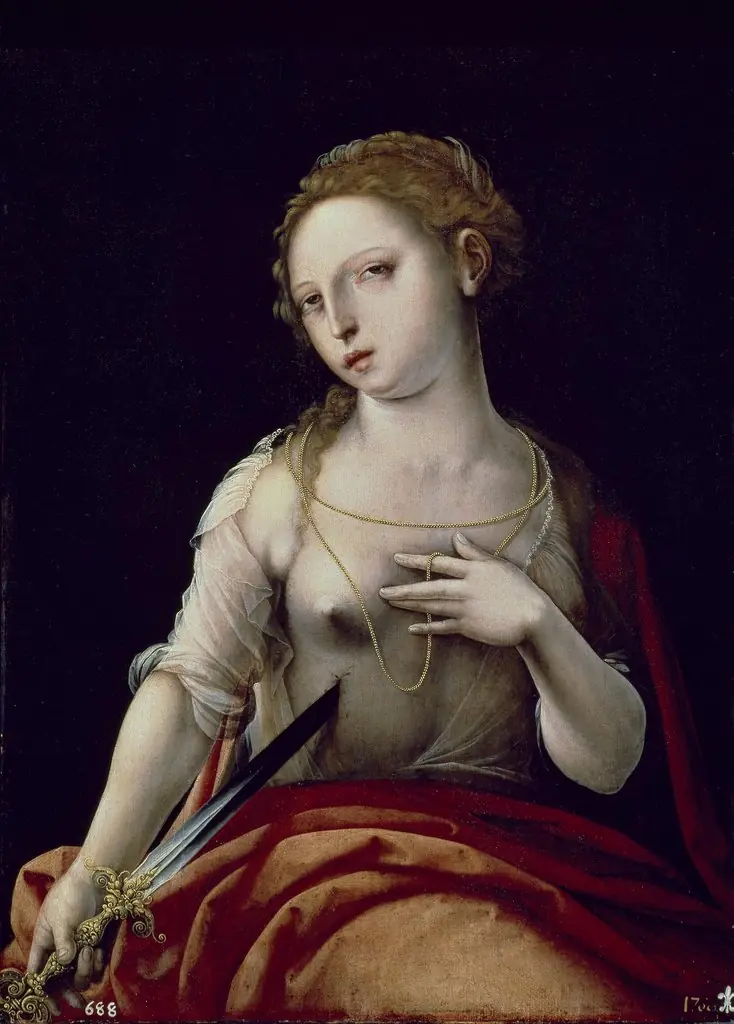
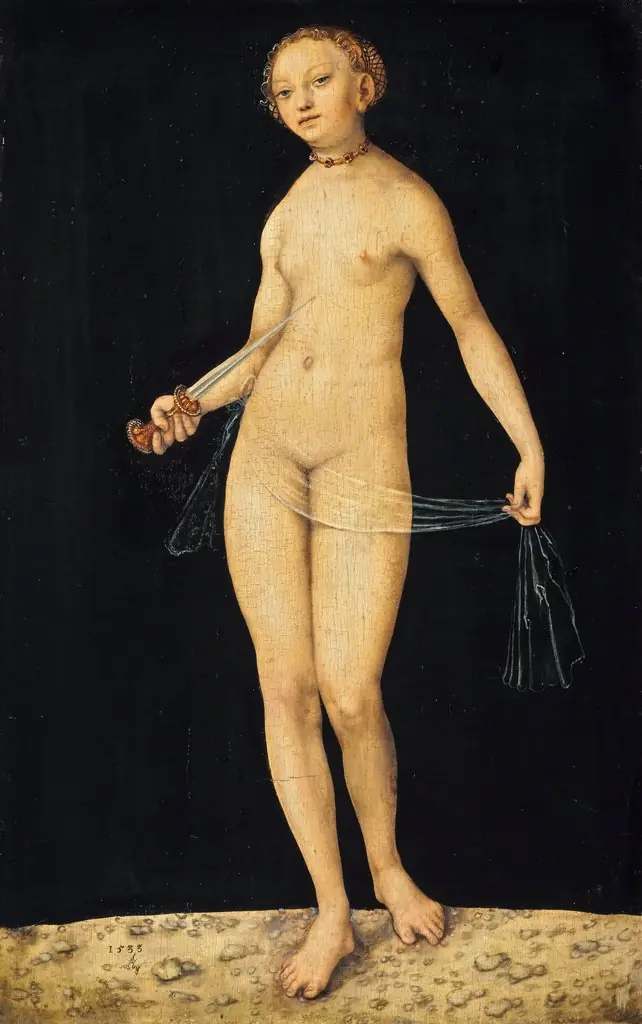
The Suicide of Lucretia is an oil painting by the Northern Renaissance artist Adriaen Isenbrandt. It dates from 1515 and is held in the collection of the Bavarian State Painting Collections.
About this work
Overview
Adriaen Isenbrandt, a Bruges‑based painter working at the cusp of the Early Netherlandish and Northern Renaissance periods, completed the oil painting *The Suicide of Lucretia* in 1515. The work, classified as a history painting, is presently held by the Alte Pinakothek in Munich.
Subject & Meaning
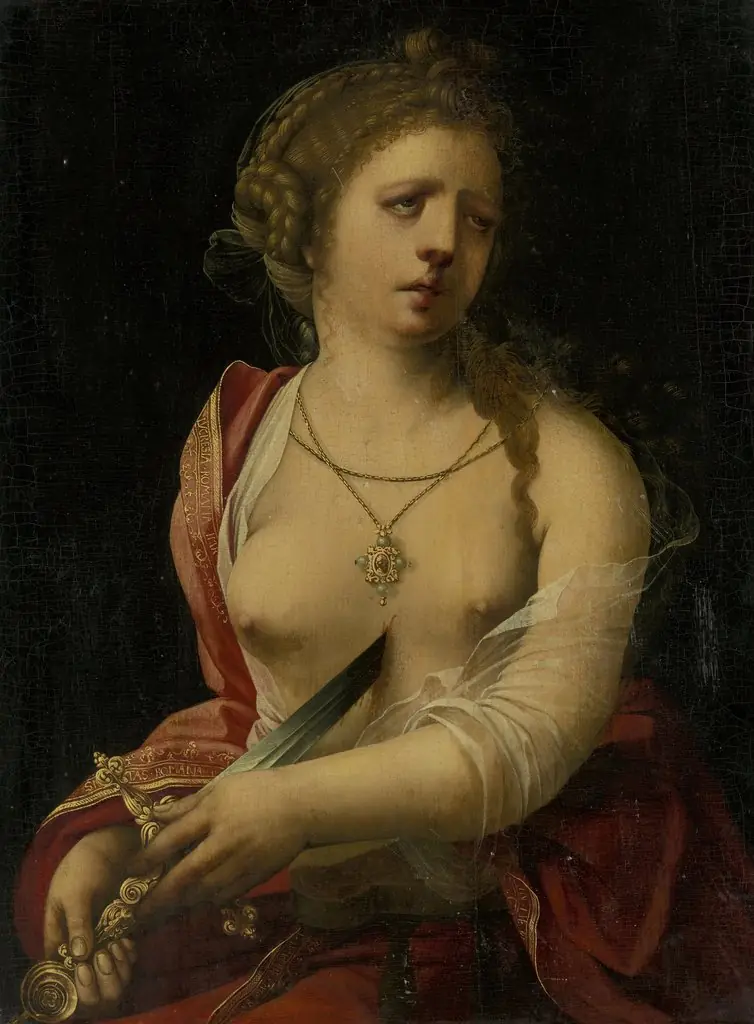
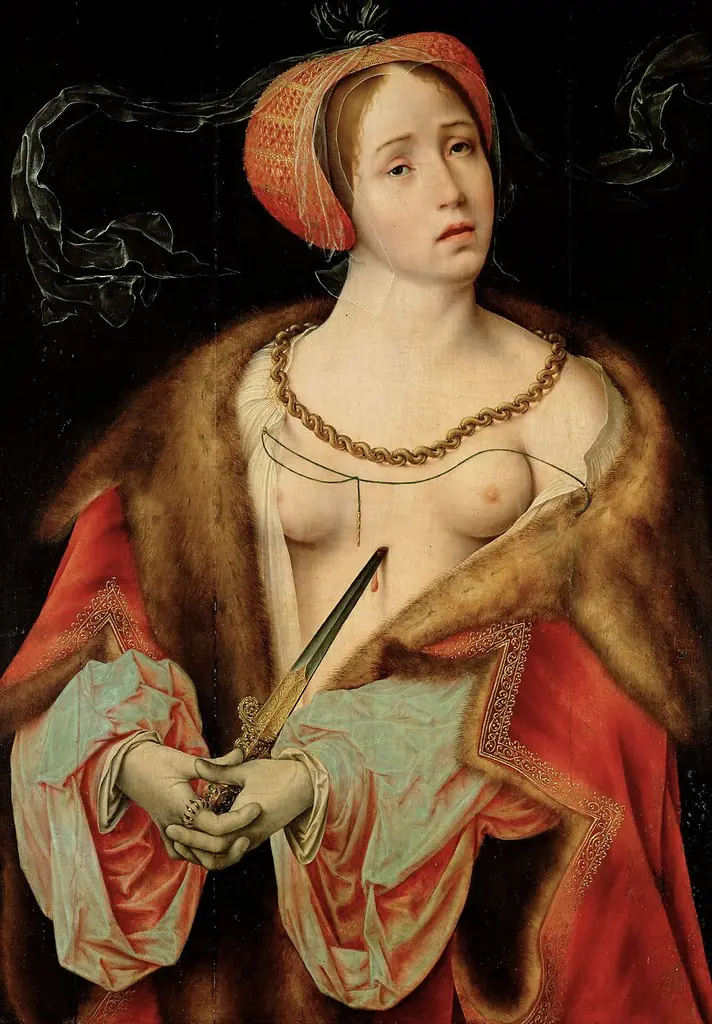
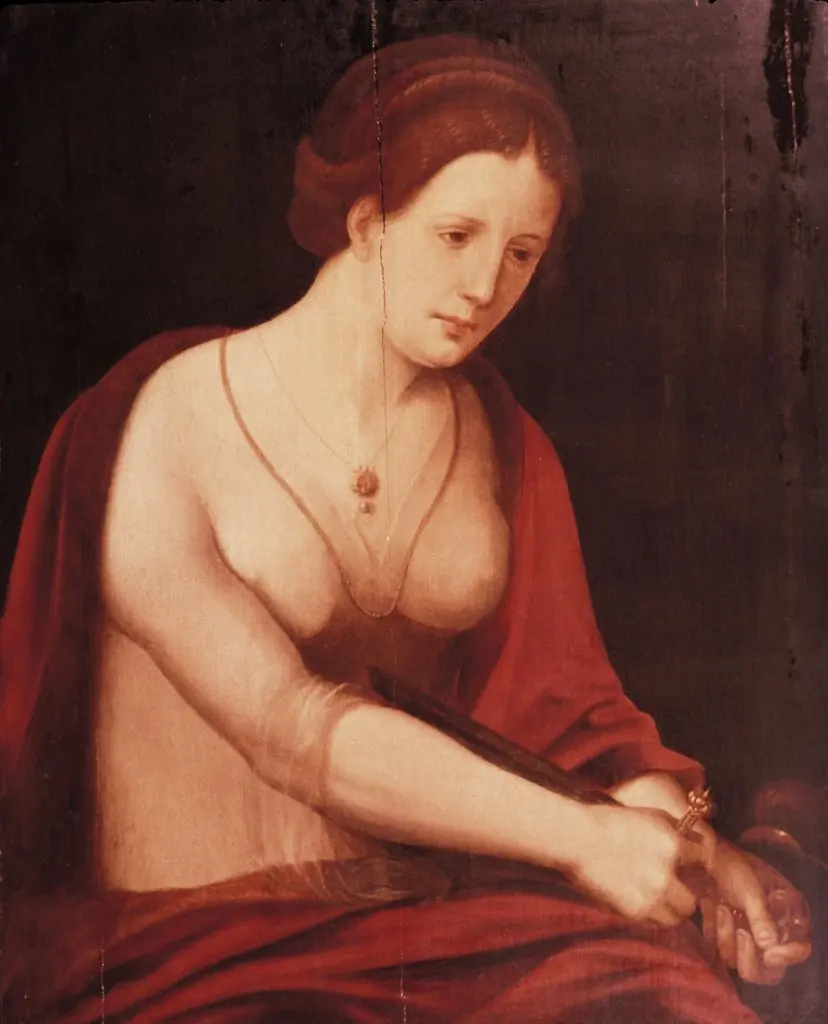
The composition portrays the Roman heroine Lucretia at the moment of her self‑inflicted death. She stands centrally, clutching a dagger in her right hand, her white gown and dark belt contrasting with the dim surroundings. Her withdrawn hair, solemn gaze, and resigned posture convey the tragic resolve associated with the legendary narrative.
Technique & Style
Isenbrandt employs a restrained chiaroscuro, allowing the illuminated figure to emerge from a shadowy interior. The handling of oil paint is smooth and conservative, reflecting the artist’s adherence to earlier Netherlandish conventions while hinting at emerging Renaissance sensibilities.
History & Provenance
Documented as a leading workshop head in early sixteenth‑century Bruges, Isenbrandt produced primarily devotional images. *The Suicide of Lucretia* entered the Alte Pinakothek’s collection at an unspecified date, joining other works that illustrate the transition in Northern European painting during the period.
Artist & collection
Artist
Adriaen Isenbrandt or Adriaen Ysenbrandt (between 1480 and 1490 – July 1551) was a painter in Bruges, in the final years of Early Netherlandish painting, and the first of the Dutch and Flemish Renaissance painting of the Northern…

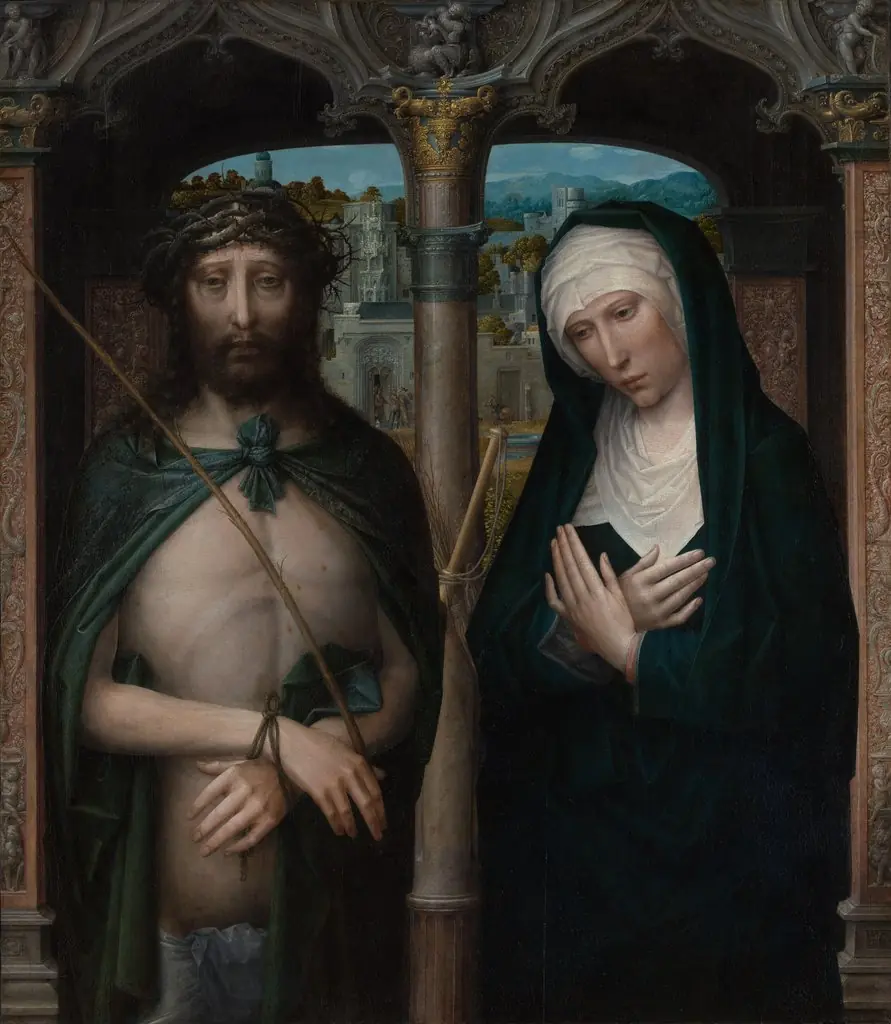 Christ Crowned with Thorns (Ecce Homo), and the Mourning Virgin
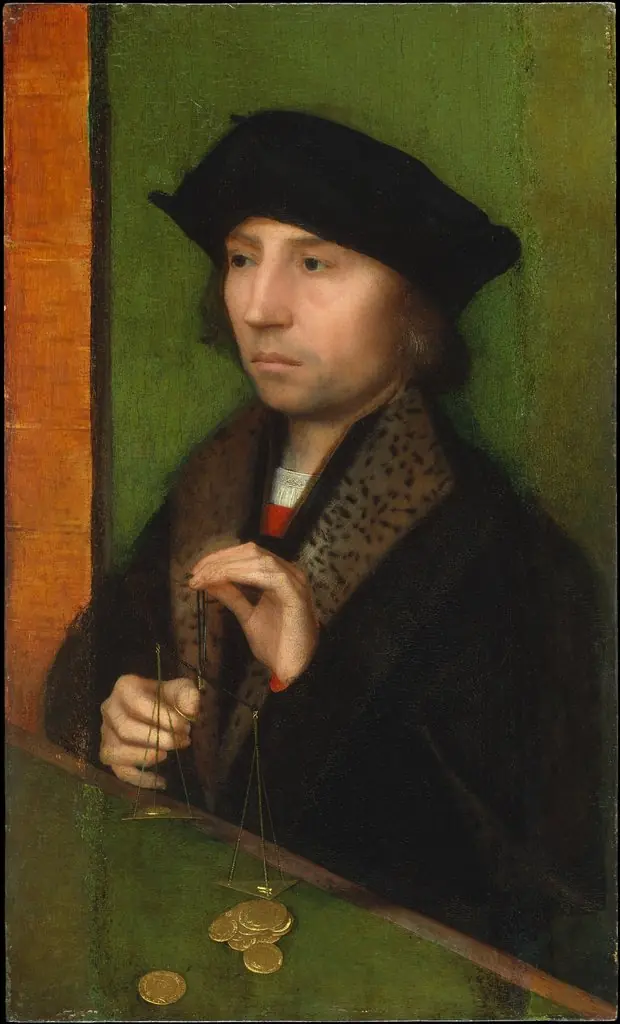 Man Weighing Gold
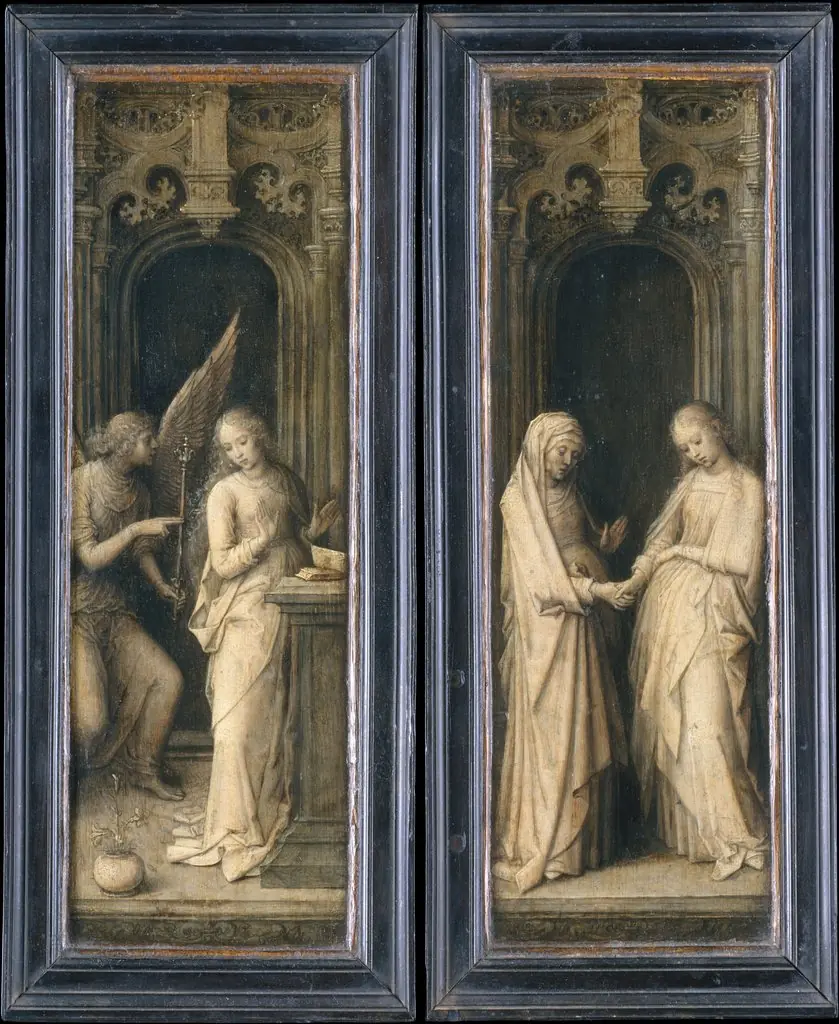 The Life of the Virgin
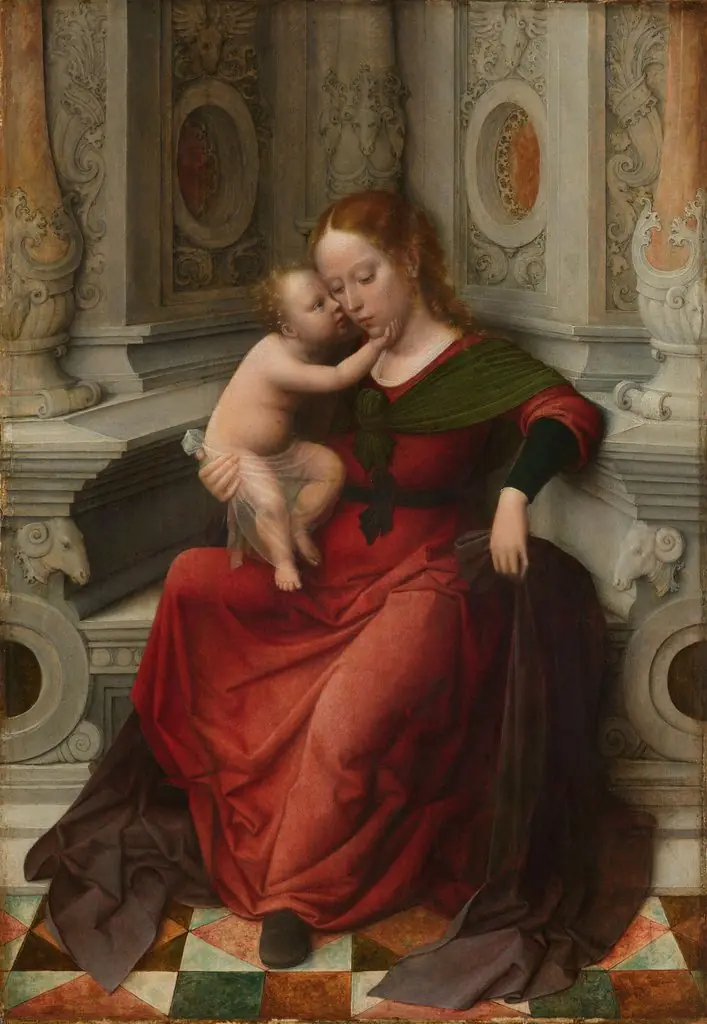 Virgin and Child
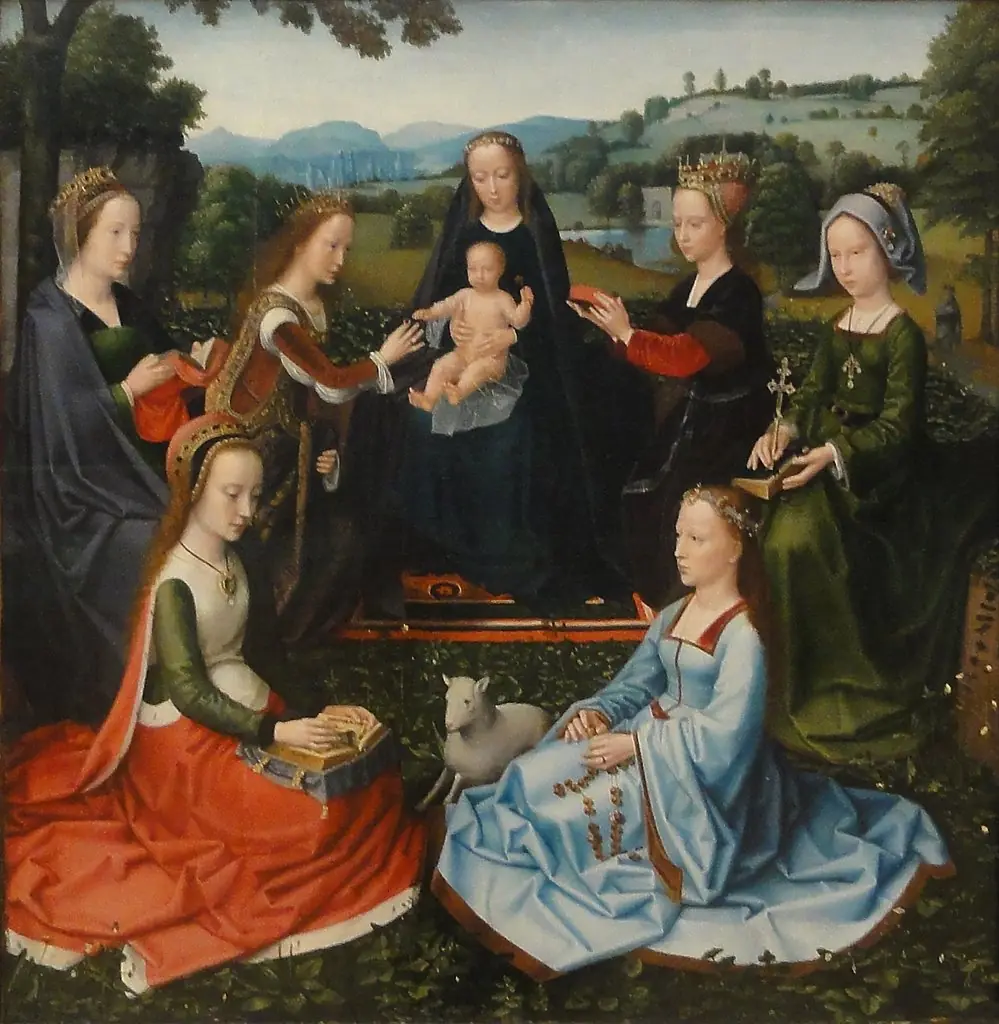 Madonna with Female Saint
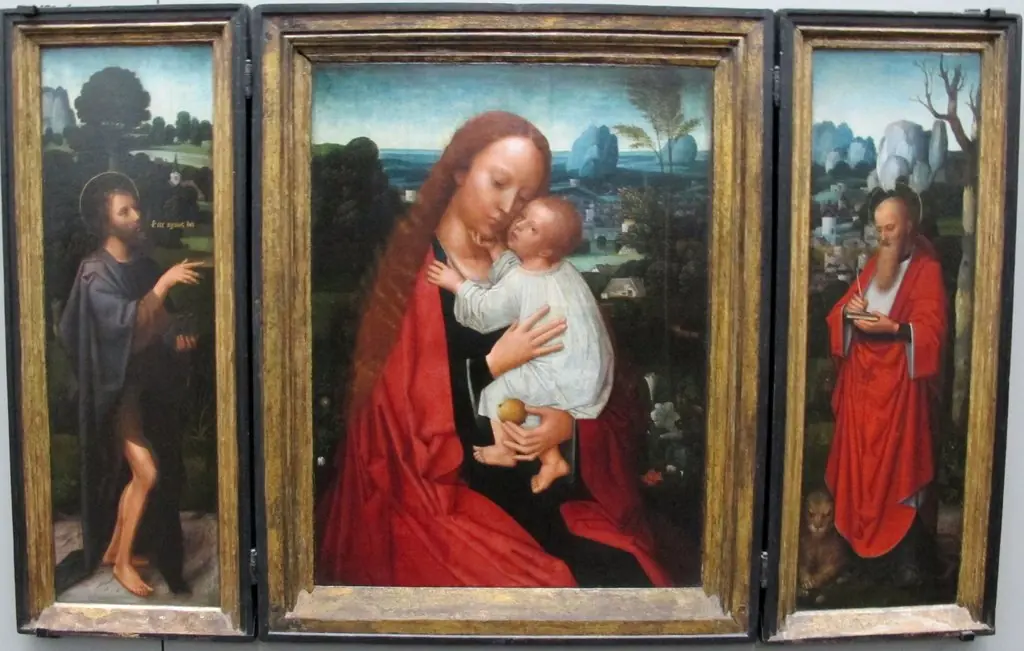 Madonna with John the Baptist and Saint Jerome
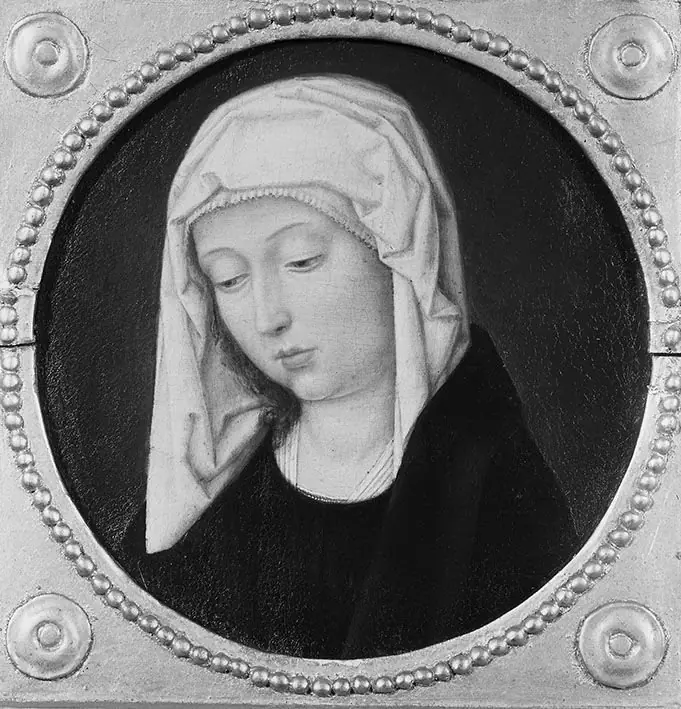 Holy Mary
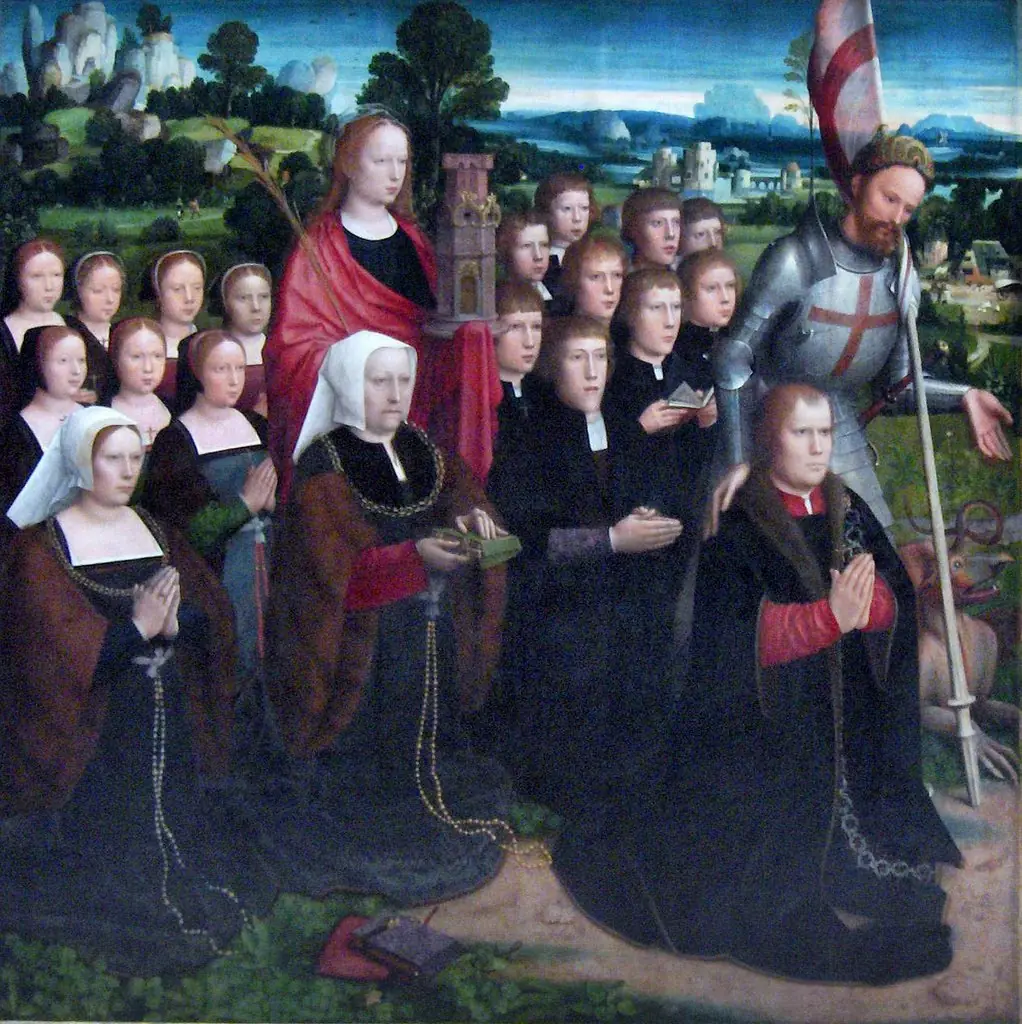 Our Lady of the Seven Sorrows (left wing of diptych: Joris van de Velde, his wife Barbara Le Maire and their children with Saints George and Barbara)