Artwork
Expulsion of Hagar
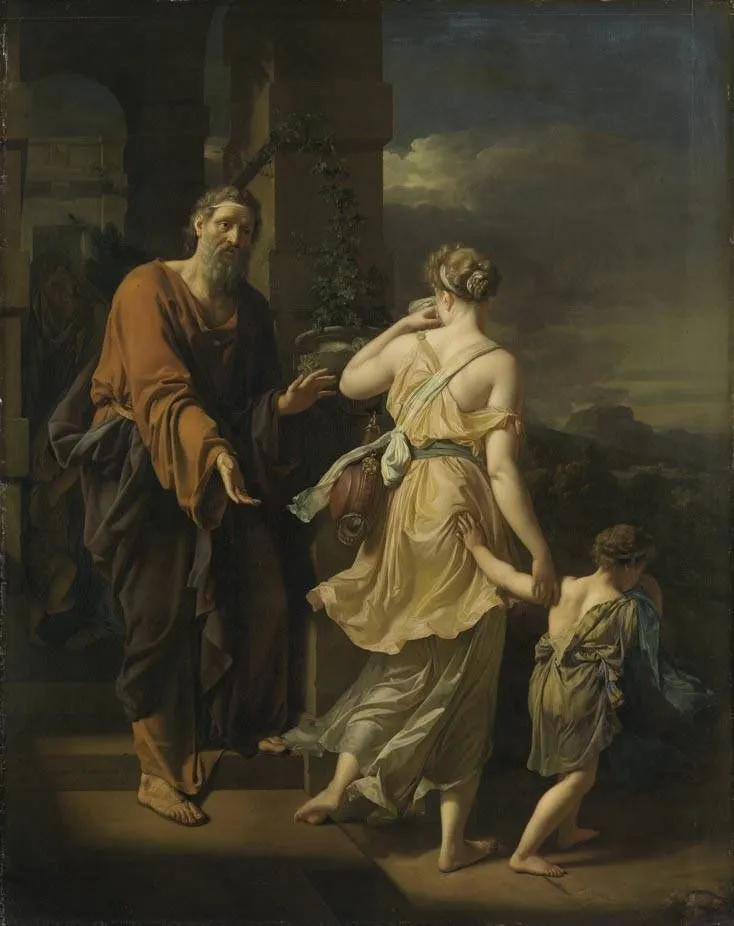
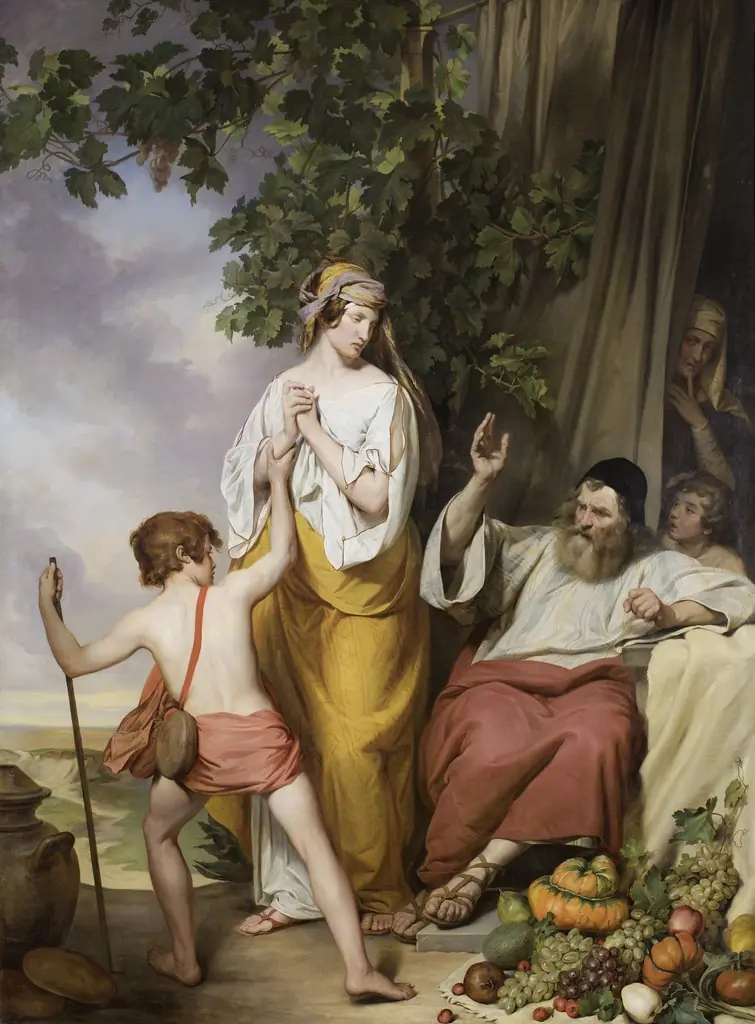
Expulsion of Hagar is an oil painting by the Rococo painting artist Adriaen van der Werff. It dates from 1701 and is held in the collection of the Bavarian State Painting Collections.
About this work
Overview
Adriaen van der Werff’s 1701 oil painting *Expulsion of Hagar* portrays the biblical episode in which Hagar and her son Ishmael are driven from Abraham’s household. Executed in the early Rococo period, the work is part of the Alte Pinakothek’s collection in Munich and exemplifies the artist’s skill in rendering narrative drama through composition and light.
Subject & Meaning
The composition centers on three figures: a stern man in a brown mantle gesturing authoritatively, Hagar in a yellow dress turning away with a resigned glance, and the infant Ishmael in a green robe trailing behind. The scene captures the moment of forced departure, emphasizing themes of exile, maternal devotion, and divine providence as recounted in Genesis.
Technique & Style
Van der Werff employs a refined chiaroscuro, using strong contrasts between illuminated flesh tones and deep shadows to model the bodies and create spatial depth. The soft, pastel palette and delicate brushwork reflect Rococo sensibilities, while the precise rendering of fabrics and facial expressions demonstrates the artist’s academic training and attention to detail.
History & Provenance
Completed in 1701, the painting entered the Alte Pinakothek’s holdings in the 19th century, where it remains on display. Van der Werff, who had previously worked for the Medici court and often collaborated with his brother Pieter—his pupil and assistant—produced the work during a prolific phase that combined portraiture, devotional subjects, and mythological narratives.
Artist & collection
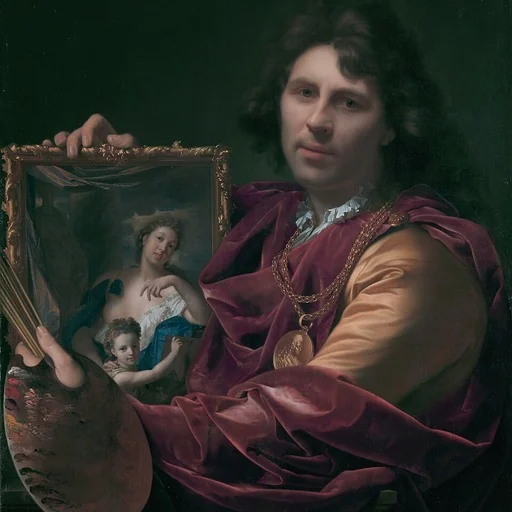
Artist
Adriaen van der Werff (21 January 1659 – 12 November 1722) was a Dutch painter of portraits and erotic, devotional and mythological scenes.

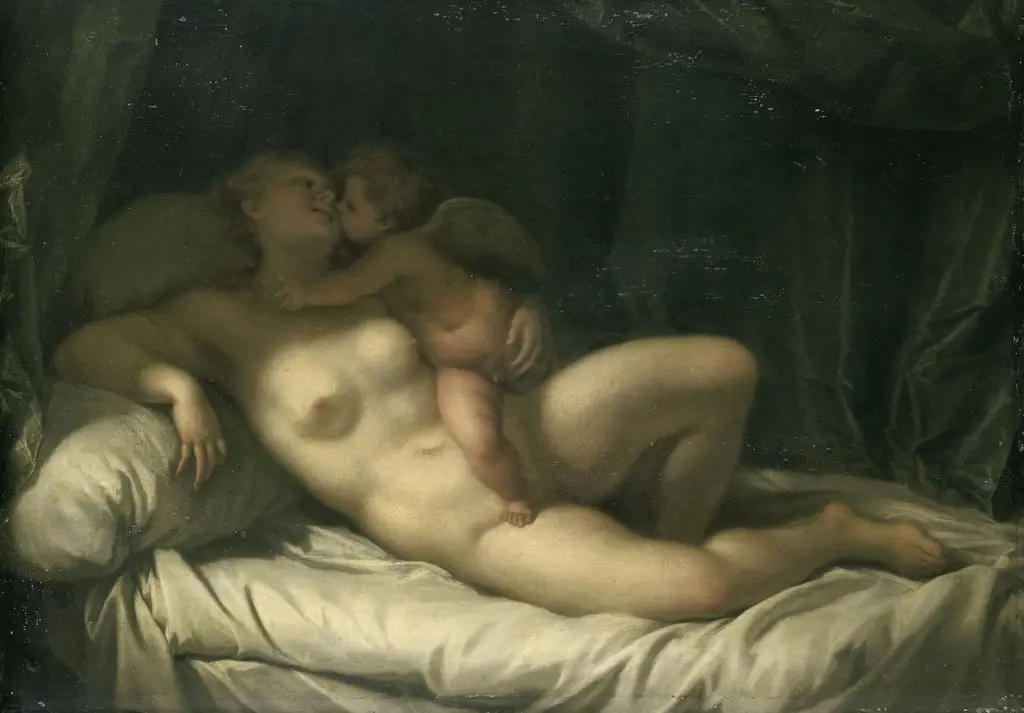 Cupid Kissing Venus (Venus Kissed by Amor)
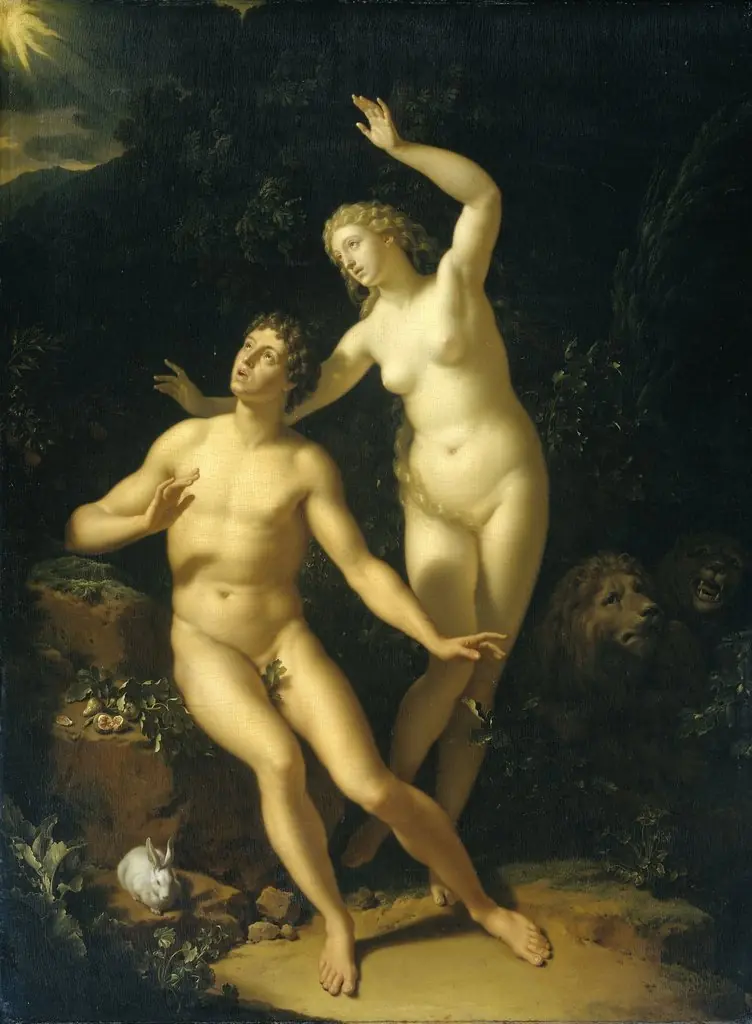 God Holds Adam and Eve Responsible
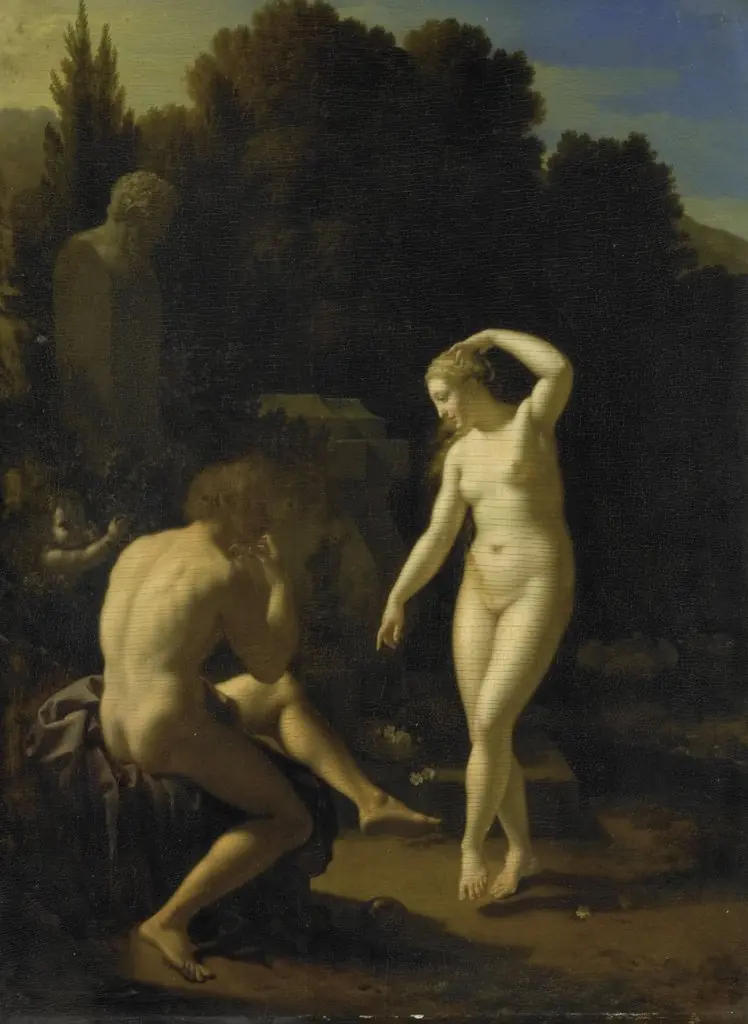 A Nymph Dancing to a Shepherd's Flute-Playing
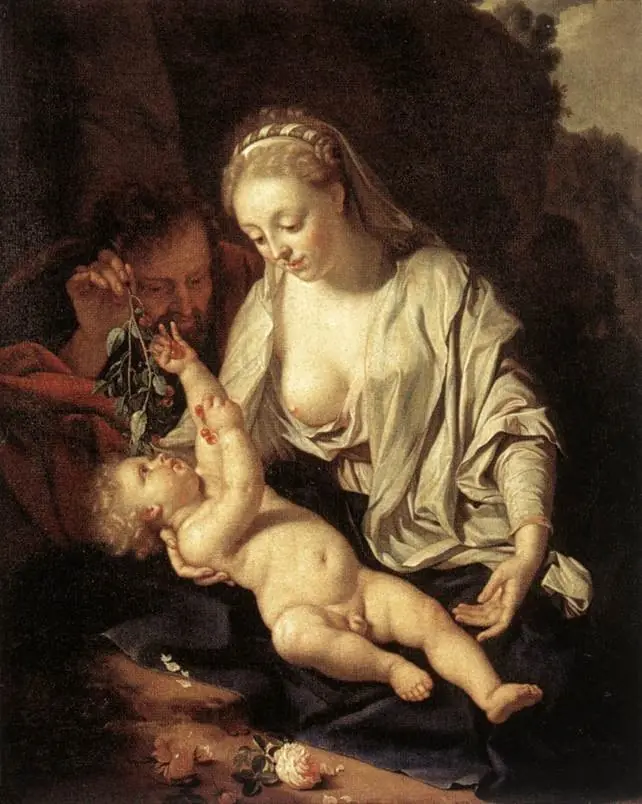 The Holy Family
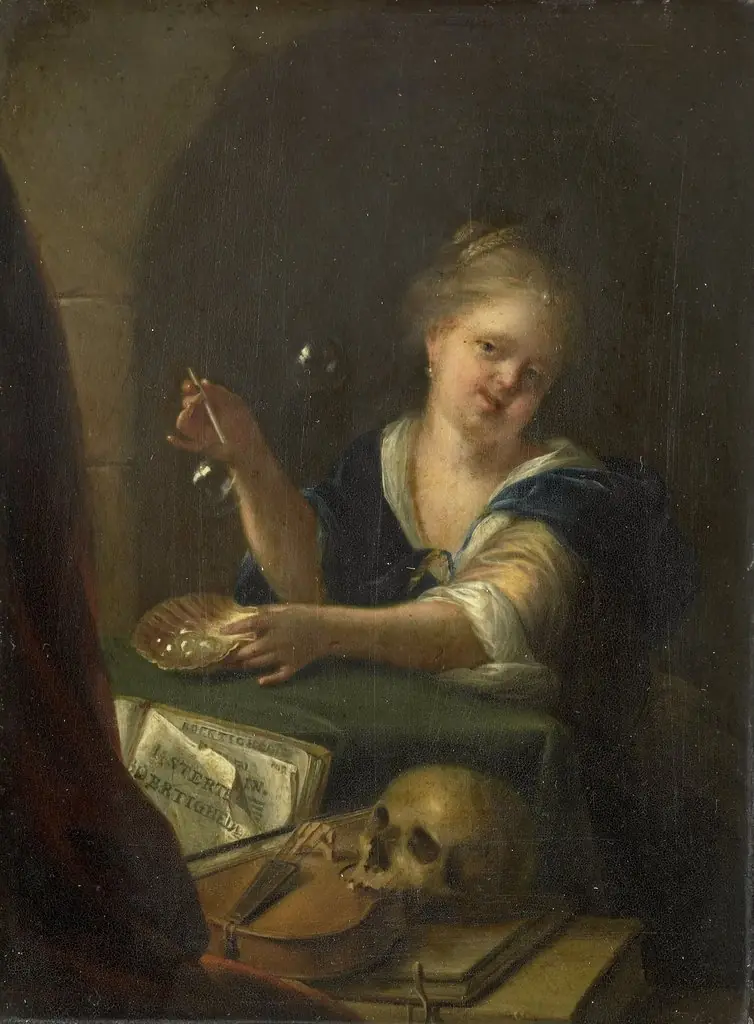 Bubble-blowing Girl with a Vanitas Still Life
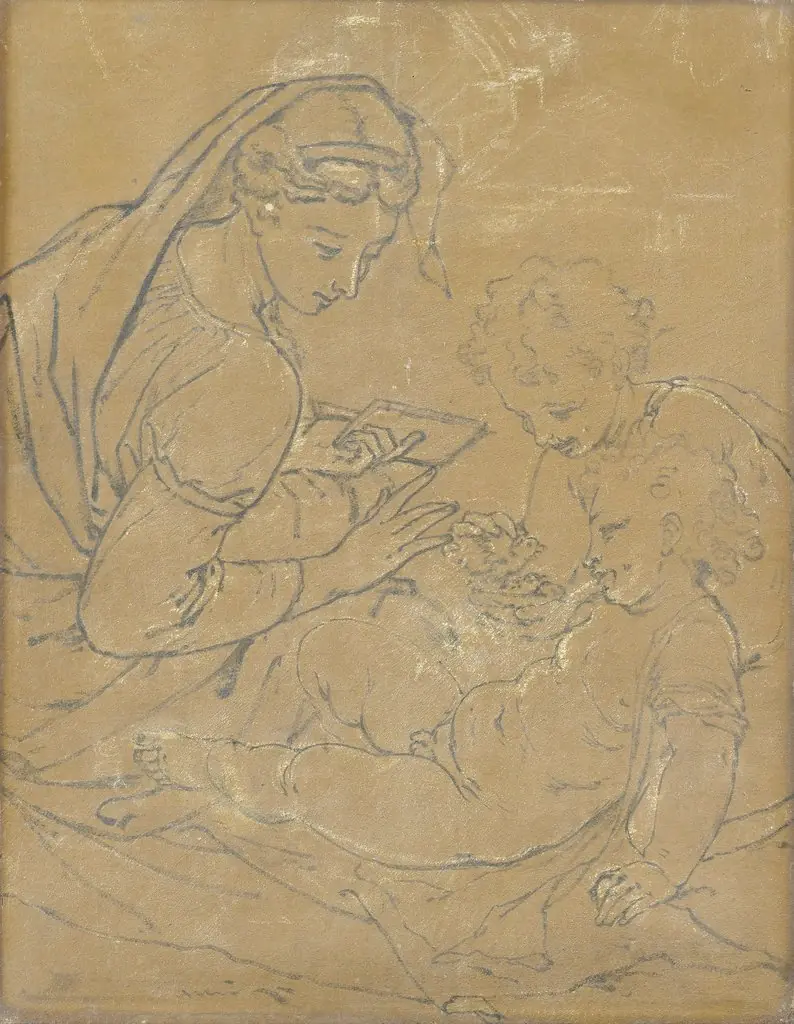 Virgin and Child with Saint John (chalk sketch)
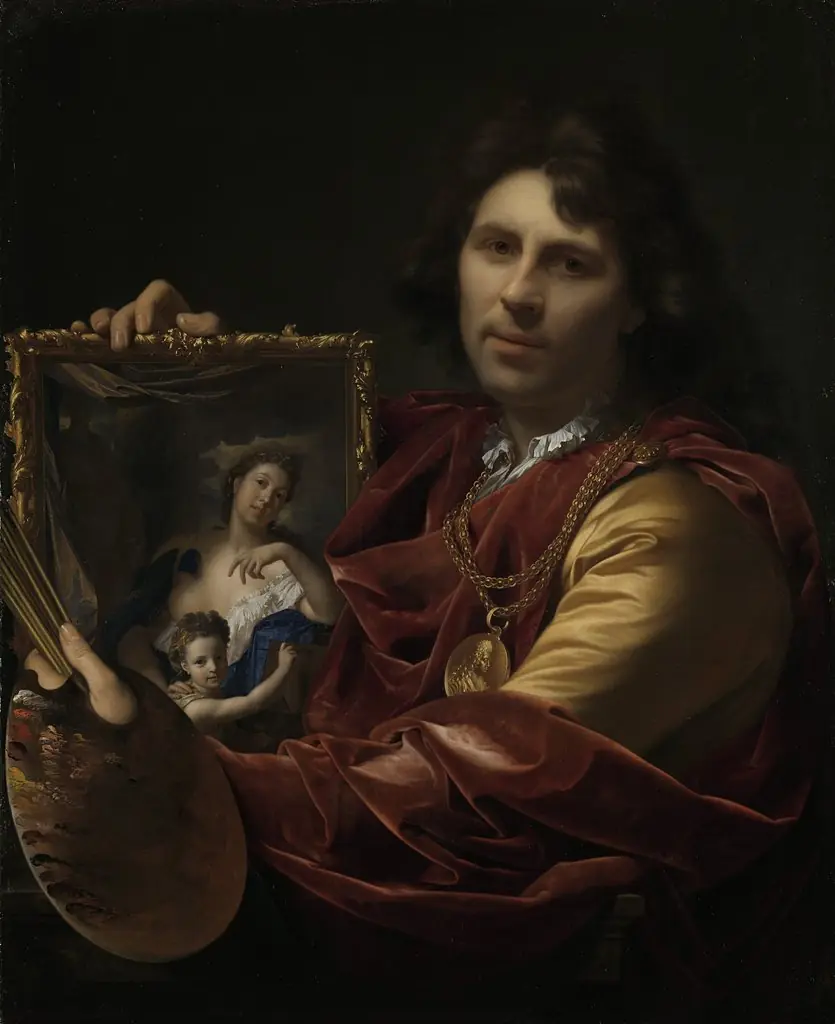 Self-portrait with the Portrait of his Wife, Margaretha van Rees, and their Daughter Maria
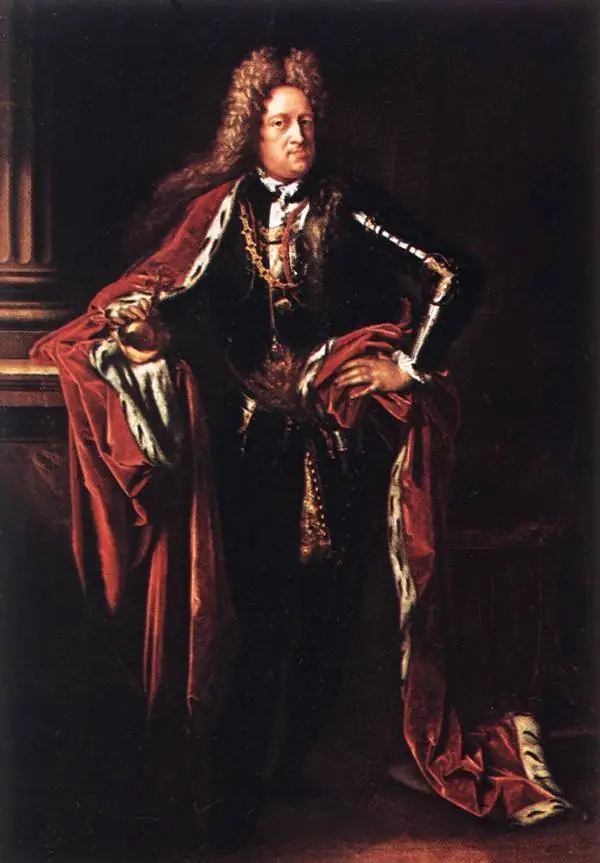 Portrait of Johann Wilhelm Elector of Palatine (1658-1716)