Artwork
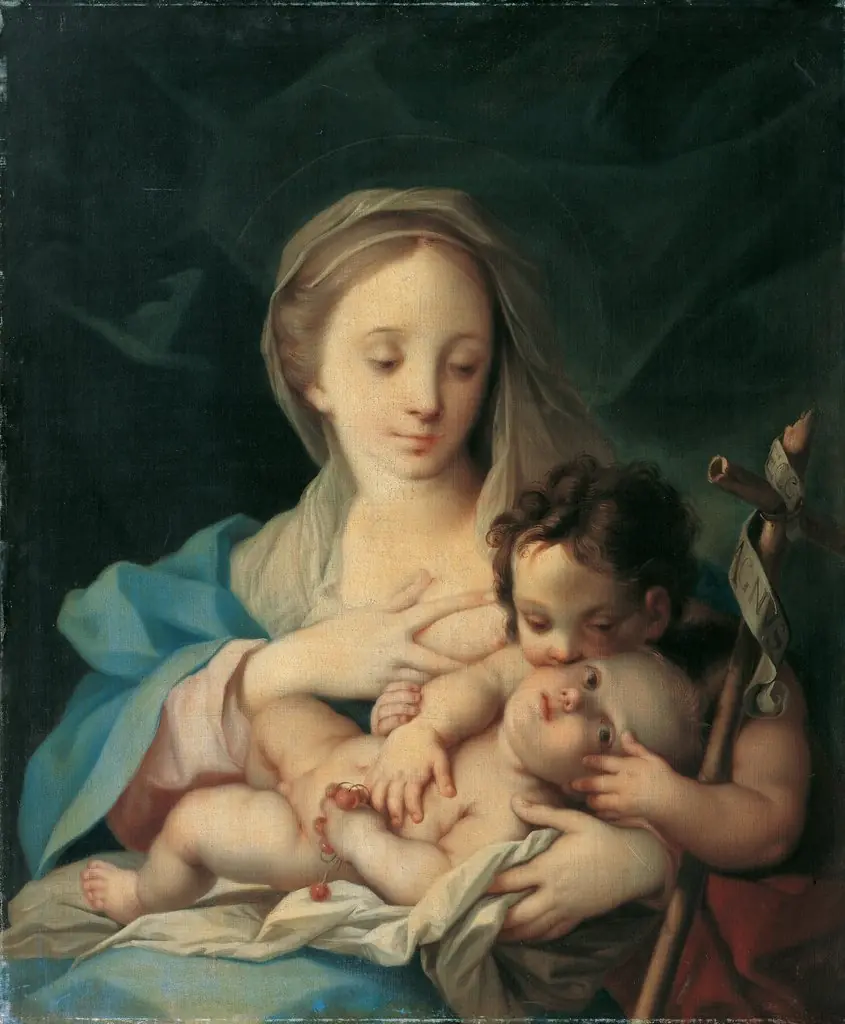
Mary with Holy Infants
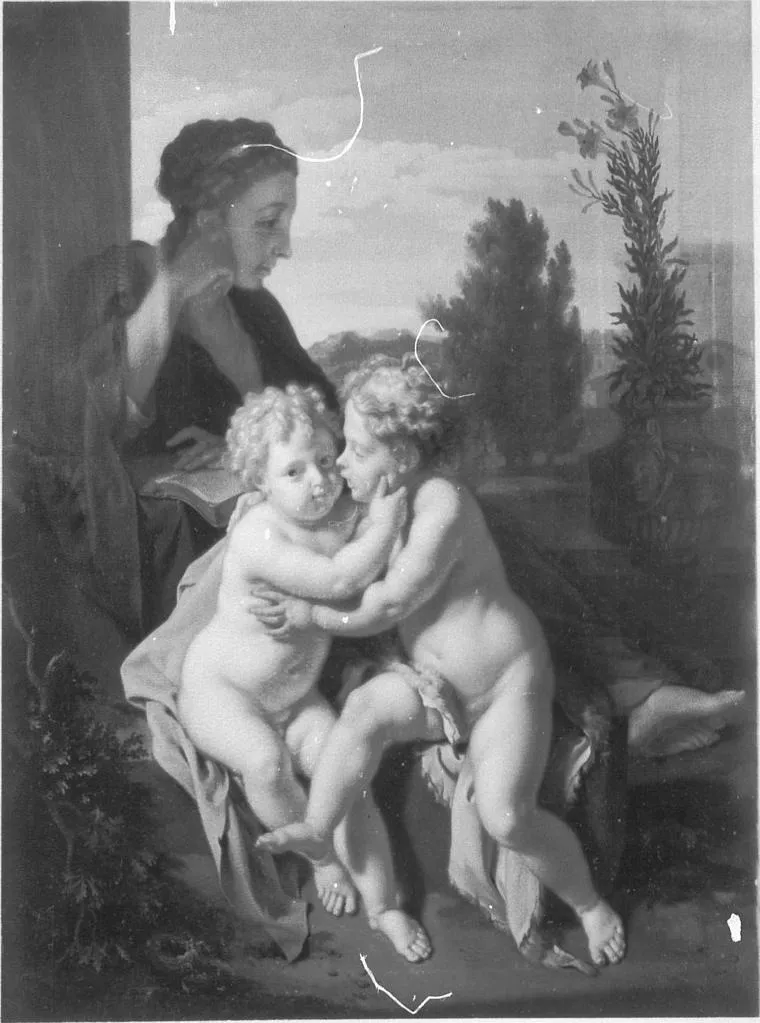
Mary with Holy Infants is an oil painting by the Rococo painting artist Adriaen van der Werff. It dates from 1715 and is held in the collection of the Staatliche Kunstsammlungen Dresden.
About this work
Overview
This piece reflects his mature style, marked by soft modeling and careful attention to texture.
Adriaen van der Werff painted *Mary with Holy Infants* in 1715 using oil on panel. The work belongs to the collection of the Gemäldegalerie Alte Meister in Dresden. Van der Werff, a Dutch artist active in the late 17th and early 18th centuries, specialized in religious and portrait subjects, often blending devotional themes with refined technical detail. This piece reflects his mature style, marked by soft modeling and careful attention to texture.
Subject & Meaning
The painting portrays the Virgin Mary seated calmly, flanked by two putti engaged in playful interaction. The infants, traditionally symbolic of divine presence or heavenly joy, frame Mary as a figure of quiet contemplation. Rather than emphasizing doctrinal narrative, the scene evokes tenderness and domestic serenity, aligning with devotional practices that encouraged personal connection with sacred figures.
Technique & Style
Van der Werff employed oil paint with subtle chiaroscuro to model forms gently, enhancing the three-dimensionality of Mary and the putti. Delicate brushwork and layered glazes create a luminous skin tone and soft fabric textures. While the composition suggests Baroque sensitivity to emotion and movement, the handling of light and detail leans toward the refined elegance characteristic of early Rococo sensibilities in Dutch religious art.
History & Provenance
The painting entered the Gemäldegalerie Alte Meister’s collection in the 18th century, likely acquired during a period of active patronage of Dutch and Flemish works by the Saxon court. Van der Werff’s reputation extended beyond the Netherlands; he received commissions from European nobility, including members of the Medici family, which may have contributed to the circulation of his works in German collections.
Context
In early 18th-century Northern Europe, religious imagery remained popular despite growing secular trends. Van der Werff’s approach—intimate, emotionally restrained, and technically polished—responded to private devotional needs rather than public liturgical demands. His work stood apart from the dramatic intensity of Italian Baroque, favoring quietude and refined detail suited to aristocratic interiors.
Legacy
Van der Werff’s influence endured through his workshop, where his brother Pieter assisted and later continued his style. Though later critics dismissed his work as overly sentimental, modern scholarship recognizes his role in bridging Dutch realism with emerging Rococo grace. *Mary with Holy Infants* exemplifies how religious themes were adapted to personal, domestic aesthetics in the early Enlightenment era.
Artist & collection
Artist
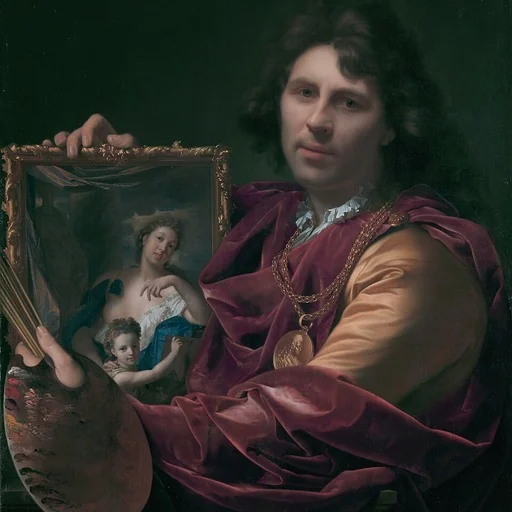
Adriaen van der Werff (21 January 1659 – 12 November 1722) was a Dutch painter of portraits and erotic, devotional and mythological scenes.

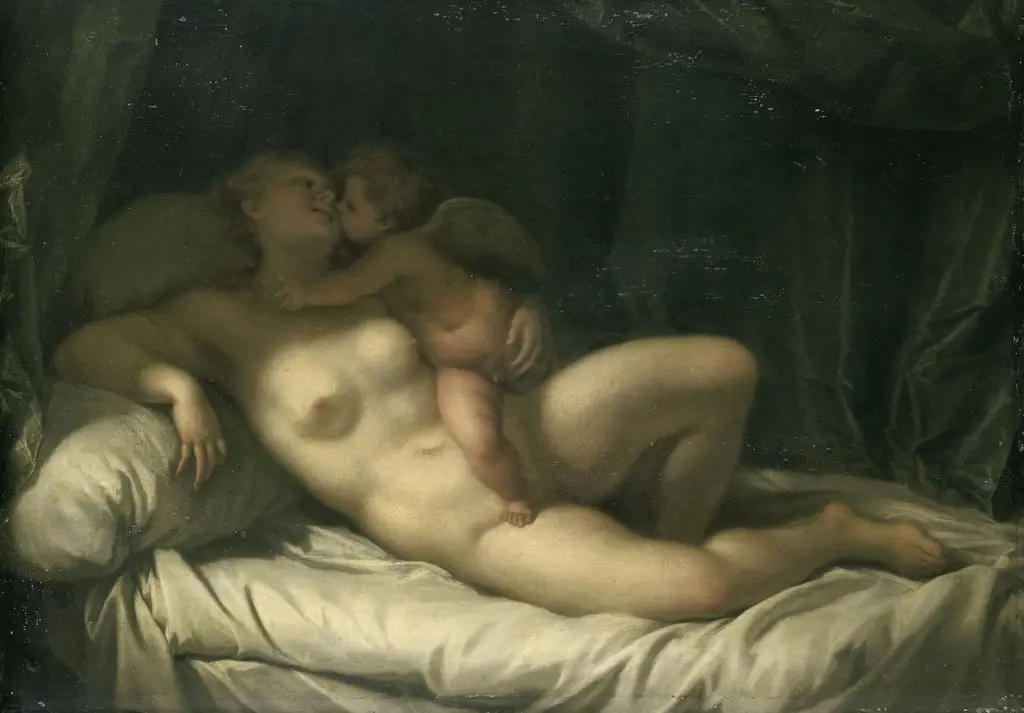 Cupid Kissing Venus (Venus Kissed by Amor)
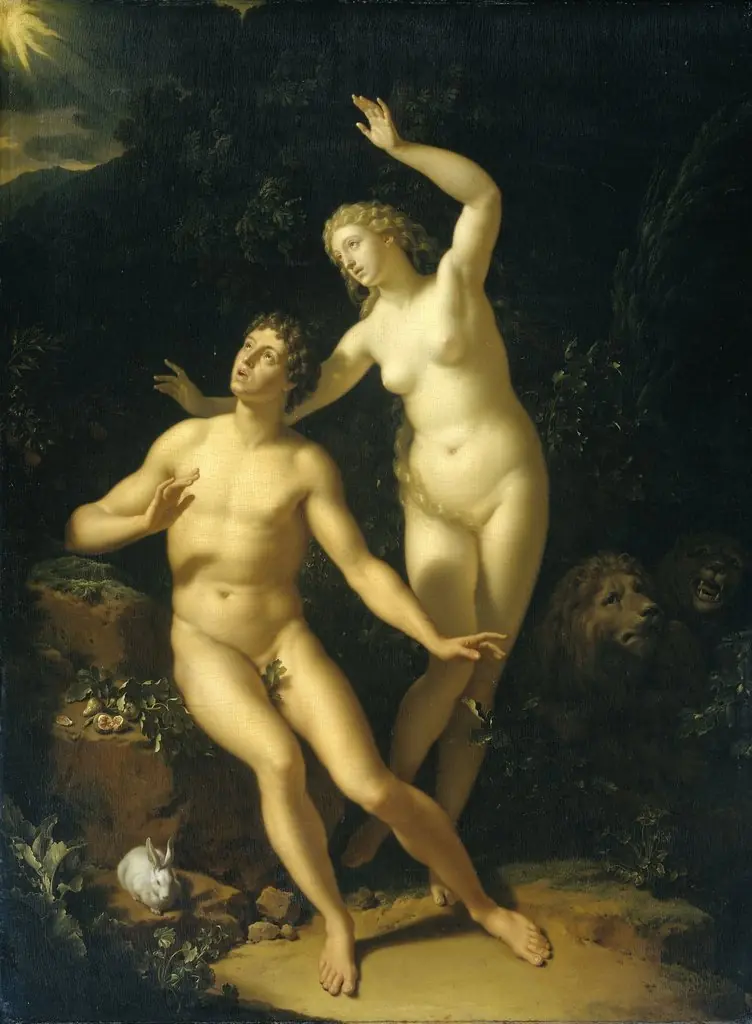 God Holds Adam and Eve Responsible
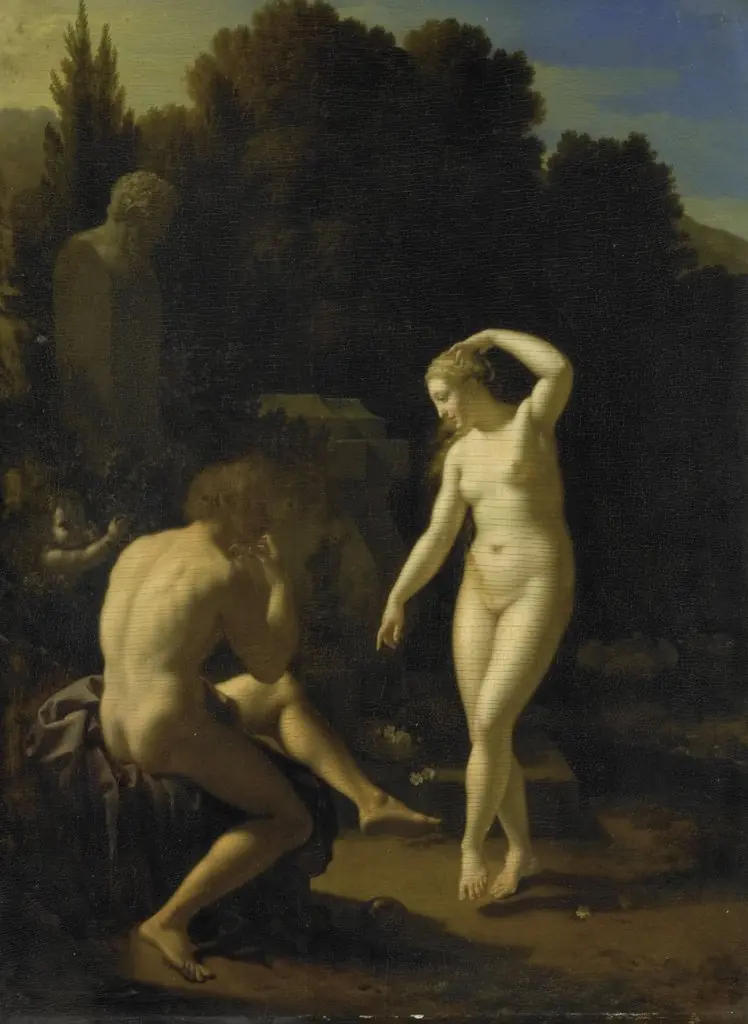 A Nymph Dancing to a Shepherd's Flute-Playing
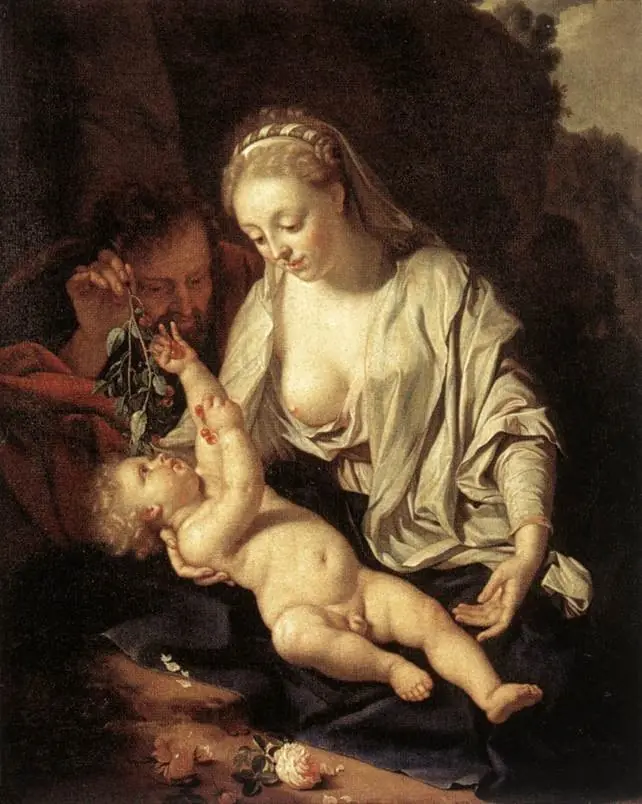 The Holy Family
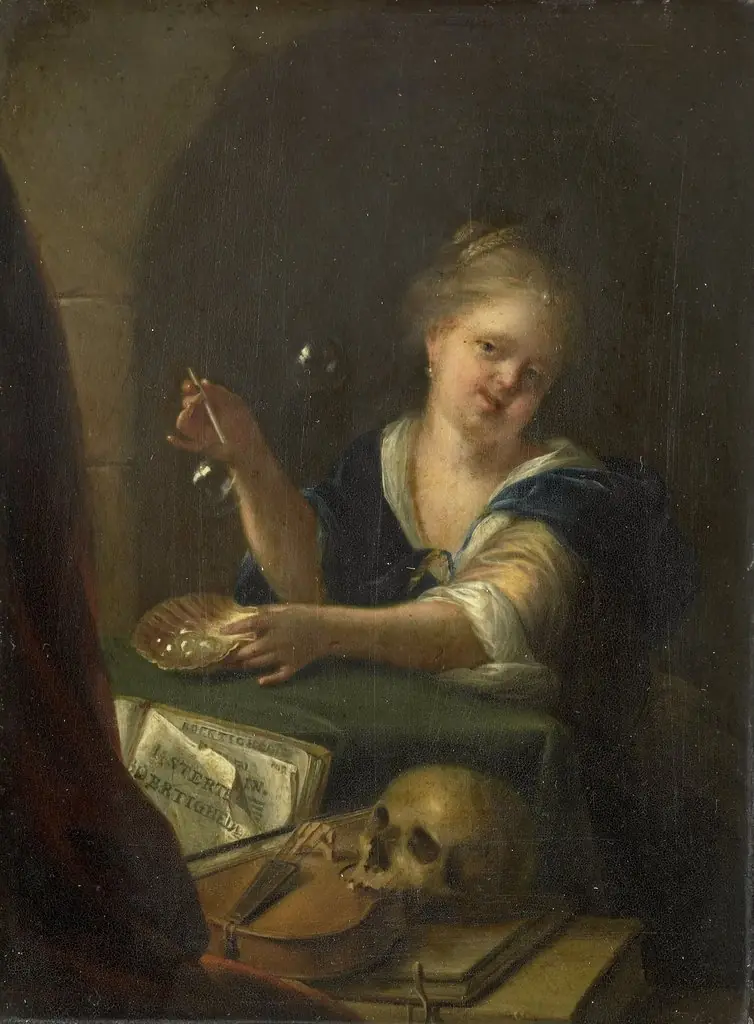 Bubble-blowing Girl with a Vanitas Still Life
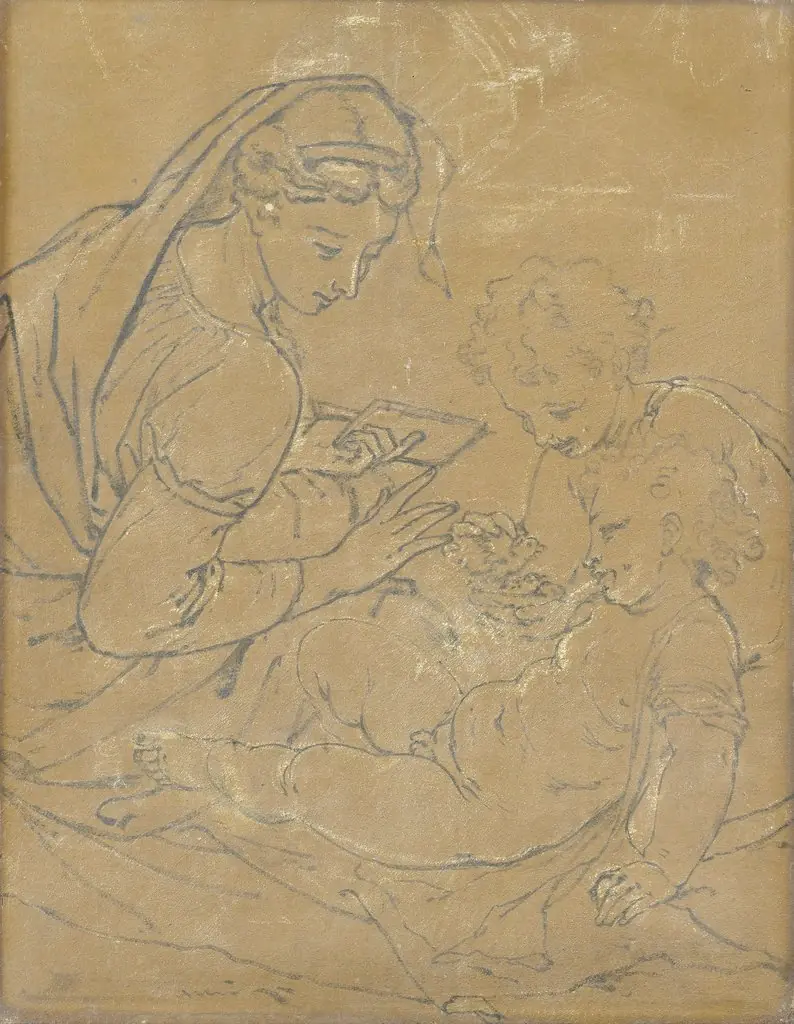 Virgin and Child with Saint John (chalk sketch)
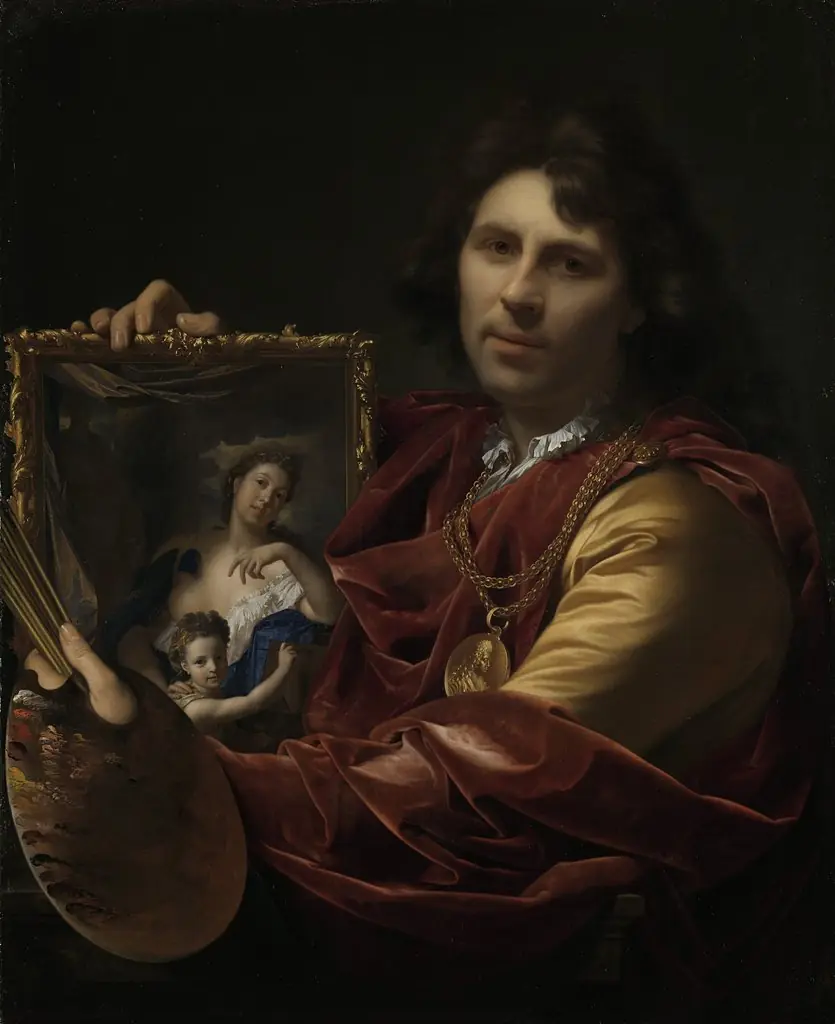 Self-portrait with the Portrait of his Wife, Margaretha van Rees, and their Daughter Maria
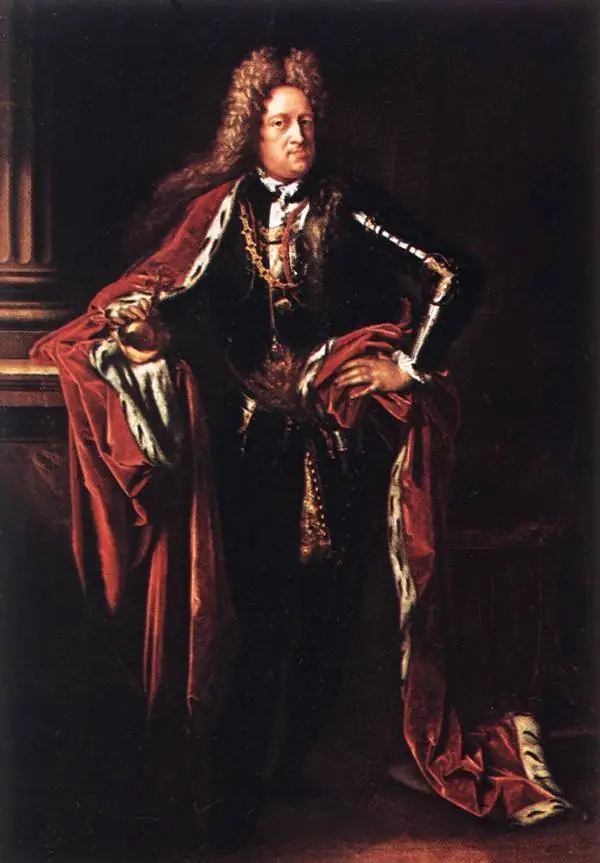 Portrait of Johann Wilhelm Elector of Palatine (1658-1716)
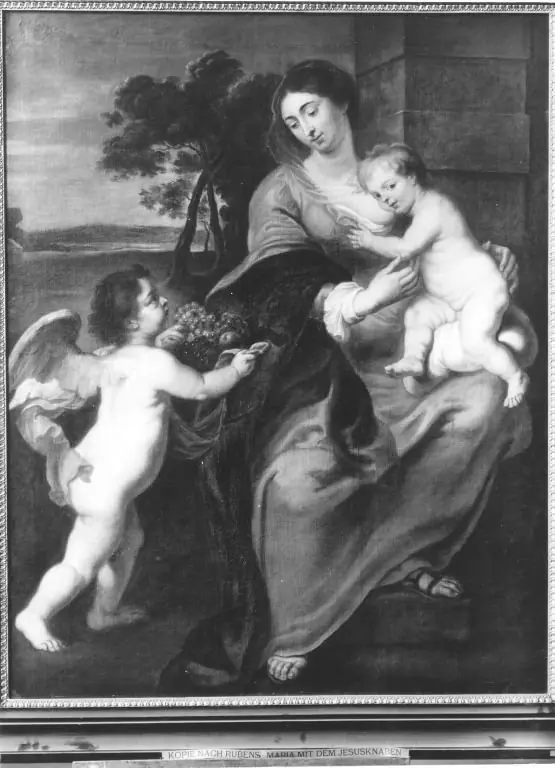 Maria mit Christuskind und einem Engel (Nachfolger)
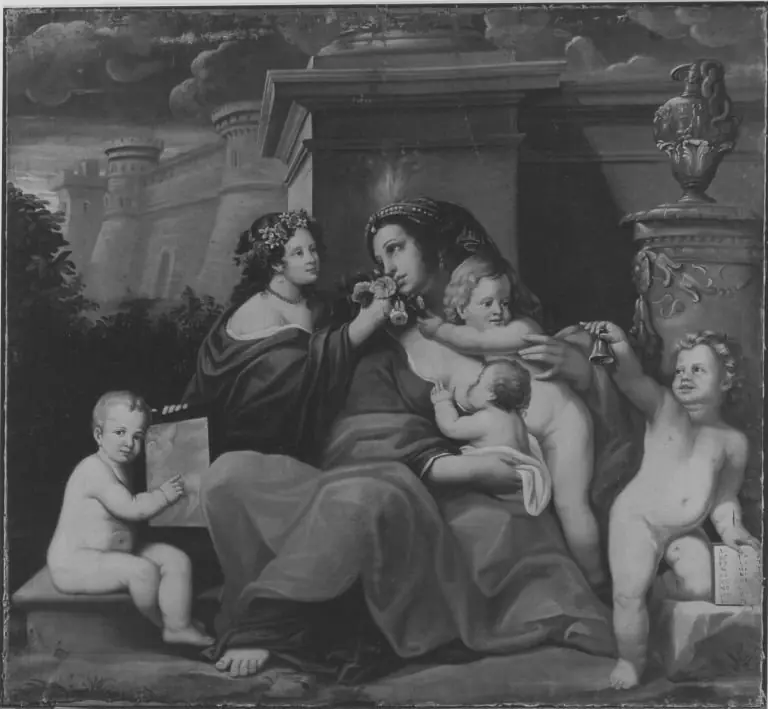 Die Fünf Sinne
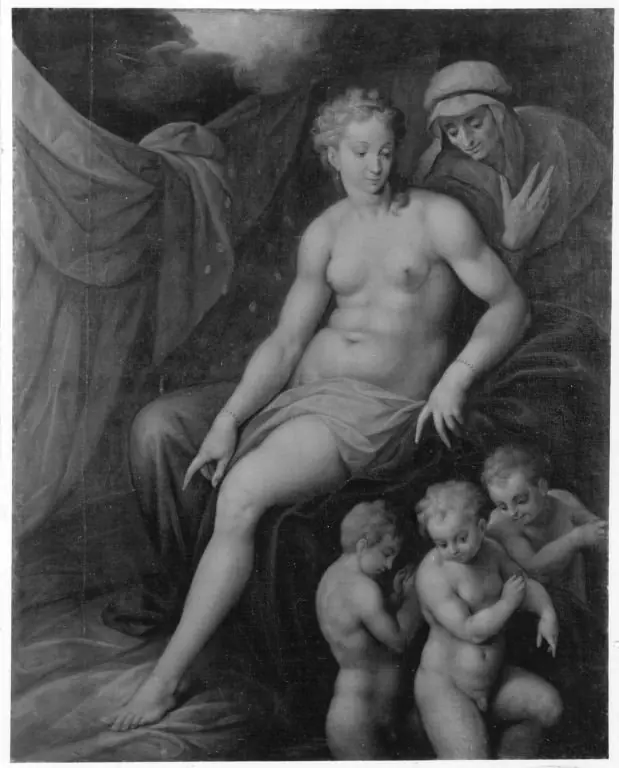 Danae im Goldregen
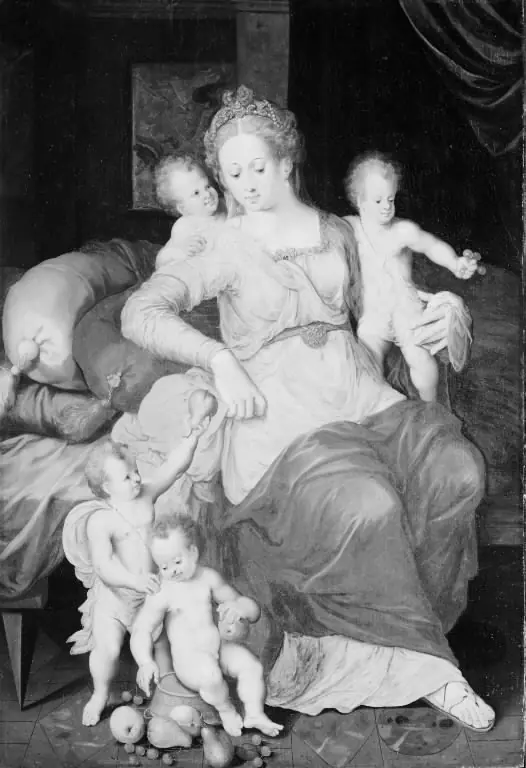 Mother with her Children
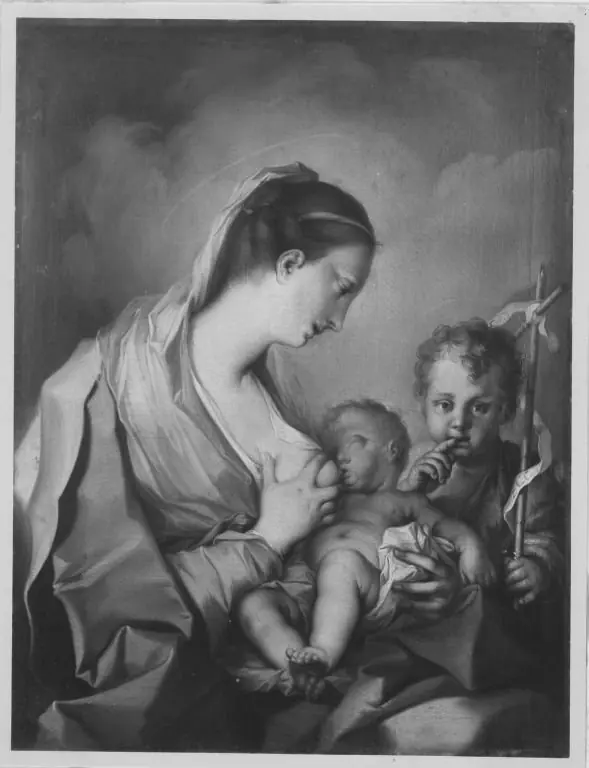 Maria mit Kind und Johannesknaben
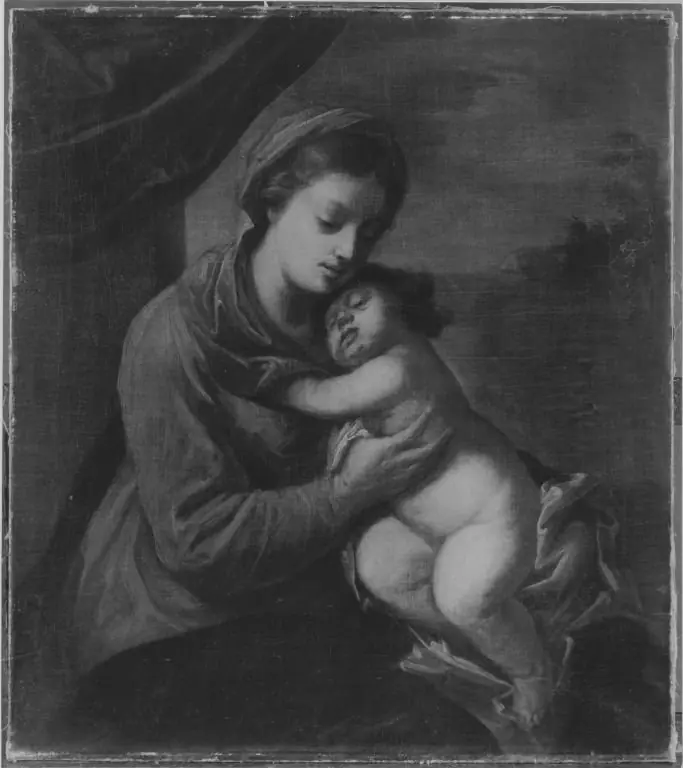 Maria mit dem Kind (?)
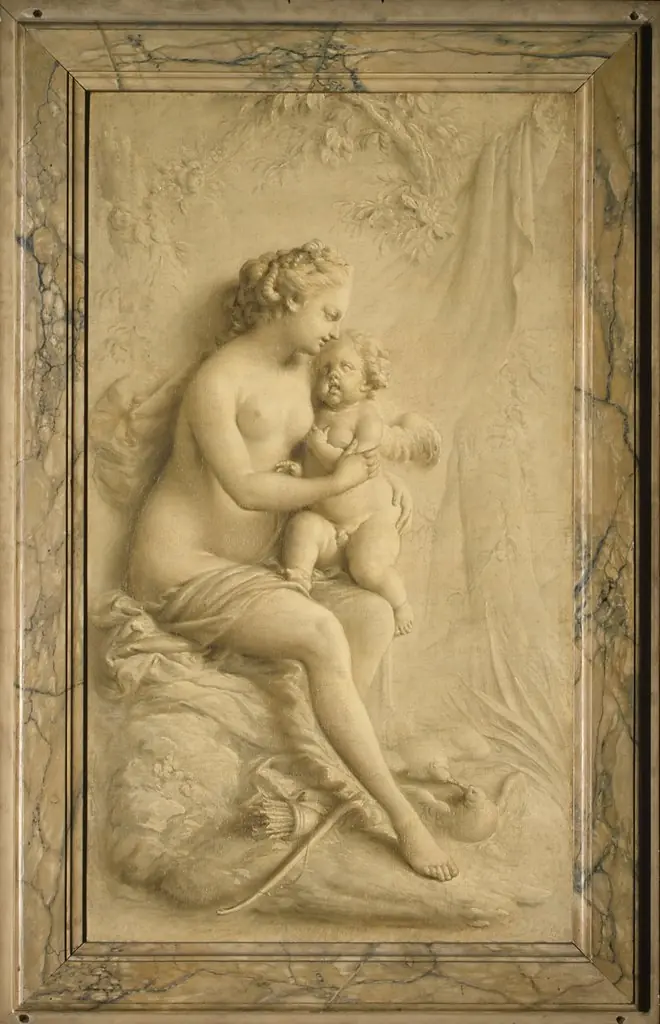 Venus and Cupid
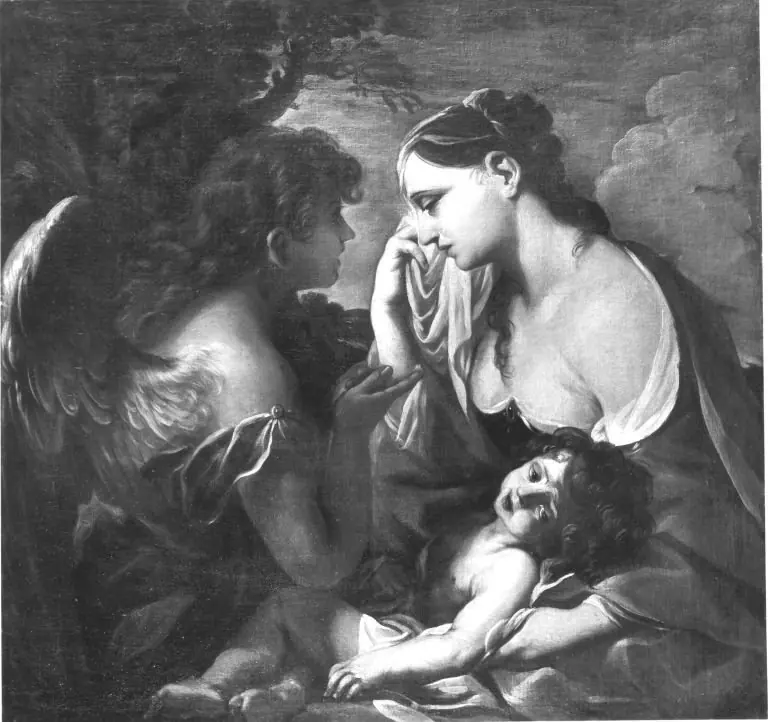 Hagar und Ismael (?)
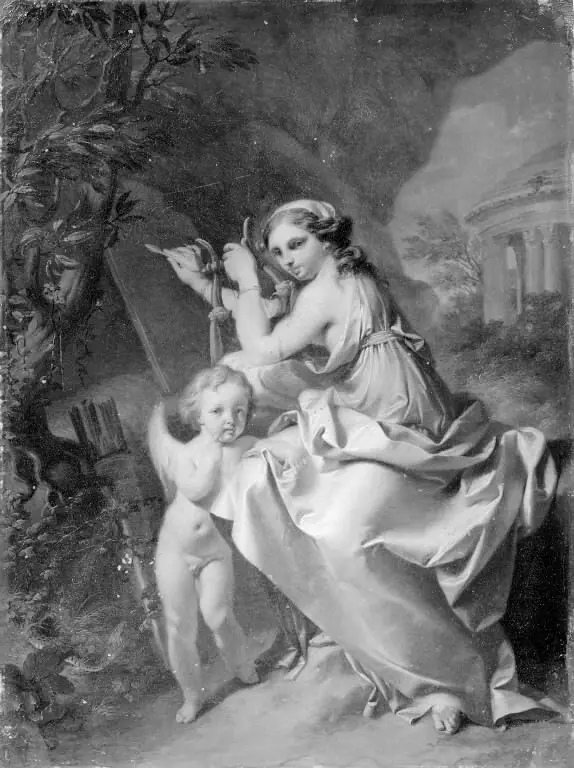 Sappho and Cupid
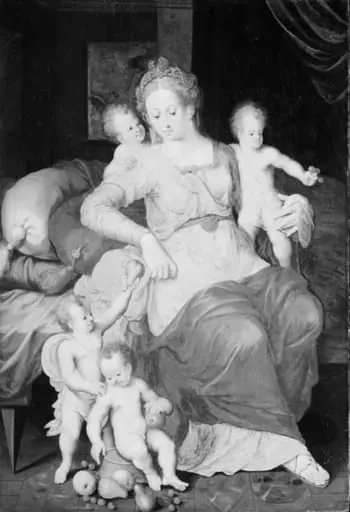 Mother with her Children
 Jesus und der Johannesknabe
 Mary with the Child and St John the Baptist