Artwork
Jesus und der Johannesknabe
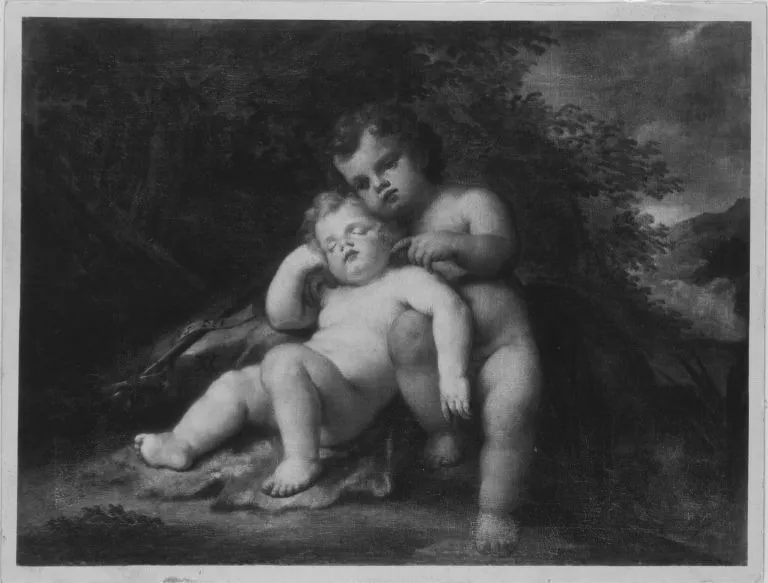
Jesus und der Johannesknabe is an unspecified painting by the Early Baroque Italian artist Andrea Vaccaro. It dates from 1637 and is held in the collection of the Bavarian State Painting Collections.
About this work
Overview
Andrea Vaccaro’s 1637 work *Jesus und der Johannesknabe* is an oil painting now in the Alte Pinakothek. Executed during the early Baroque period, the piece demonstrates the Neapolitan artist’s command of dramatic lighting and realistic flesh tones, hallmarks of his mature output for both local and Spanish patrons.
Subject & Meaning
The composition features two plump, nude cherubic figures, known as putti, intertwined in a shadowy, leafy niche. Their relaxed postures and gentle expressions convey themes of innocence and youthful affection, a common symbolic use of putti in religious and allegorical imagery.
Technique & Style
Vaccaro employs a pronounced chiaroscuro, allowing the boys’ luminous skin to emerge from the surrounding darkness. The handling of light on flesh creates a tactile sense of volume, echoing the influence of Caravaggio’s naturalistic approach while retaining the softer tonalities of early Baroque painting.
History & Provenance
Born in 1604, Vaccaro worked in Naples until his death in 1670, becoming one of the city’s most in‑demand painters. *Jesus und der Johannesknabe* entered the Alte Pinakothek collection at an unspecified date, joining a broader corpus of his religious commissions that were sought after by both Neapolitan and Spanish clients.
Context
In mid‑17th‑century Naples, artistic production was shaped by the dramatic visual language introduced by Caravaggio. Vaccaro’s early works, including this painting, reflect that environment, blending intense shadow with a tender, humanized portrayal of sacred subjects.
Artist & collection
Artist
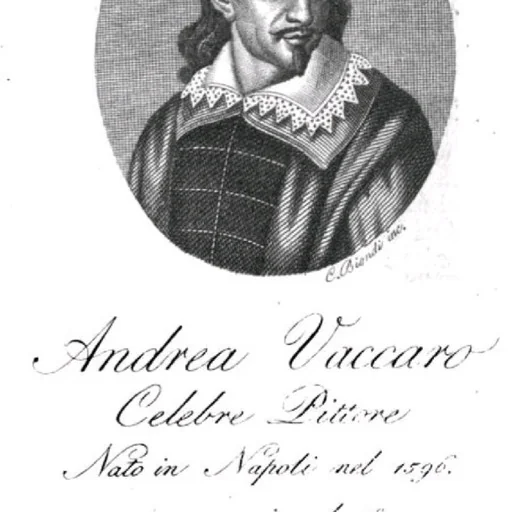
Andrea Vaccaro (baptised on 8 May 1604 – 18 January 1670) was an Italian painter of the Baroque period.

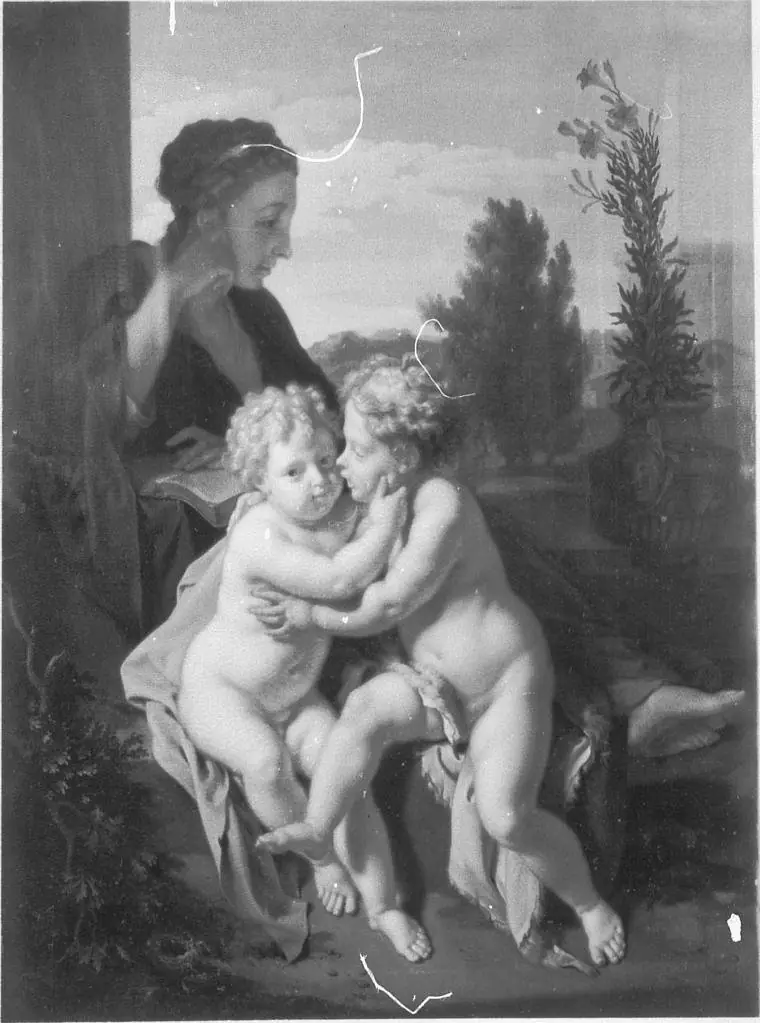 Mary with Holy Infants
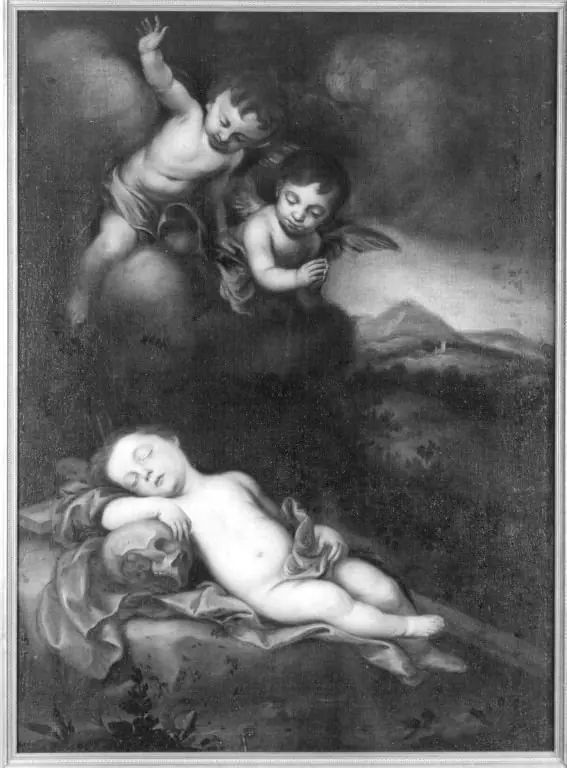 Schlafender Jesusknabe mit Engeln (Nachfolger)
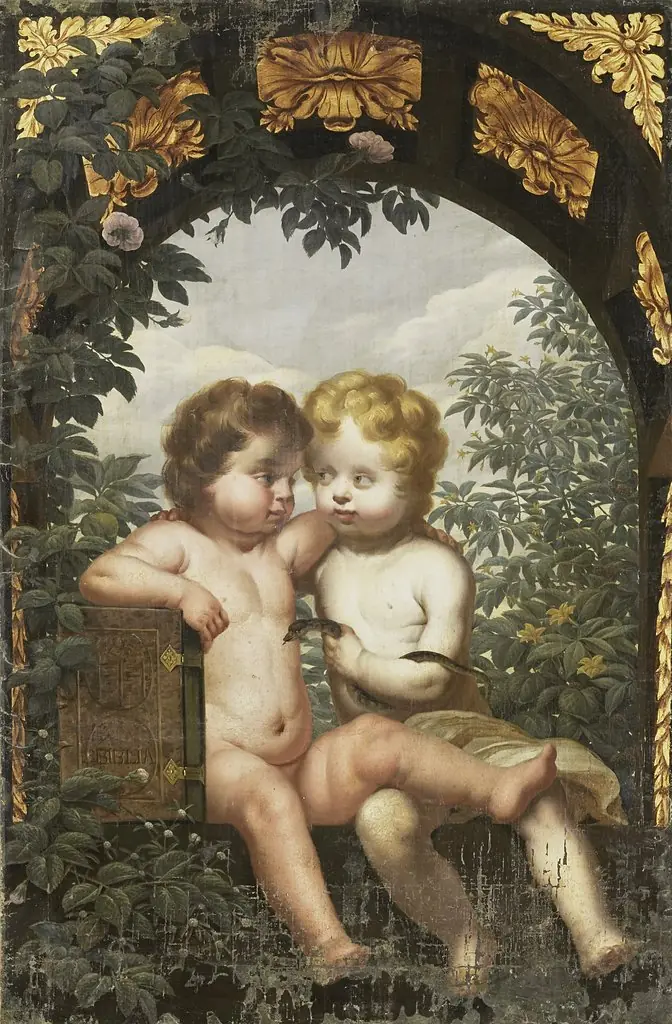 Christian Allegory with two Children with a Bible and Snake
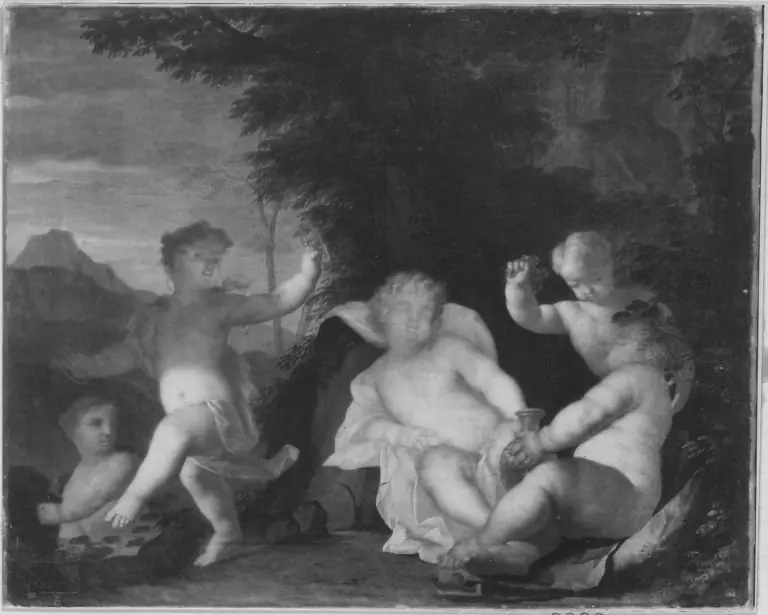 Der Herbst
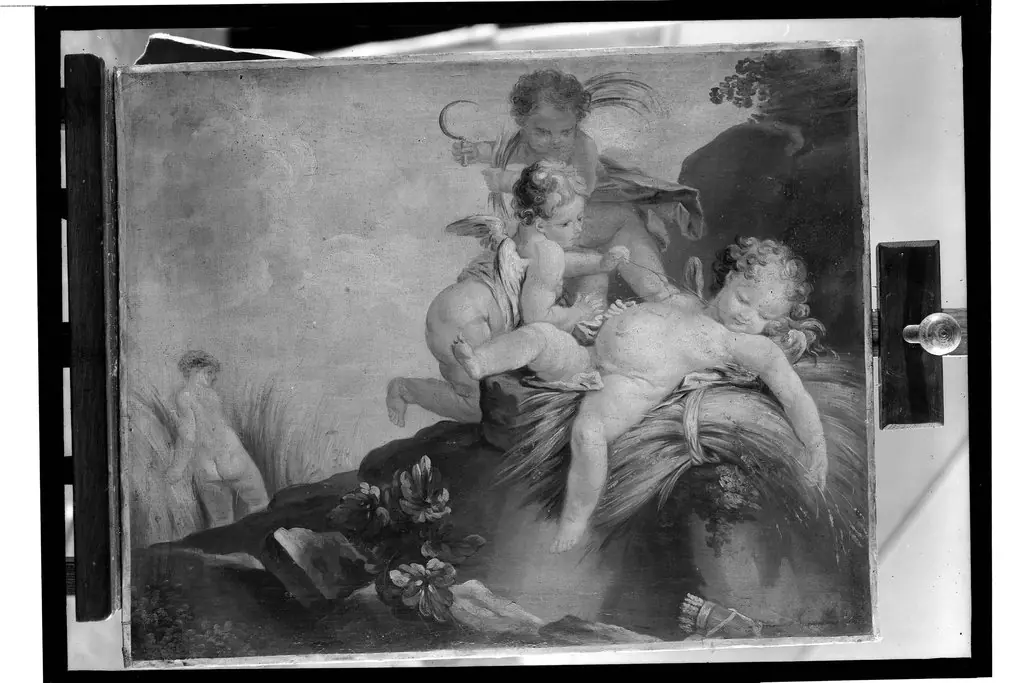 Putta playing in the grain field (L'amour moissonneur)
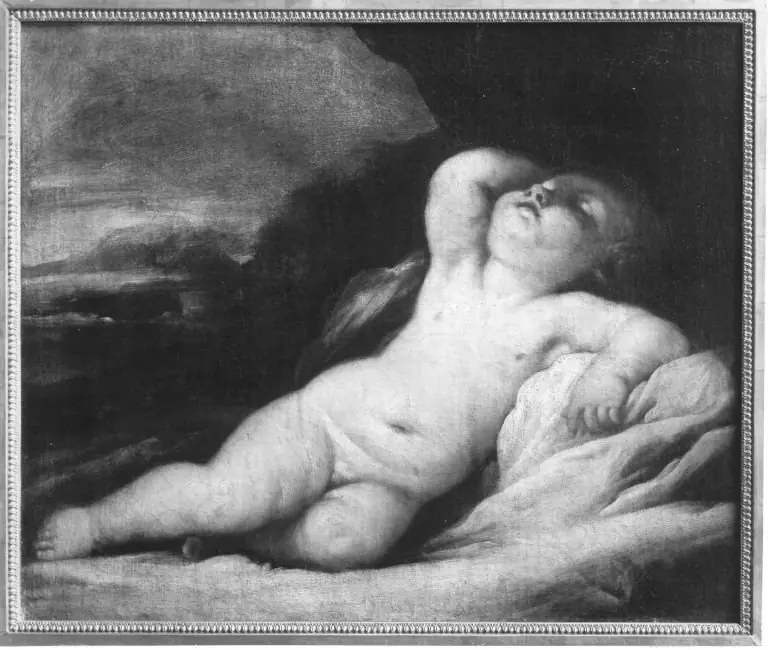 Schlafendes, nacktes Kind
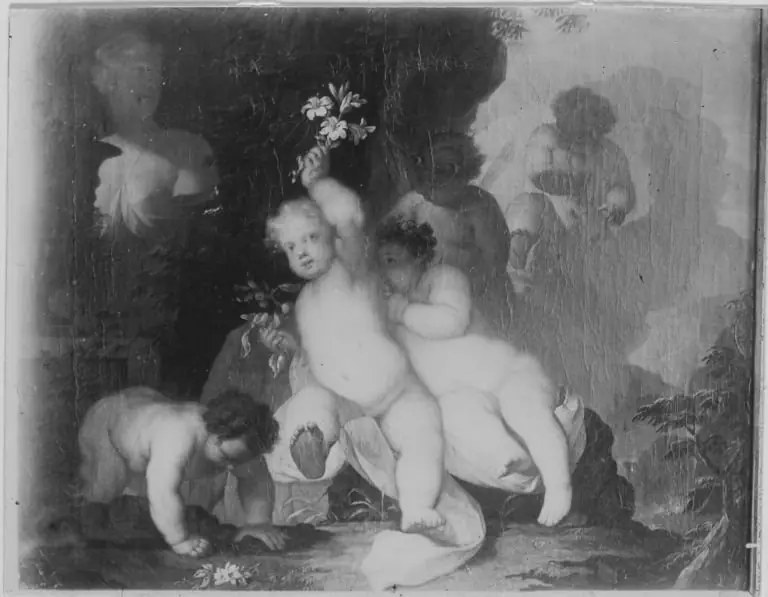 Der Frühling
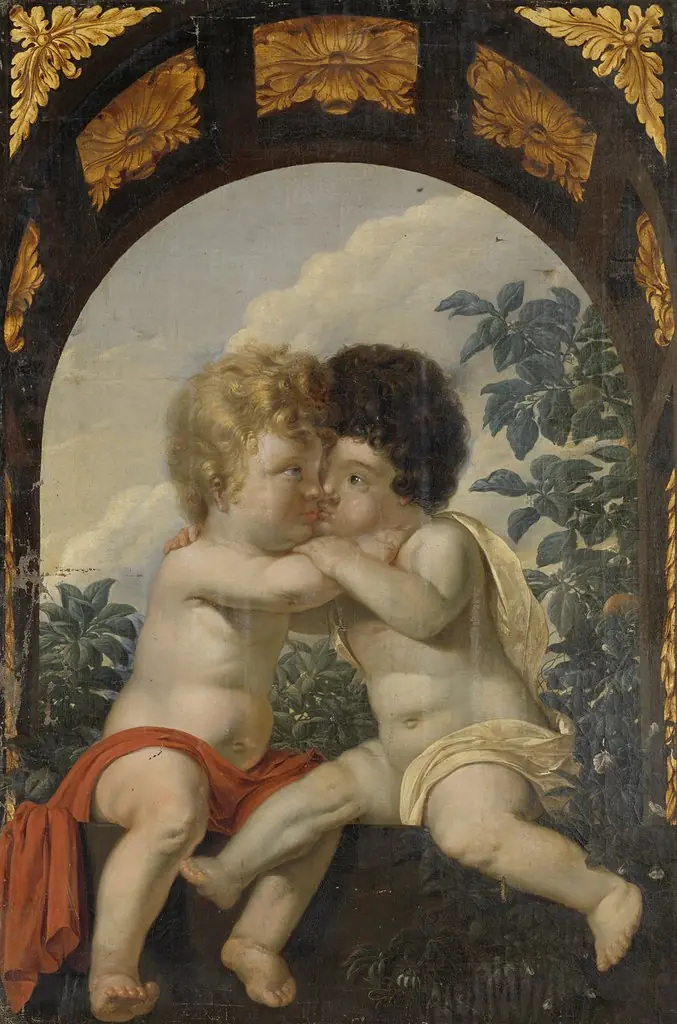 Christian Allegory with two Children Hugging each other
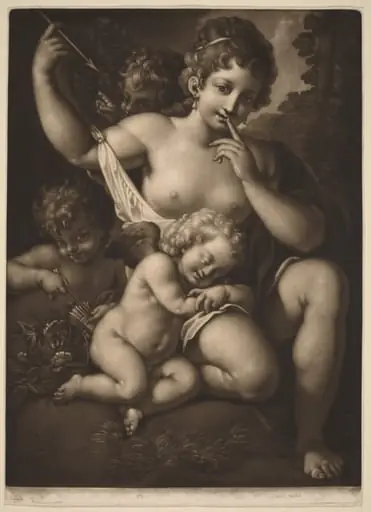 Venus and Amor
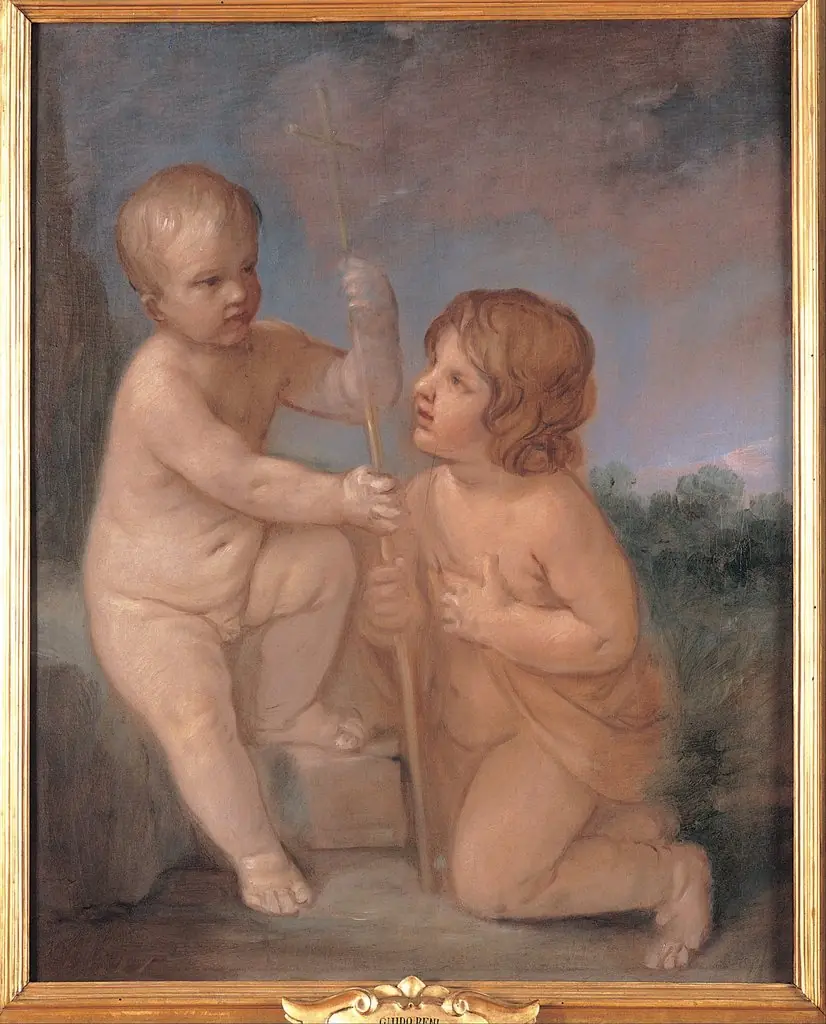 The infant Jesus and St. John
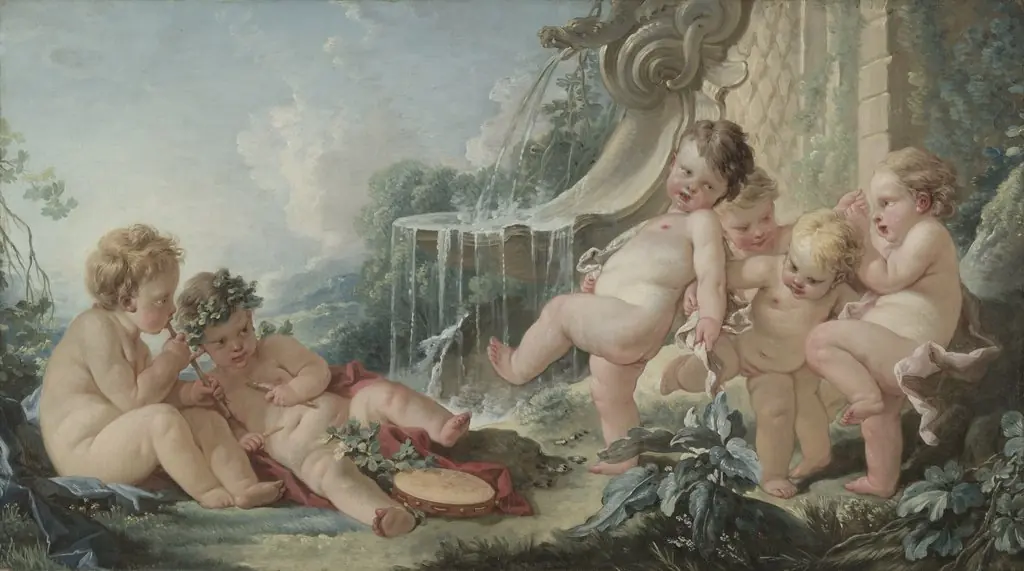 Music and Dance
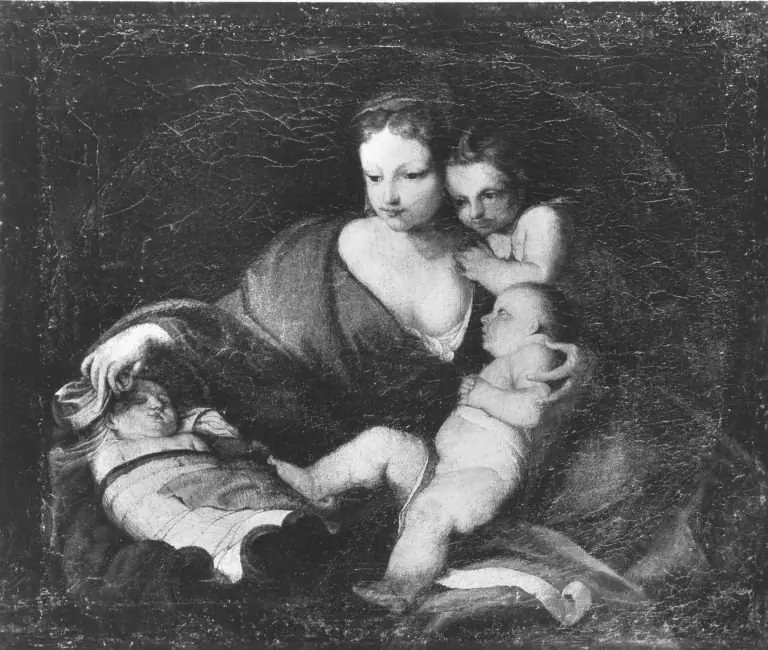 Caritas by Carlo Maratti