Artwork
Fresh sea food
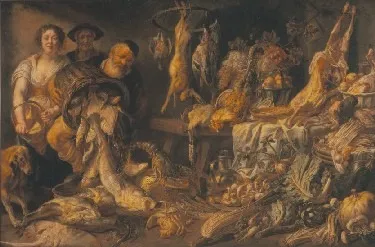
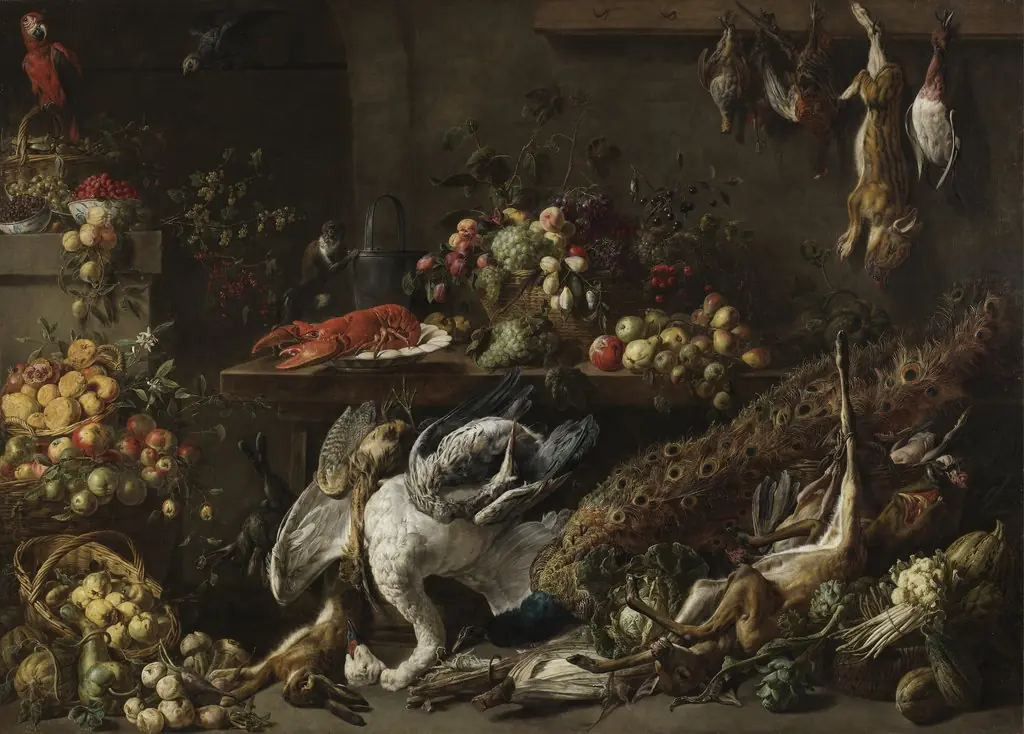
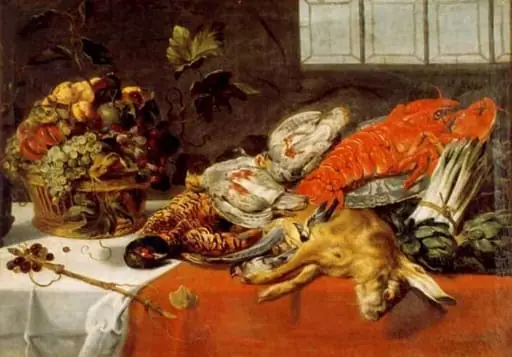
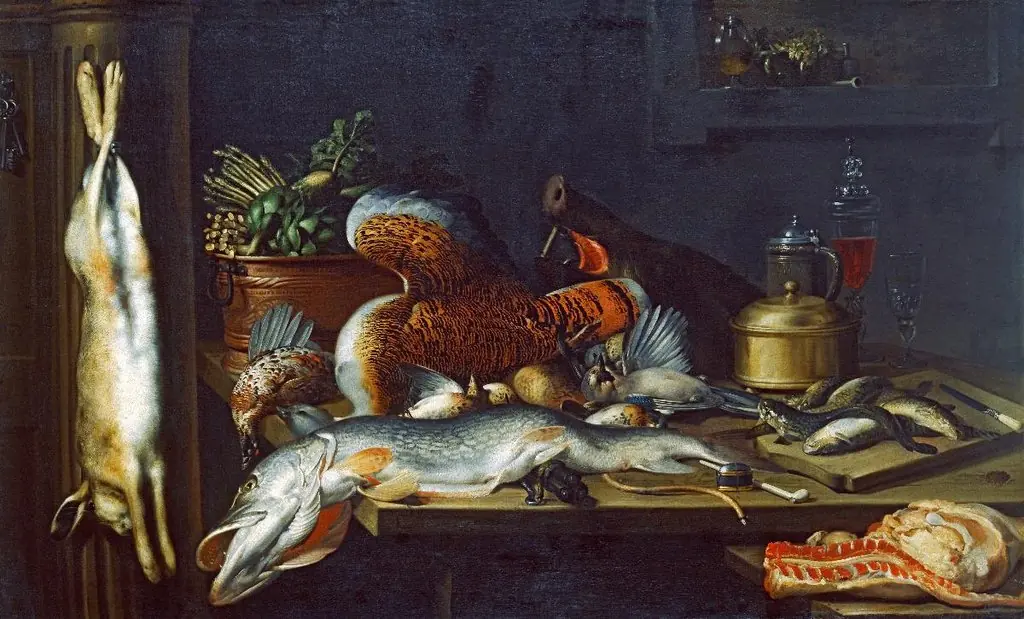
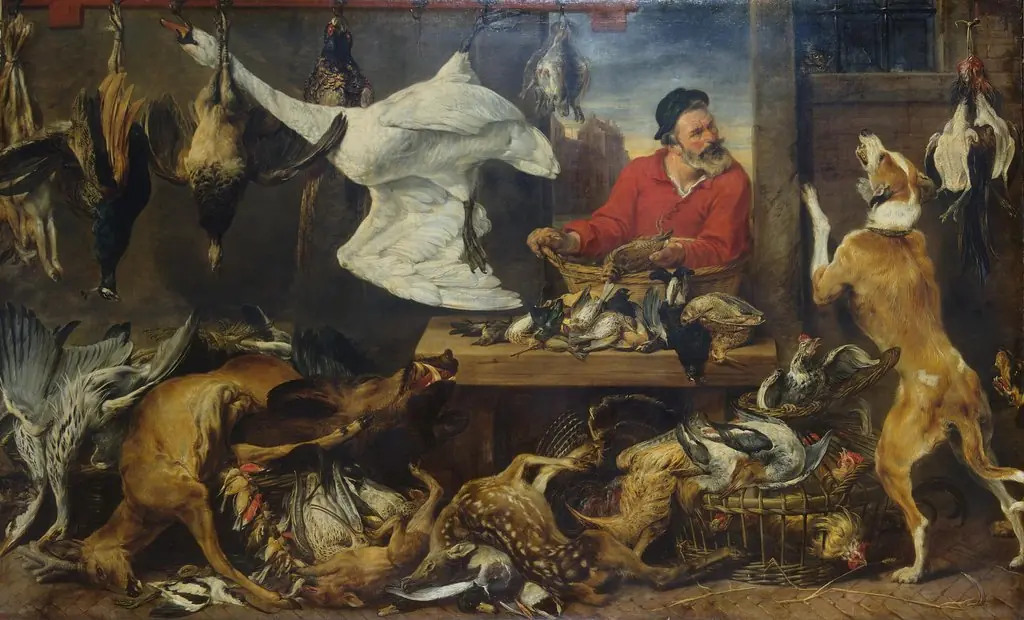
Fresh sea food is an oil painting by the Flemish Baroque painting artist Adriaen van Utrecht. It dates from 1637 and is held in the collection of the Royal Museums of Fine Arts of Belgium.
About this work
Overview
It belongs to the broader Flemish Baroque tradition, where detailed observation of the material world was central to artistic expression.
Adriaen van Utrecht, a Flemish artist born in Antwerp in 1599, painted *Fresh Sea Food* in 1637 using oil on panel. The work is a still life that reflects his specialization in depictions of market goods and natural abundance. It belongs to the broader Flemish Baroque tradition, where detailed observation of the material world was central to artistic expression. The painting is part of the Royal Museums of Fine Arts of Belgium’s collection.
Subject & Meaning
The painting presents a carefully arranged array of freshly caught seafood—large fish, crustaceans, and shellfish—spread across a wooden surface. No human figures appear; the focus is entirely on the variety and texture of marine life. The composition suggests prosperity and the bounty of coastal trade, common themes in 17th-century Flemish still lifes, where abundance served as both observation and quiet celebration of daily commerce.
Technique & Style
Van Utrecht employed subtle tonal gradations in muted browns, grays, and off-whites to render the glistening scales, rough shells, and damp surfaces of the seafood. Brushwork is precise yet unobtrusive, emphasizing texture over dramatic lighting. The arrangement avoids chaos, instead balancing weight and form to create visual harmony. His approach echoes the influence of Frans Snyders, particularly in the dense, naturalistic grouping of organic forms.
History & Provenance
Painted in 1637, the work entered the collection of the Royal Museums of Fine Arts of Belgium in the 19th century, likely through state acquisition or donation. Its documented history is limited, but its style aligns with other known works by van Utrecht from the 1630s. No significant alterations or restorations are recorded, and it has remained in institutional care since its acquisition.
Context
In early 17th-century Flanders, still lifes of food and game flourished as symbols of urban wealth and the growing importance of market culture. Van Utrecht’s work reflects this trend, alongside broader European interest in naturalism and the classification of the natural world. His paintings were not merely decorative but aligned with contemporary intellectual curiosity about the physical environment and its resources.
Legacy
Van Utrecht’s still lifes, including *Fresh Sea Food*, contributed to the development of Flemish genre painting by emphasizing the dignity of everyday objects. While not widely known outside specialist circles, his work remains a representative example of the period’s commitment to detailed observation. His influence is visible in later Dutch and Flemish still life traditions, particularly in the treatment of marine subjects.
Artist & collection
Artist
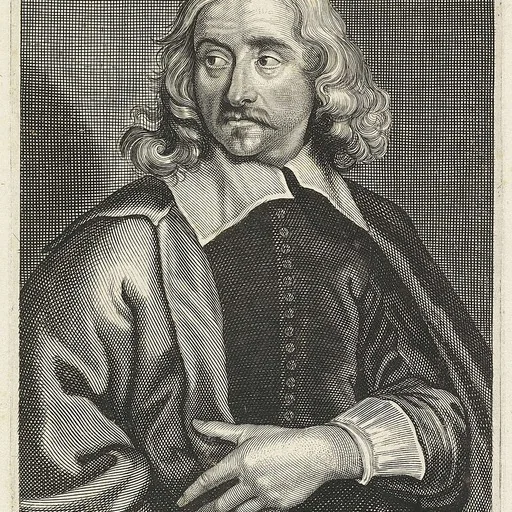
Adriaen van Utrecht (Antwerp, 12 January 1599 – 1652) was a Flemish painter known mainly for his sumptuous banquet still lifes, game and fruit still lifes, fruit garlands, market and kitchen scenes and depictions of live poultry in…

Museum
Royal Museums of Fine Arts of Belgium
Continue through works from the same source collection.