Artwork
Last Judgment
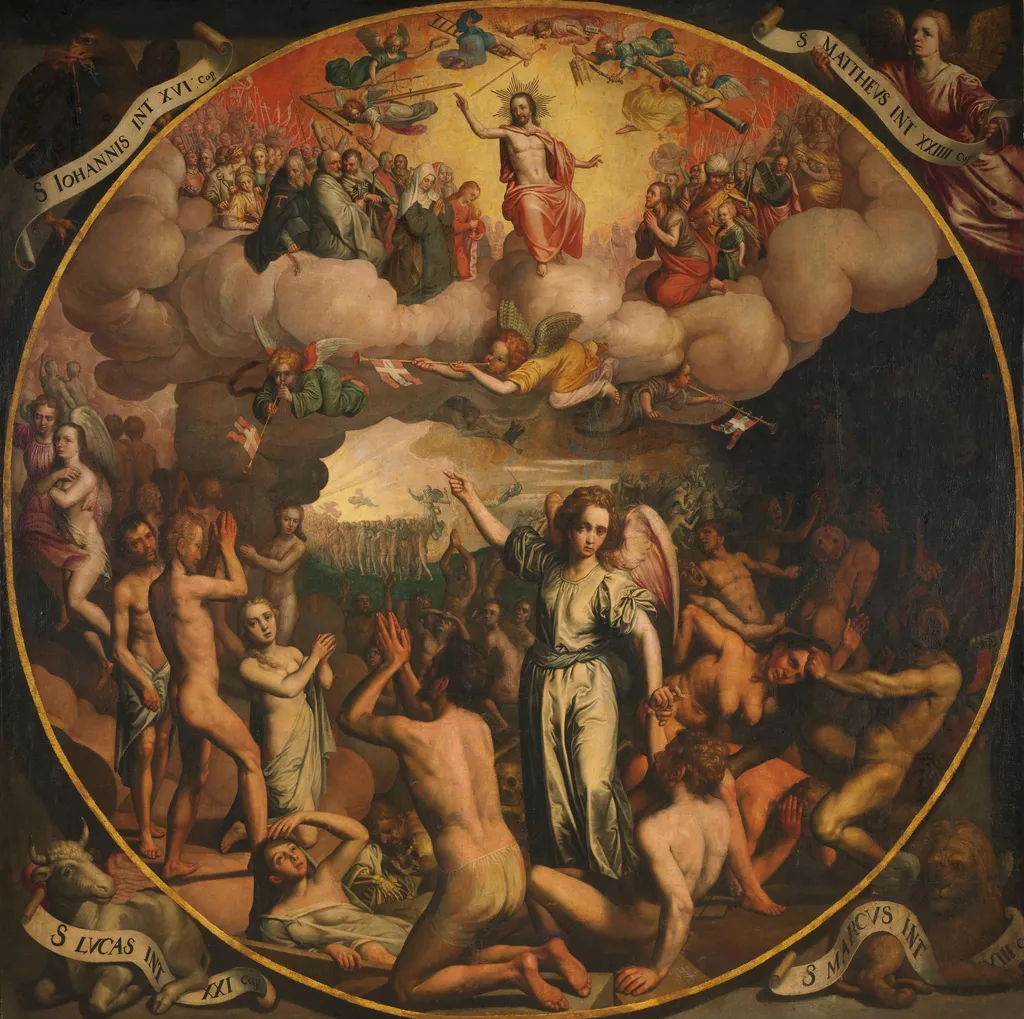
Last Judgment is an oil painting by the Early Baroque Italian artist Aert Pietersz. It dates from 1611 and is held in the collection of the Rijksmuseum.
About this work
Overview
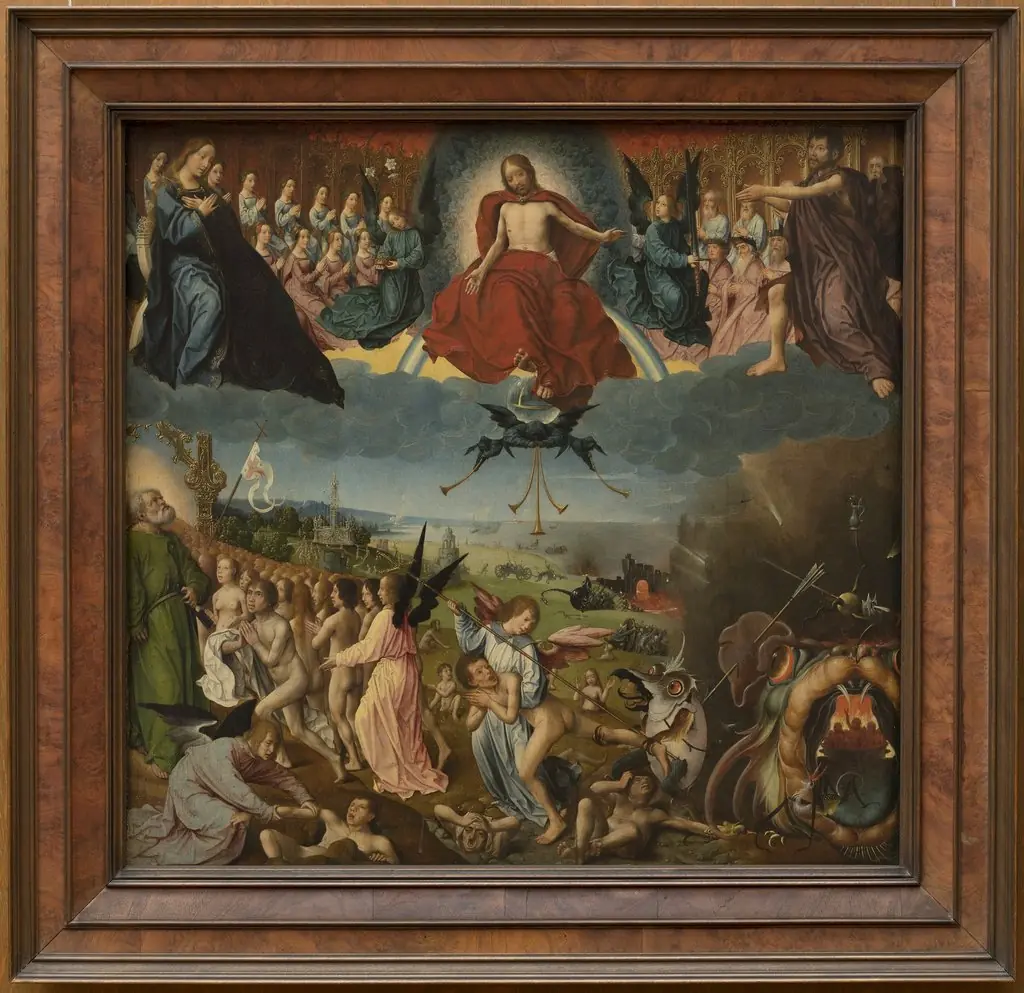
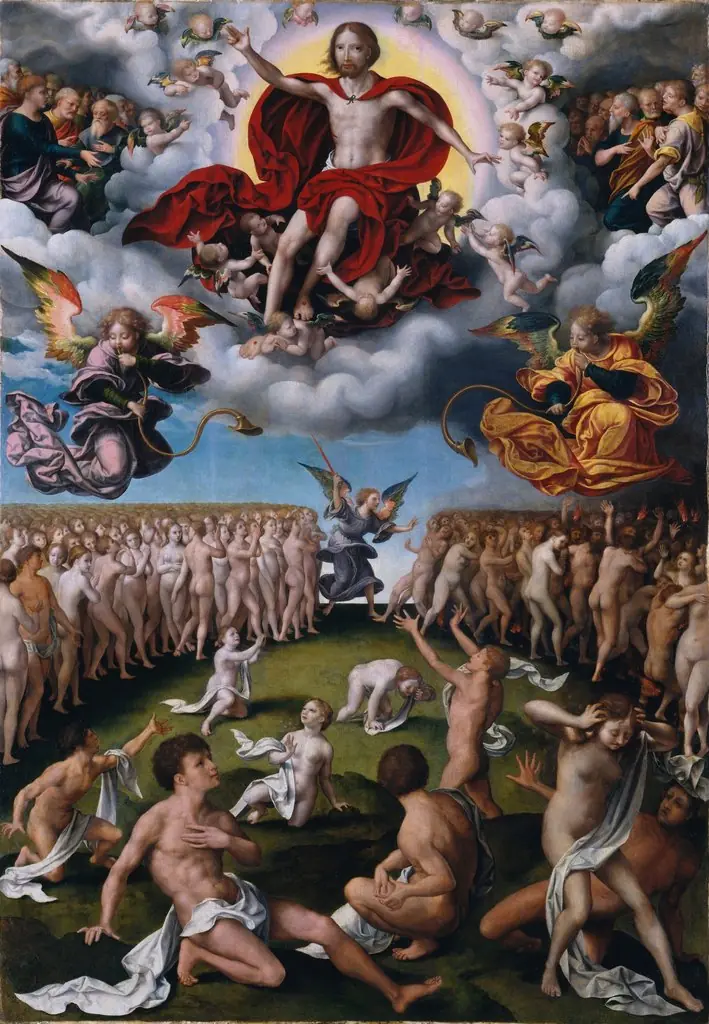
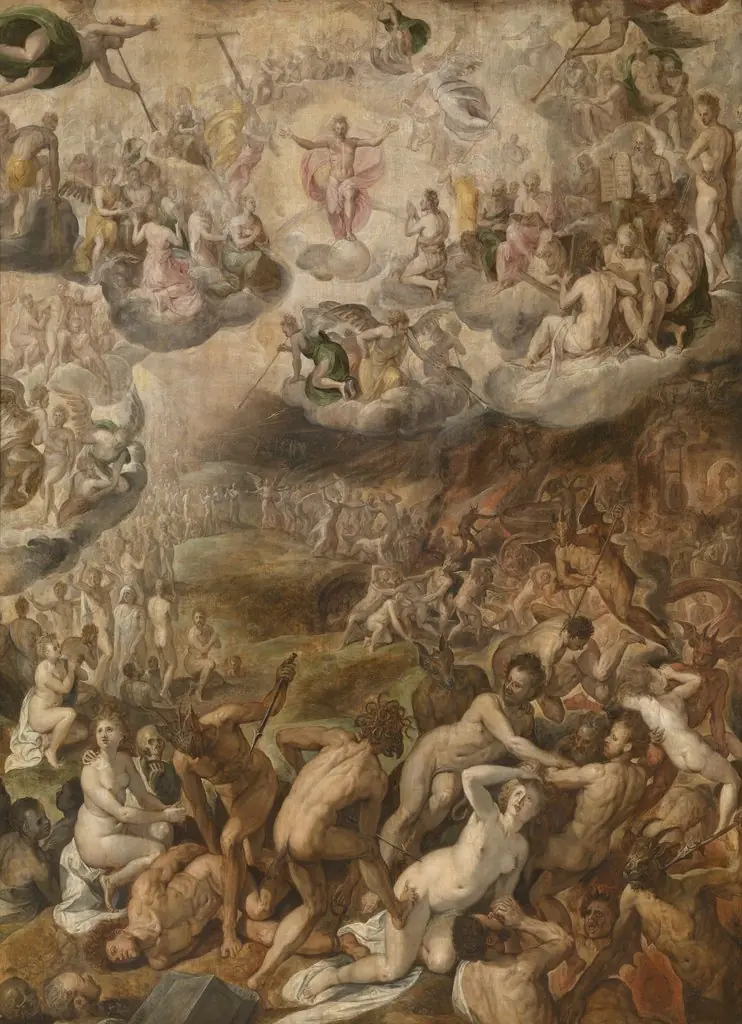
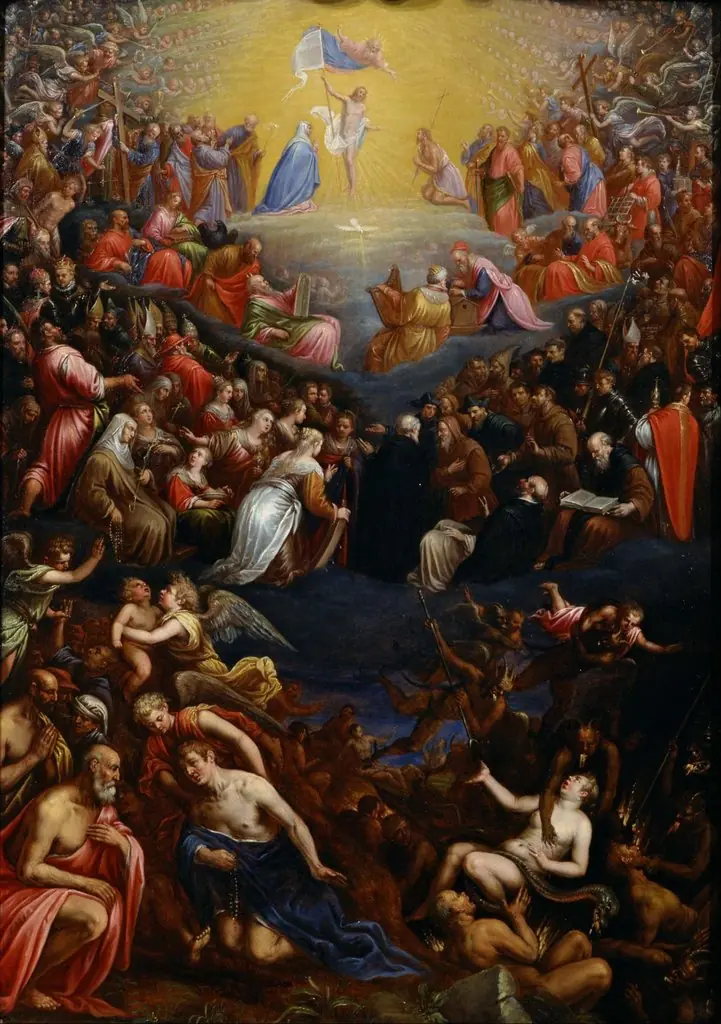
The composition centers on a radiant Christ figure, flanked by angels and saints, while the lower register depicts the fate of souls amid divine adjudication.
Aert Pietersz’s 1611 oil painting titled “Last Judgment” presents a complex biblical tableau. The work is housed in the Rijksmuseum and occupies a large vertical format, dividing the canvas between a celestial summit and a tumultuous earthly realm. The composition centers on a radiant Christ figure, flanked by angels and saints, while the lower register depicts the fate of souls amid divine adjudication.
Subject & Meaning
The scene illustrates the Christian eschatological moment when Christ judges humanity. Above, Christ presides with a serene yet authoritative presence, surrounded by heavenly hosts. Below, the composition splits: demons drag condemned figures toward a dark abyss, whereas angels elevate the righteous toward light. This dichotomy visualizes the moral consequences of earthly conduct as understood in early‑17th‑century theology.
Technique & Style
Executed in oil on canvas, the painting employs a palette of earth tones punctuated by contrasting warm and cool hues. Pietersz’s brushwork is vigorous, imparting a sense of motion to the chaotic lower half. Mastery of chiaroscuro creates pronounced depth, directing attention to the central Christ figure and enhancing the dramatic tension between light and shadow throughout the work.
History & Provenance
Created in 1611, the work remained in private collections before entering the Rijksmuseum’s holdings, where it is displayed as part of the museum’s Dutch Golden Age assemblage. Its attribution to Aert Pietersz has been consistently affirmed by scholarly research, confirming its place within the artist’s limited surviving oeuvre of religious subjects.
Artist & collection
Artist
This Dutch painter turned everyday scenes and dignified portraits into vivid stories on wood panels in the late 1500s and early 1600s.