Artwork
Portrait of a Man
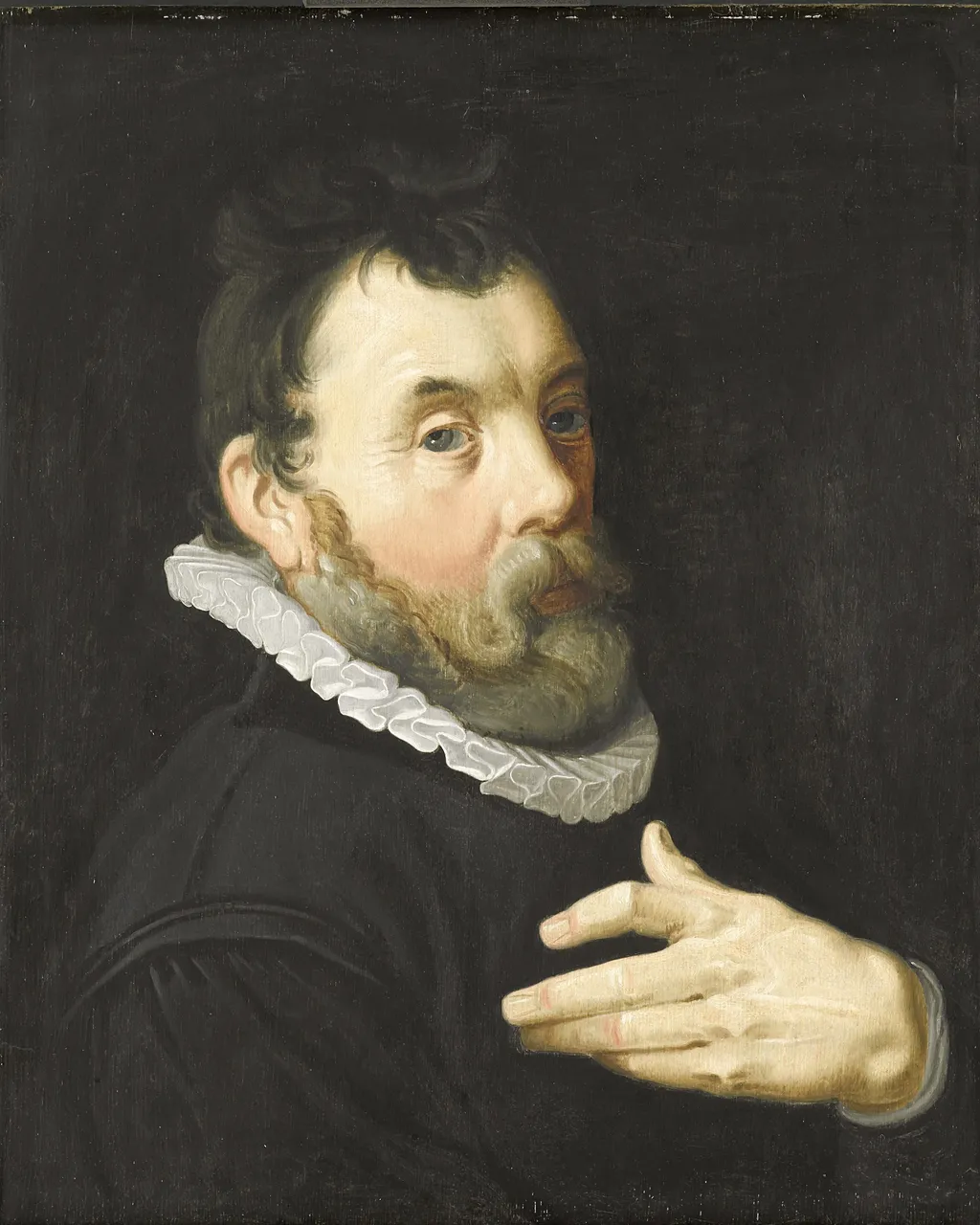
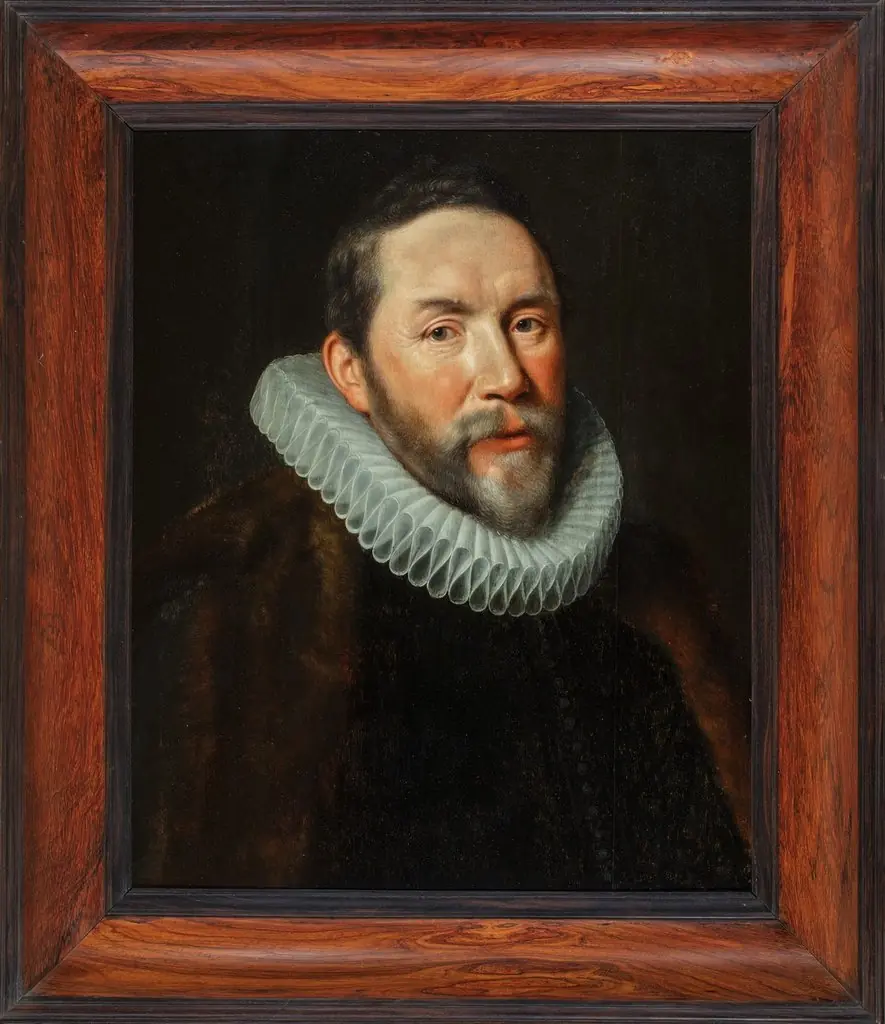
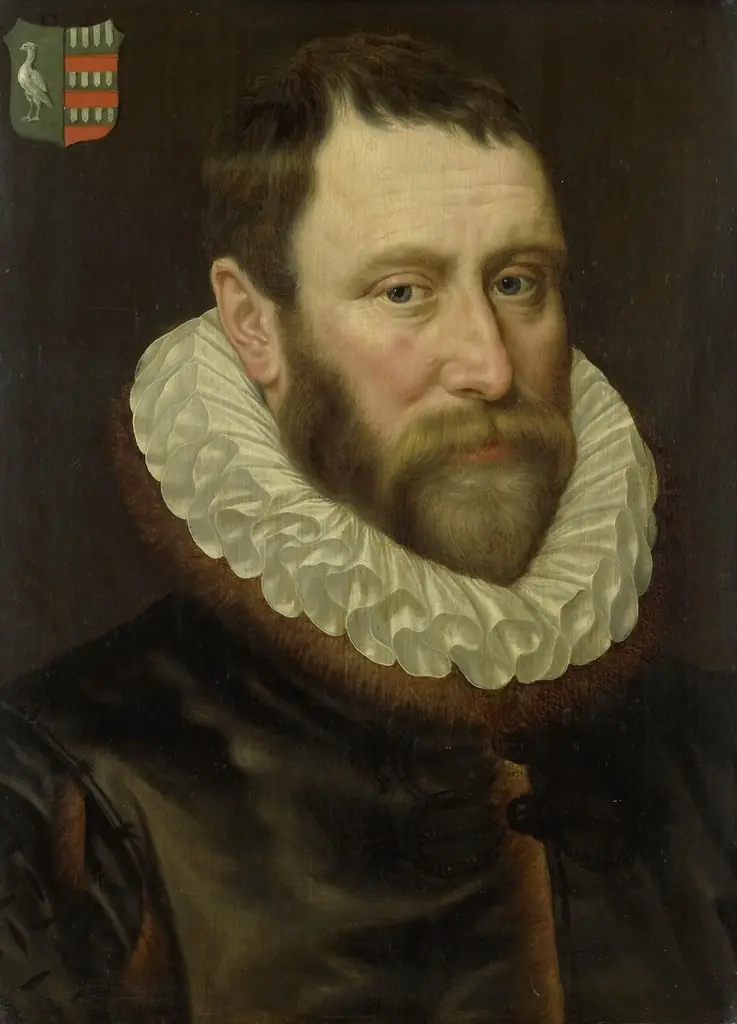
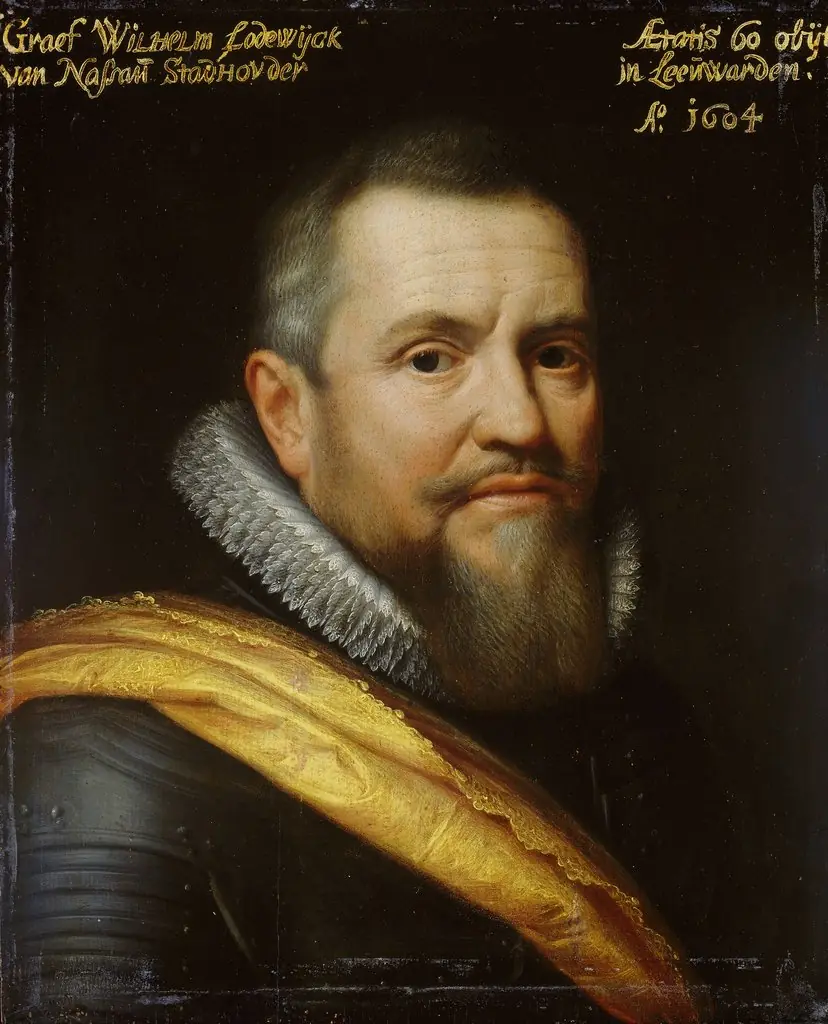
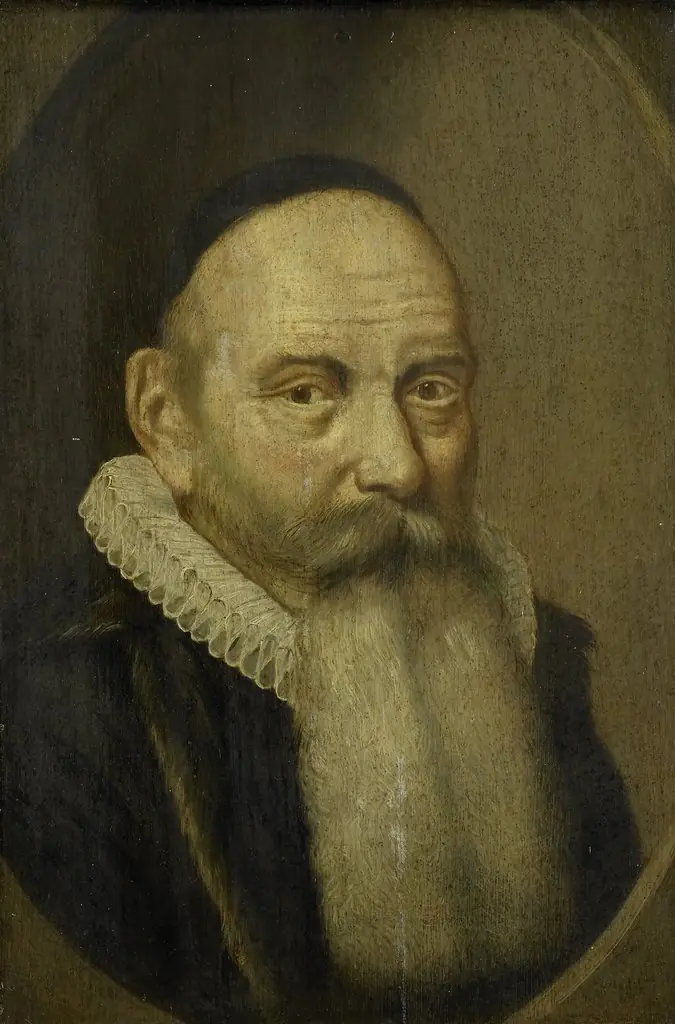
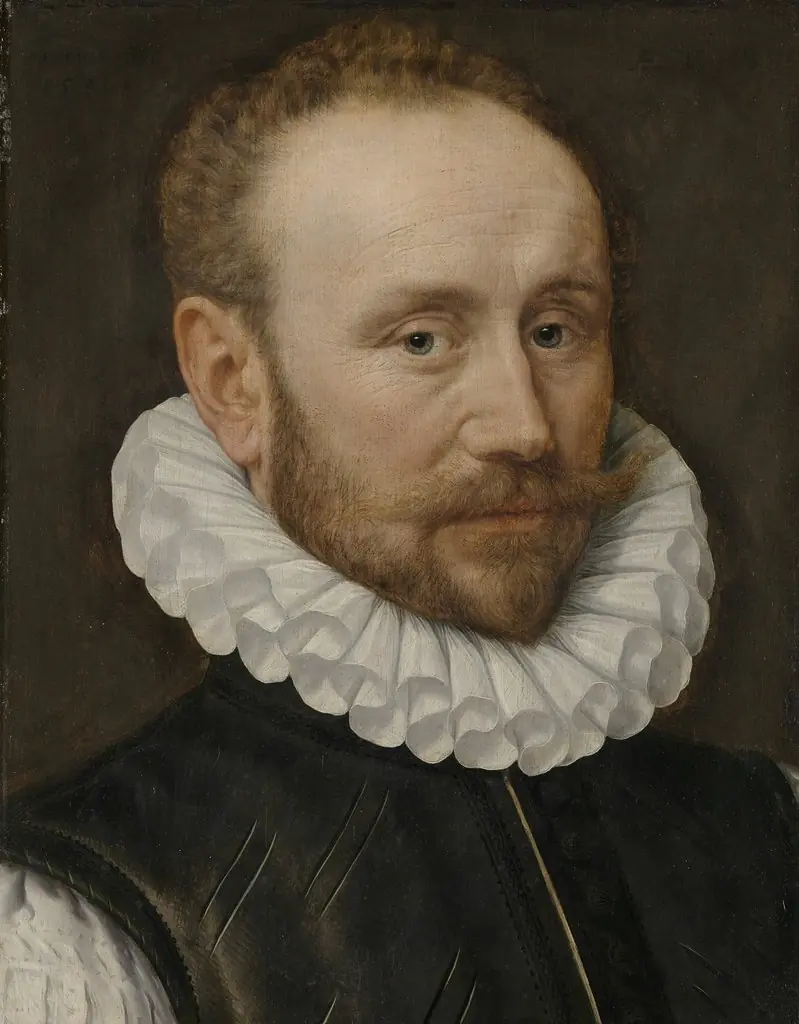
Portrait of a Man is an oil painting by the Dutch Golden Age artist Aert Pietersz. It dates from 1635 and is held in the collection of the Rijksmuseum.
About this work
Overview
Aert Pietersz’s 1635 oil on canvas, titled Portrait of a Man, is part of the Rijksmuseum’s collection. The work presents a single figure rendered in a restrained palette, set against a dark, undefined background that draws attention to the sitter’s features and attire.
Subject & Meaning
The subject is a bearded gentleman whose attire includes a dark garment and a distinctive white ruff. One hand rests lightly on his chest, fingers splayed, suggesting a calm yet purposeful demeanor. The portrait conveys a sense of personal dignity without overt symbolism.
Technique & Style
Pietersz employs a subtle chiaroscuro, using soft, directional light to model the face and give the skin a warm glow. The contrast between the illuminated features and the deep background creates depth, while the brushwork remains smooth, emphasizing the sitter’s calm expression.
History & Provenance
Created in 1635, the painting entered the Rijksmuseum’s holdings during the museum’s early acquisitions of Dutch Golden Age works. Documentation traces its ownership from private collections in the Netherlands to its current public display, where it remains a representative example of Pietersz’s portraiture.
Context
The portrait reflects the Dutch 17th‑century emphasis on individual representation and modest realism. During this period, artists often highlighted the sitter’s social status through clothing details such as the white collar, while maintaining a restrained compositional approach typical of the era’s portrait tradition.
Own this work as a print
Artist & collection
Artist
This Dutch painter turned everyday scenes and dignified portraits into vivid stories on wood panels in the late 1500s and early 1600s.