Artwork
Johannes predigt in der Wüste
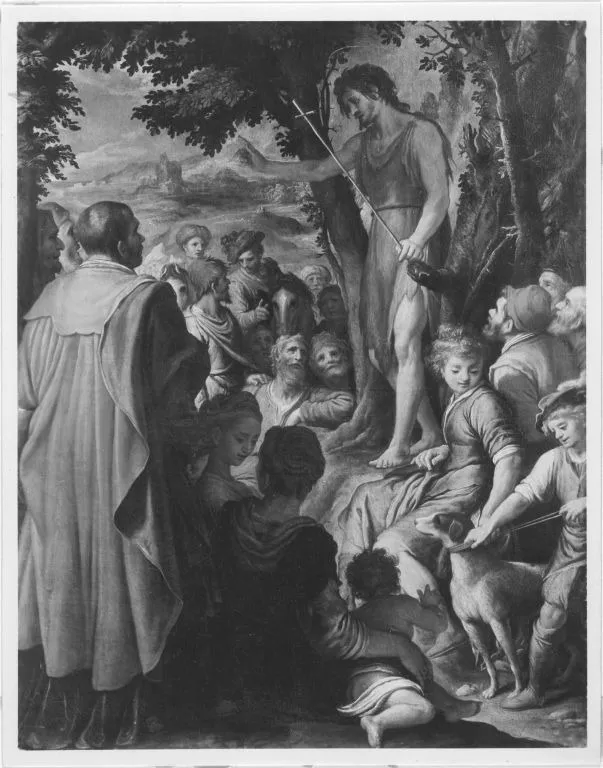
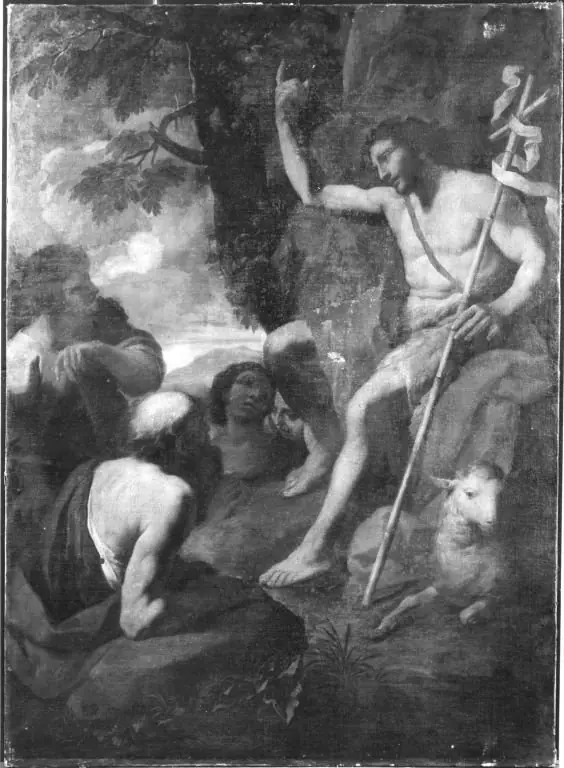
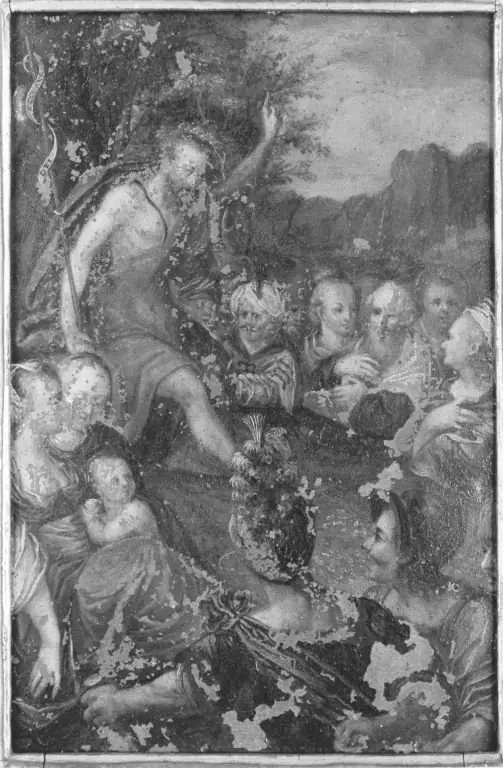
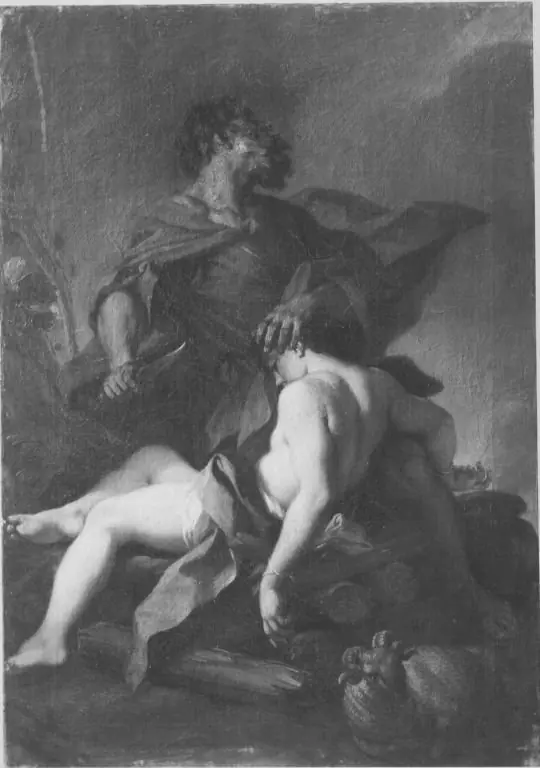
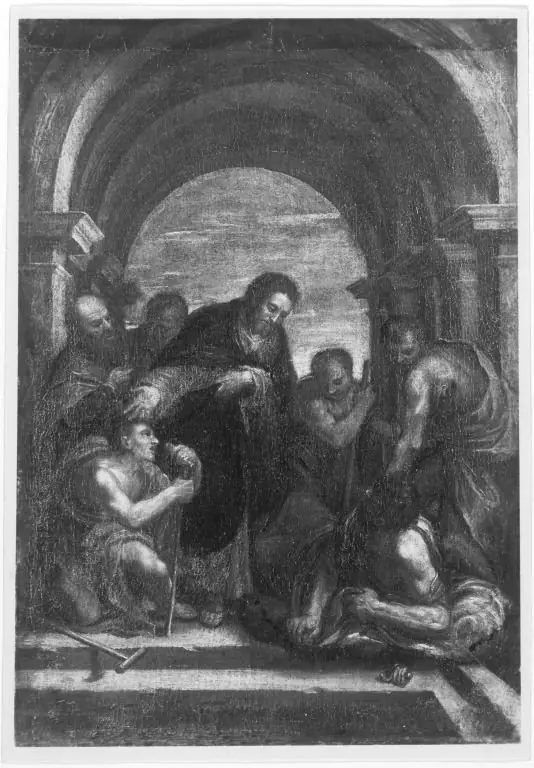
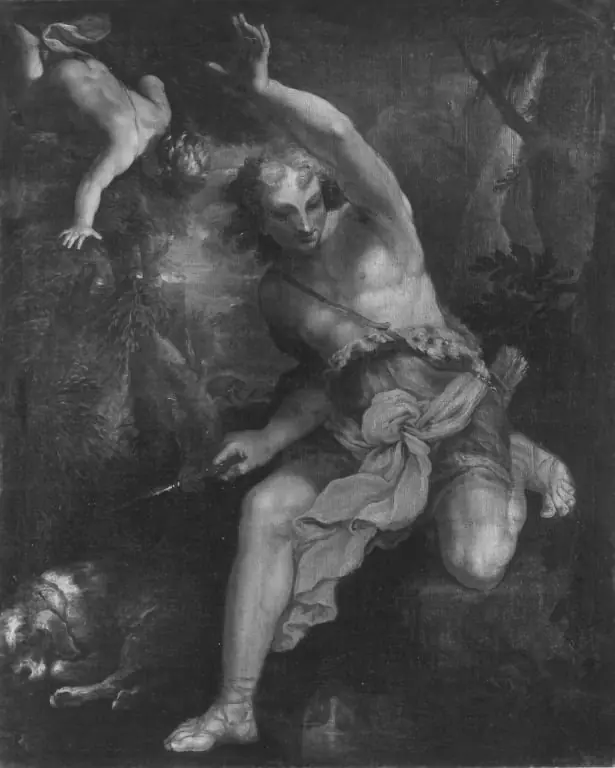
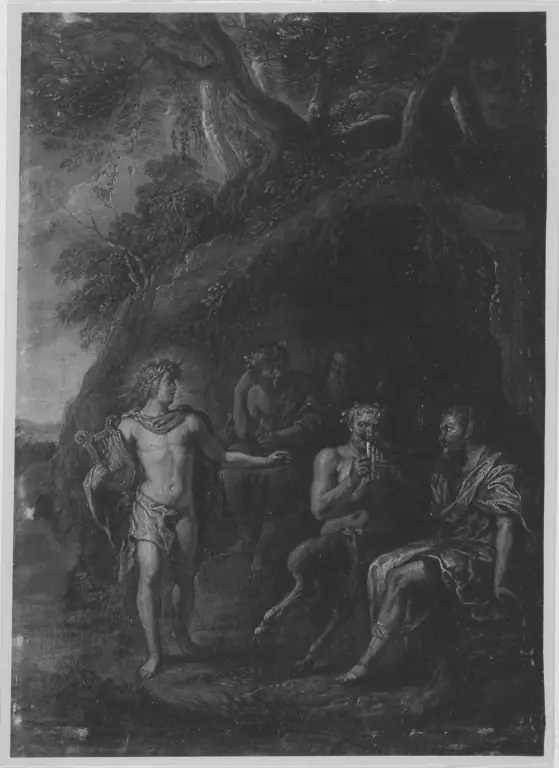
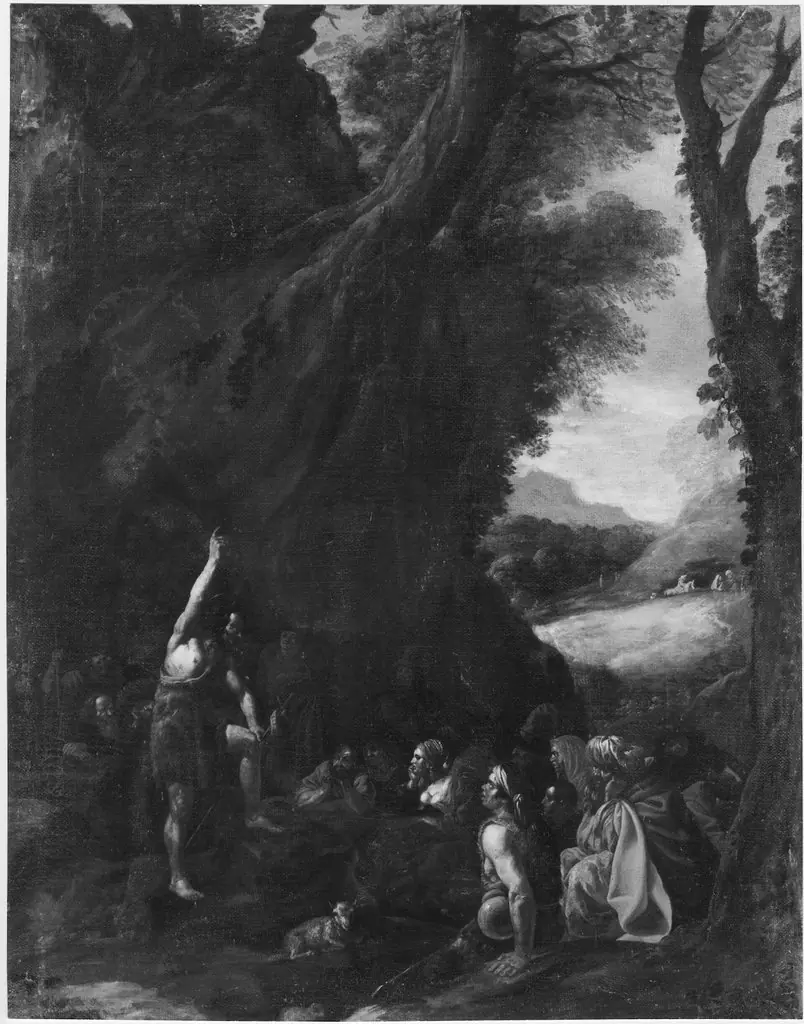
Johannes predigt in der Wüste is an unspecified painting by the Early Baroque Italian artist Agostino Ciampelli. It dates from 1599 and is held in the collection of the Bavarian State Painting Collections.
About this work
Overview
Executed during Ciampelli’s Roman period under Pope Clement VIII, the canvas reflects the devotional focus that characterized his output for Roman churches.
Created in 1599 by the Italian Baroque painter Agostino Ciampelli, *Johannes predigt in der Wüste* portrays the biblical episode of John the Baptist delivering a sermon in a barren landscape. Executed during Ciampelli’s Roman period under Pope Clement VIII, the canvas reflects the devotional focus that characterized his output for Roman churches. The work now belongs to the collection of the Alte Pinakothek in Munich.
Subject & Meaning
The central figure, a serene man with a staff, represents John the Baptist, whose simple garb and reed cross identify him in traditional iconography. He stands on a slight rise, addressing a crowd of listeners whose varied expressions—concern, bewilderment, and pain—suggest the tension between prophetic warning and human response. A robed attendant points toward John, reinforcing his role as a guide toward spiritual conversion.
Technique & Style
Ciampelli employs the early Baroque palette of muted earth tones contrasted with brighter highlights on the figures, creating a sense of depth within the modest wilderness setting. The composition uses a low horizon line and a grouping of characters that leads the eye toward the central preacher, while the soft modeling of flesh and drapery demonstrates the Florentine training he received under Santi di Tito.
History & Provenance
After its completion in Rome, the painting entered private collections before being acquired by the Bavarian State for the Alte Pinakothek, where it has been displayed since the 19th century. Its provenance traces a typical path for Baroque religious works that moved from ecclesiastical contexts to secular museum holdings during the period of art market expansion in Europe.
Context
The work belongs to the early phase of the Italian Baroque, a time when artists emphasized dramatic narrative and clear religious messaging in response to Counter‑Reformation directives. Ciampelli’s career, marked by frescoes in Santa Prassede and Santa Maria in Trastevere, reflects the papal patronage that encouraged vivid visual sermons to reinforce Catholic doctrine among the faithful.
Artist & collection
Artist
Agostino Ciampelli (29 August 1565 – 22 April 1630) was an Italian painter of the Baroque period.