Artwork
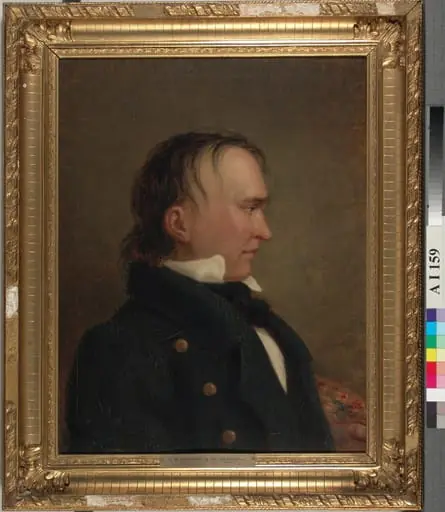
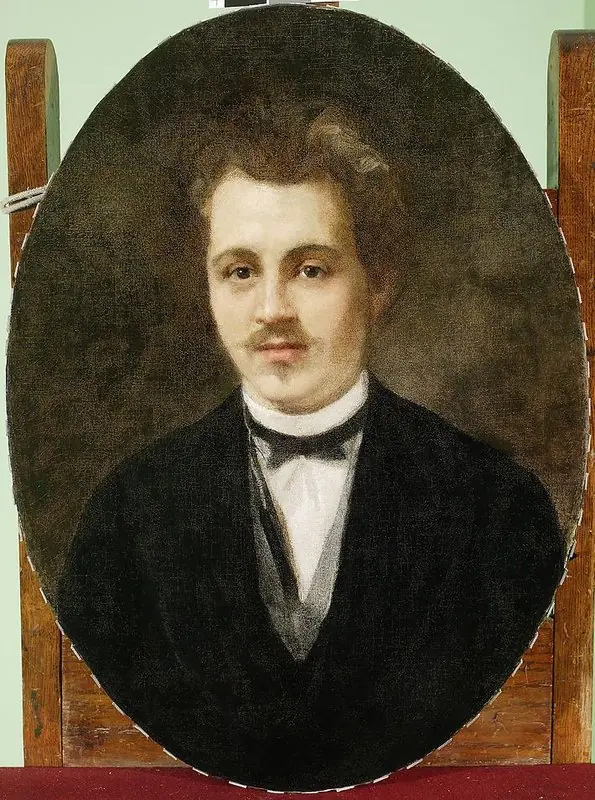
Karl Emanuel Janssonin muotokuva
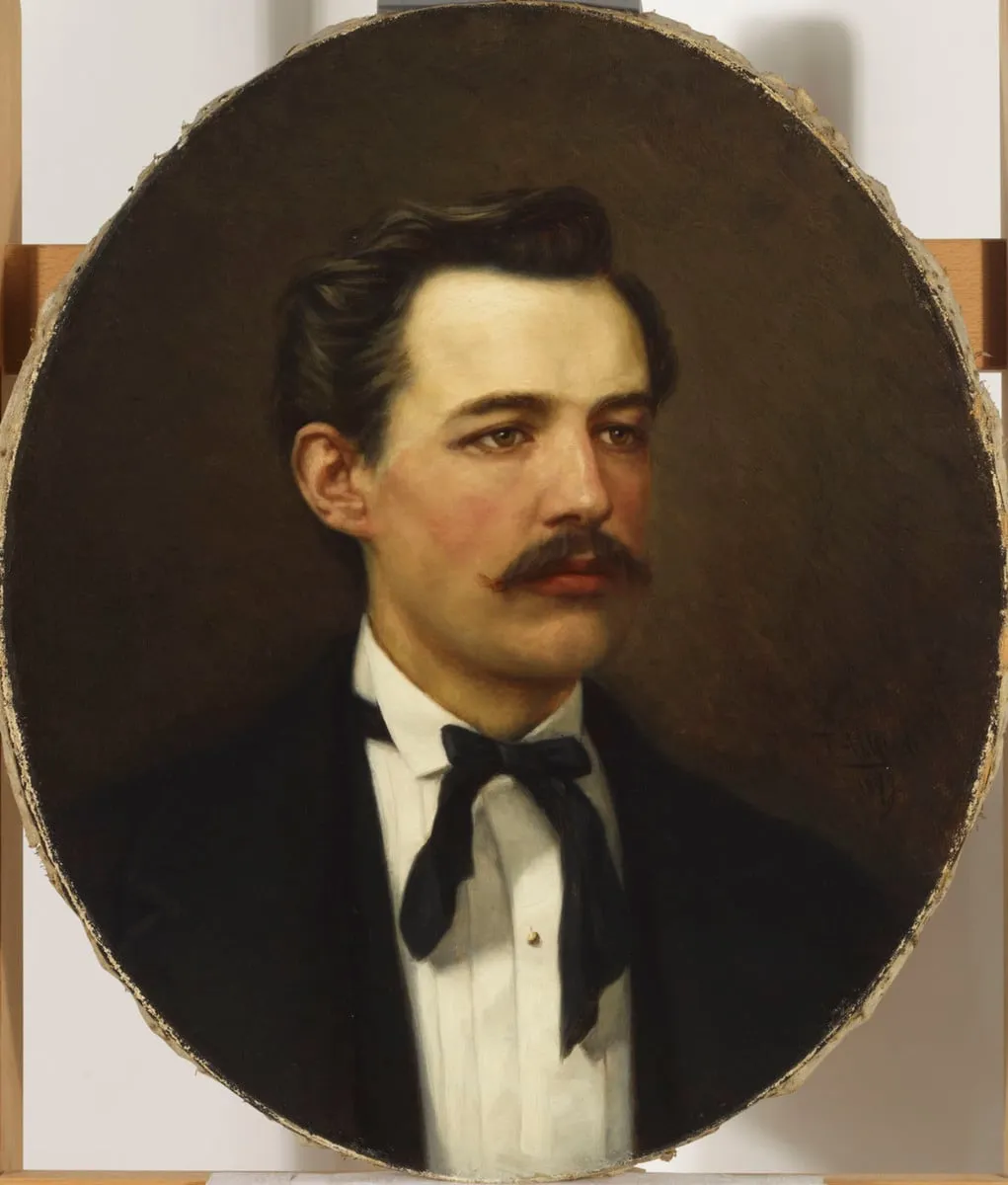
Karl Emanuel Janssonin muotokuva is an unspecified painting by the Biedermeier artist Fredrik Ahlstedt. It is held in the collection of the Finnish National Gallery.
About this work
Overview
This portrait depicts Karl Emanuel Jansson, painted by Fredrik Ahlstedt in a circular format. The composition focuses tightly on the subject’s upper body and face, set against a deep, unadorned background. The rounded frame draws attention to the sitter’s expression and grooming, emphasizing formality and quiet dignity without decorative distraction.
Subject & Meaning
Jansson is portrayed as a composed, middle-aged man with a neatly trimmed mustache and carefully arranged hair. His attire—a white shirt, black bow tie, and dark jacket—suggests professional or bourgeois status. The restrained pose and direct gaze convey solemnity and self-possession, reflecting 19th-century ideals of male decorum and personal reserve.
Technique & Style
Ahlstedt employs subtle chiaroscuro to model the face, using soft transitions between light and shadow to define contours without harsh lines. The background recedes gently, allowing the figure to emerge with quiet clarity. Brushwork is smooth and controlled, avoiding texture or flourish, reinforcing the portrait’s understated, intimate tone.
History & Provenance
The painting was created by Fredrik Ahlstedt, a Finnish artist active in the late 19th century. While specific details of its commission or early ownership are not widely documented, it remains part of Finland’s cultural record, likely held in a public or institutional collection due to its association with a notable local figure.
Context
Produced during a period when Finnish portraiture emphasized realism and moral seriousness, the work aligns with Nordic traditions of dignified representation. Unlike grand European portraits, it avoids theatricality, instead favoring quiet observation—a reflection of emerging national identity and middle-class values in Finland at the time.
Legacy
The portrait endures as a representative example of Finnish academic portraiture from the late 1800s. It contributes to the visual archive of Finnish cultural figures, offering insight into the aesthetics and social norms of its era. Its simplicity and technical restraint continue to inform studies of regional artistic practice.
Artist & collection
Artist
Fredrik Ahlstedt kept a studio in Helsinki that smelled like turpentine and wet wool.

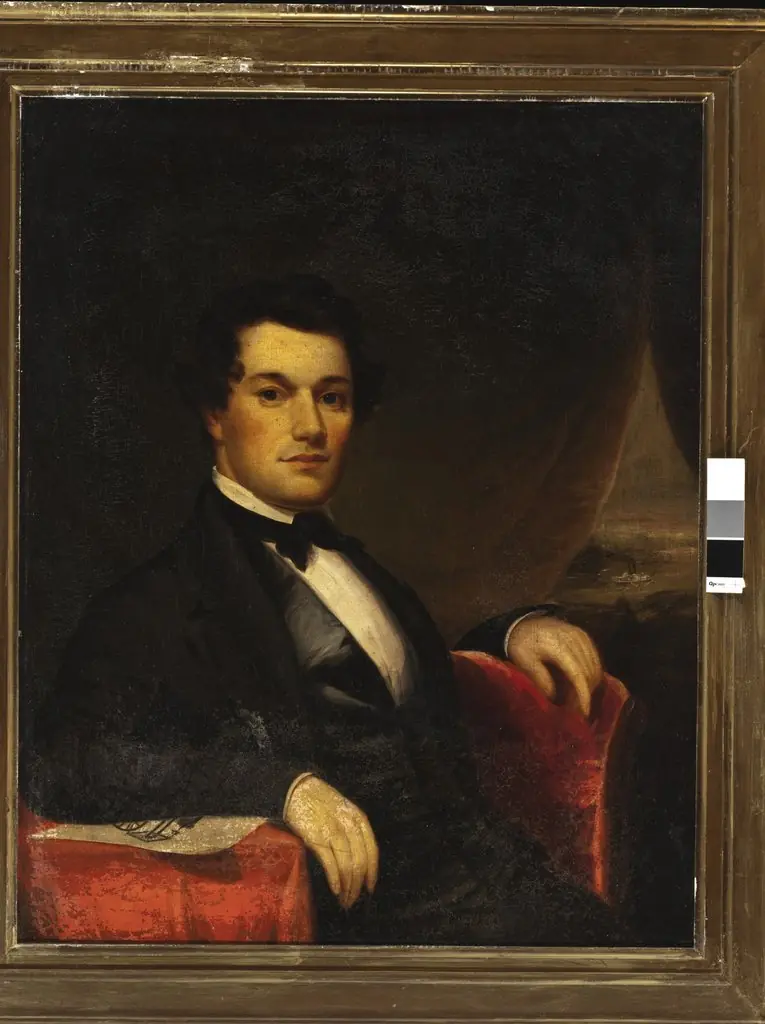 Portrait of Captain William J. Ferrell
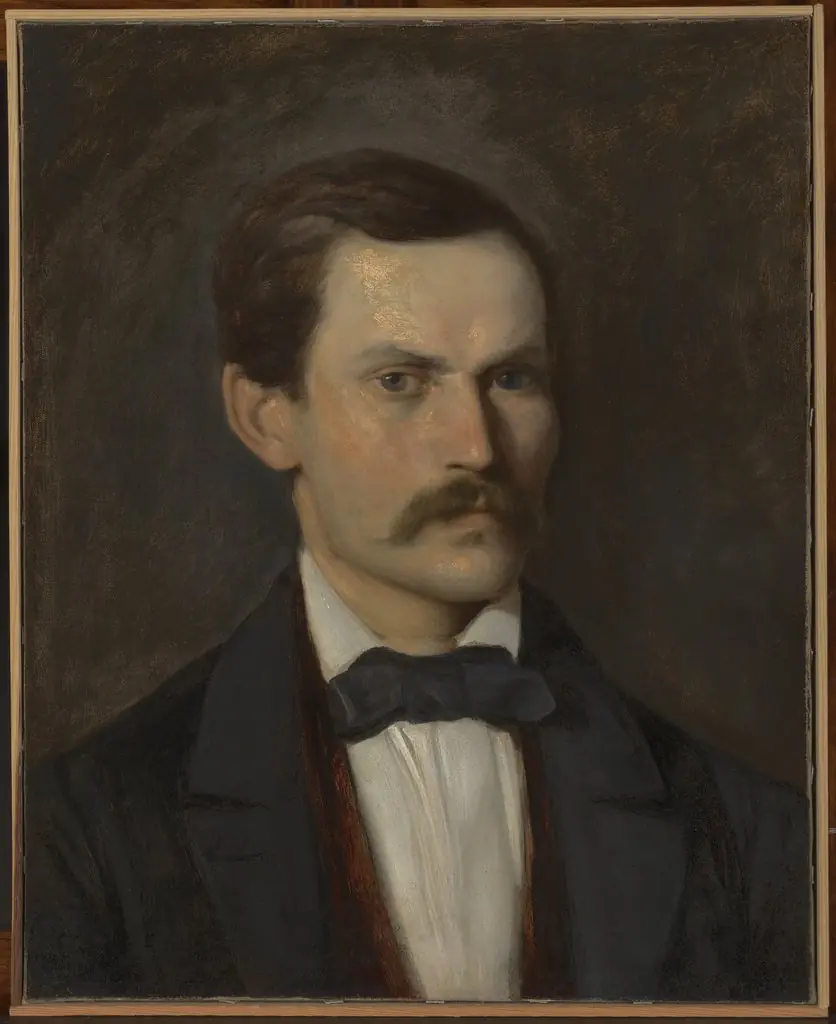 Portrait of Andrzej Dziubandowski
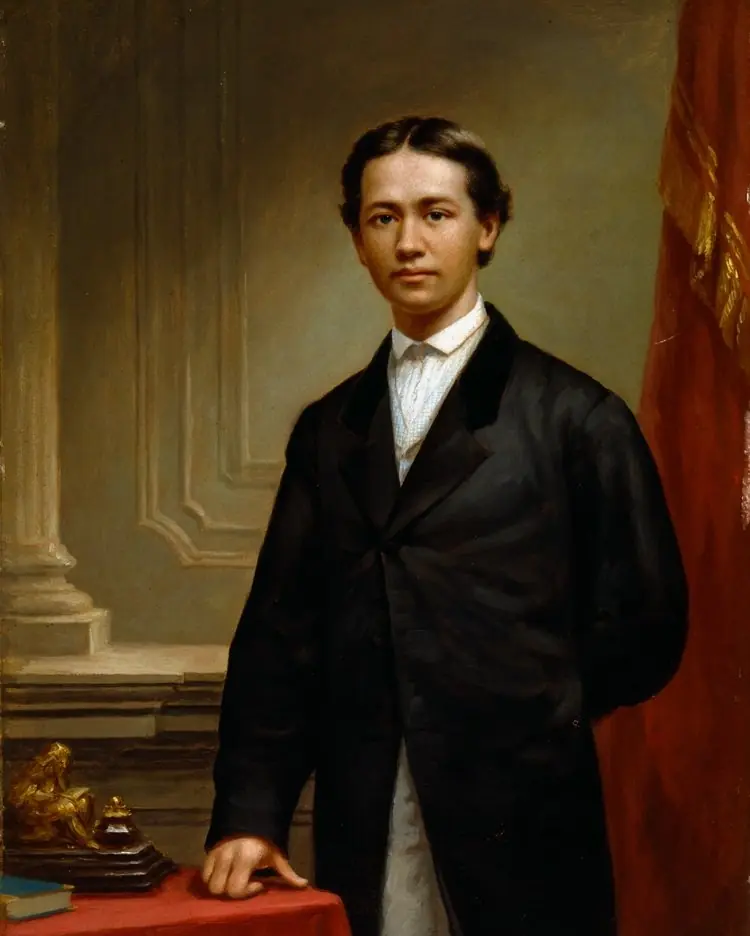 Portrait of Henry Hoolulu Pitman
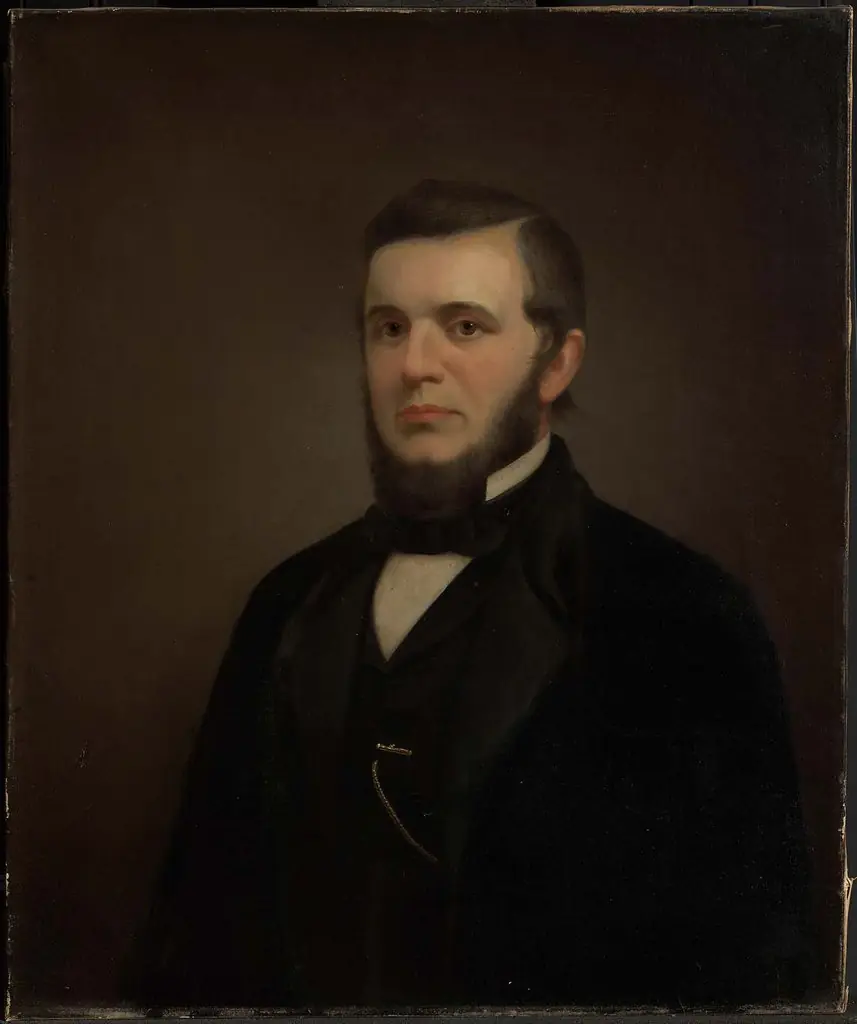 Portrait of Edward Gleason
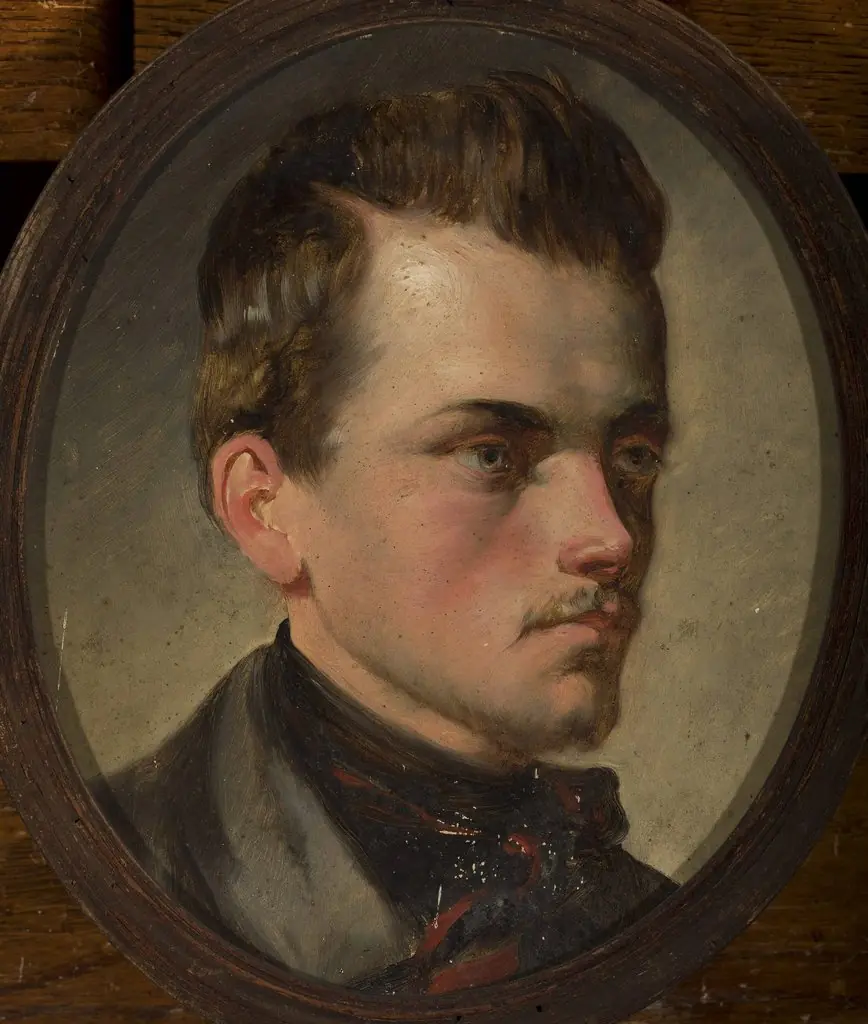 Portrait of a man
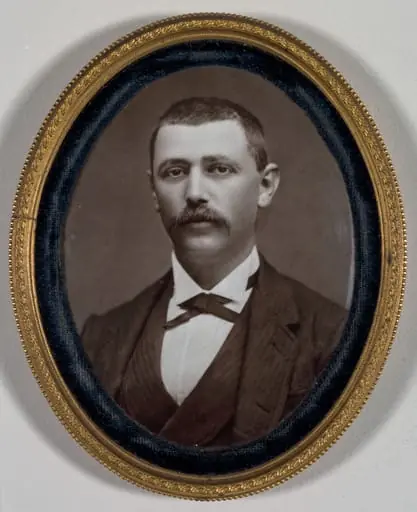 Untitled (Portrait of a Man)
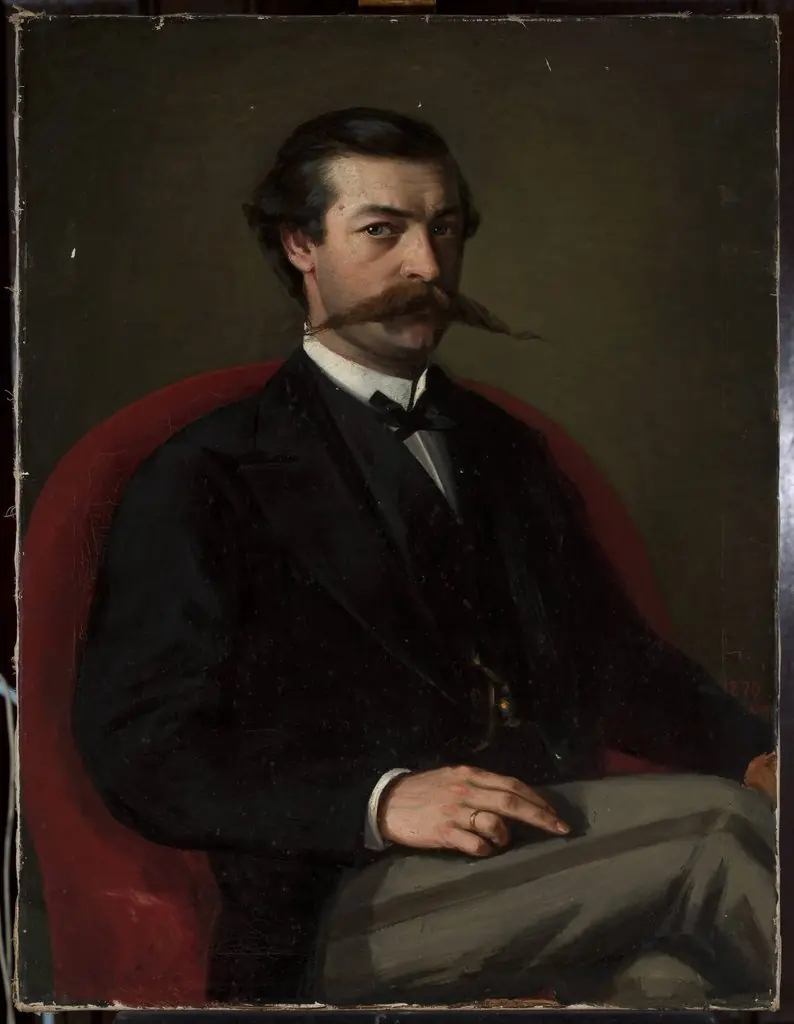 Portrait of a man
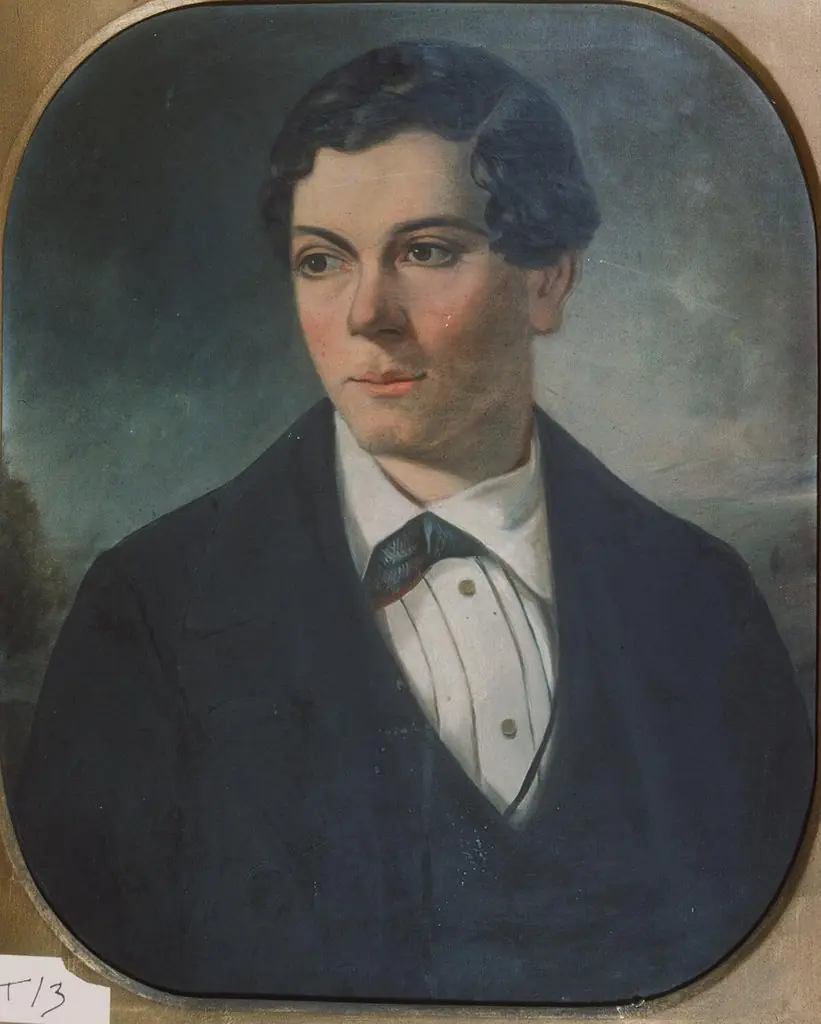 William John Thomas, farmer (died 1867)
 Portrait of Ludwik Méyet, father of Leopold
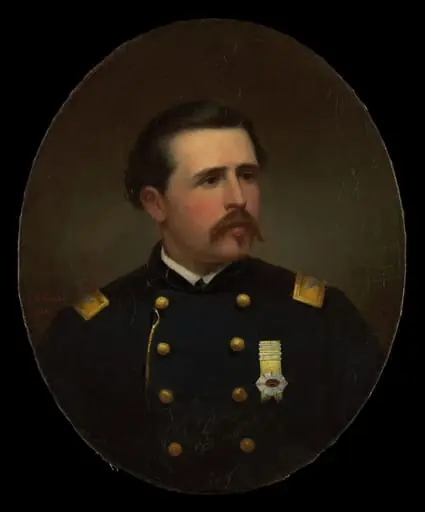 Luigi Palma di Cesnola
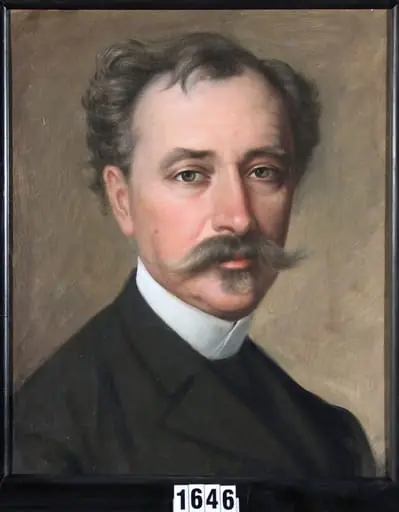 Domnul J.
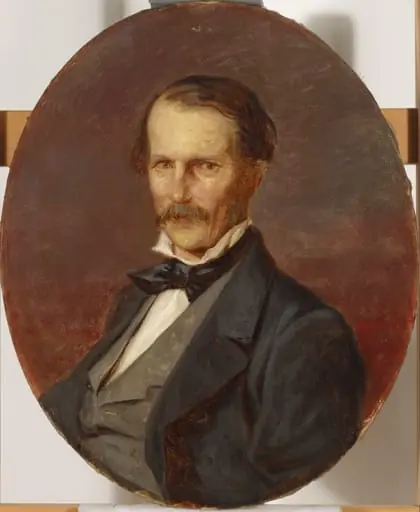 Magnus von Wrightin muotokuva