Artwork
Gustaf Wilhelm Finnbergin muotokuva
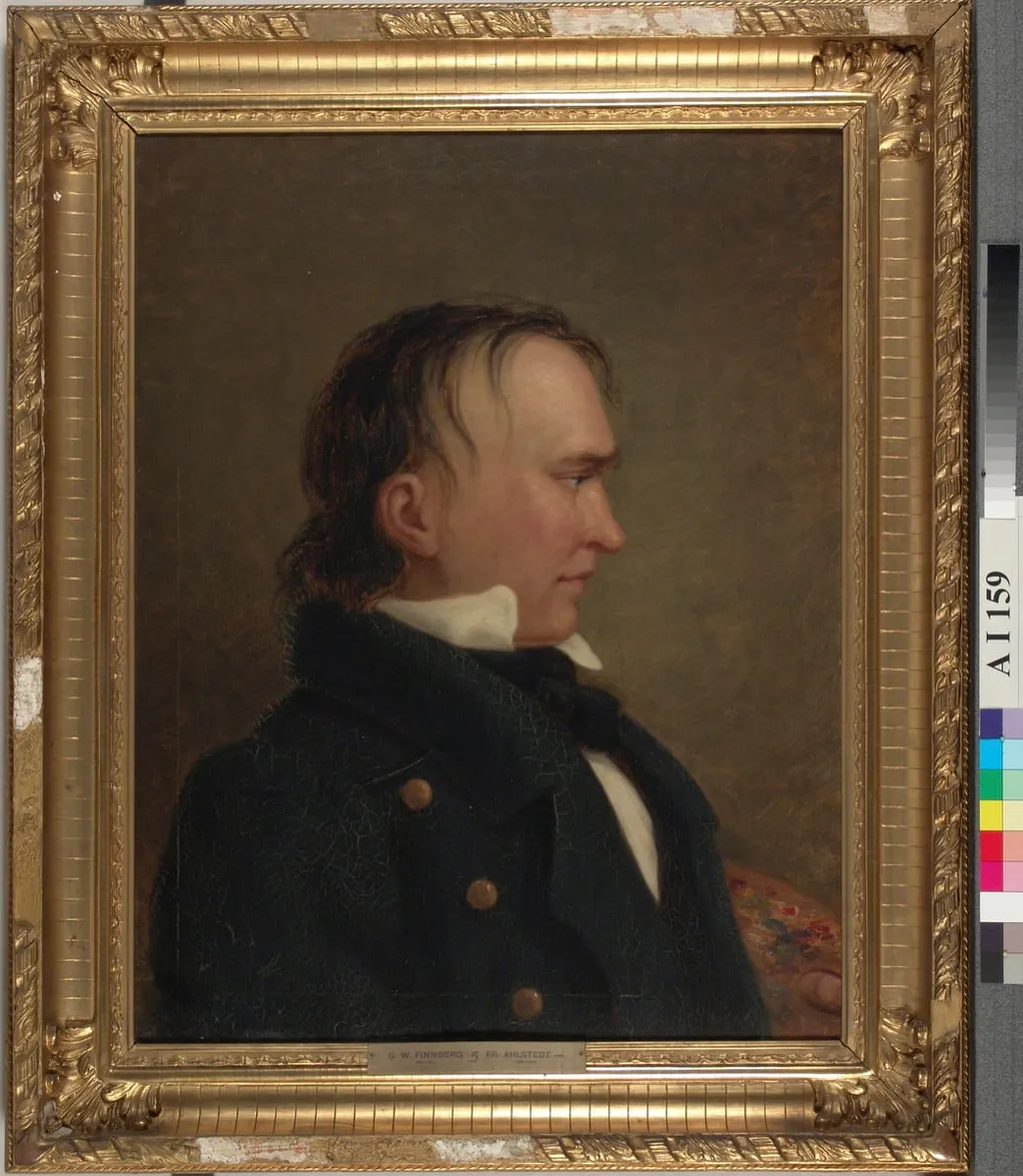
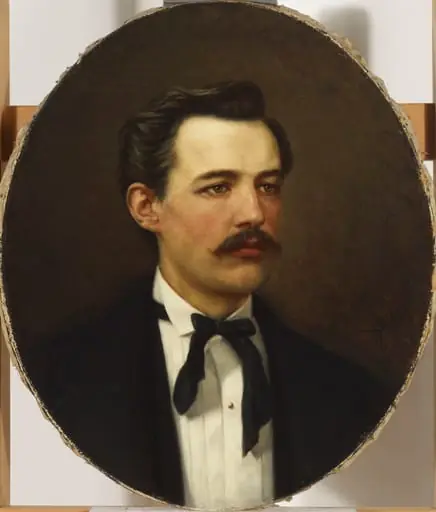
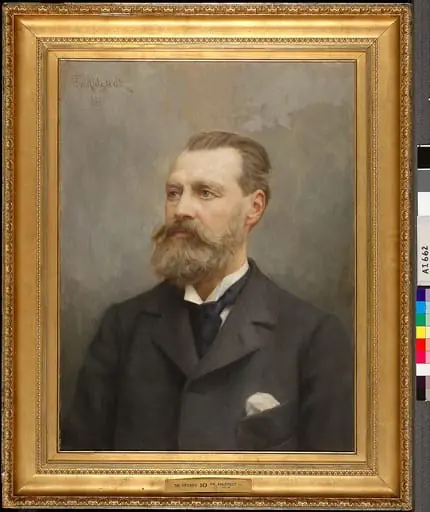
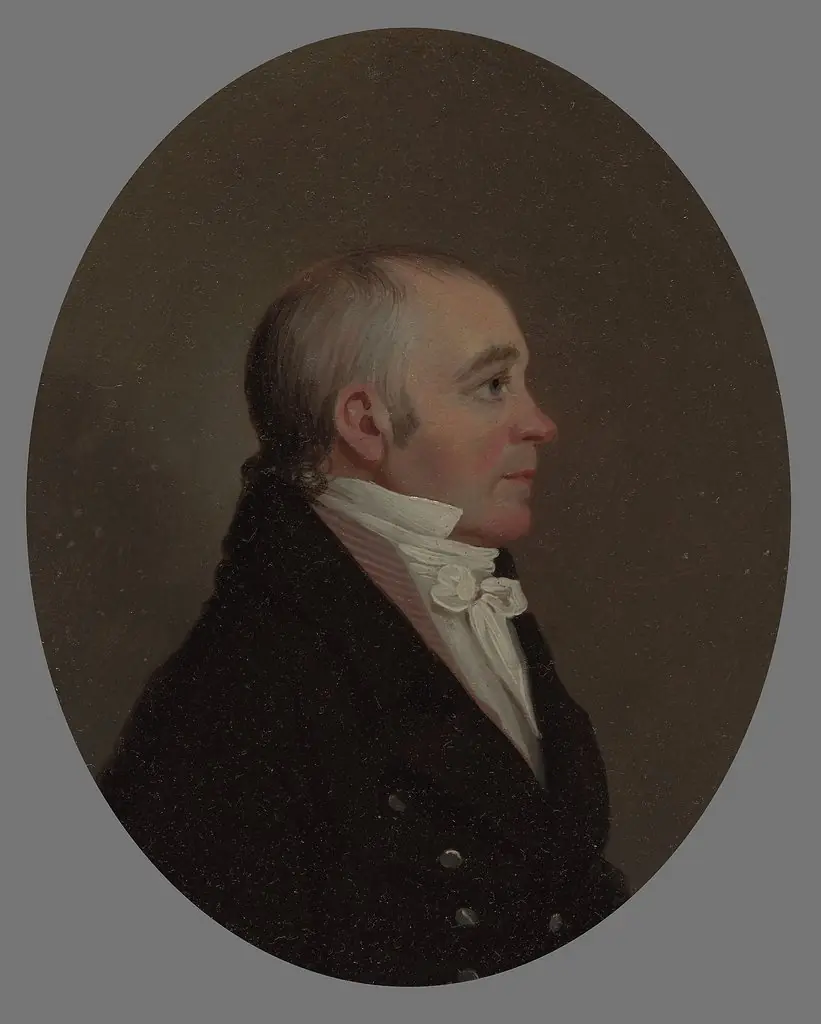
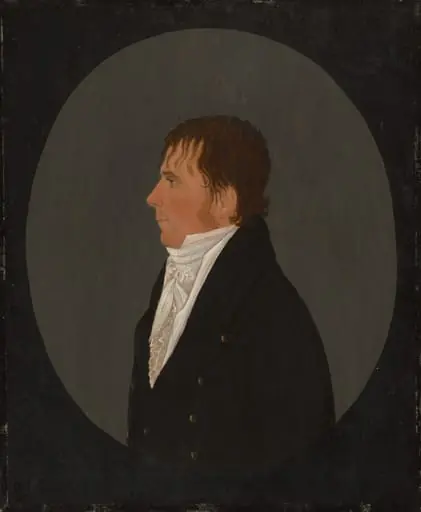
Gustaf Wilhelm Finnbergin muotokuva is an unspecified painting by Fredrik Ahlstedt. It is held in the collection of the Finnish National Gallery. This portrait depicts Gustaf Wilhelm Finnberg, rendered in profile with his head gently turned toward the viewer.
About this work
Overview
Dressed in a black jacket adorned with gold buttons and a crisp white shirt, his formal attire reflects early 19th-century conventions of dignified portraiture.
This portrait depicts Gustaf Wilhelm Finnberg, rendered in profile with his head gently turned toward the viewer. Dressed in a black jacket adorned with gold buttons and a crisp white shirt, his formal attire reflects early 19th-century conventions of dignified portraiture. The muted brown background isolates the figure, emphasizing quiet restraint. The work is attributed to Fredrik Ahlstedt, a Finnish artist active in the period when such portraits served as markers of social standing.
Subject & Meaning
Finnberg’s portrayal conveys composure and dignity through stillness and controlled posture. His profile orientation, common in formal portraiture of the era, suggests introspection and gravitas. The absence of symbolic objects or elaborate settings directs focus to his presence alone, implying that his identity and status were conveyed through attire and bearing rather than narrative context.
Technique & Style
The painting employs a restrained palette of browns, blacks, and whites, with subtle tonal variations to model the face and fabric. Brushwork is precise but unobtrusive, avoiding dramatic highlights or textures. The smooth transitions between light and shadow reflect a classical approach to modeling form, aligned with academic traditions of the time rather than expressive or romantic styles.
History & Provenance
The portrait is attributed to Fredrik Ahlstedt, a Finnish painter known for his portraits of civic and cultural figures in the early 1800s. While specific details of its commission or early ownership are not widely documented, its style and subject align with portraits produced in Finland during the period of Swedish influence and the rise of a local educated elite.
Context
Created during a time when Finland was part of the Swedish Kingdom and later under Russian rule, such portraits were often commissioned by professionals, officials, or landowners to assert social position. The formality of dress and composition mirrors broader European trends, yet the work reflects the emerging Finnish cultural identity within those frameworks.
Legacy
As one of several portraits by Ahlstedt, this work contributes to the visual record of Finland’s early 19th-century elite. It remains a quiet example of how portraiture functioned as a tool of personal and social documentation, preserving the appearance and demeanor of individuals who helped shape regional institutions during a period of political transition.
Artist & collection
Artist
Fredrik Ahlstedt kept a studio in Helsinki that smelled like turpentine and wet wool.