Artwork
Marie-Anne de Bourbon-Condé, Mademoiselle de Clermont
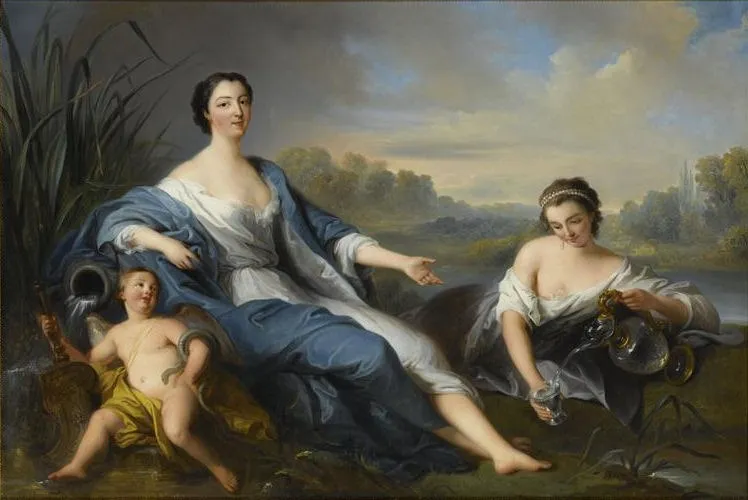
Marie-Anne de Bourbon-Condé, Mademoiselle de Clermont is an oil painting by Aimée Brune-Pagès. It dates from 1837 and is held in the collection of the Palace of Versailles.
About this work
Overview
Painted in 1837 by Aimée Brune-Pagès, this oil portrait portrays Marie-Anne de Bourbon-Condé, known as Mademoiselle de Clermont.
Painted in 1837 by Aimée Brune-Pagès, this oil portrait portrays Marie-Anne de Bourbon-Condé, known as Mademoiselle de Clermont. The work is part of the collection at the Palace of Versailles. It presents its subject in a naturalistic setting, blending aristocratic portraiture with elements of pastoral imagery. The composition centers on the sitter’s composed presence amid a tranquil outdoor scene.
Subject & Meaning
Marie-Anne de Bourbon-Condé, a member of the French royal family, is depicted with two children, one holding a snake—a symbol often associated with wisdom or renewal. The inclusion of the children suggests themes of lineage and continuity. Her calm demeanor and the peaceful surroundings convey an idealized vision of noble maternity and serene authority, consistent with early 19th-century expectations of aristocratic womanhood.
Technique & Style
Brune-Pagès employs soft brushwork to render the textures of fabric and skin, with delicate attention to the white dress and blue shawl. The landscape background is rendered in muted tones, creating depth without distraction. Light falls gently across the figures, enhancing their three-dimensionality. The children’s poses introduce subtle movement, contrasting with the sitter’s stillness and reinforcing the painting’s quiet harmony.
History & Provenance
The painting was completed in 1837 and entered the collection of the Palace of Versailles shortly thereafter. It remained in royal custody through the 19th century, reflecting its association with the Bourbon lineage. Its preservation within the palace underscores its role as a documented representation of aristocratic identity during the July Monarchy period, when historical portraiture was actively curated.
Context
Created during a time when French aristocracy sought to reaffirm its cultural legacy after the Revolution, this portrait aligns with a broader trend of romanticizing noble family life. The pastoral setting and symbolic elements echo earlier traditions of allegorical portraiture, while the intimate domestic scene reflects contemporary interest in emotional authenticity within elite representation.
Legacy
Though Aimée Brune-Pagès is not widely known today, this work remains a documented example of female artists working within aristocratic circles in 19th-century France. The painting contributes to the visual record of Bourbon family members during a transitional era. Its continued display at Versailles ensures its place in the institutional memory of French royal imagery.
Artist & collection
Artist
Aimée Brune-Pagès (1803–1866) was an artist, born in former 11th arrondissement of Paris.

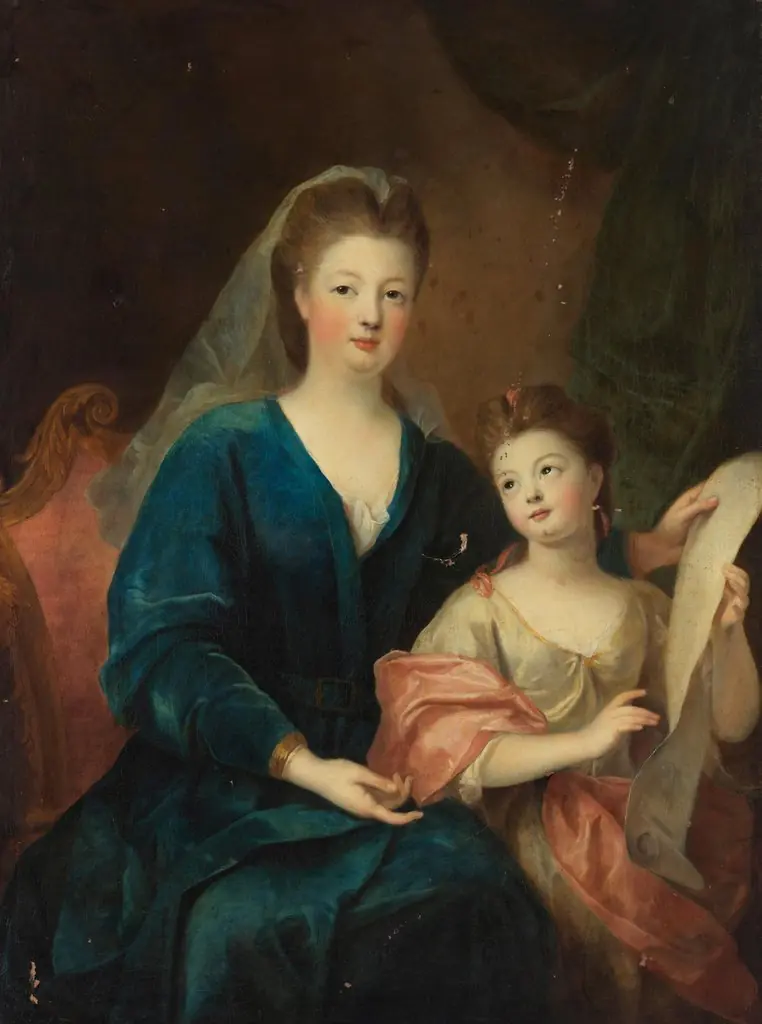 The Duchess of Bourbon and her daughter
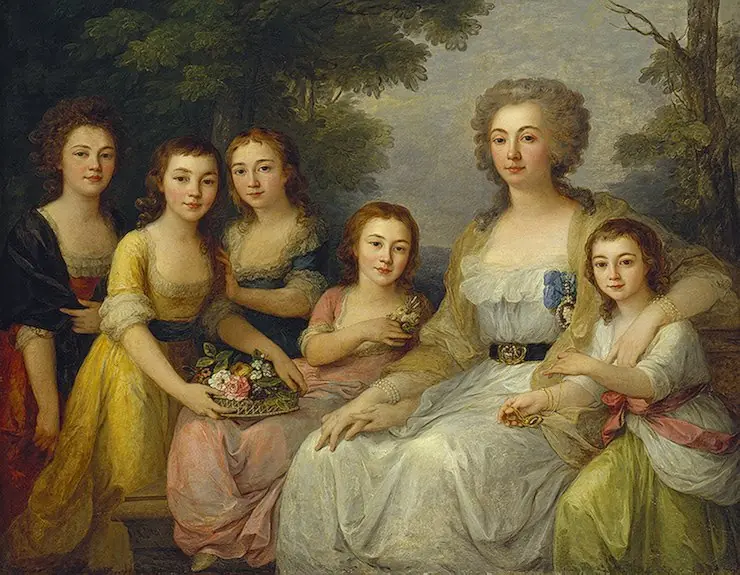 Portrait of Countess A.S. Protasova with her Nieces
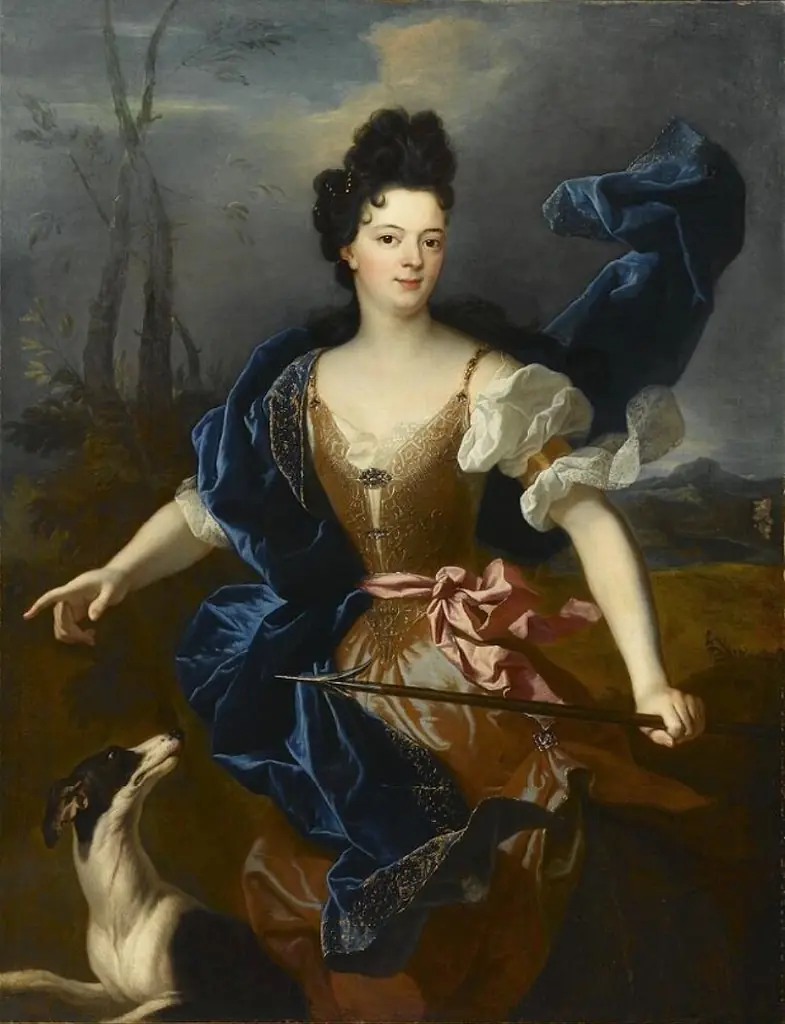 "The Duchesse de Choiseul as Diana"
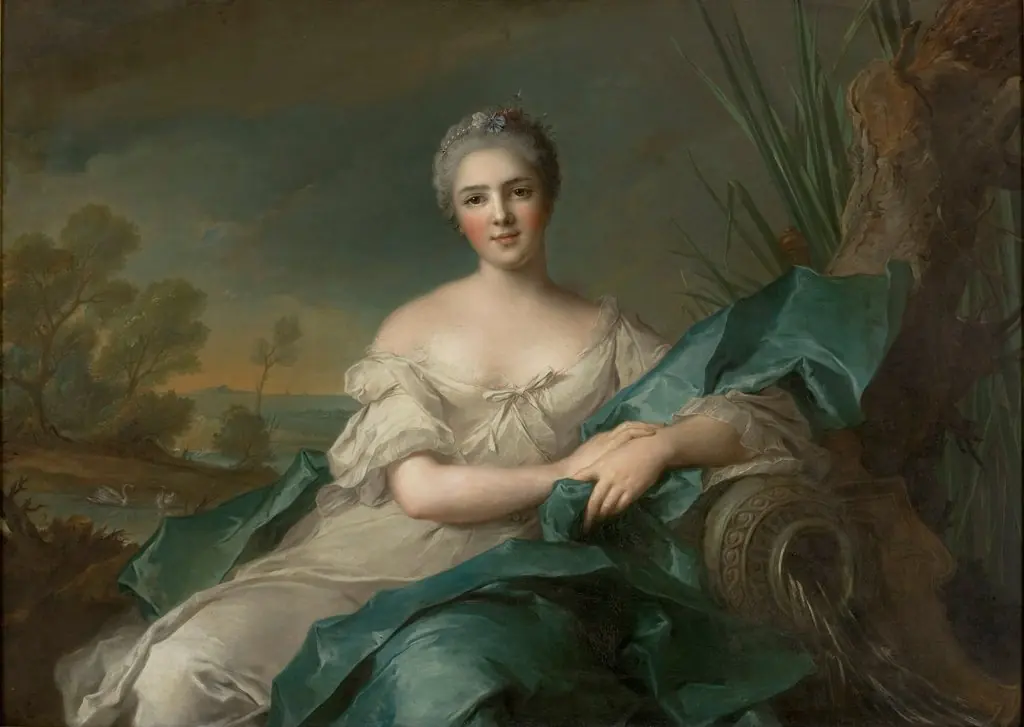 Princess Victoire of France - The Water
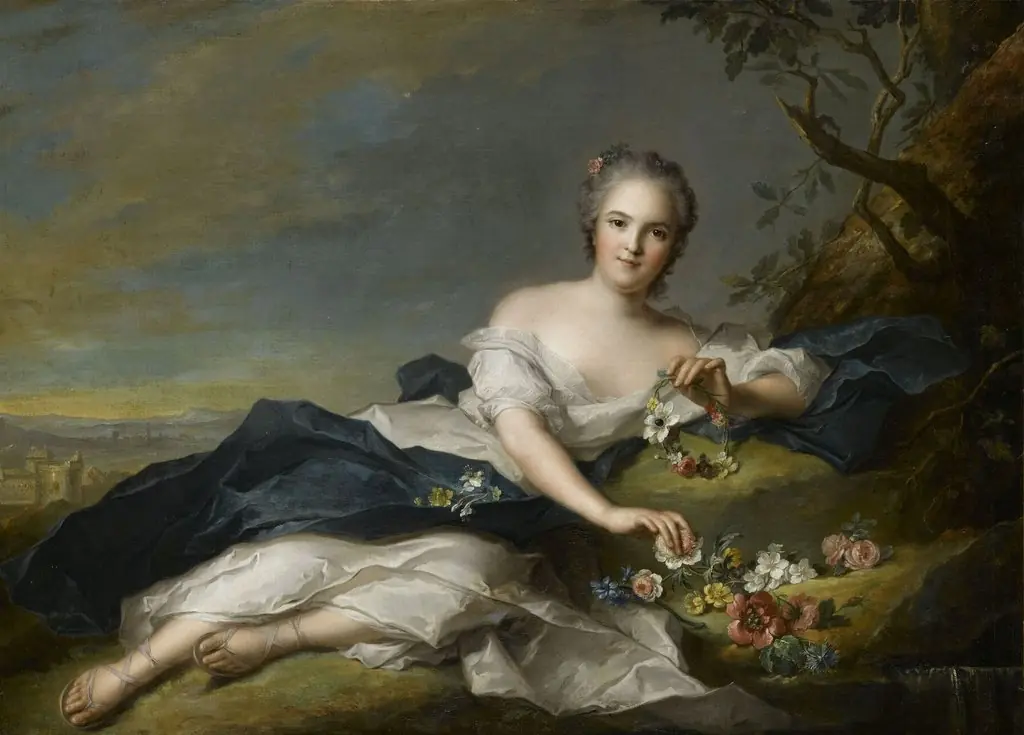 Henriette of France as Flora
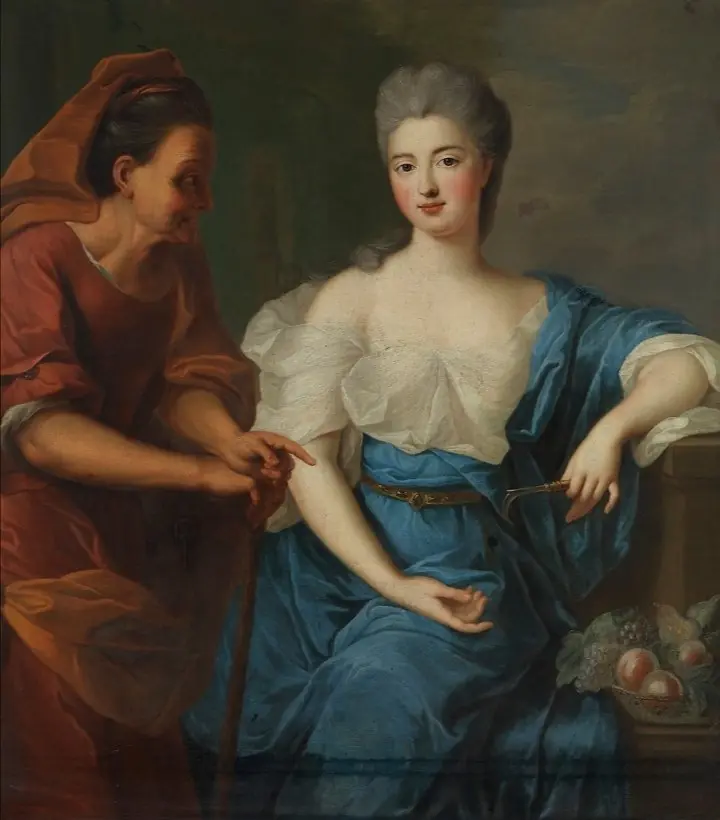 Bildnis Gräfin Polignac
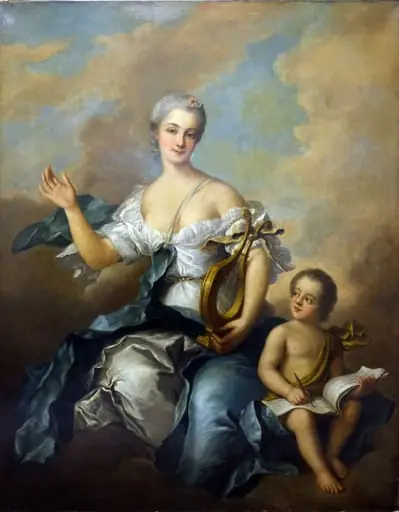 Inspirația
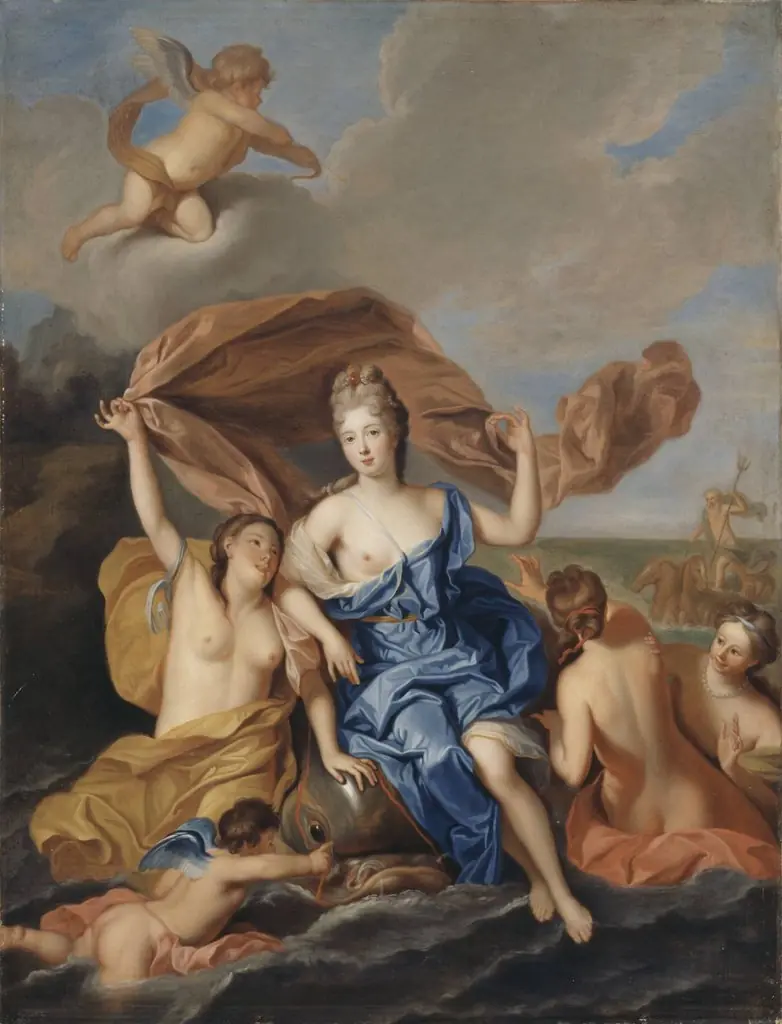 Presumed portrait of Françoise-Marie de Bourbon, duchesse d'Orléans
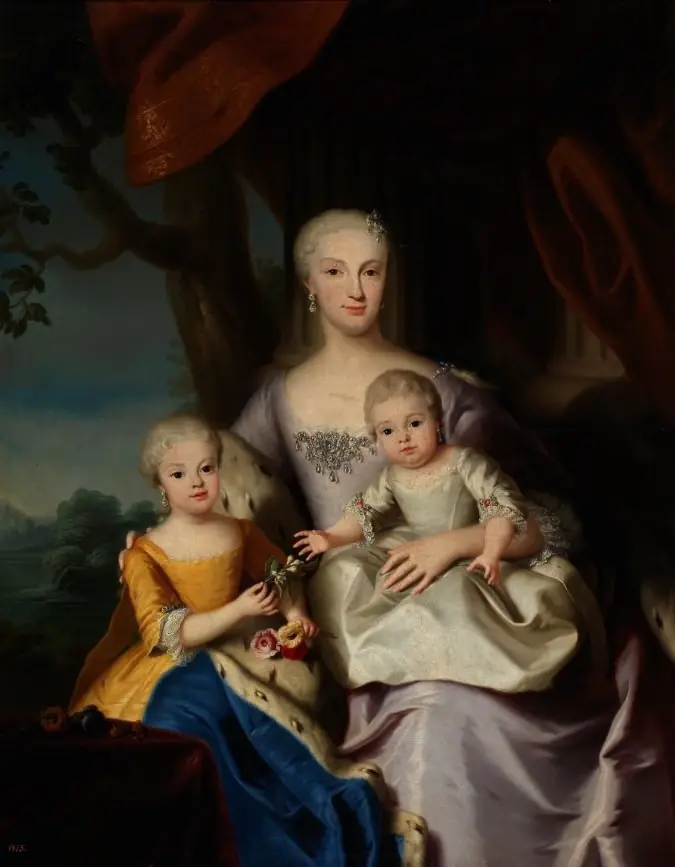 Maria Antonia of Spain and her two daughters
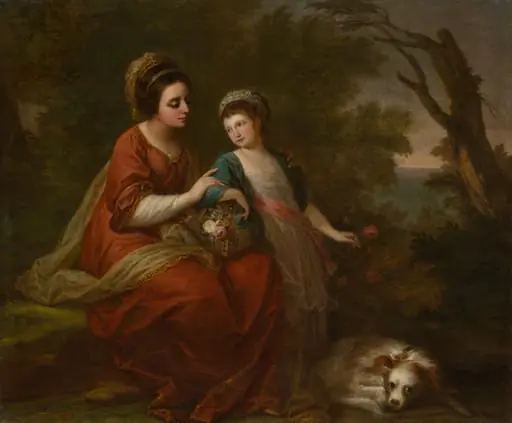 Mrs. Hugh Morgan and Her Daughter
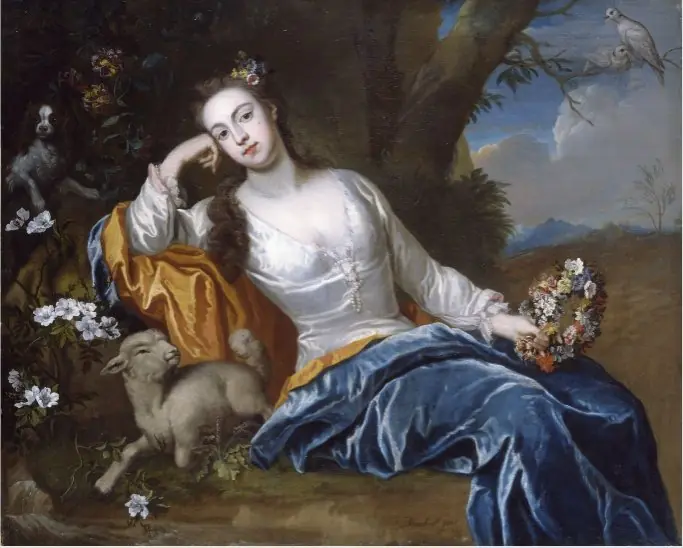 Portrait of Henrietta, Duchess of Bolton (1682-1730) as a Shepherdess
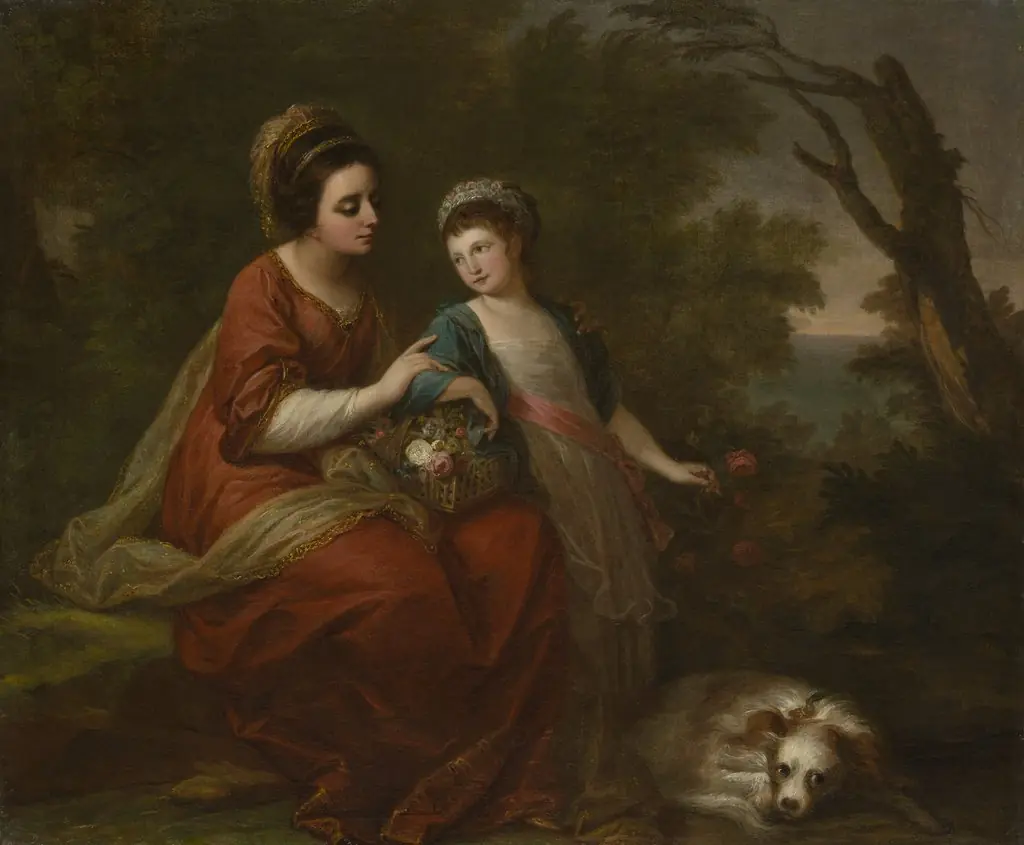 Mrs. Hugh Morgan and Her Daughter