Artwork
Johanna Robinson Hazen.
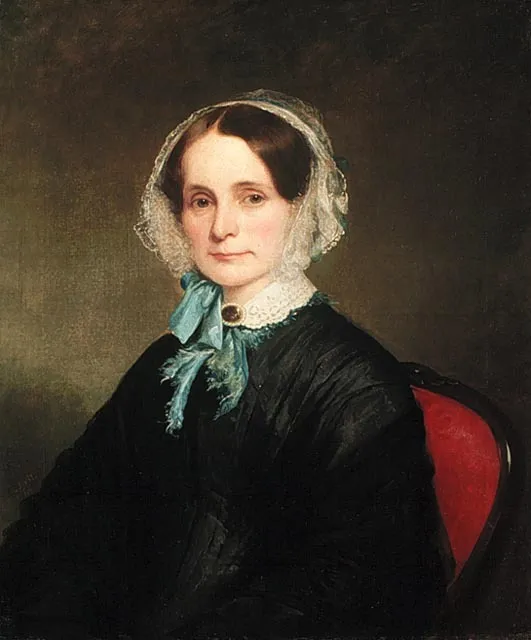
Johanna Robinson Hazen. is an oil painting by the Realist artist Albert Gallatin Hoit. It dates from 1852 and is held in the collection of the National Gallery of Canada.
About this work
The woman's attire and hairstyle suggest a formal and modest style, characteristic of the mid-19th century.
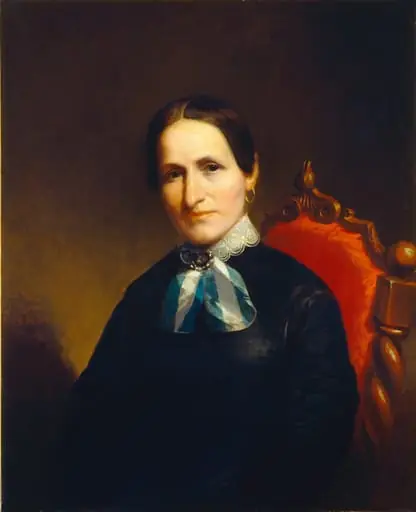
This portrait depicts a woman with dark hair, parted in the middle and pulled back, wearing a black dress with a white lace collar and a blue ribbon tied around her neck. The background is a muted brown color.
The woman's attire and hairstyle suggest a formal and modest style, characteristic of the mid-19th century. Her expression is calm and serene, with a subtle hint of a smile.
To learn more about the artist's use of chiaroscuro, explore the works of Albert Gallatin Hoit.
Overview
Albert Gallatin Hoit completed this oil portrait in 1852, capturing Johanna Robinson Hazen in a restrained, intimate composition. Hoit, a Boston-based artist active in the mid-19th century, specialized in portraits of prominent New England figures. The work is part of the National Gallery of Canada’s collection and reflects the period’s emphasis on dignified representation through careful observation and subdued tonality.
Subject & Meaning
Johanna Robinson Hazen is portrayed with quiet composure, her demeanor suggesting refinement and inner calm. Her attire—a black dress with a white lace collar and a blue ribbon—aligns with mid-century norms of modesty and propriety. The subtle smile and direct gaze convey a sense of personal dignity rather than theatricality, reflecting the values of her social circle and the era’s ideal of feminine restraint.
Technique & Style
Hoit employed a muted palette and soft transitions to render form without dramatic contrast. The background, a neutral brown, isolates the figure and directs focus to her face and clothing. Delicate handling of the lace collar and ribbon demonstrates attention to textile detail, while the even lighting avoids strong chiaroscuro, favoring a gentle, naturalistic approach consistent with American realism of the time.
History & Provenance
Painted in 1852, the portrait remained in private hands until entering the National Gallery of Canada’s collection. Hoit’s reputation as a portraitist of political and cultural figures in Massachusetts lends context to Hazen’s identity, though her personal history is less documented. The painting’s preservation reflects its status as a representative example of regional portraiture from the antebellum period.
Context
In the 1850s, American portraiture emphasized moral character and social standing over flamboyance. Hoit’s work aligns with this trend, favoring clarity and restraint. Hazen’s attire and pose mirror the expectations for women of her class, while the painting’s quiet intensity reflects broader cultural values in New England, where personal virtue and understated elegance were highly regarded.
Legacy
Though Hoit is not widely known today, his portraits, including this one, offer insight into the visual culture of mid-19th-century New England. The painting contributes to the historical record of women’s representation in art, illustrating how identity, class, and gender norms were visually encoded in domestic and civic life during the period.
Artist & collection
Artist
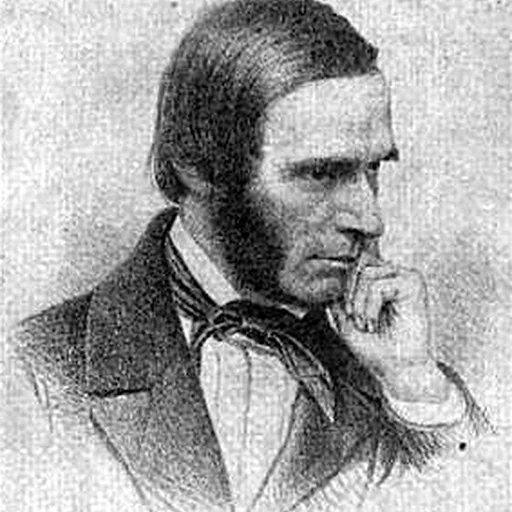
Albert Gallatin Hoit (December 13, 1809 – December 18, 1856) was an American painter who lived in Boston, Massachusetts. He painted portraits of William Henry Harrison, Daniel Webster and Brenton Halliburton.

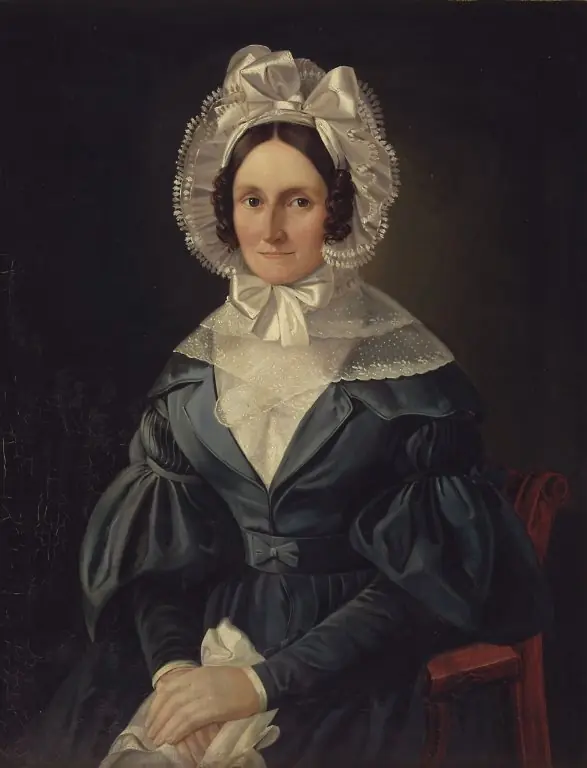 Anna Theodora Barbara Regenburg, f. Wetche
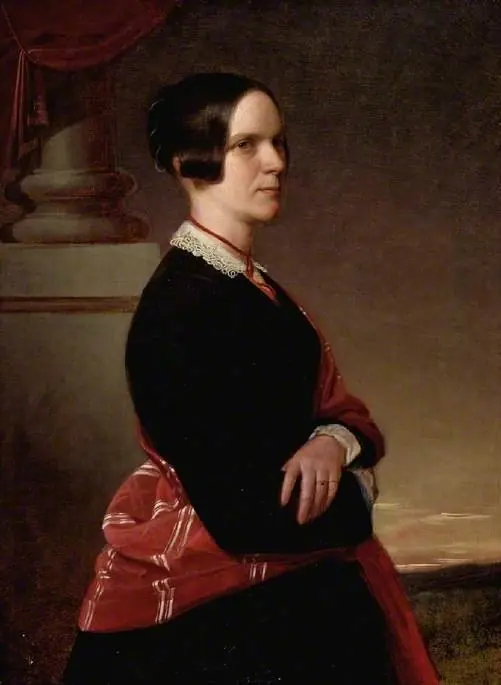 Mary Ann Sandys, née Brown (d.1883), the Artist's Mother
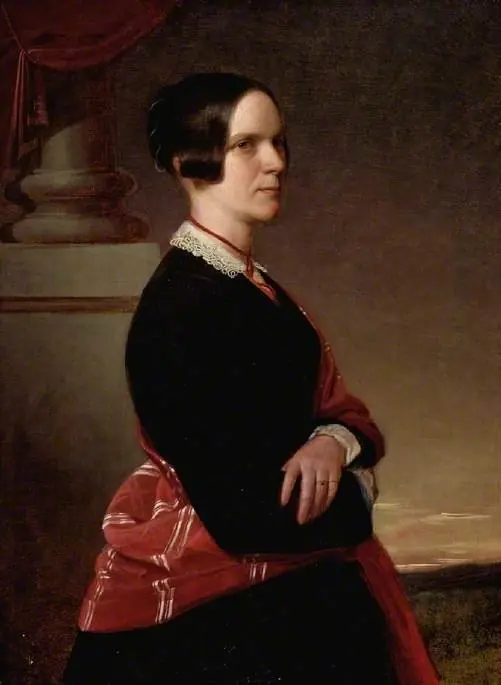 Mrs Sandys, the artist's mother
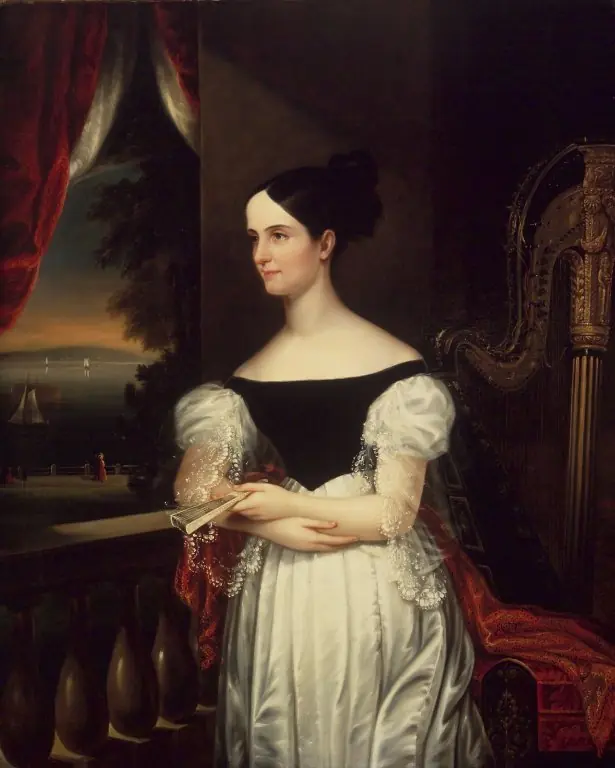 Mrs. Robert Donaldson (Susan Jane Gaston)
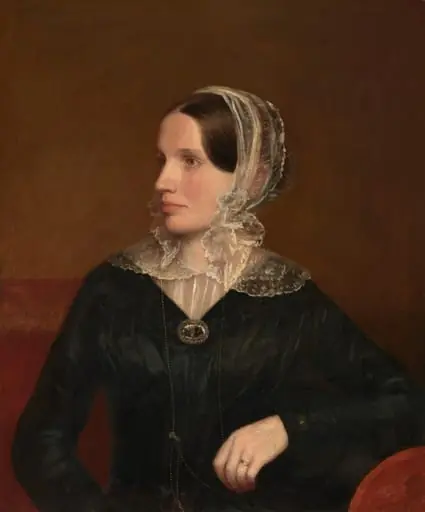 Lovice Corbett Whittemore (Mrs. Thomas Whittemore)
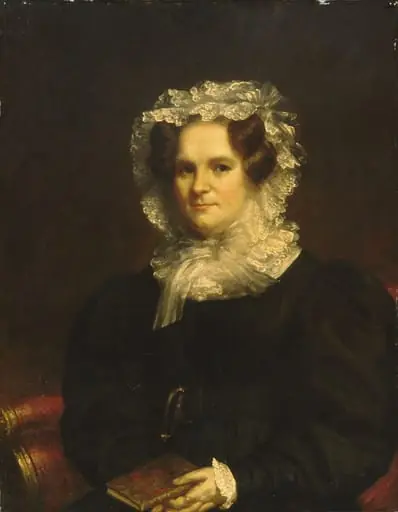 Mrs. Edward Kellogg
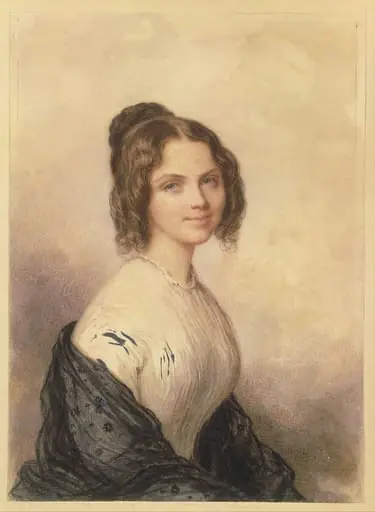 Anne Charlotte Lynch (Later Mrs. Vincenzo Botta)
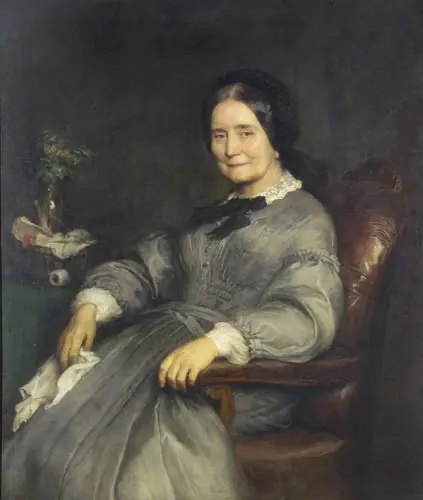 Portrait of Mrs. Rudolf Fuchs (Portrait of Mrs. Keresztély)
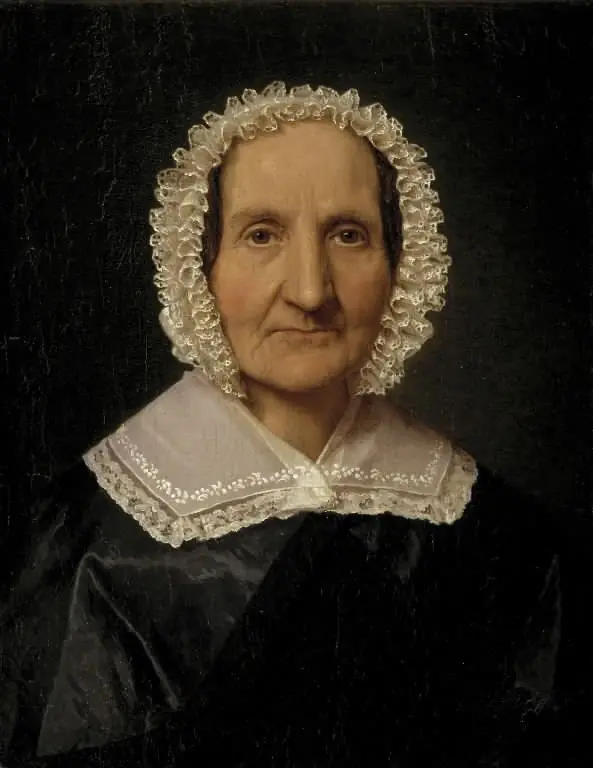 Juliane Dorothea Købke, née Ratz, the Artist's Mother-in-Law
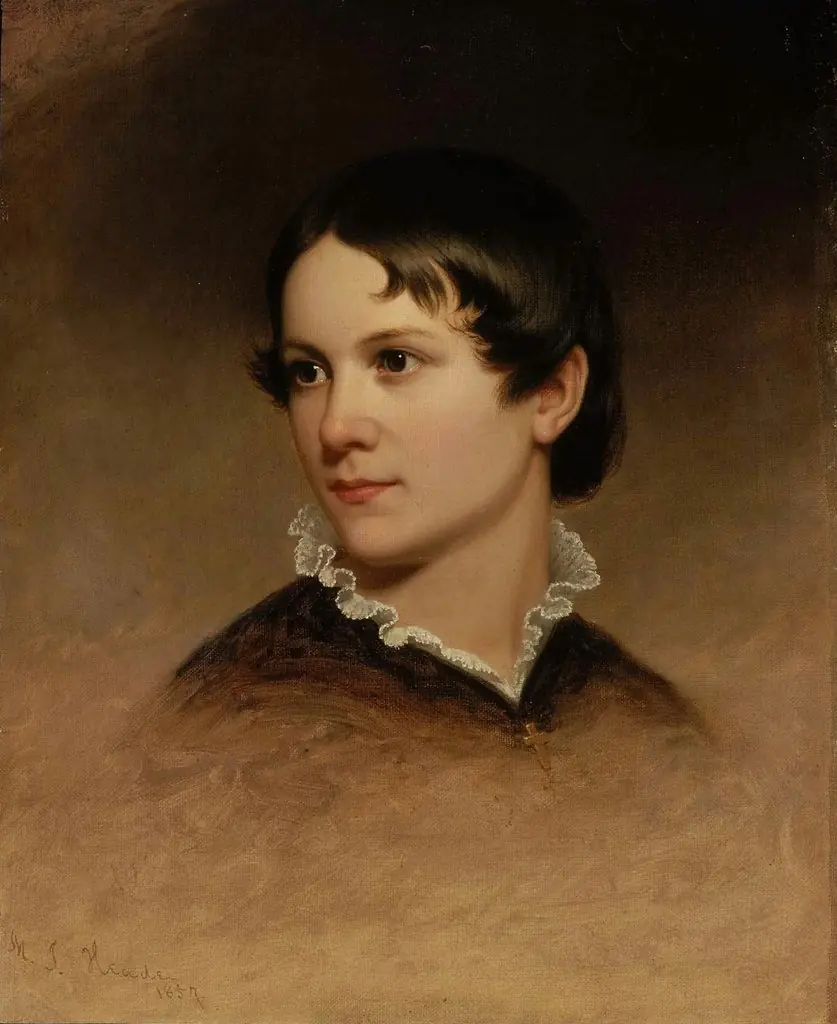 Mary Rebecca Clark
 Julia Dodd (Mrs. George Dodd)
 Phoebe Cassidy Freeman (Mrs. Clarkson Freeman)