Artwork
Untitled
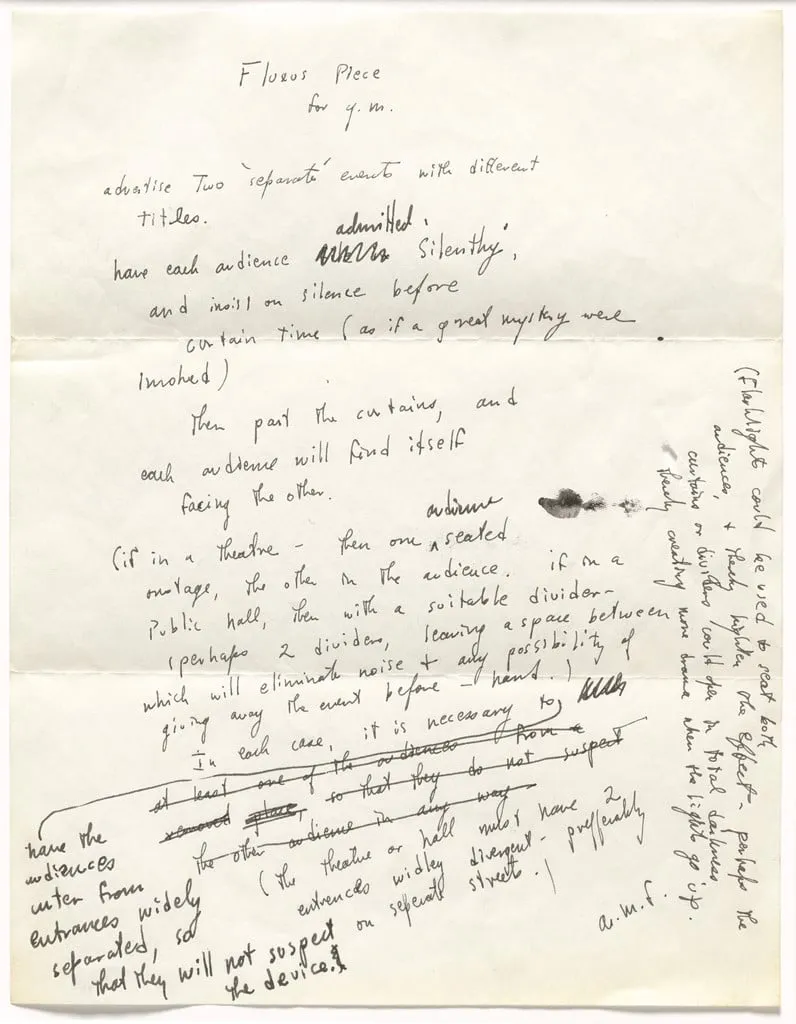
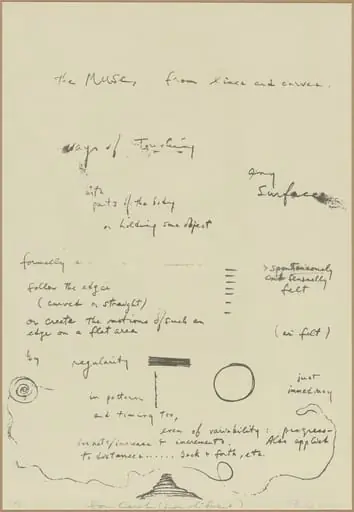
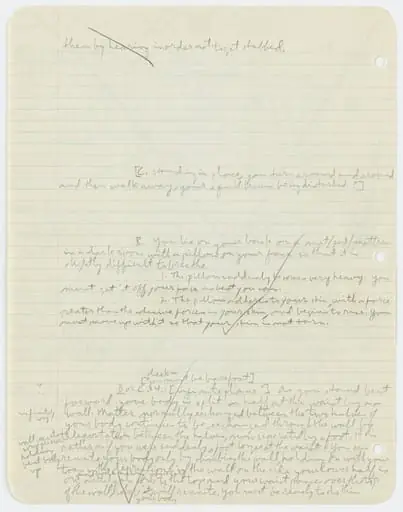
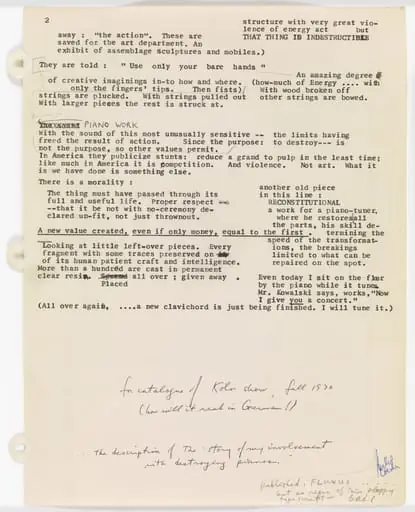
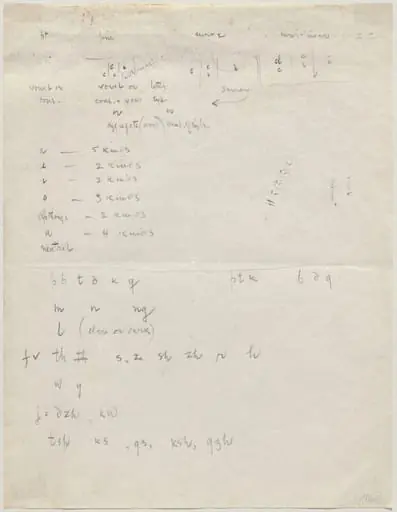
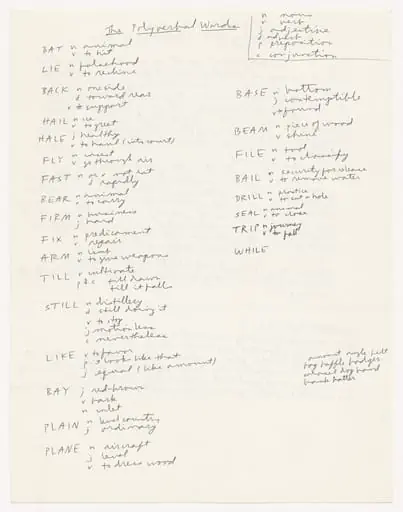
Untitled is an ink drawing by Albert M. Fine. It dates from 1966 and is held in the collection of the Museum of Modern Art. Created around 1966, this ink drawing on paper is attributed to Albert M.
About this work
Overview
The work lacks a traditional title, aligning with experimental practices common in mid-century avant-garde circles.
Created around 1966, this ink drawing on paper is attributed to Albert M. Fine and resides in the collection of The Museum of Modern Art. Its minimal composition—composed of abstract lines and forms—reflects an interest in reduction and spontaneity. The work lacks a traditional title, aligning with experimental practices common in mid-century avant-garde circles. Its simplicity invites contemplation rather than narrative interpretation.
Subject & Meaning
The drawing does not depict recognizable figures or scenes. Instead, it presents non-representational marks that suggest movement or structural tension. The dedication to 'G.M.' introduces a private dimension, possibly indicating a personal connection or tribute. This gesture contrasts with the work’s formal ambiguity, blending intimacy with abstraction in a way characteristic of Fluxus-influenced practices.
Technique & Style
Executed in ink on paper, the piece employs fluid, unembellished lines with no shading or color. The hand appears deliberate yet unrefined, avoiding polished technique in favor of immediacy. This approach echoes the Fluxus ethos of valuing process over product, where the act of making holds equal weight to the final object. The materiality of the medium reinforces its ephemeral, anti-monumental character.
History & Provenance
The work entered The Museum of Modern Art’s collection as part of its broader effort to document experimental art from the 1960s. While Fine’s public profile remains limited, this drawing is among the few documented works attributed to him. Its acquisition reflects the museum’s interest in lesser-known figures associated with movements like Fluxus, whose contributions were often decentralized and informal.
Context
Emerging during a period when artists challenged conventional definitions of art, this drawing aligns with Fluxus’s emphasis on everyday materials, impermanence, and conceptual play. Though not widely exhibited, it shares affinities with contemporaneous works by George Maciunas and Yoko Ono, who similarly used simple media to disrupt artistic norms. Its existence underscores the movement’s decentralized, networked nature.
Legacy
As a modest yet distinct example of 1960s experimental drawing, this work contributes to the historical record of artists who prioritized gesture and intention over formal mastery. Though Fine’s oeuvre is sparse, this piece remains a quiet testament to the era’s broader rethinking of art’s boundaries. It continues to be referenced in studies of postwar American drawing and Fluxus-related practices.
Artist & collection