Artwork
Das Haus der Träume
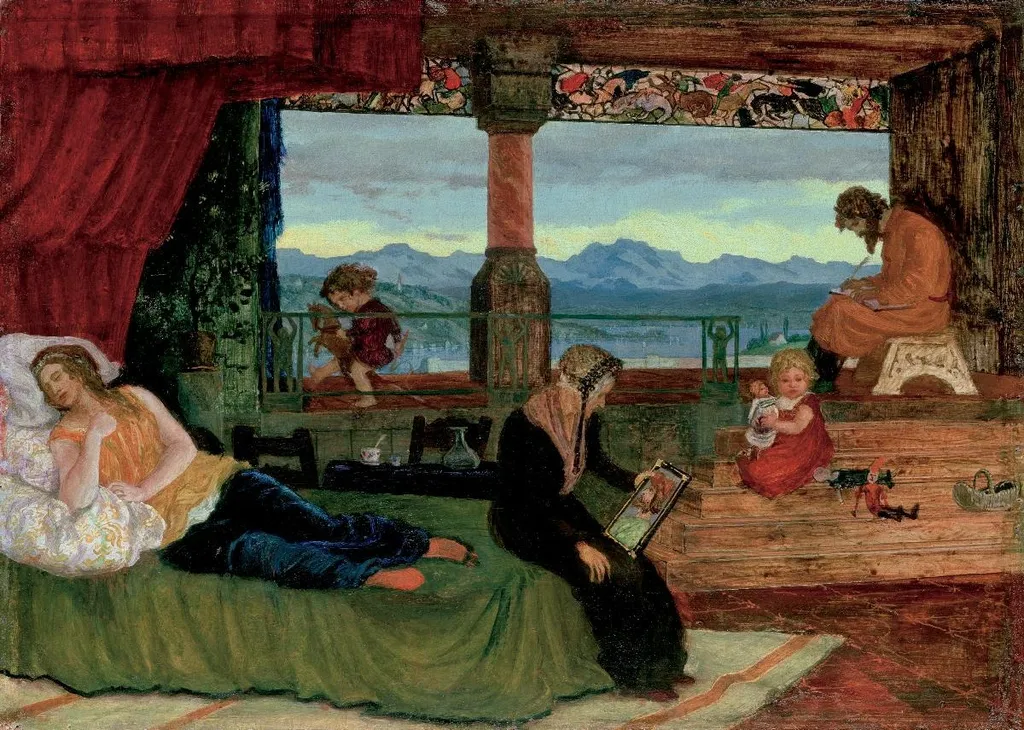
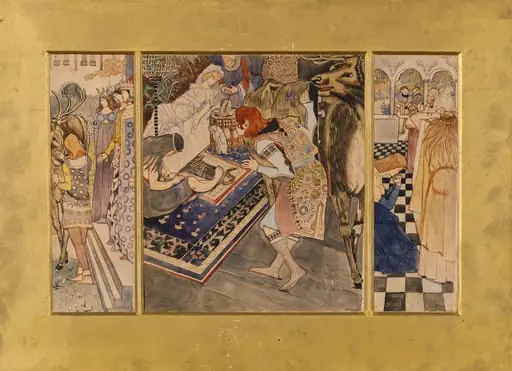
Das Haus der Träume is an unspecified painting by the Post-Impressionist artist Albert Welti. It dates from 1899 and is held in the collection of the Kunsthaus Zürich.
About this work
Overview
Though associated with post-impressionism, his approach diverged from color-focused experiments, favoring symbolic interiors and psychological quietude.
Albert Welti, a Swiss artist active in the late 19th century, completed *Das Haus der Träume* in 1899. Though associated with post-impressionism, his approach diverged from color-focused experiments, favoring symbolic interiors and psychological quietude. The painting resides in the Kunsthaus Zürich, where it exemplifies Welti’s interest in intimate, dream-adjacent moments rather than overt surrealism.
Subject & Meaning
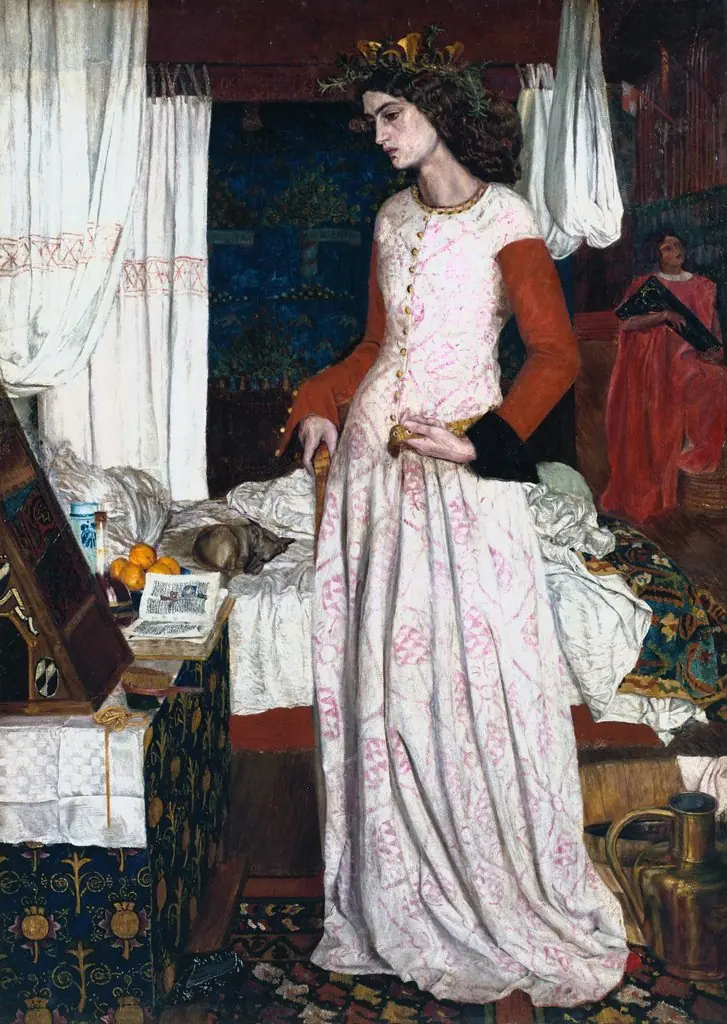
The scene portrays a woman resting on a couch, her posture suggesting deep repose, while a man observes from a distant balcony. Below him, a child plays with a toy, creating a layered spatial narrative. No clear story emerges; instead, the figures coexist in silent, unconnected stillness. The title hints at an inner world—perhaps the woman’s dream—where time slows and external roles dissolve into quiet observation.
Technique & Style
Welti employed muted, harmonious tones: soft yellows, deep greens, and rich reds define the interior without harsh contrast. Brushwork is controlled, edges softened to blur boundaries between figures and space. The composition is deliberately still, with horizontal lines reinforcing calm. Light falls evenly, eliminating dramatic shadows, reinforcing an atmosphere of suspended time rather than narrative action.
History & Provenance
Painted in 1899, the work entered the Kunsthaus Zürich’s collection shortly after its completion. Welti, known for etchings and symbolic scenes, rarely exhibited large-scale paintings publicly. *Das Haus der Träume* remained largely within Swiss circles until the 20th century, when its quiet symbolism attracted renewed scholarly attention as part of fin-de-siècle introspective art.
Context
In late 19th-century Switzerland, artists increasingly turned inward, responding to industrialization with contemplative imagery. Welti’s work aligns with broader European trends—like those of Symbolists—who sought emotional resonance over realism. Unlike his etchings, which often depicted nightmares, this painting avoids the grotesque, instead offering a subdued meditation on solitude and domestic stillness.
Legacy
Though not widely known outside Switzerland, *Das Haus der Träume* remains a key example of Welti’s unique synthesis of realism and psychological suggestion. It influenced later Swiss painters interested in interiority and quiet emotion. The painting’s endurance lies in its refusal to explain, inviting viewers to inhabit its stillness rather than interpret its meaning.
Artist & collection
Artist
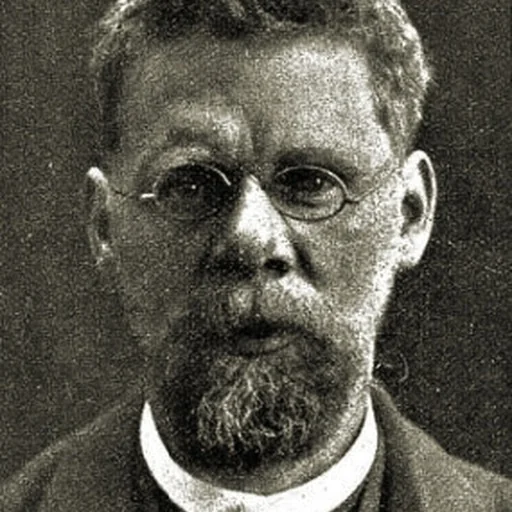
Albert Welti (18 February 1862 – 7 June 1912) was a Swiss painter and etcher. Many of his works depicted dreams or nightmares.

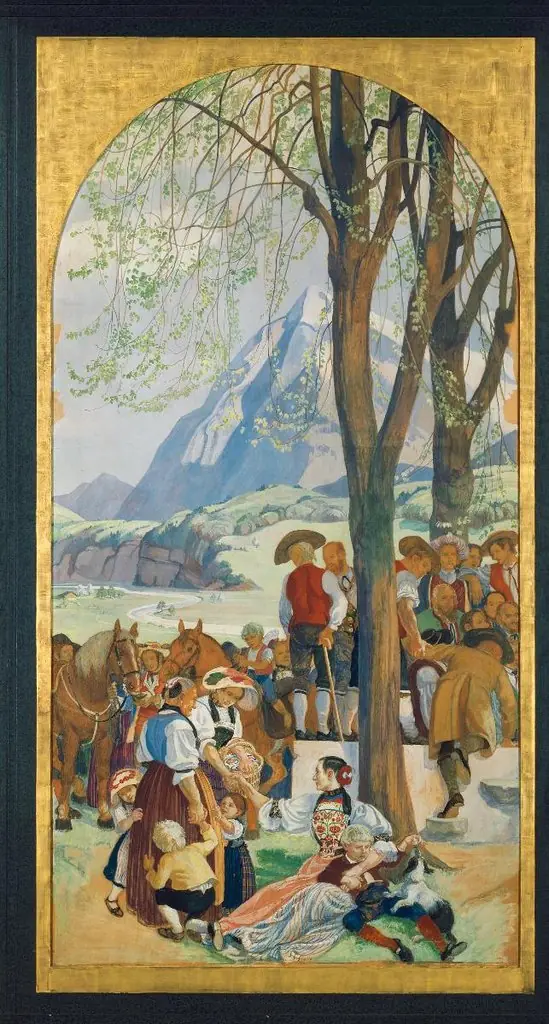
![Obwaldner Landsgemeinde [erstes Bild, links], by Albert Welti](https://artifactworldgallery.com/img/albert-welti--obwaldner-landsgemeinde-erstes-bild-links--6c1b18382095e99f-w320.webp)