Artwork
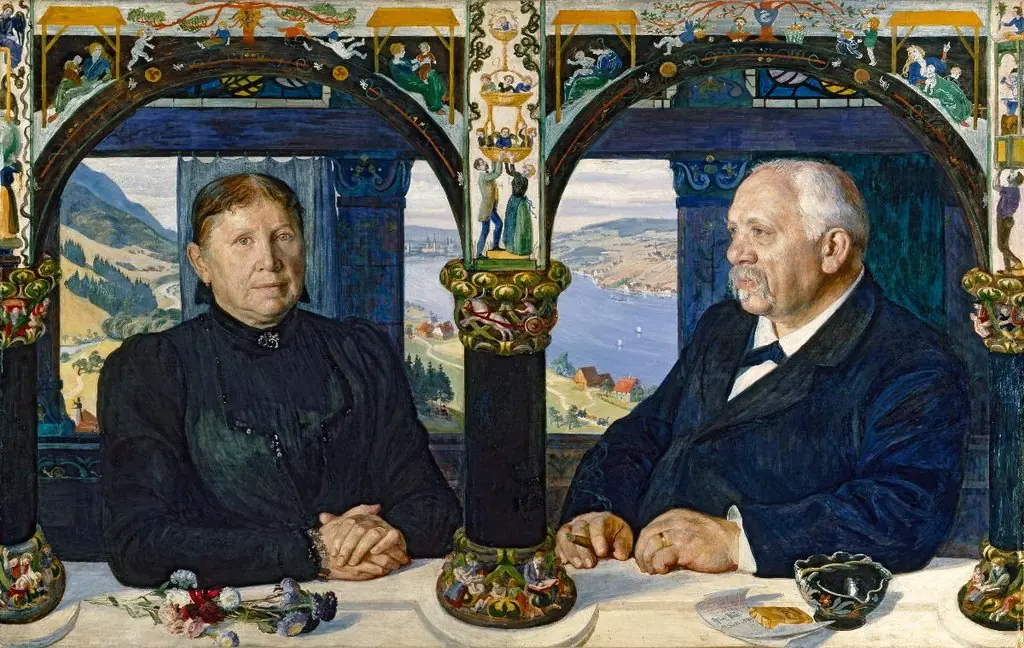
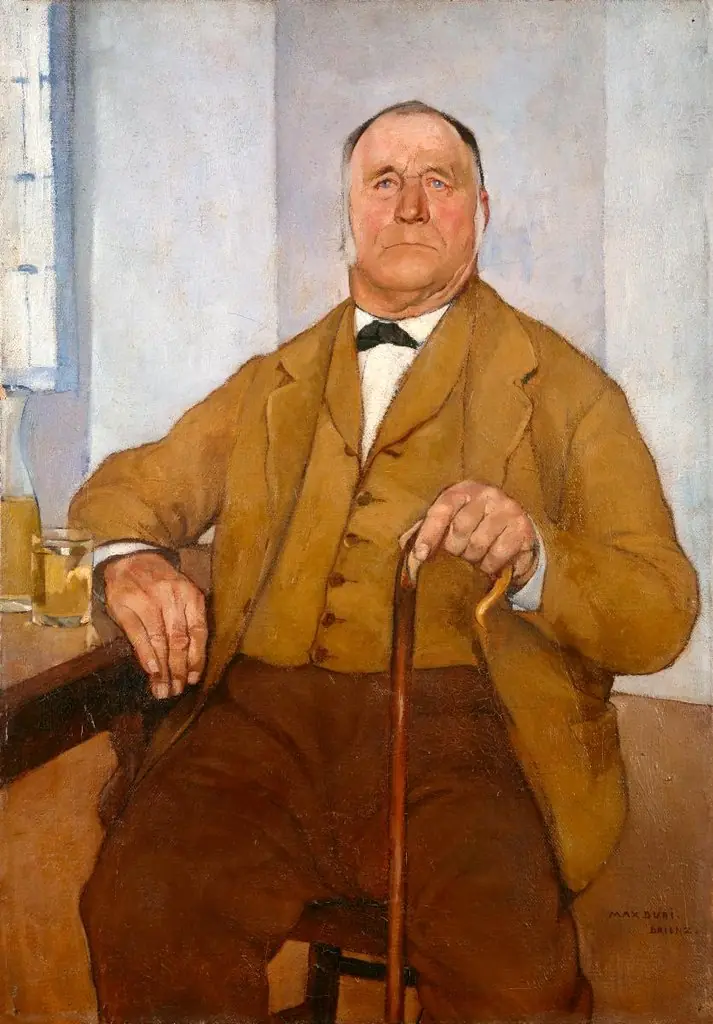
Bildnis Franz Rose von Döhlau vor orientalischem Tuch
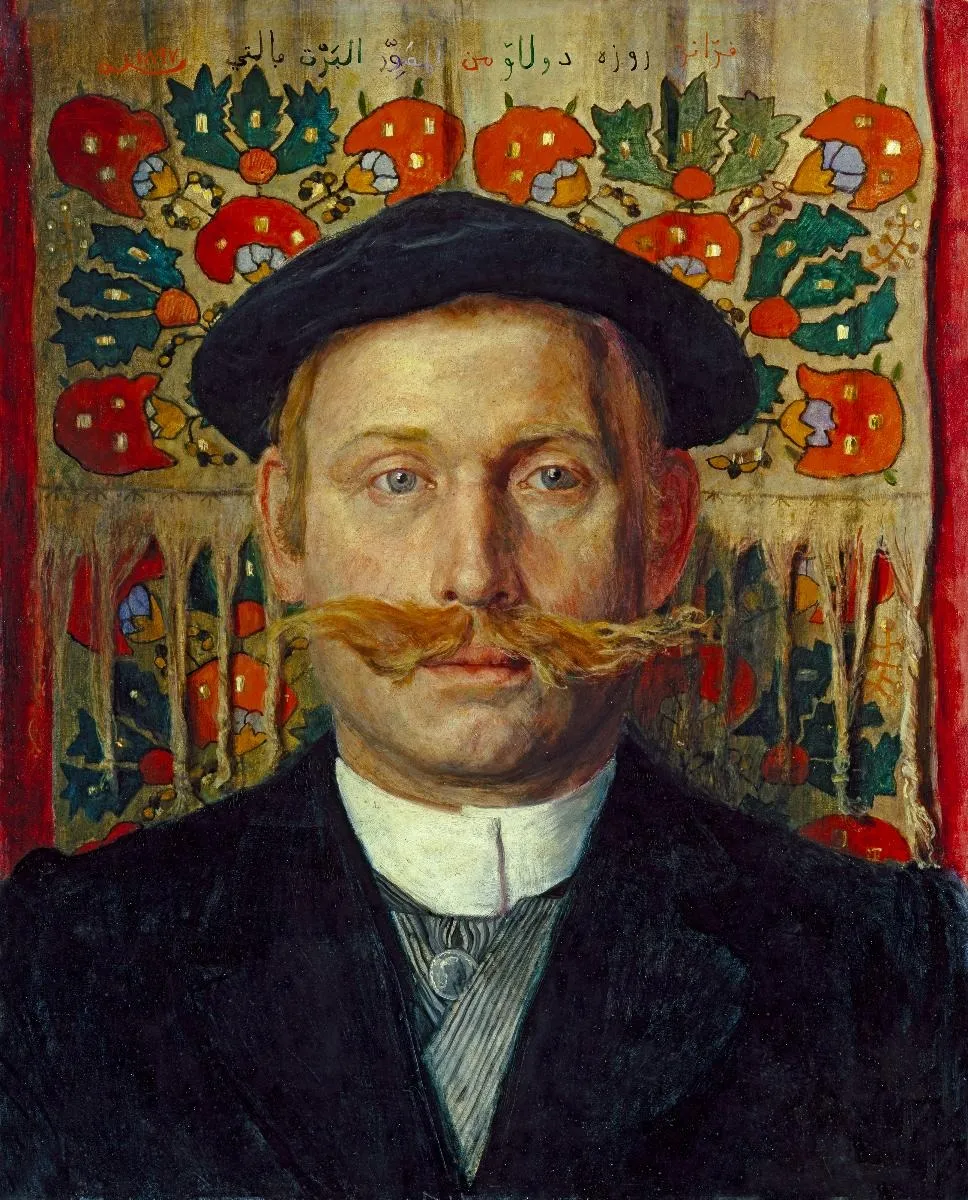
Bildnis Franz Rose von Döhlau vor orientalischem Tuch is a tempera painting by the Symbolist artist Albert Welti. It dates from 1899 and is held in the collection of the Kunsthaus Zürich.
About this work
This painting is a portrait.
It was made by Albert Welti in 1897. The fact that it's a portrait from this time period makes it interesting, as it gives us a glimpse into the style and culture of the late 19th century.
You can learn more about the artist and his work at the museum where this painting is held, the Kunsthaus Zürich.
Overview
Albert Welti’s tempera portrait, titled *Bildnis Franz Rose von Döhlau vor orientalischem Tuch*, dates from the closing years of the nineteenth century. Executed in 1899, the work presents the sitter, Franz Rose von Döhlau, positioned before a richly patterned oriental drapery. The painting is part of the permanent collection of the Kunsthaus Zürich.
Subject & Meaning
The composition centers on the figure of Franz Rose von Döhlau, whose calm demeanor is contrasted by the exotic backdrop. The juxtaposition of a Western individual with an oriental textile reflects the Symbolist fascination with the mysterious and the otherworldly, inviting contemplation of identity and cultural exchange.
Technique & Style
Welti employed tempera, a medium that allows for precise, luminous color application. The brushwork is meticulous, rendering fine details in both the sitter’s features and the intricate patterns of the fabric. The overall aesthetic aligns with Symbolist tendencies toward mood, allegory, and a heightened sense of atmosphere.
History & Provenance
Since its creation, the portrait has remained in Switzerland, eventually entering the holdings of the Kunsthaus Zürich. The museum’s acquisition underscores the work’s relevance within the national artistic narrative and its representation of late‑19th‑century Symbolist painting.
Context
Created at a time when Symbolism was challenging academic realism, Welti’s portrait reflects broader artistic currents that emphasized inner experience over literal representation. The inclusion of an oriental textile also mirrors contemporary European interest in exotic motifs, a trend prevalent in decorative arts and painting of the era.
Artist & collection
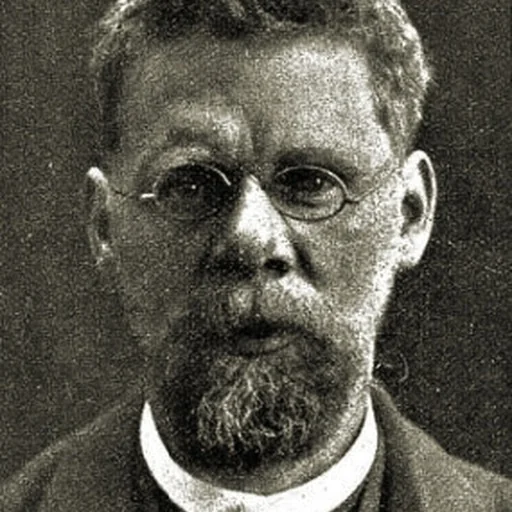
Artist
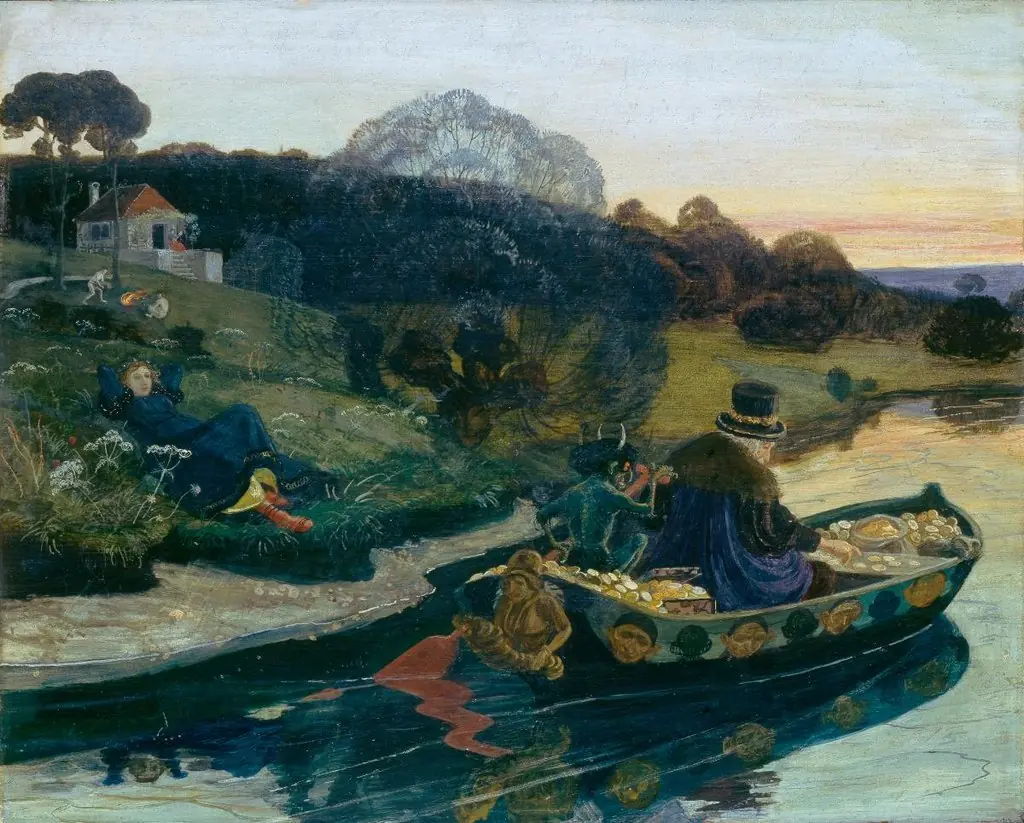
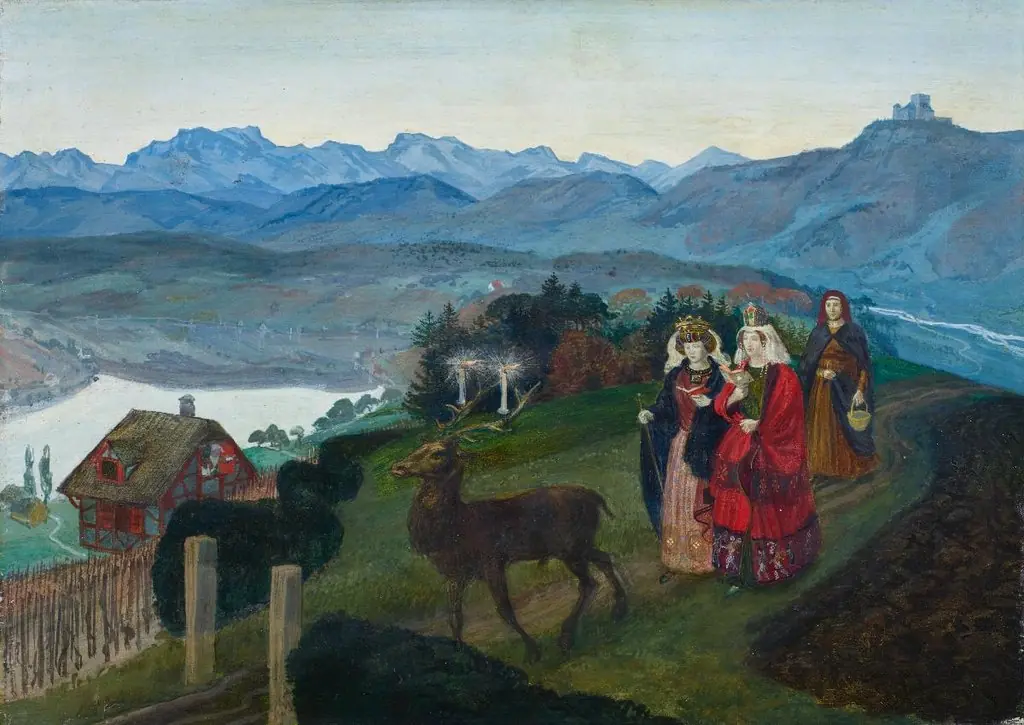
Albert Welti (18 February 1862 – 7 June 1912) was a Swiss painter and etcher. Many of his works depicted dreams or nightmares.

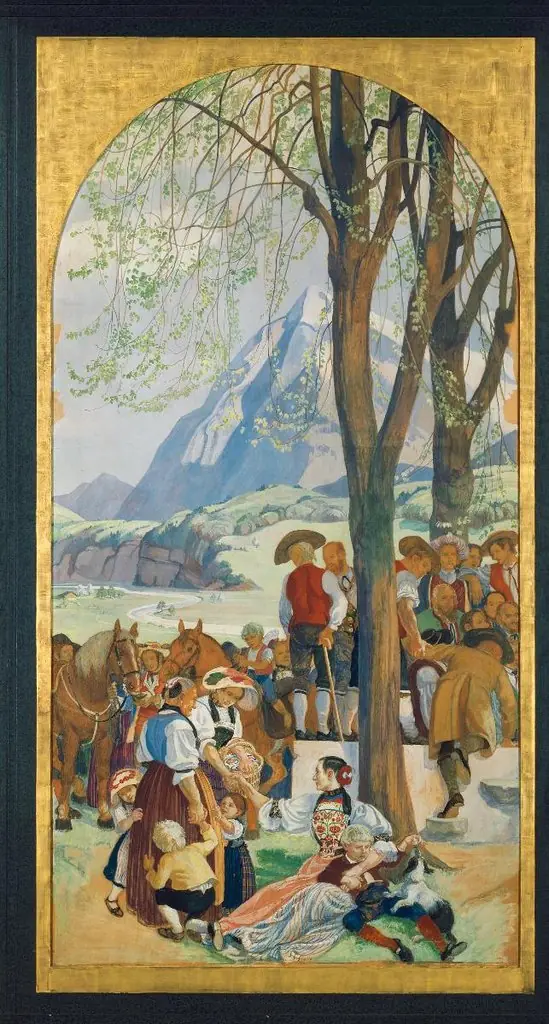
![Obwaldner Landsgemeinde [erstes Bild, links], by Albert Welti](https://artifactworldgallery.com/img/albert-welti--obwaldner-landsgemeinde-erstes-bild-links--6c1b18382095e99f-w320.webp)
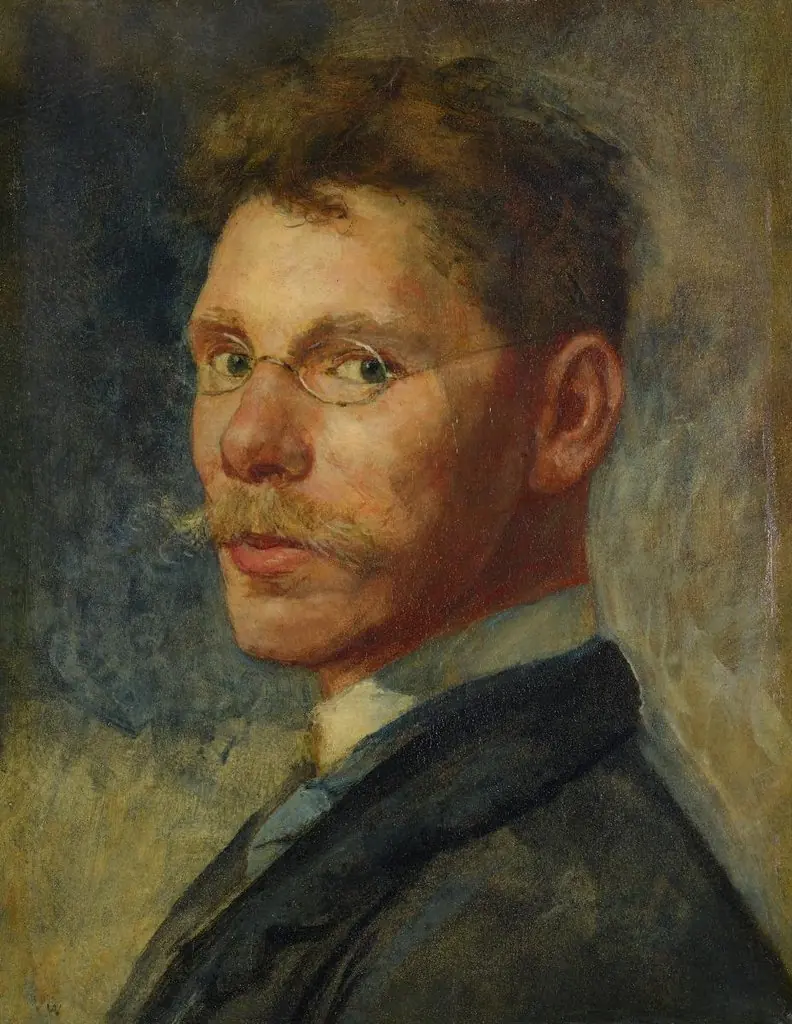
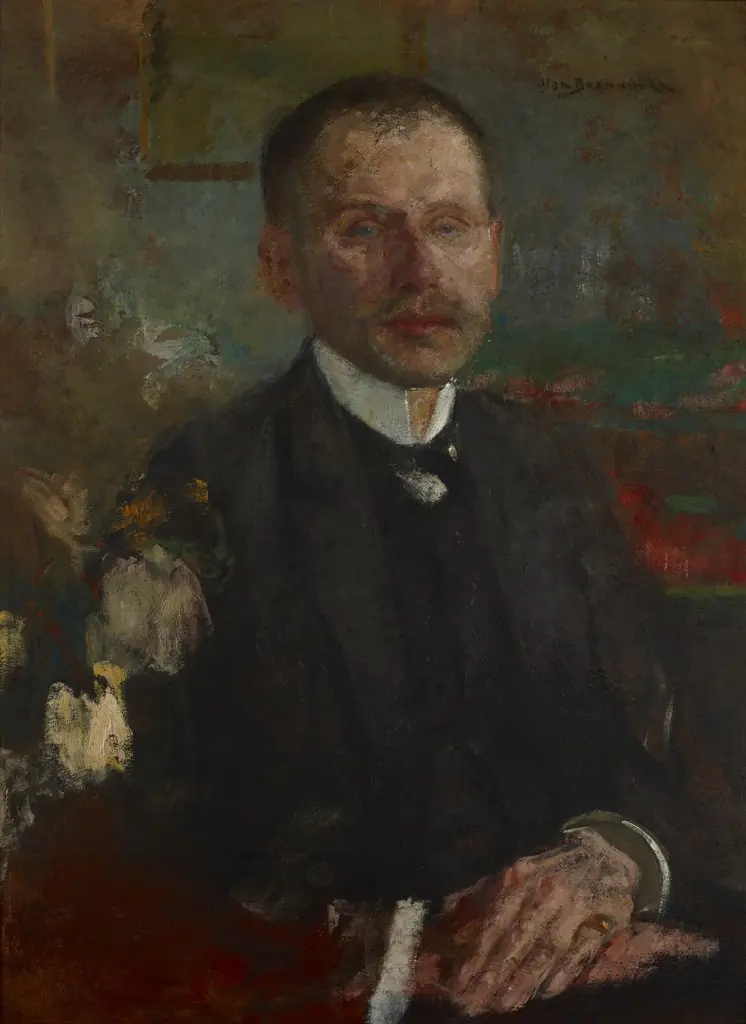 Portrait of Bogdan Faleński – two-sided painting
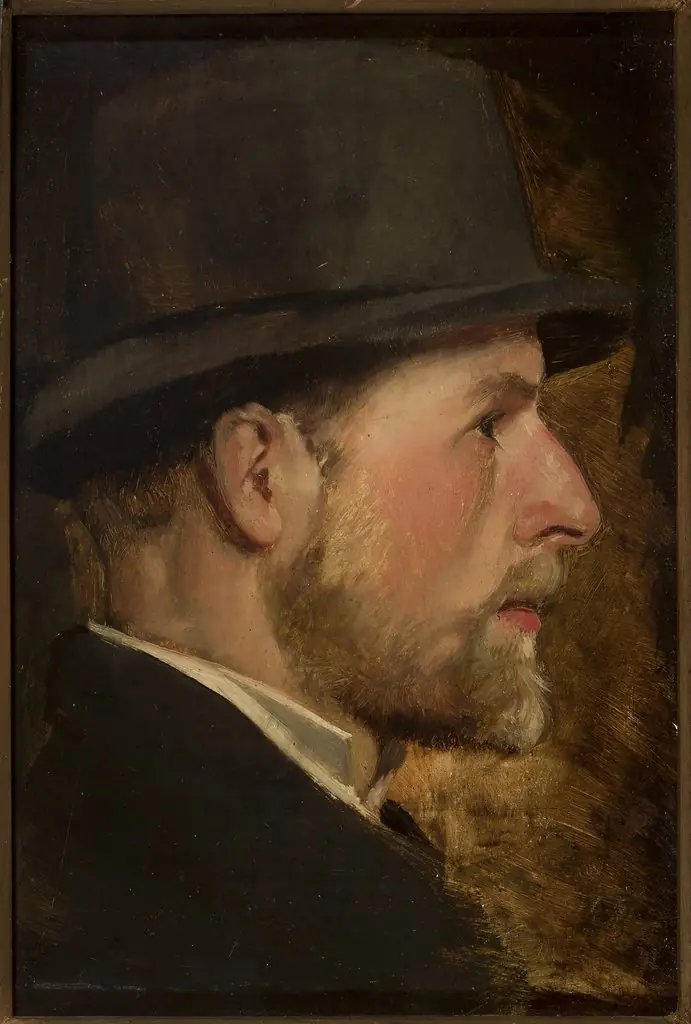 Portrait of Stanisław Czachórski (1853–1904), artist’s brother
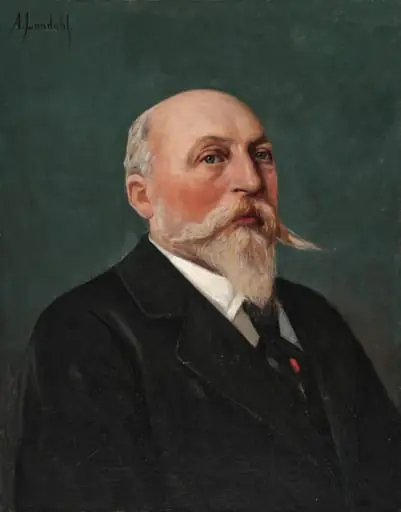 Otto Roland Mellin
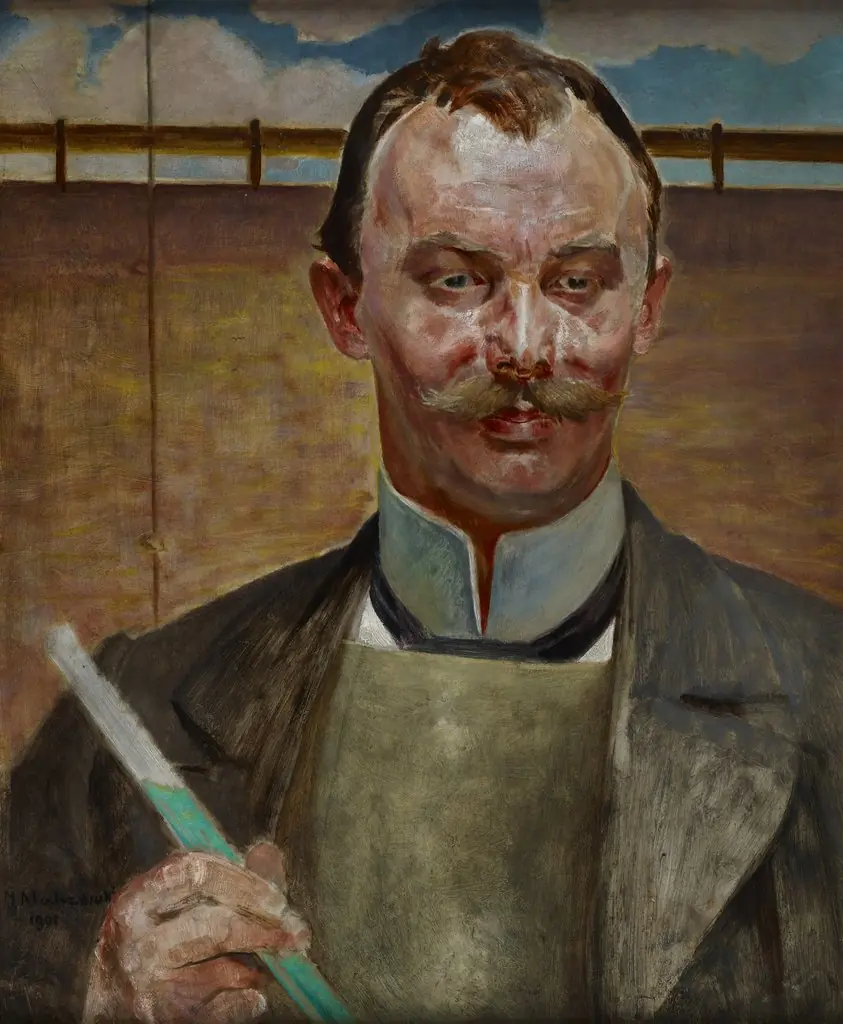 Portrait of Alfred Stepek
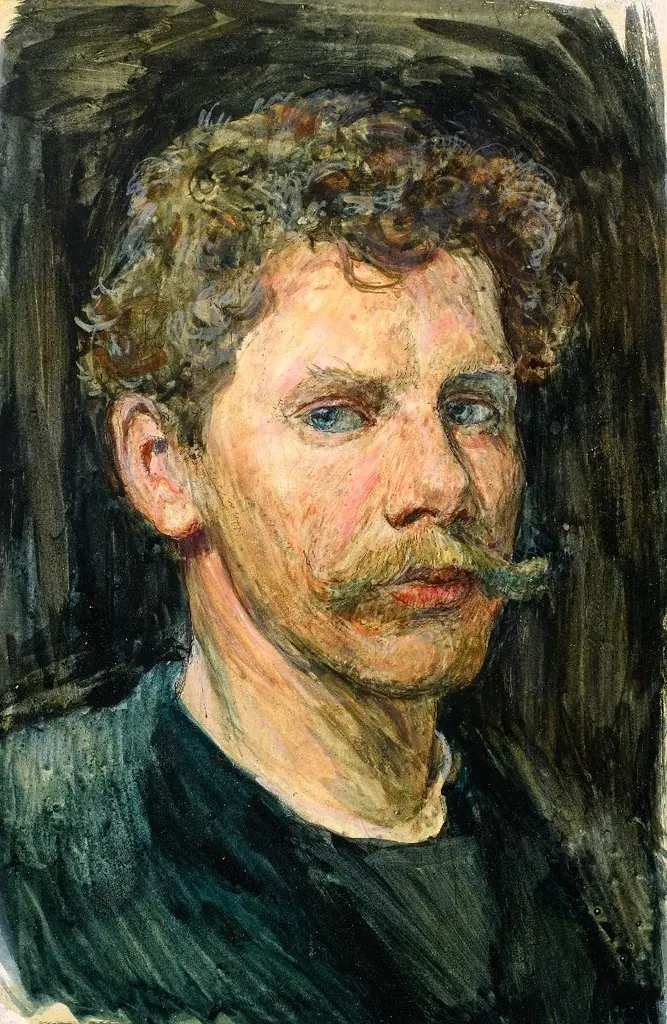
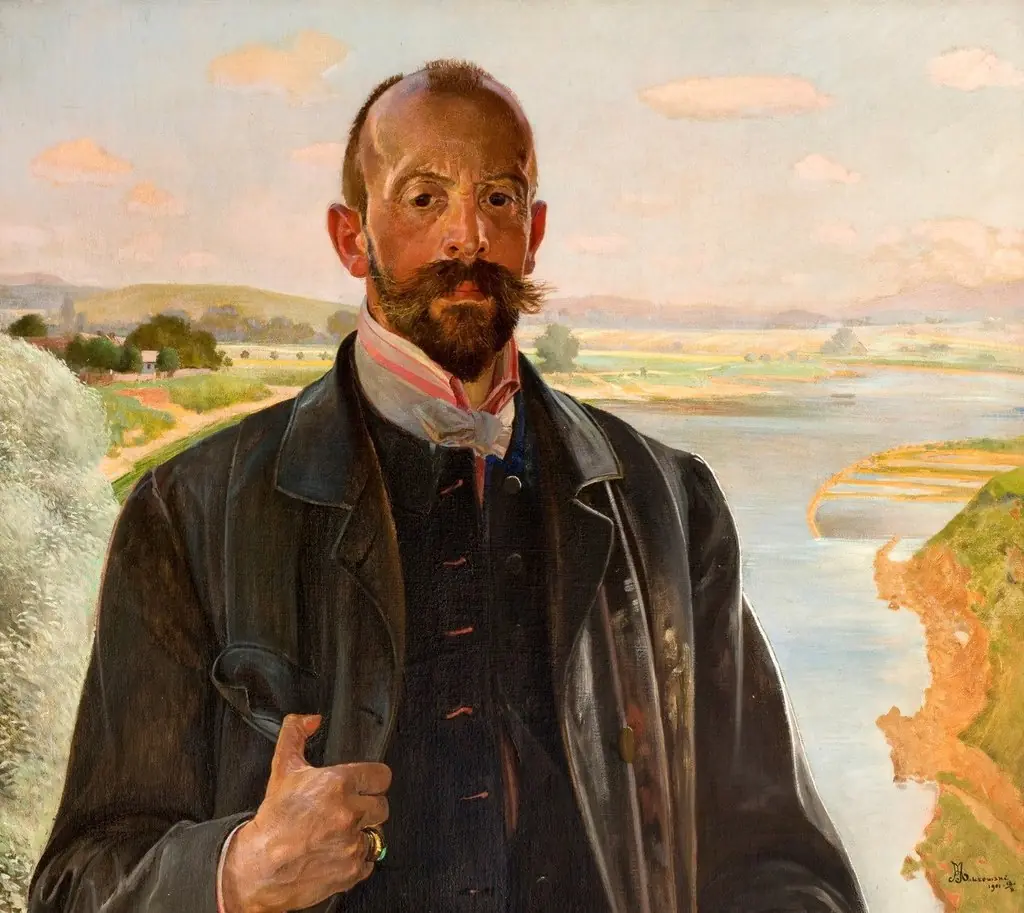 Self-Portrait
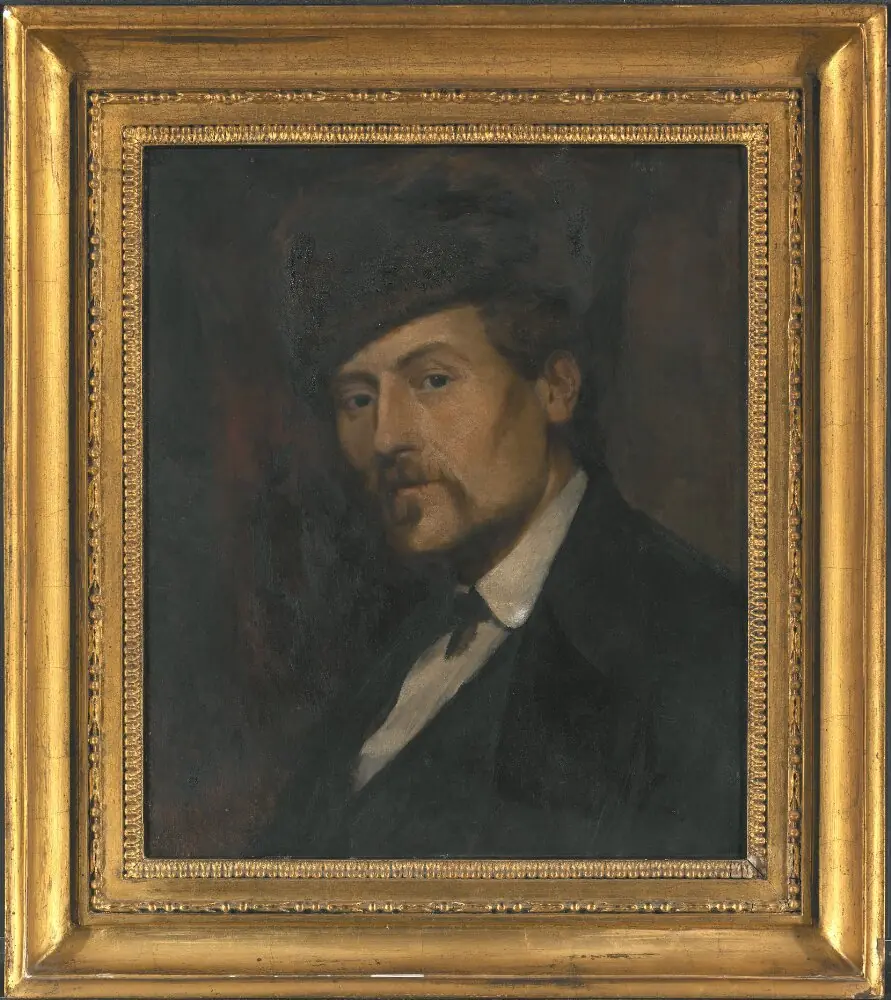 Edvard Perséus (1841-1890), konstnär, tecknare, hovintendent, gift med Agnes Claesson
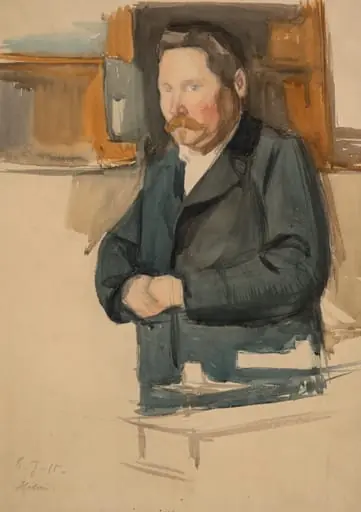 Kauppias Holm
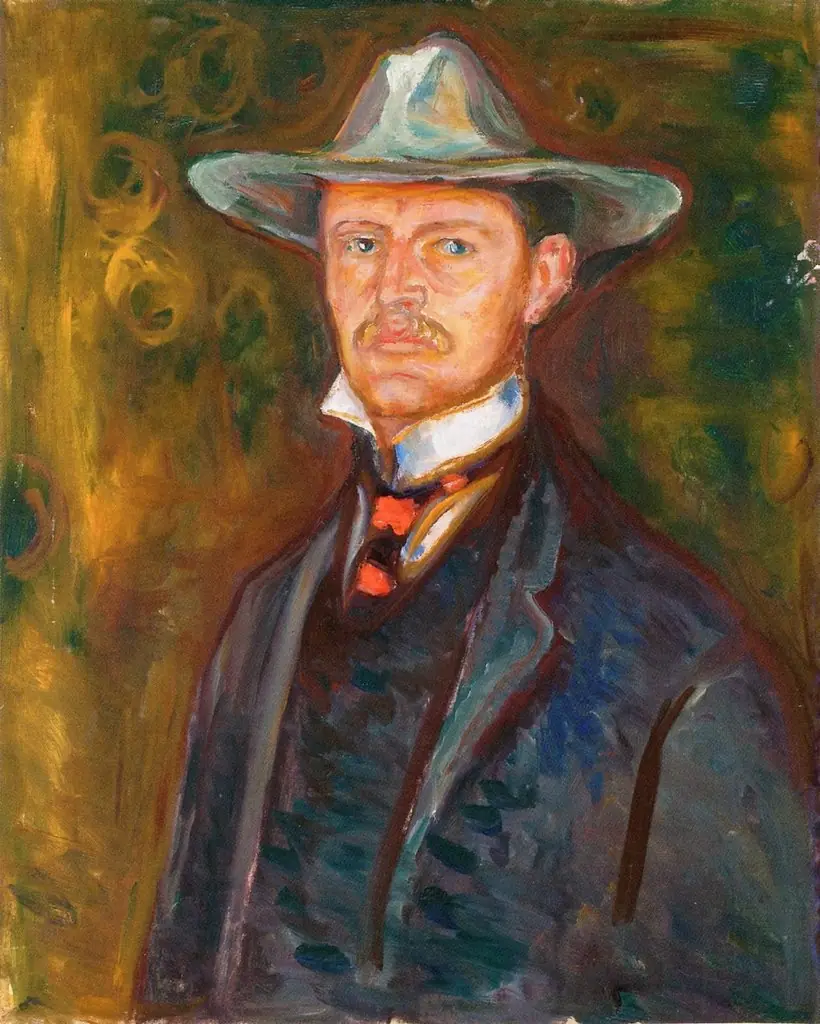 Self-Portrait in Broad Brimmed Hat
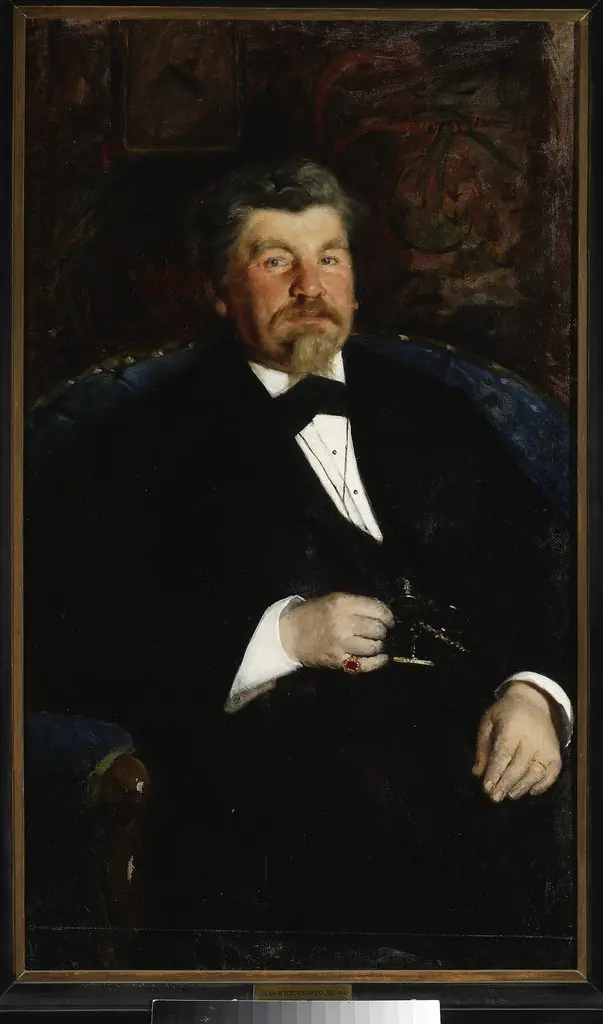 Portrait of a man
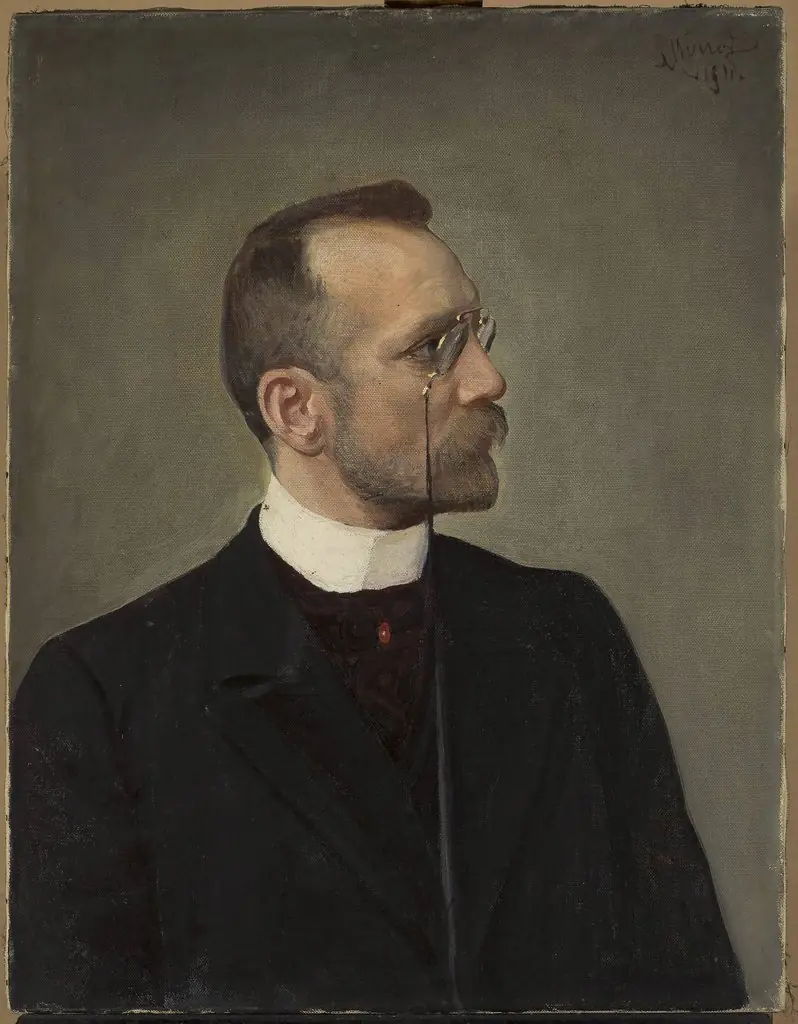 Portrait of Mikołaj Brzeski
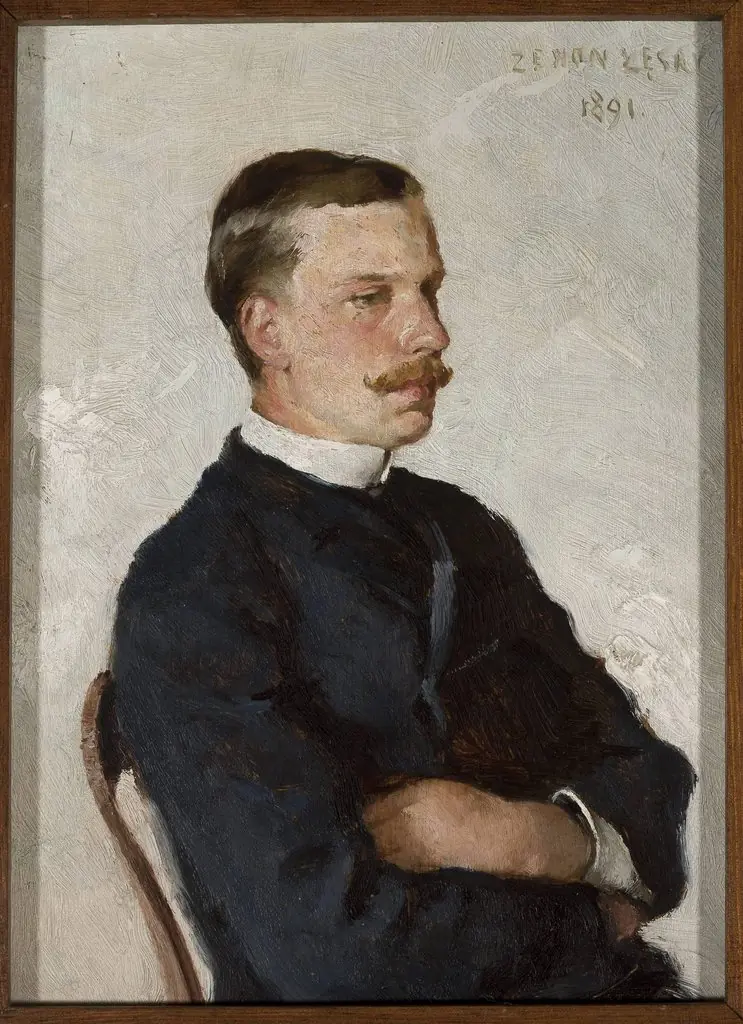 Portrait of a man
 Brienzer Bauer