Artwork
Die Königstöchter
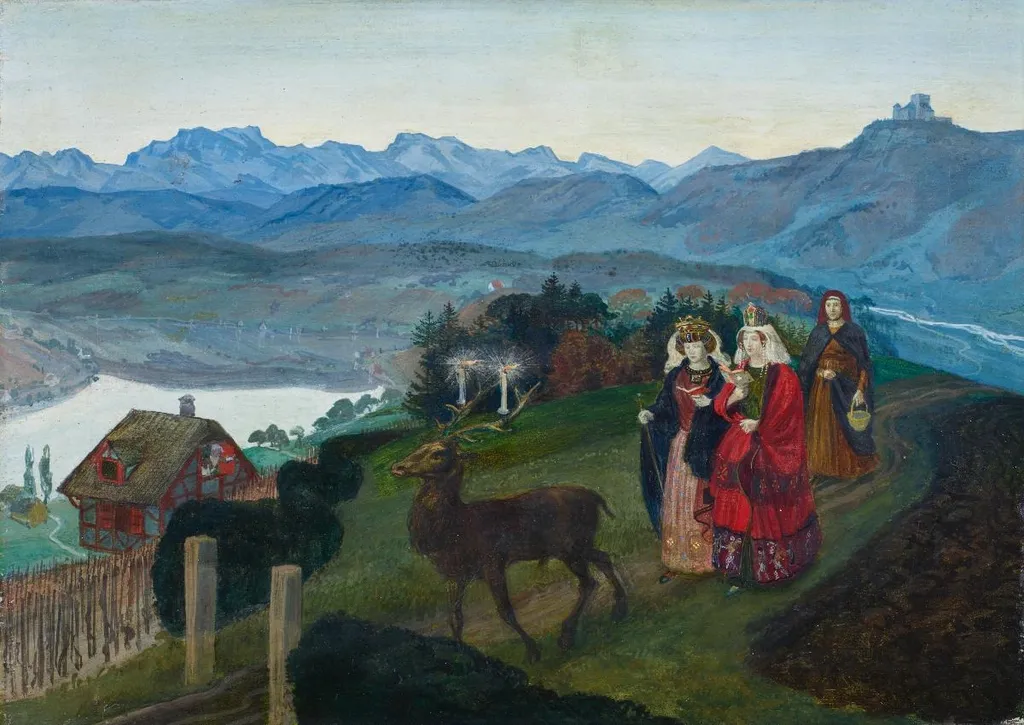
Die Königstöchter is a tempera painting by the Symbolist artist Albert Welti. It dates from 1900 and is held in the collection of the Kunsthaus Zürich.
About this work
Overview
Albert Welti completed *Die Königstöchter* in 1900 using tempera on panel, a medium that lends the work a matte, refined surface.
Albert Welti completed *Die Königstöchter* in 1900 using tempera on panel, a medium that lends the work a matte, refined surface. The painting is part of the Symbolist tradition, emphasizing mood and suggestion over literal narrative. It resides in the Kunsthaus Zürich, where it reflects Welti’s interest in mythic and introspective themes. The composition presents a quiet, otherworldly scene that invites contemplation rather than explanation.
Subject & Meaning
Four crowned women stand together on a gentle slope, each holding symbolic objects: a candle, a basket, and other ambiguous items. A deer, often associated with spiritual guidance in European iconography, faces them calmly. A distant cottage suggests a threshold between the natural and the domestic. The figures appear to be on a silent pilgrimage, their expressions neutral, evoking a sense of destiny or ritual rather than action.
Technique & Style
Welti employed tempera, a fast-drying pigment mixed with egg yolk, to achieve fine detail and a subdued tonality. The brushwork is precise but not overly ornate, favoring clarity over drama. Colors are muted—soft greens, grays, and earth tones—enhancing the painting’s stillness. The landscape is rendered with minimal depth, flattening space to emphasize the figures’ symbolic presence over naturalistic realism.
History & Provenance
Created in 1900, the painting entered the Kunsthaus Zürich’s collection shortly after its completion. Welti, active in Swiss artistic circles, was known for his etchings and symbolic paintings, though *Die Königstöchter* remains one of his few major tempera works. Its provenance is well-documented, with no evidence of public exhibition prior to its acquisition by the museum, suggesting it was intended for private or institutional contemplation.
Context
In the late 19th and early 20th centuries, Swiss artists increasingly engaged with Symbolism, drawing from folklore, mythology, and psychological introspection. Welti’s work aligns with contemporaries like Ferdinand Hodler, though his focus on quiet, enigmatic figures sets him apart. *Die Königstöchter* reflects a broader European interest in archetypal female figures and the spiritual weight of nature during a time of rapid industrial change.
Legacy
Though not widely reproduced, *Die Königstöchter* endures as a quiet example of Swiss Symbolism. It is studied for its restrained emotional tone and the deliberate ambiguity of its symbolism. The painting contributes to understanding how regional artists adapted international movements to local sensibilities, emphasizing introspection over spectacle. It remains a key work in the Kunsthaus Zürich’s holdings of turn-of-the-century Swiss art.
Artist & collection
Artist
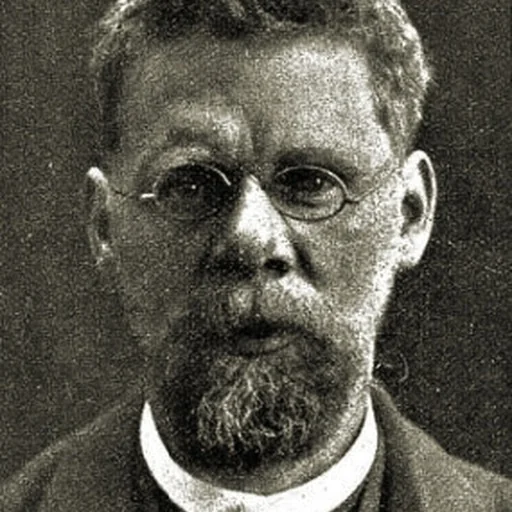
Albert Welti (18 February 1862 – 7 June 1912) was a Swiss painter and etcher. Many of his works depicted dreams or nightmares.

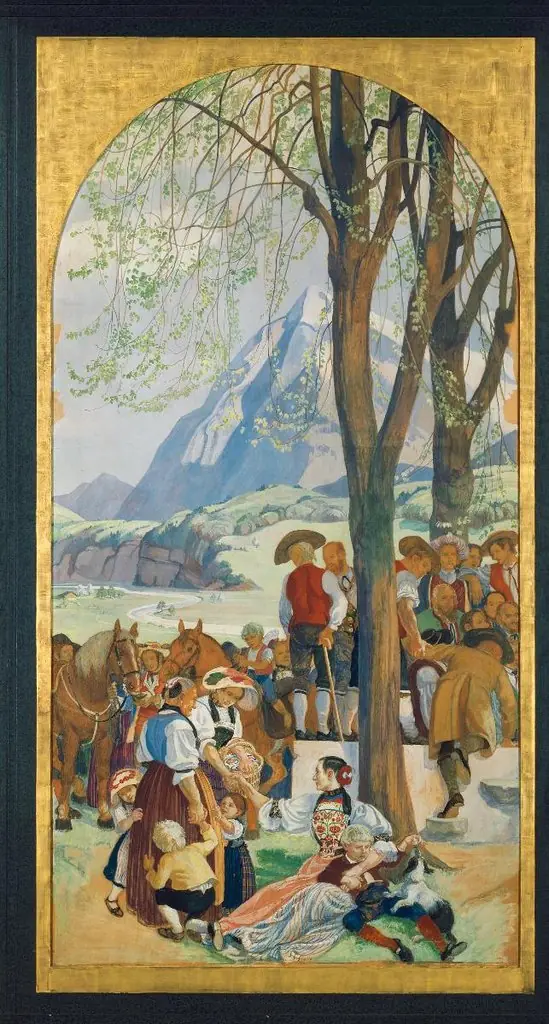
![Obwaldner Landsgemeinde [erstes Bild, links], by Albert Welti](https://artifactworldgallery.com/img/albert-welti--obwaldner-landsgemeinde-erstes-bild-links--6c1b18382095e99f-w320.webp)
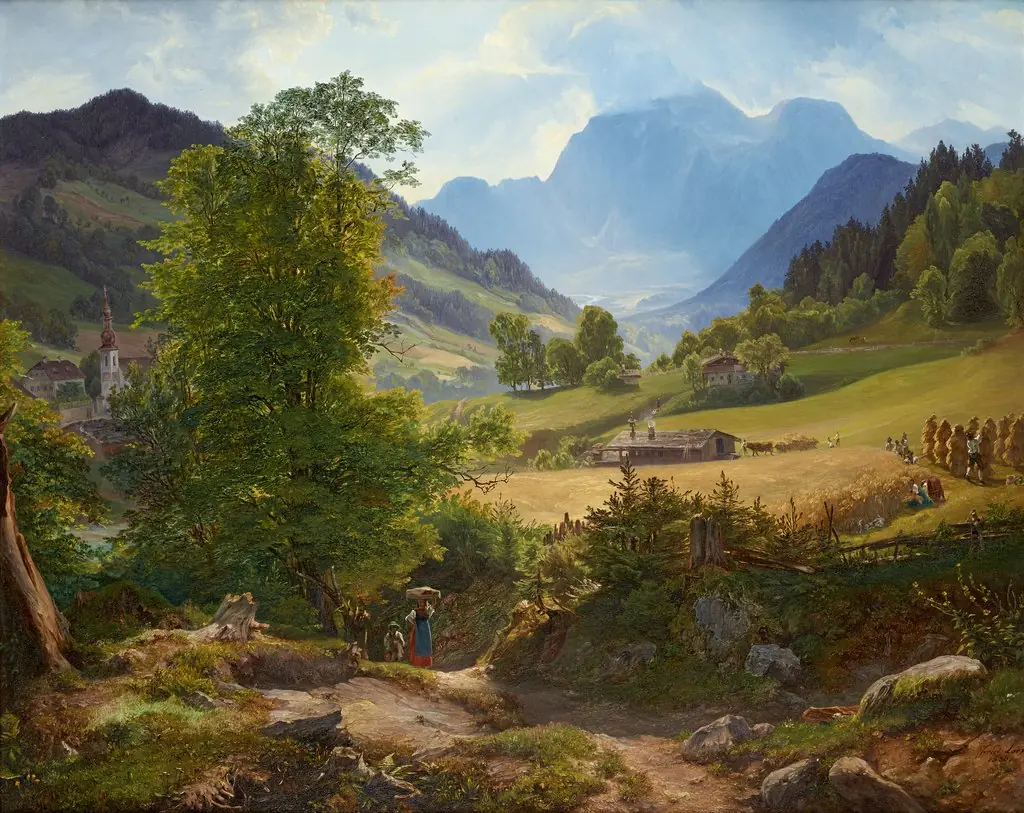 Die Ramsau bei Berchtesgaden
 The Connecticut Valley
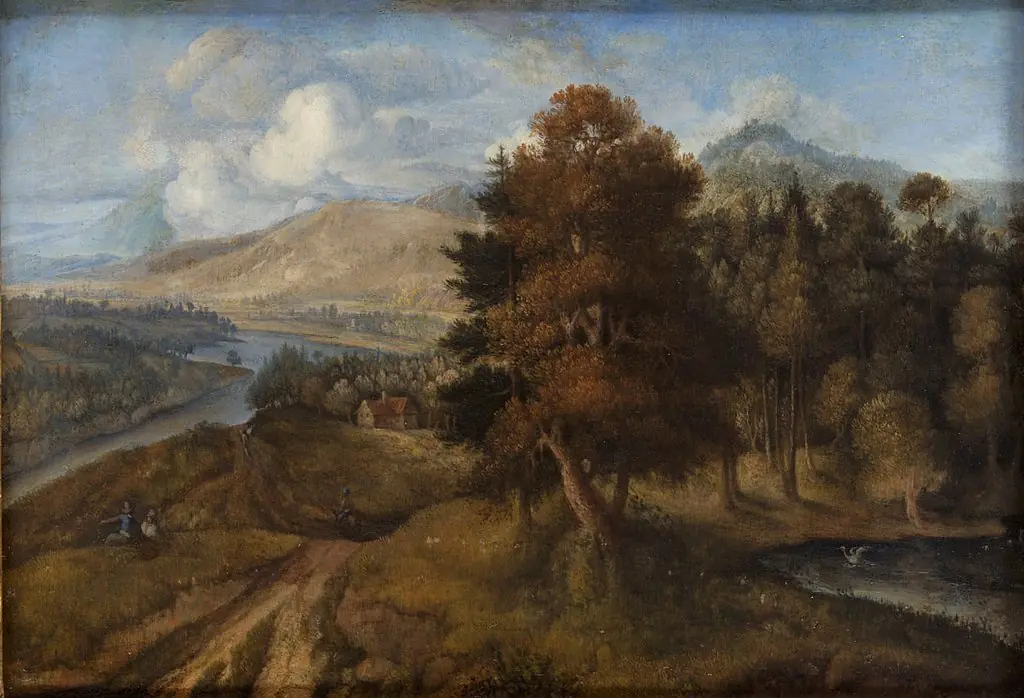 Waldige Landschaft mit Fluß und Bergen
 Untitled
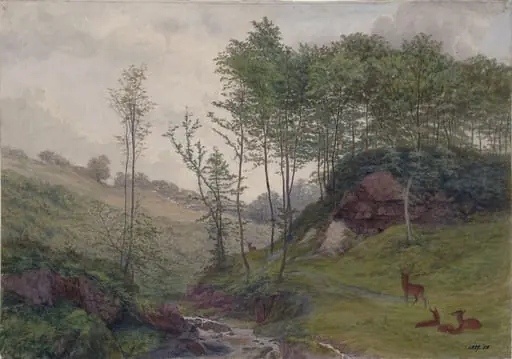 Rocky dingle with stream and deer
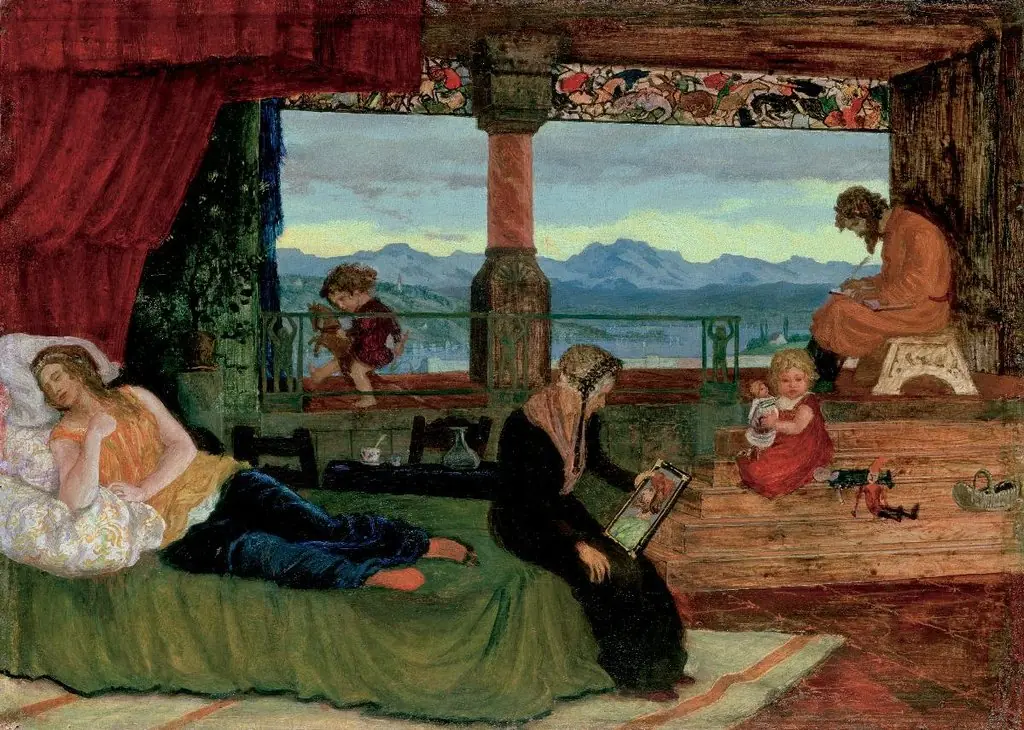 Das Haus der Träume
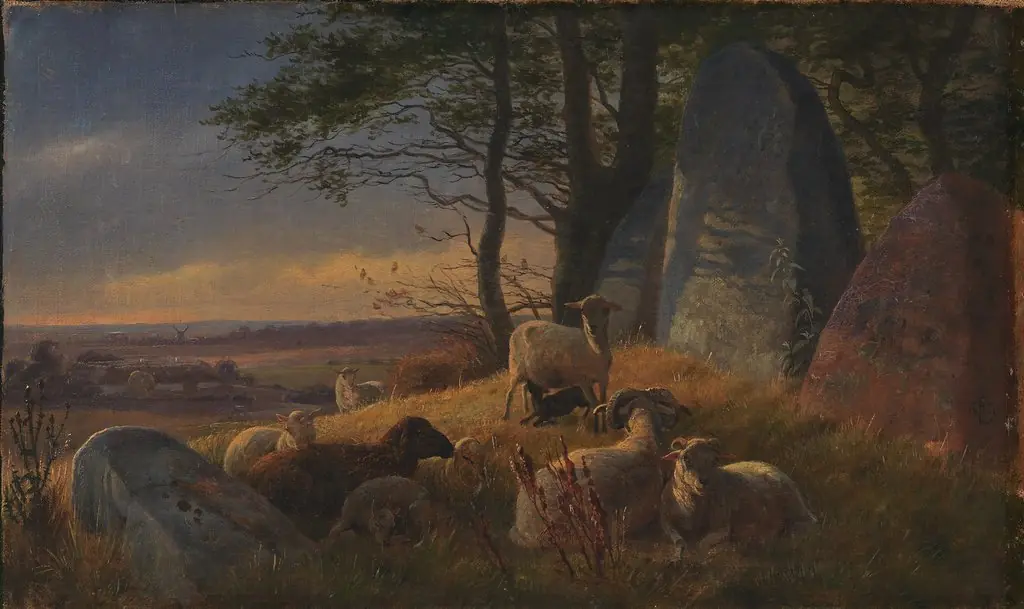 Evening Scene with Sheep on a Mound
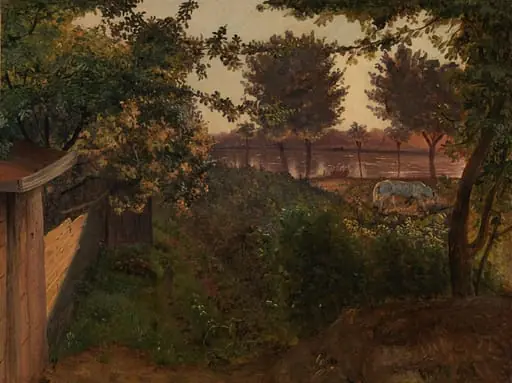 Bag kunstnerens have på Farimagsvej ved St. Jørgens Sø
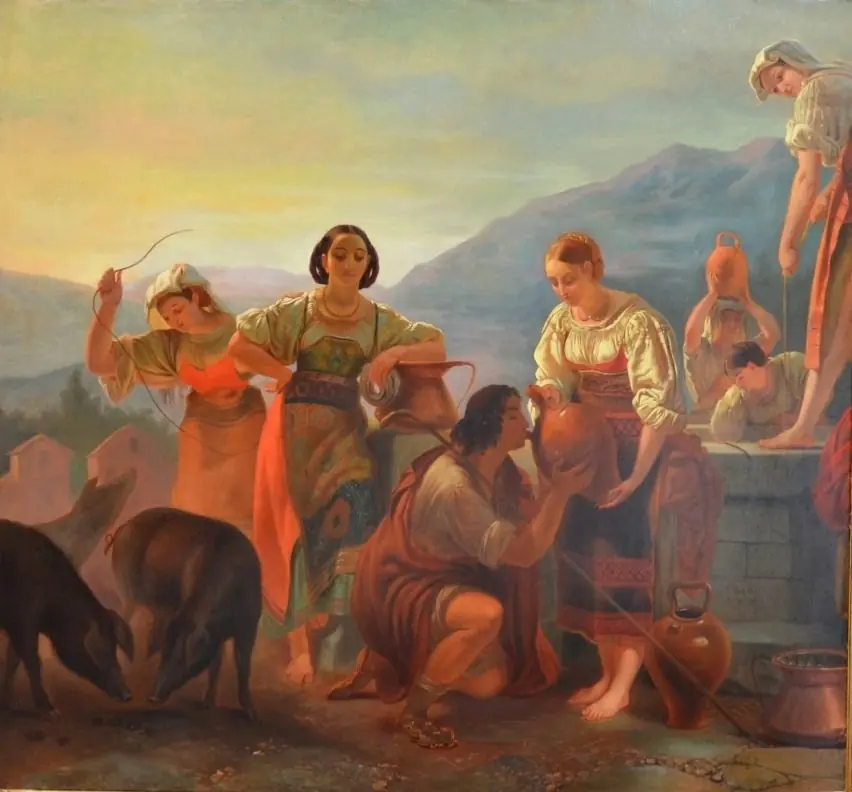 The Youth of future Pope Sixtus V
 The Emerald Necklace
 View of Pirna from the Sonnenstein Castle
 At Lake Garda