Artwork
Quebrada de los loros
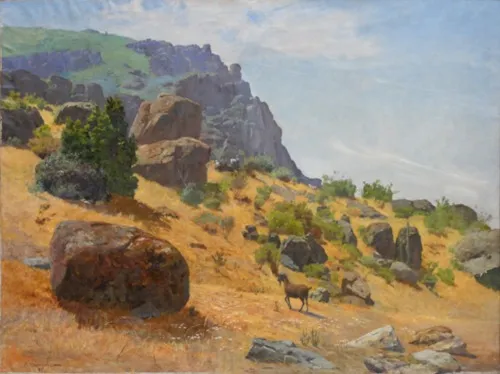
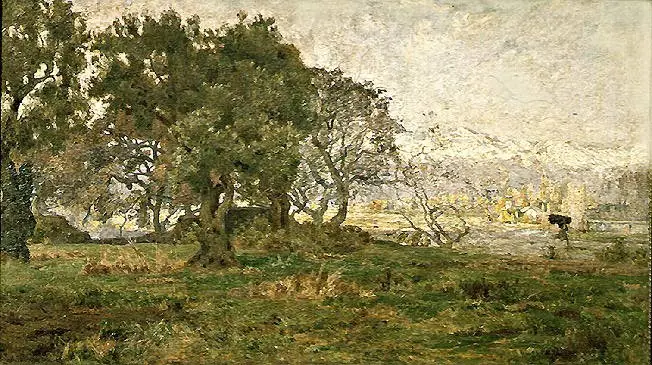
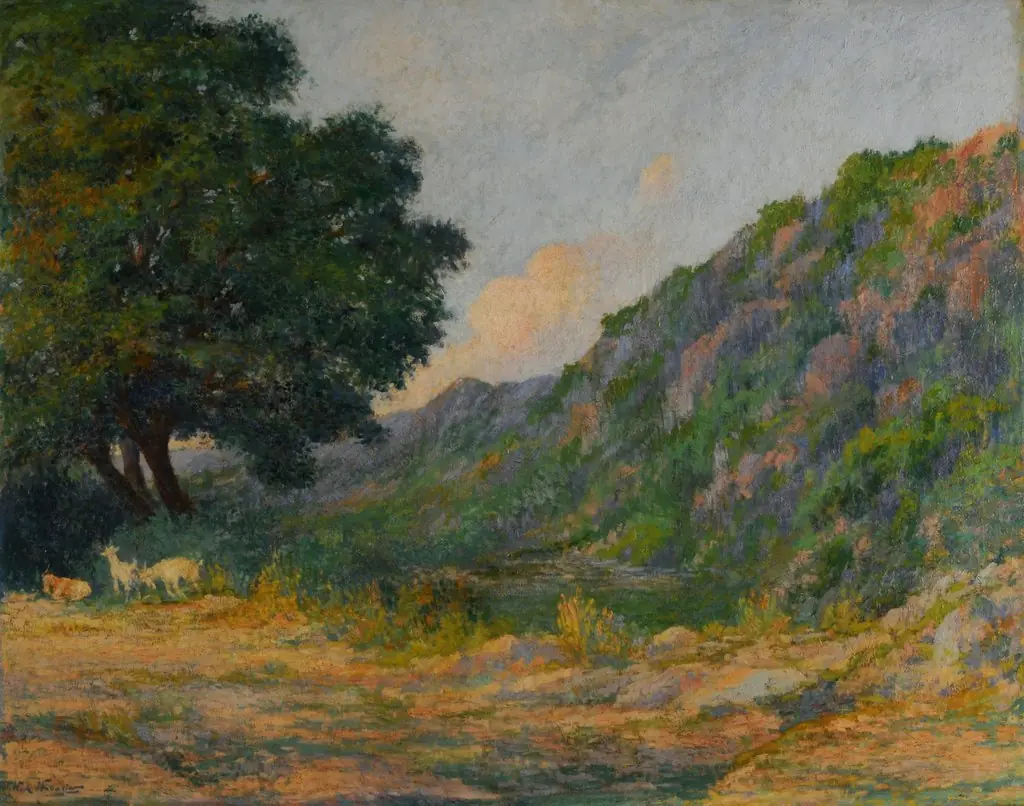
Quebrada de los loros is an oil painting by the Post-Impressionist artist Alberto Valenzuela Llanos. It dates from 1900 and is held in the collection of the Chilean National Museum of Fine Arts.
About this work
Overview
Valenzuela, trained under Cosme San Martín and Juan Mochi, was among the nation’s most prolific painters, producing roughly a thousand works.
Painted in 1900 by Chilean artist Alberto Valenzuela Llanos, *Quebrada de los loros* is an oil-on-canvas landscape that captures a quiet valley in the Chilean countryside. Valenzuela, trained under Cosme San Martín and Juan Mochi, was among the nation’s most prolific painters, producing roughly a thousand works. This piece is part of the National Museum of Fine Arts’ permanent collection in Santiago, reflecting his role in shaping Chilean visual culture at the turn of the century.
Subject & Meaning
The painting portrays a tranquil highland valley, with a rocky slope in the foreground covered in dry grass, scattered shrubs, and boulders. Distant mountains rise beneath a pale sky, while small grazing animals—likely sheep or goats—add subtle movement to the scene. The absence of human figures emphasizes solitude and the quiet rhythm of nature, suggesting a contemplative relationship between land and life, common in Valenzuela’s rural landscapes.
Technique & Style
Valenzuela employed soft, deliberate brushwork and a restrained palette of warm earth tones to evoke the arid Chilean terrain. His approach aligns with post-impressionist tendencies, emphasizing atmosphere over precise detail. Subtle gradations of light and shadow, though not dramatic chiaroscuro, lend depth to the terrain. The sky is rendered with thin, blended strokes, allowing clouds to float gently above the landscape without disrupting its stillness.
History & Provenance
Created in 1900, the painting entered the collection of the National Museum of Fine Arts in Santiago shortly after its completion. Valenzuela, a key figure in Chilean art education, had strong institutional ties to the museum through his mentors. The work remained within Chilean public collections, avoiding private sales or international dispersal, preserving its cultural context and reinforcing its status as a representative work of early 20th-century Chilean landscape painting.
Context
At the turn of the century, Chilean artists were increasingly turning from European subjects to domestic landscapes as part of a broader national identity project. Valenzuela, though influenced by French training and aesthetics, focused on local terrain—particularly the central valleys and Andean foothills. *Quebrada de los loros* reflects this shift, aligning with a generation of painters who sought to define Chilean art through its natural environment rather than imported themes.
Legacy
Valenzuela’s extensive body of work, including *Quebrada de los loros*, helped establish landscape painting as a serious genre in Chile. His influence extended through teaching and institutional roles, shaping the next generation of artists. While not overtly experimental, his quiet, observant style became a touchstone for later painters seeking authenticity in depicting the Chilean countryside, anchoring his reputation among the country’s foundational visual artists.
Artist & collection
Artist
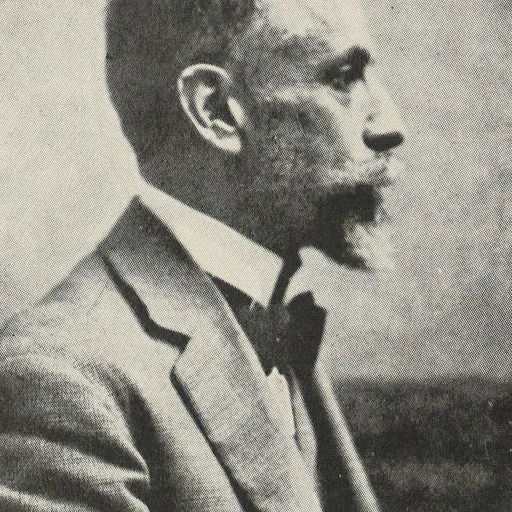
Alberto Valenzuela Llanos (August 29, 1869 – July 23, 1925) was a Chilean painter.

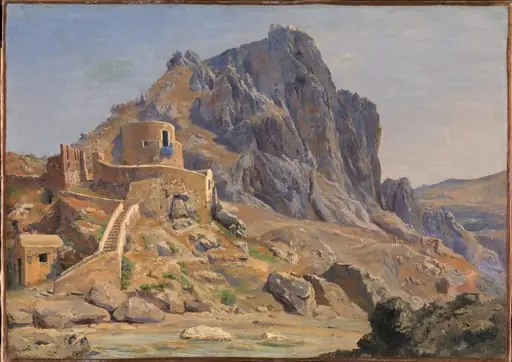 View of Marina Piccola, Capri: Morning Light
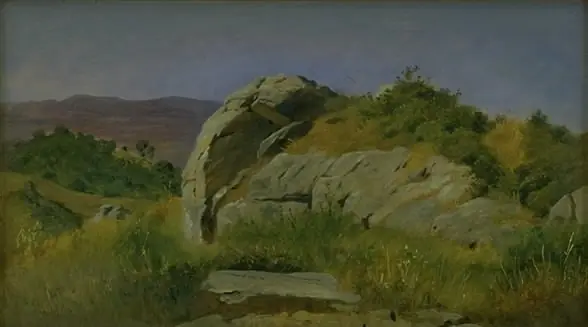 Landscape with Rocks in the Foreground. Civitella, Italy
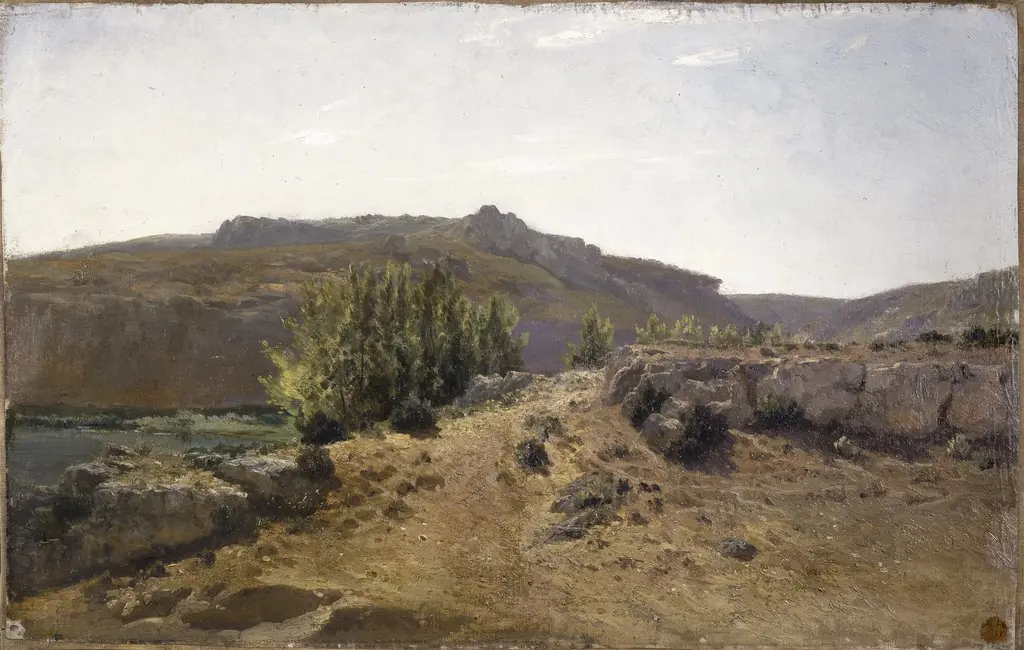 Nuévalos (Aragón)
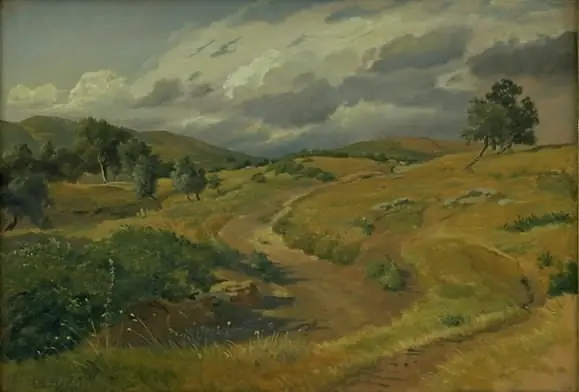 Landscape near Tivoli, Italy
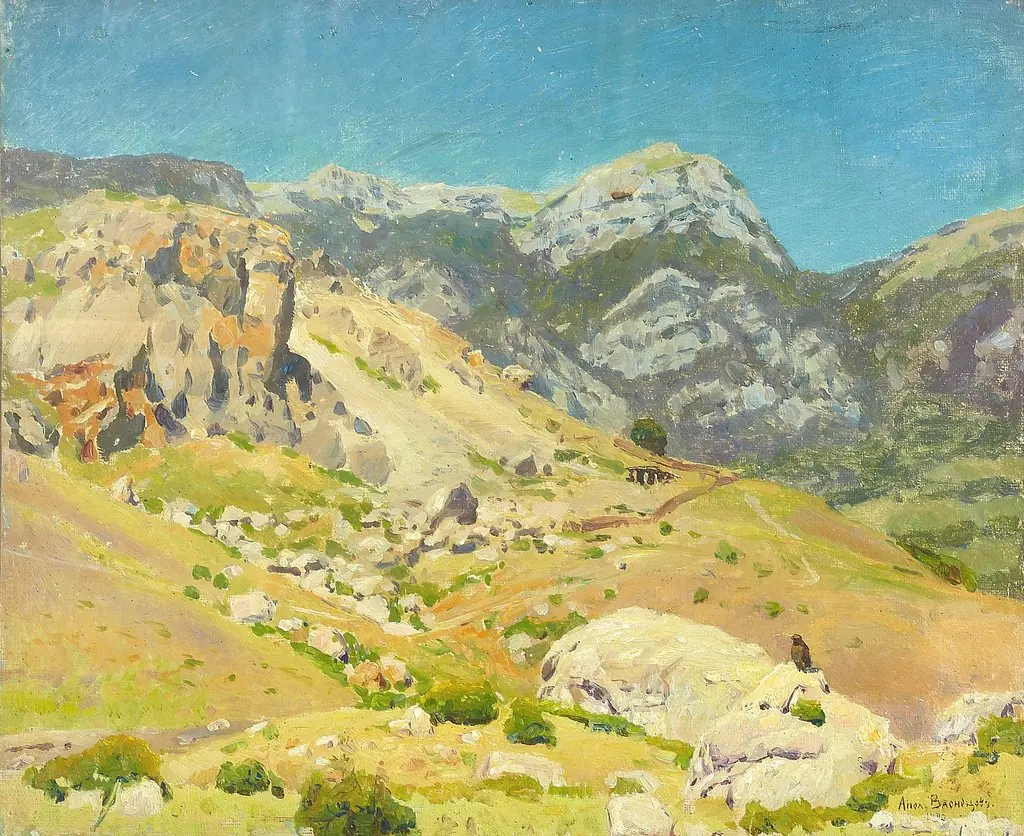 Avunda mountain. Gurzuf
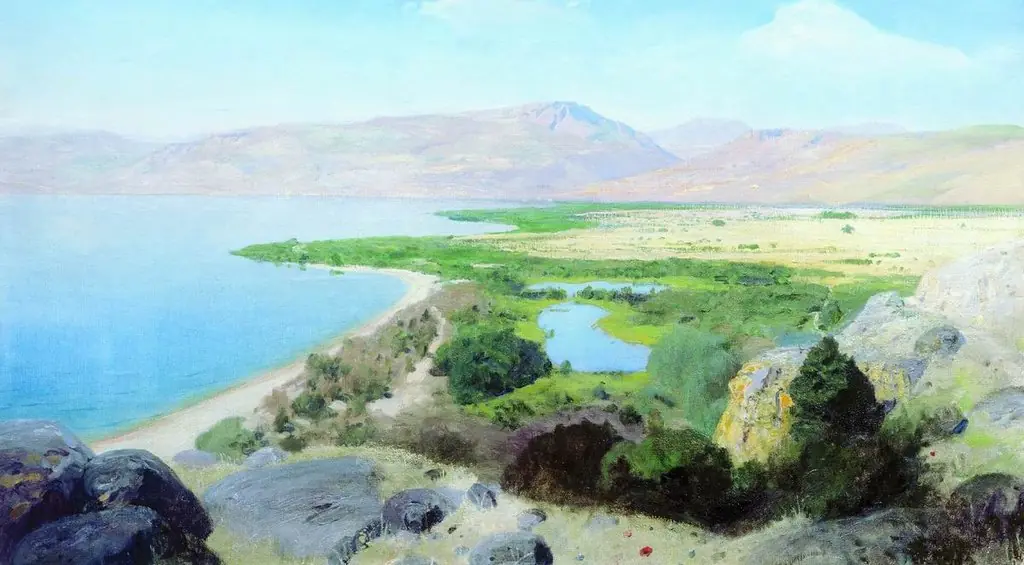 Genesareth uzda
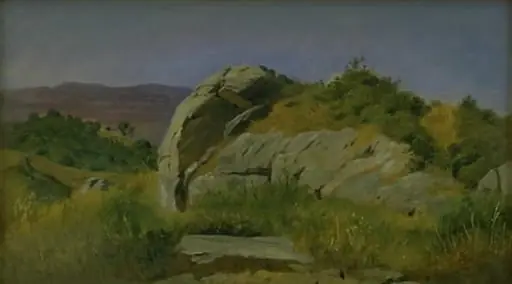 Landscape with Rocks in the Foreground. Civitella, Italy
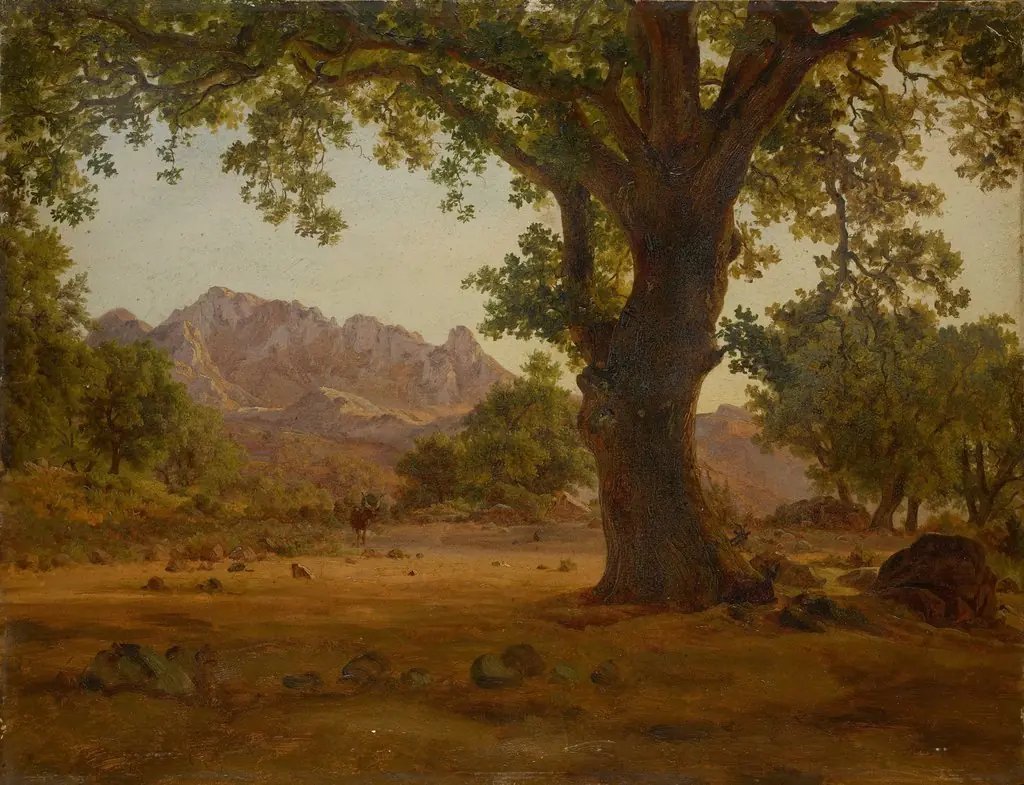 Oak Tree in a Mountainous Landscape
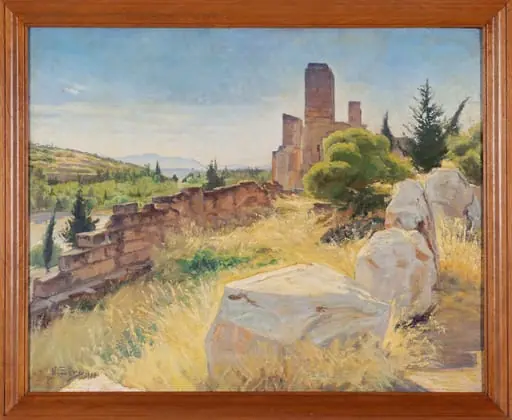 Landscape
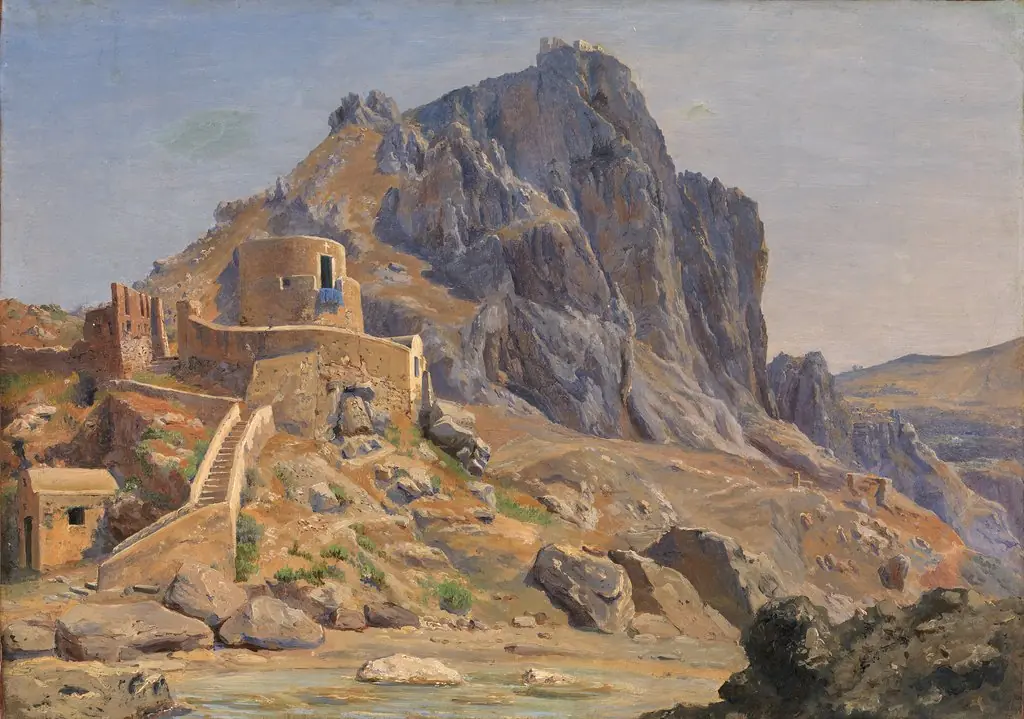 View of Marina Piccola, Capri: Morning Light
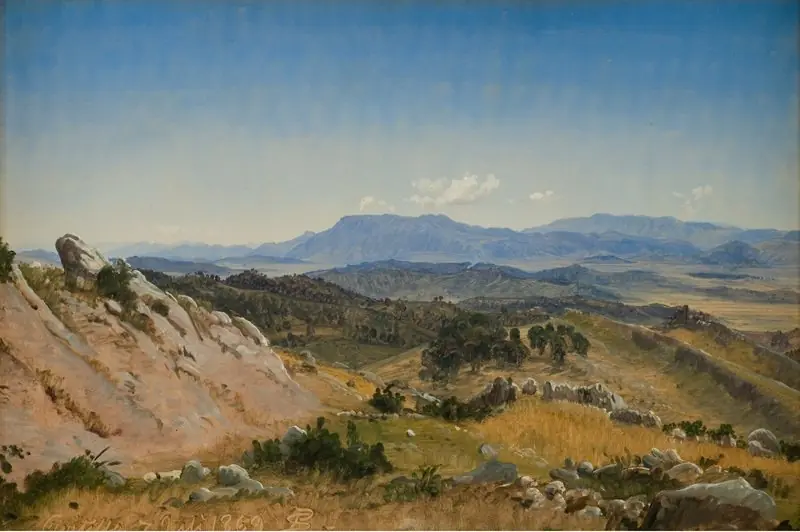 Rocky Hills near Civitella
 Tarde serana