Artwork
River Landscape with Fisherman and Three Boats
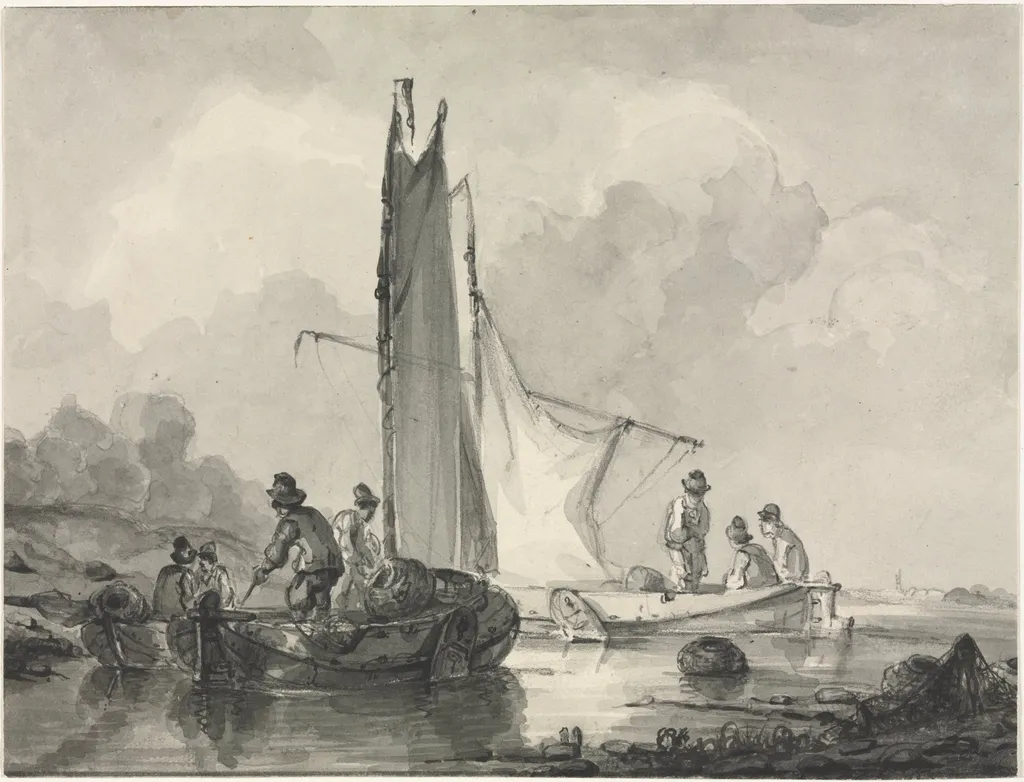
River Landscape with Fisherman and Three Boats is a drawing by the Romanticist artist Albert van Beest. It dates from 1845 and is held in the collection of the Cleveland Museum of Art.
About this work
Overview
Created in 1845 by Dutch artist Albertus van Beest, this ink drawing captures a quiet riverside scene with three boats and figures engaged in daily labor. Executed in loose, fluid strokes, the work reflects a spontaneous observational approach. It is part of the collection at The Cleveland Museum of Art, where it is valued for its intimate portrayal of rural waterways and modest human activity.
Subject & Meaning
The scene depicts fishermen and laborers near a calm river, their boats—some with sails, others flat-bottomed—suggesting practical use rather than leisure.
The scene depicts fishermen and laborers near a calm river, their boats—some with sails, others flat-bottomed—suggesting practical use rather than leisure. Figures are shown rowing, standing, or tending to gear near stacked bags and rocky banks. The focus on ordinary work, without dramatic flair, underscores a quiet dignity in routine labor, aligning with 19th-century Dutch realism’s interest in unidealized rural life.
Technique & Style
Van Beest employed swift, economical ink strokes to suggest movement and texture: the water’s stillness, the fabric of sails, the roughness of shore rocks. The sky is rendered with light washes, enhancing an open, airy atmosphere. The drawing avoids fine detail, instead relying on suggestive lines and tonal contrast to convey depth and activity, characteristic of preparatory sketches from the period.
History & Provenance
The drawing entered The Cleveland Museum of Art’s collection as part of a broader acquisition of Dutch 19th-century works. Its provenance prior to museum acquisition is not fully documented, but its style and date align with van Beest’s known output during his active years in the Netherlands. It remains one of the few surviving drawings by the artist held in a public collection.
Context
In mid-19th century Holland, landscape drawing flourished as artists turned from grand historical themes to everyday environments. Van Beest’s work reflects this shift, emphasizing local waterways and labor over romanticized nature. While not overtly aligned with Romanticism, the piece shares its sensitivity to atmosphere and quiet human presence within natural settings.
Legacy
Though van Beest is not widely known today, this drawing contributes to the understanding of Dutch draftsmanship in the post-Romantic era. It exemplifies how artists documented regional life with minimal means, preserving a visual record of working river culture. Its preservation in a major museum ensures continued study of modest, yet significant, genre scenes from the period.
Own this work as a print
Artist & collection

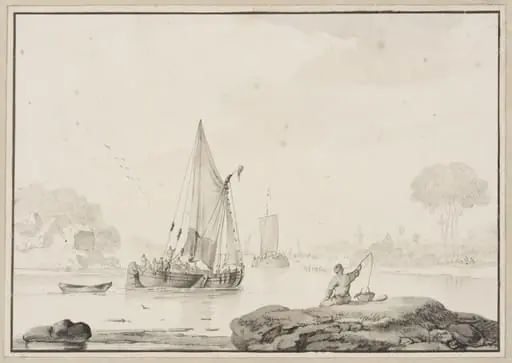 Dutch River Barges
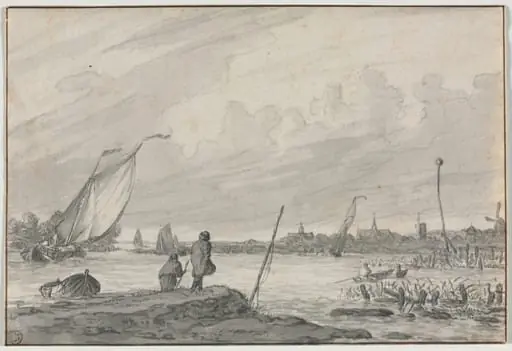 View of Alkmaar with Boats
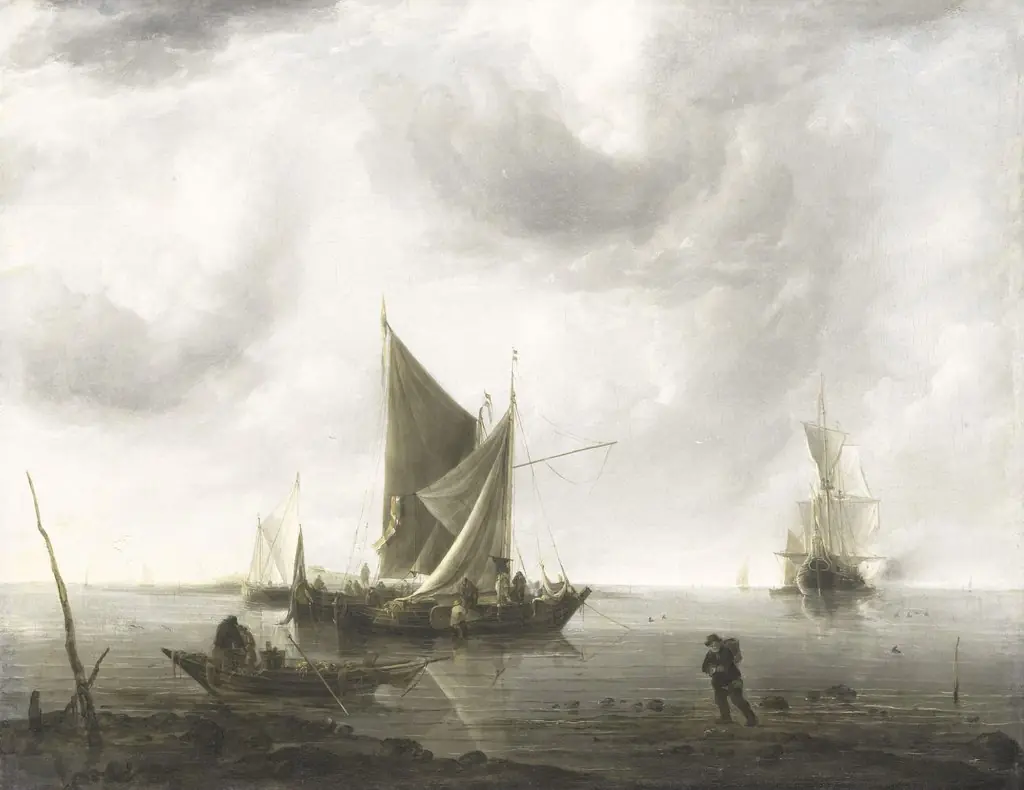 Ships at anchor on a quiet sea
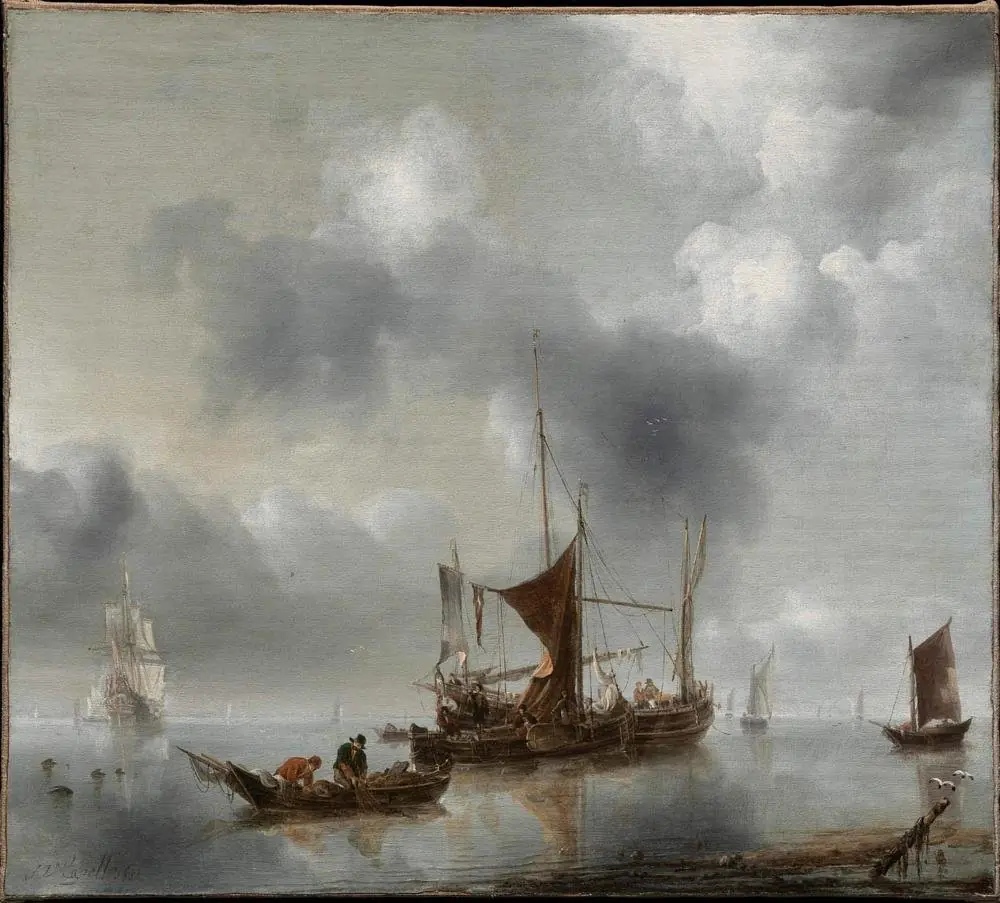 A Kaag and a Smak in a Calm
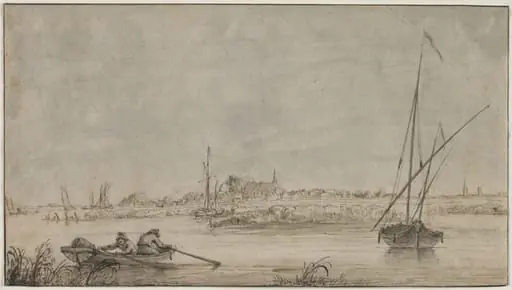 View of Dordrecht from the River
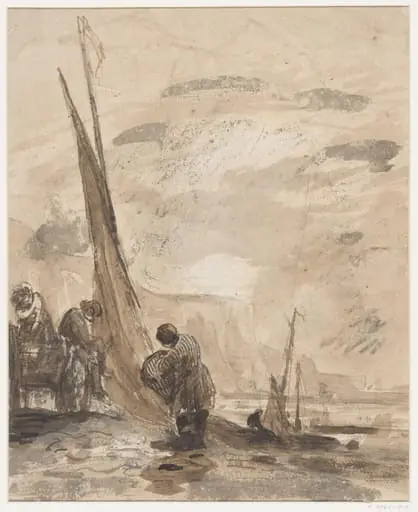 A cart with boats on the shore, near cliffs
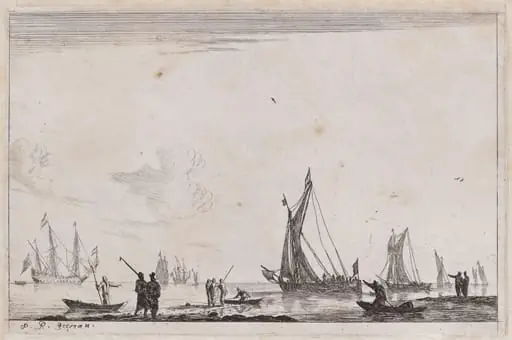 Inland Waterway with Two Galliots at the Right
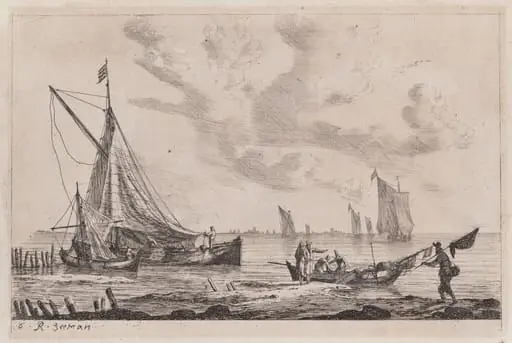 Shore of Inland Waterway with a Ketch, Two Smaller Boats, and Fisherman
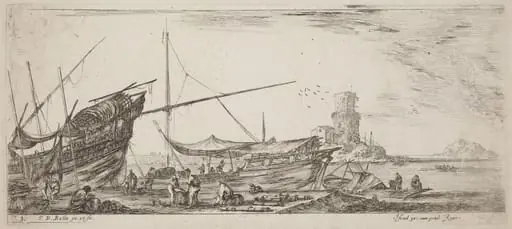 Harbor View
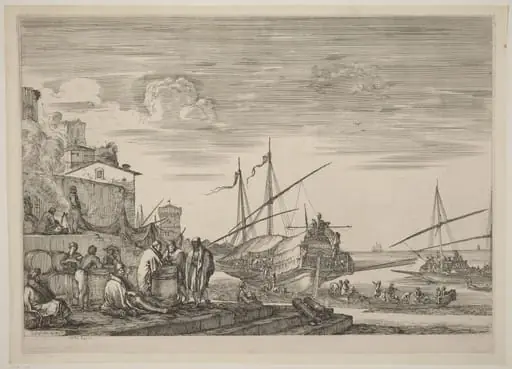 View of Several Houses Facing the Port
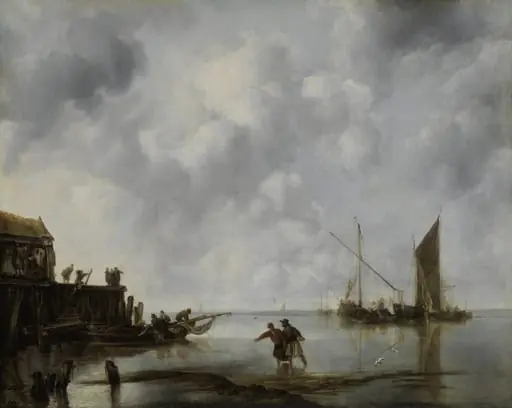 Fishing Boats in a Calm
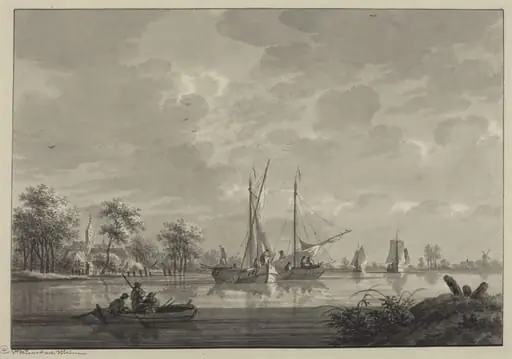 Tull on the River Waal