Artwork
Vătășeanu, directorul Băncii Albina
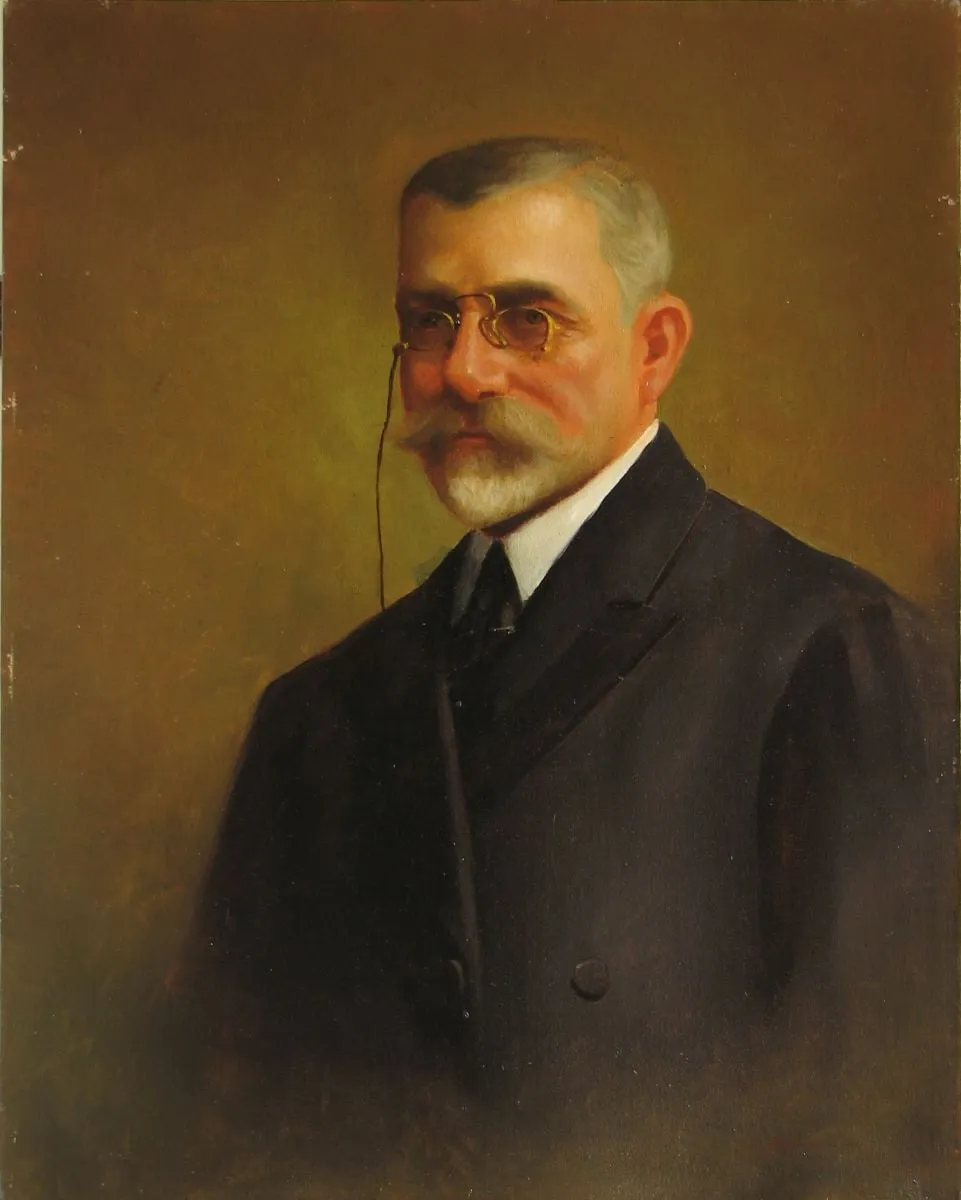
Vătășeanu, directorul Băncii Albina is a print by Sava Albescu. It is held in the collection of the Brukenthal National Museum. This portrait depicts a man identified as Vătășeanu, director of the Albina Bank, rendered in a restrained, focused composition.
About this work
Overview
This portrait depicts a man identified as Vătășeanu, director of the Albina Bank, rendered in a restrained, focused composition. Dressed in a dark suit with a white shirt and bow tie, he faces the viewer directly. The background is a muted warm brown, eliminating distraction and centering attention on his features. The lighting is deliberate, emphasizing texture and form without theatricality.
Subject & Meaning
The subject’s formal attire and composed demeanor suggest professional authority and restraint. His direct gaze and neatly groomed mustache and glasses convey precision and seriousness, aligning with the expectations of institutional leadership in early 20th-century Romania. The portrait does not seek to dramatize but to affirm presence and dignity through stillness.
Technique & Style
The painting employs chiaroscuro to model the face with subtle gradations of light and shadow, enhancing three-dimensionality without overt contrast. Brushwork is controlled and precise, particularly in the rendering of skin, fabric, and eyeglasses. The absence of decorative elements or symbolic objects reinforces a focus on the individual’s physiognomy and composure.
History & Provenance
The portrait was likely commissioned by the Albina Bank or a close associate to commemorate Vătășeanu’s directorship. Its survival suggests it remained in institutional or family custody, though public records of its early ownership are limited. It entered public collections in the latter half of the 20th century, likely through donation or transfer.
Context
Created during a period when Romanian institutions sought to project stability and modernity, such portraits were common among bank directors and civil servants. The style reflects a broader trend in Eastern European portraiture: sober, realistic, and attentive to social role over personal expression. It aligns with academic traditions rather than avant-garde experimentation.
Legacy
The portrait endures as a quiet example of early 20th-century Romanian civic portraiture. It offers insight into the visual language of institutional authority during a time of national consolidation. While not widely exhibited, it remains a representative work of its type, valued for its restraint and technical clarity.
Artist & collection
Artist
Sava Albescu painted portraits like Portret de bărbat and Iosif Șterca Șuluțiu, which are part of a tradition of Romanian art.

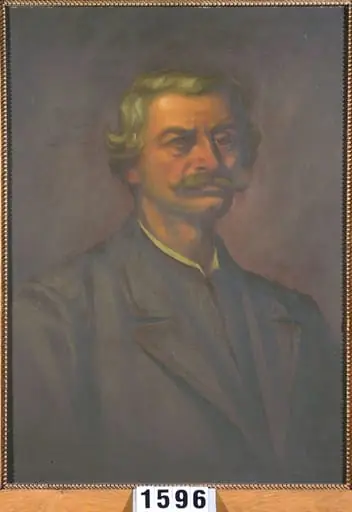
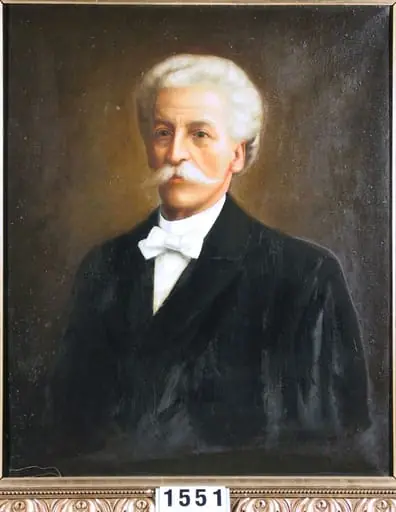
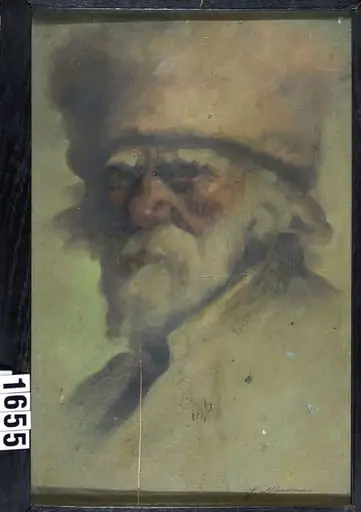
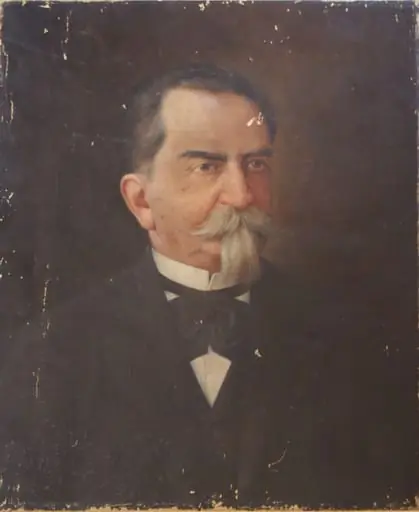 Portret de bărbat - Generalul Gh. Manu
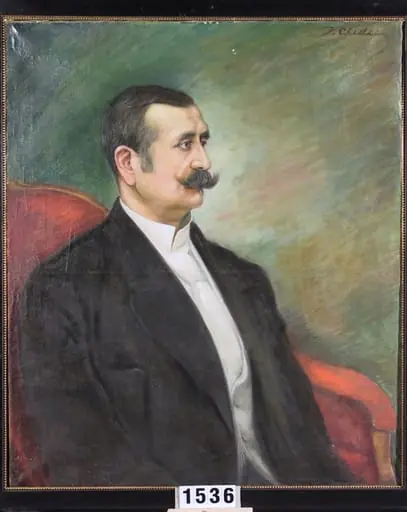 A. Bârseanu
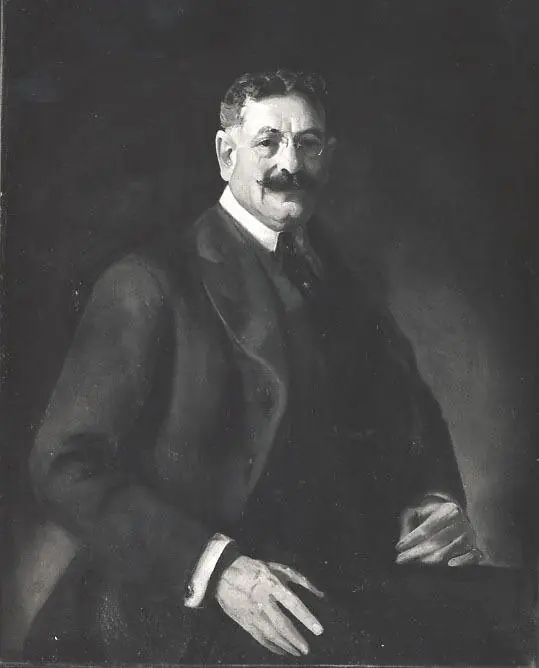 Samuel Knopf
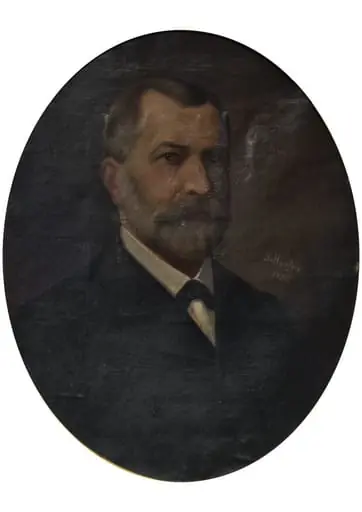 Bărbat
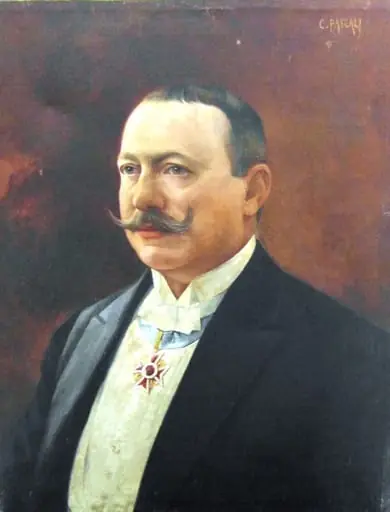 Portret
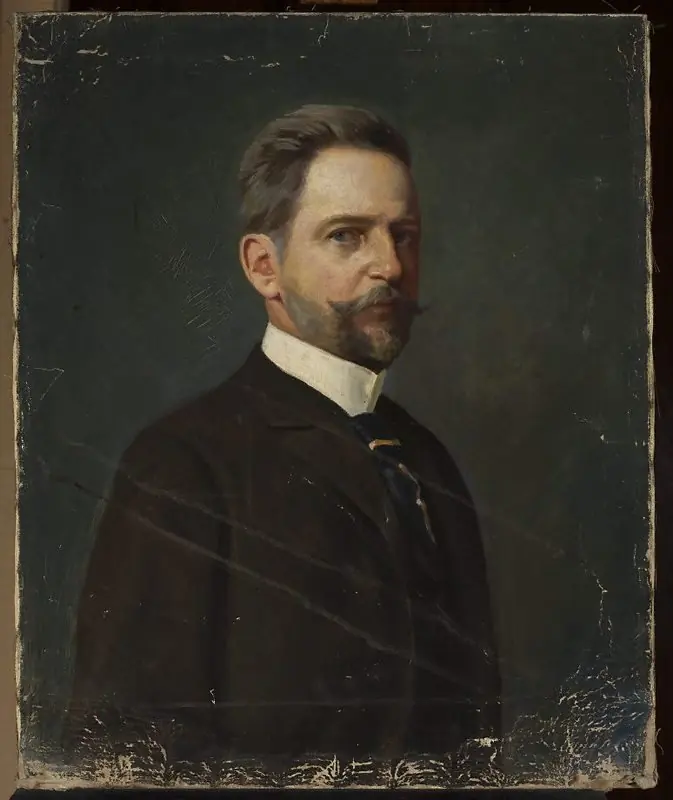 Copy from the self-portrait of Julian Maszyński
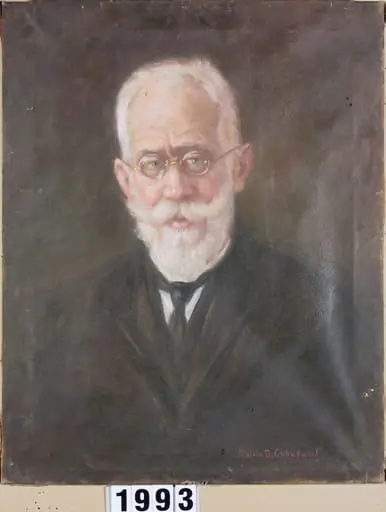 Dr. Emil Sigerus
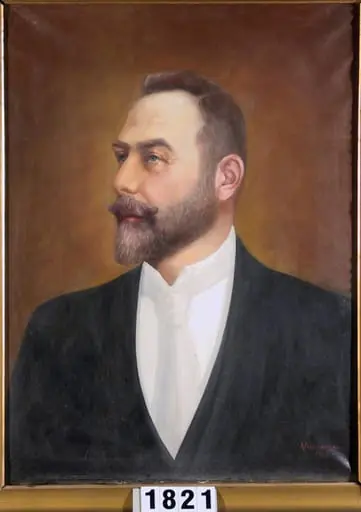 Gheorghe Dima
 Portrait of José Prudencio Guerrico
 Portrait of Straszewski
 Richter, Wilhelm
 Portrait of the Norwegian Keeper of National Antiquities, Christopher Brinckmann