Artwork
Gheorghe Dima
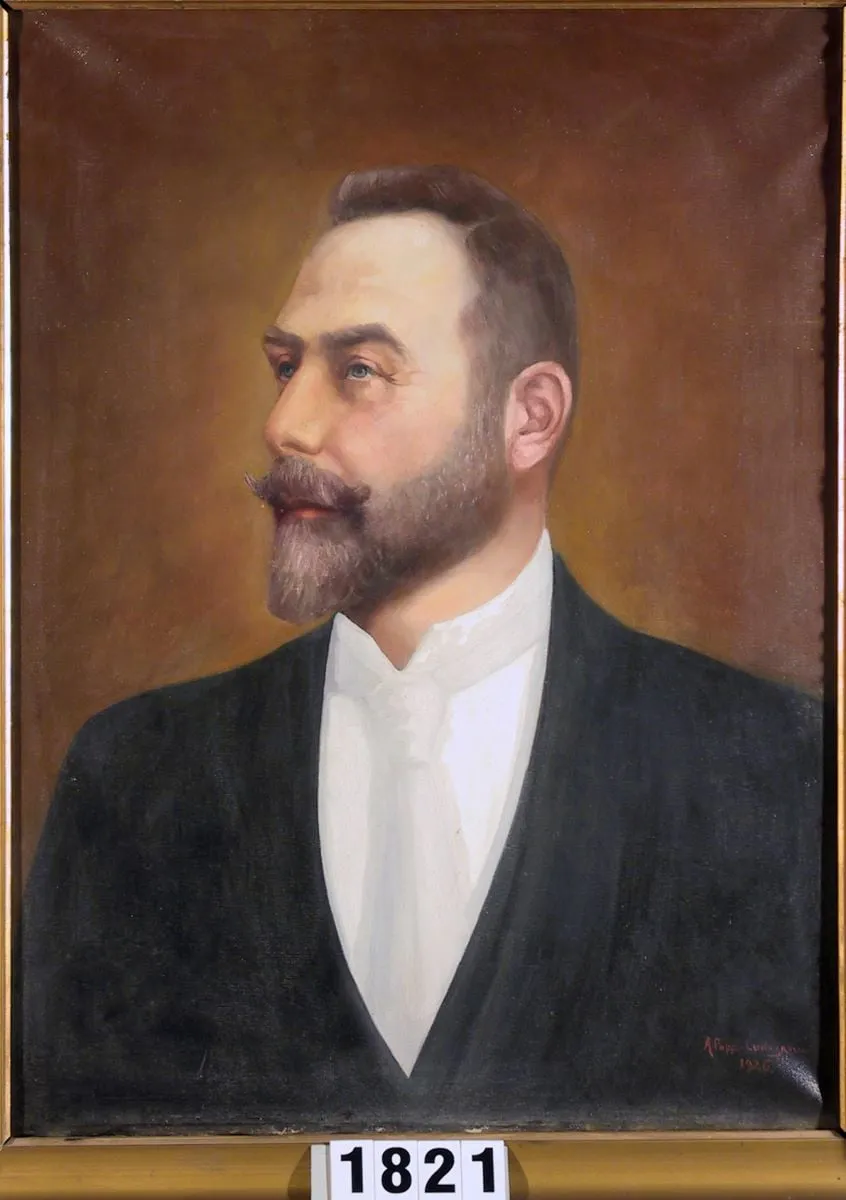
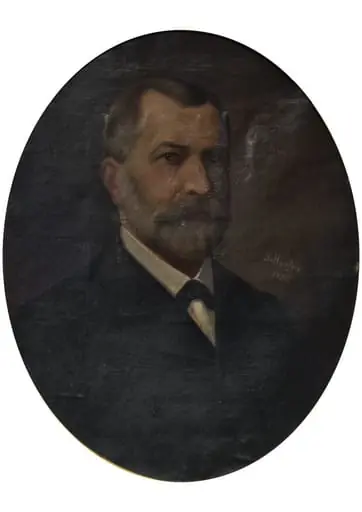
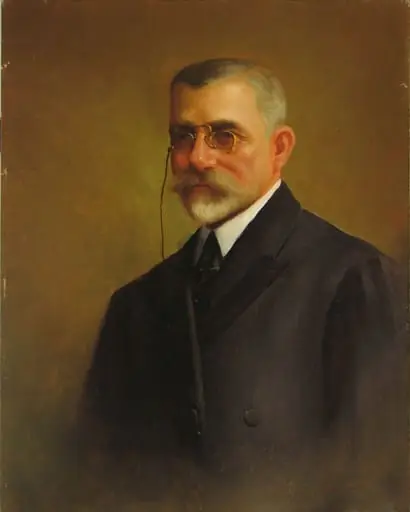
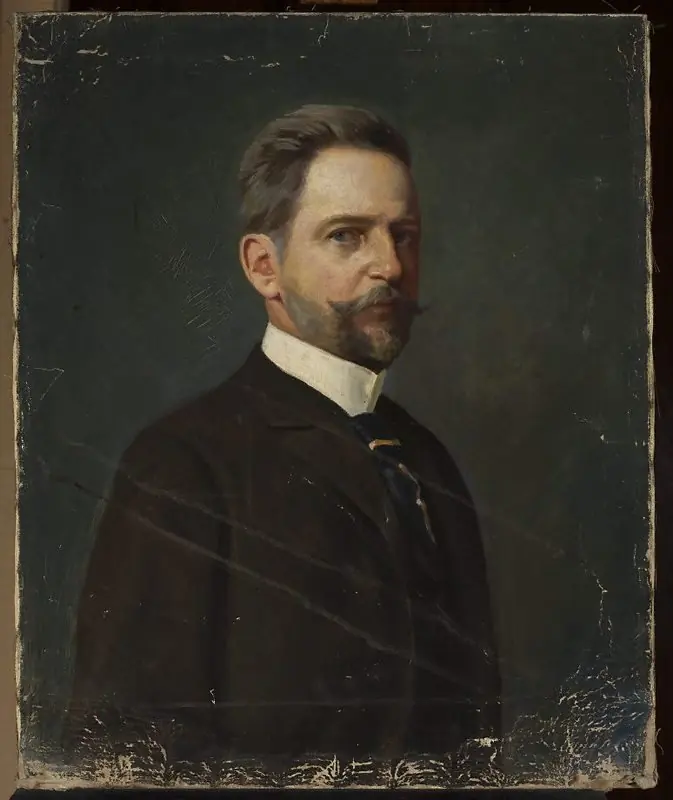
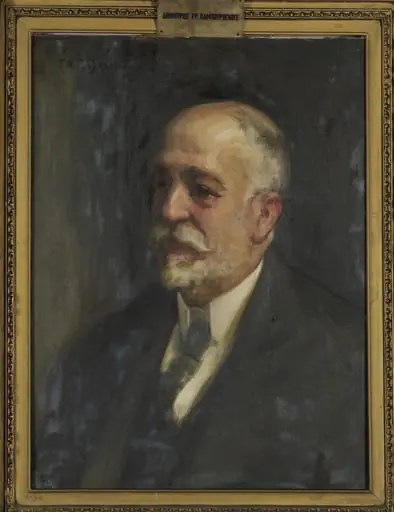
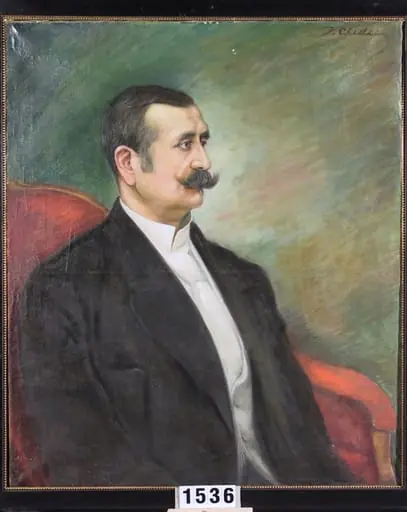
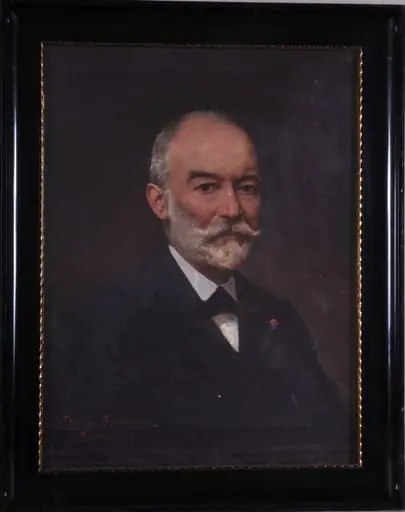
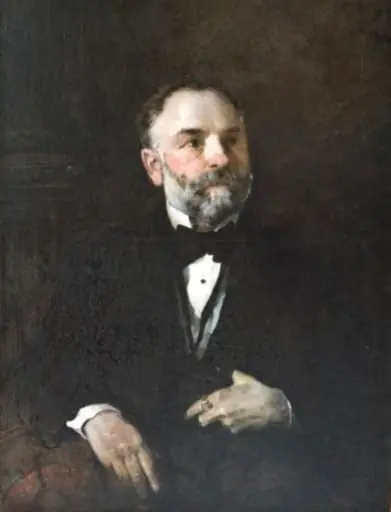
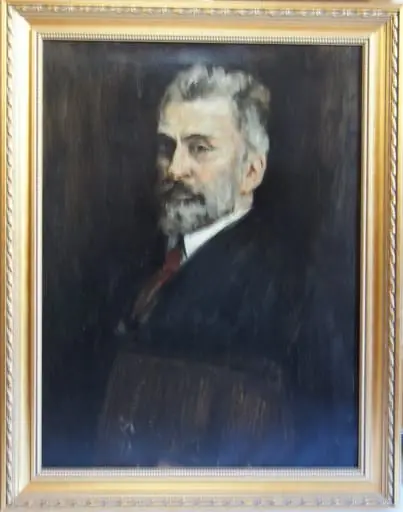
Gheorghe Dima is an unspecified painting by A. Ludoșanu-Popp. It is held in the collection of the Brukenthal National Museum. This portrait depicts a man in formal attire, rendered with restrained elegance.
About this work
Overview
The composition isolates the subject against a muted brown background, eliminating distractions to focus attention on his presence.
This portrait depicts a man in formal attire, rendered with restrained elegance. The composition isolates the subject against a muted brown background, eliminating distractions to focus attention on his presence. The lighting is carefully controlled, emphasizing facial features while allowing the dark clothing to recede. The overall effect is one of quiet dignity, achieved through deliberate simplification of form and tone.
Subject & Meaning
The subject is portrayed with solemnity, his expression unsmiling and composed. His thick mustache and neatly arranged hair suggest attention to personal decorum, common in 19th-century male portraiture. The absence of symbols or context implies the intent was not to convey status or profession, but to present a direct, unadorned likeness—likely commissioned for personal or familial remembrance.
Technique & Style
Brushwork is smooth and precise, with no visible texture or impasto. The artist employs subtle gradations of light to model the face, creating volume without dramatic contrast. The background remains uniformly dark, enhancing the subject’s prominence through tonal separation. This approach reflects a classical tradition of portraiture prioritizing clarity and realism over expressive flourish.
History & Provenance
The work is attributed to Gheorghe Dima, a Romanian painter active in the late 19th and early 20th centuries. While specific details of its commission or early ownership are not documented, its style aligns with academic portraiture practiced in Romanian art circles of the period. It likely originated in a private collection before entering institutional care.
Context
During Dima’s time, portraiture in Romania often served to document civic and cultural figures. Though this man’s identity remains unknown, the painting reflects broader trends in Eastern European art: a preference for restrained realism, formal composition, and the use of chiaroscuro to achieve psychological depth without theatricality.
Legacy
The painting exemplifies a quiet, enduring strand of academic portraiture that valued clarity and restraint. Though not widely exhibited, it contributes to the understanding of regional artistic practices in late 19th-century Romania, where technical precision and dignified representation remained central to the genre.
Artist & collection
Artist
A. Ludoșanu-Popp’s portraits feel like they’re still breathing: the sitters’ half-smiles and the way light catches the fabric of their collars make you lean in. Once, a gallery guard swore she saw one of them…