Artwork
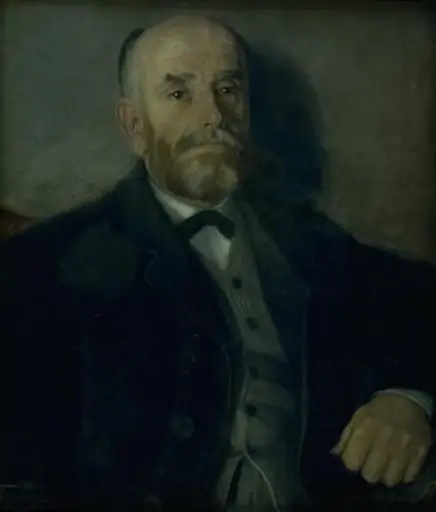
Portrait of Straszewski
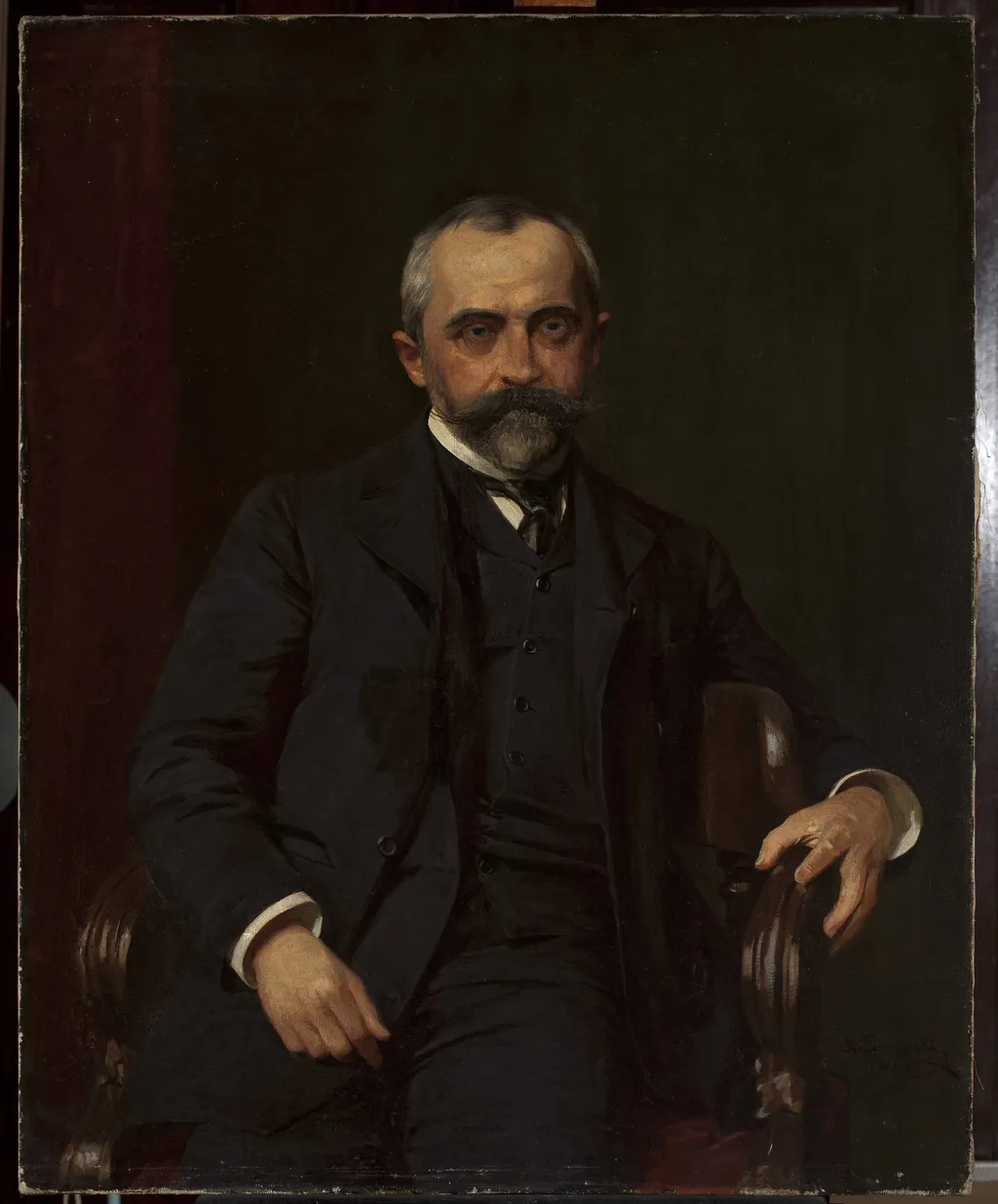
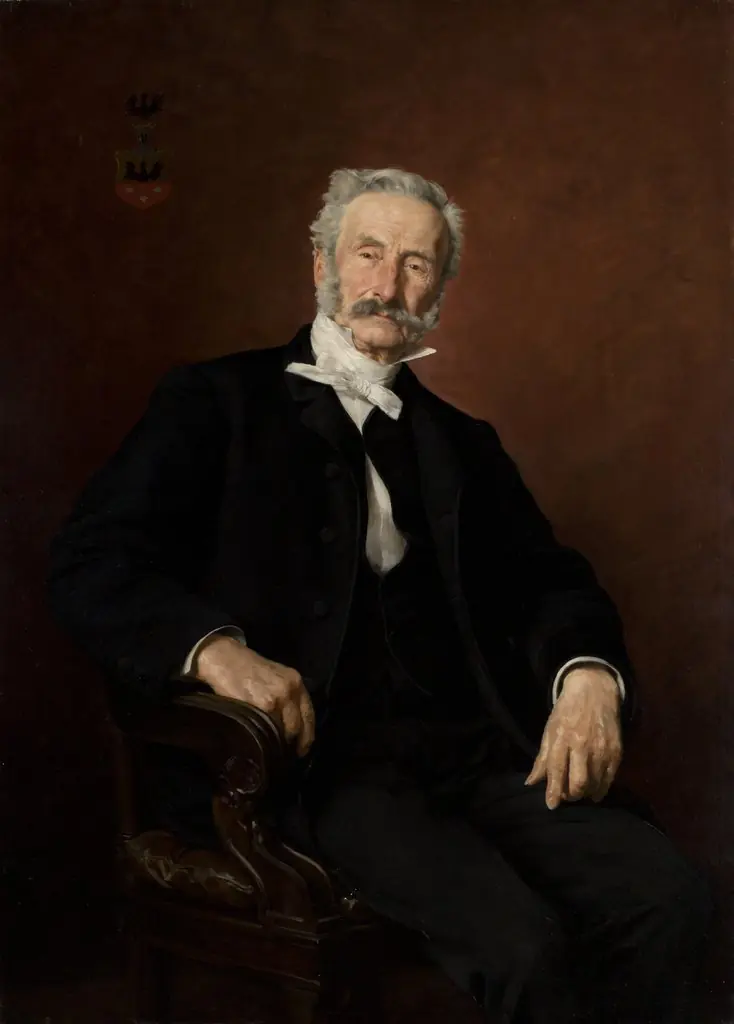
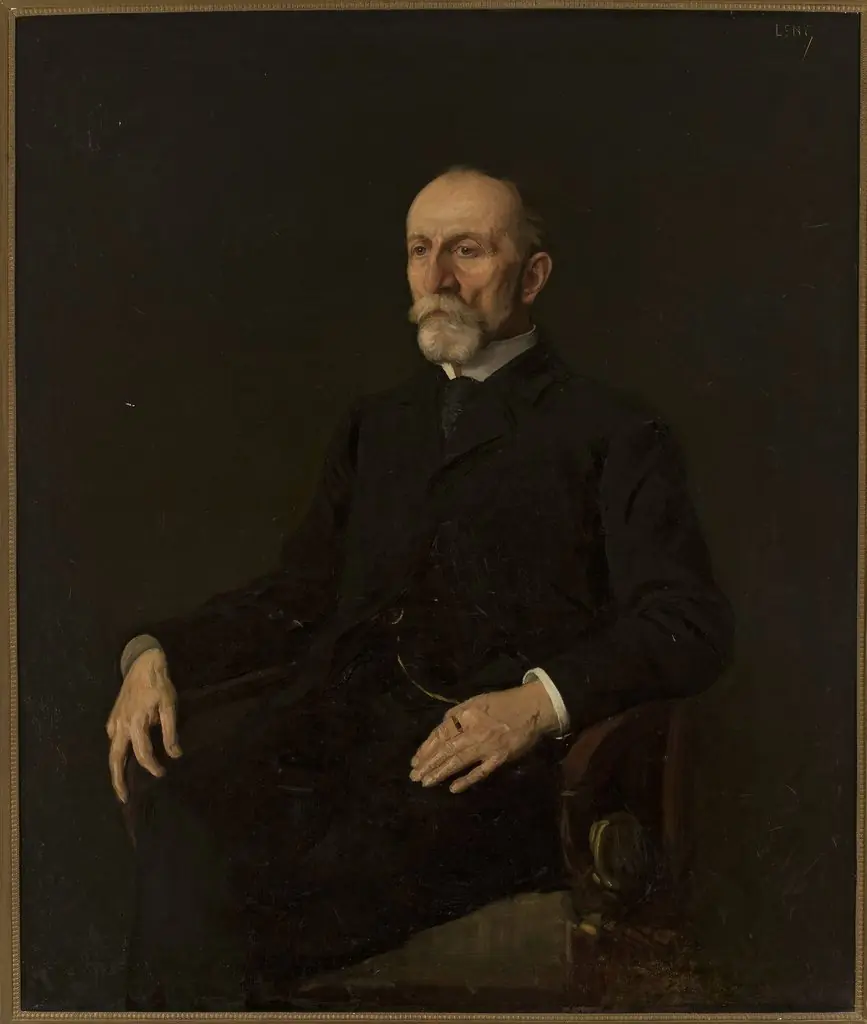
Portrait of Straszewski is an oil painting by the Impressionist artist Kazimierz Pochwalski. It dates from 1896 and is held in the collection of the National Museum in Warsaw.
About this work
Overview
Though associated with Impressionist tendencies, the painting leans toward a restrained realism, emphasizing psychological presence over loose brushwork.
Kazimierz Pochwalski painted this oil portrait in 1896, depicting a man named Straszewski. The work is part of the National Museum in Warsaw’s collection and reflects the artist’s focus on portraiture. Though associated with Impressionist tendencies, the painting leans toward a restrained realism, emphasizing psychological presence over loose brushwork. Its quiet composition and controlled lighting distinguish it from more vibrant Impressionist works of the period.
Subject & Meaning
The subject, Straszewski, is rendered with a solemn demeanor, his gaze directed away from the viewer as if absorbed in private thought. His formal attire—a dark suit and vest—suggests social standing, yet the absence of identifying symbols leaves his identity open to interpretation. The introspective expression and stillness convey an inner life, inviting contemplation rather than narrative. The mood is subdued, avoiding theatricality in favor of quiet introspection.
Technique & Style
Pochwalski employed chiaroscuro to model the figure with subtle gradations of light and shadow, drawing focus to the face and hands. The background, a deep, softly blended darkness, enhances the three-dimensionality of the subject without distraction. Brushwork is precise yet fluid, avoiding the broken strokes typical of Impressionism. The rendering of texture in fabric and skin is restrained, prioritizing tonal harmony over decorative detail.
History & Provenance
Painted in 1896, the portrait entered the National Museum in Warsaw’s collection in the early 20th century, likely through acquisition or donation. Pochwalski, a respected Polish portraitist of the era, maintained close ties with cultural institutions in Warsaw. The painting’s provenance remains unbroken, with no documented changes in ownership since its museum acquisition, preserving its contextual integrity within Polish artistic heritage.
Context
In late 19th-century Poland, portraiture served both personal and national functions, often reflecting intellectual or civic identity. While Western European Impressionism influenced many artists, Polish painters like Pochwalski adapted its light studies into more reserved, psychologically oriented compositions. This portrait aligns with a broader trend of introspective realism, responding to national cultural currents that valued dignity and inner depth over external spectacle.
Legacy
Though not widely exhibited beyond Poland, the portrait exemplifies Pochwalski’s skill in capturing psychological nuance within a formal setting. It remains a representative work of Polish academic portraiture at the turn of the century, bridging traditional techniques with emerging modern sensibilities. Its quiet power continues to inform interpretations of Polish visual culture during a period of national redefinition.
Artist & collection
Artist
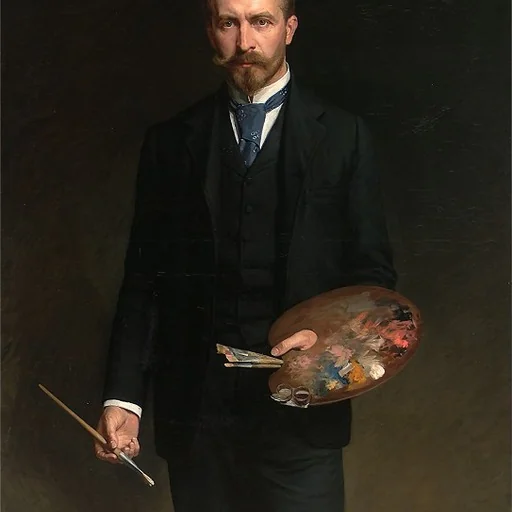
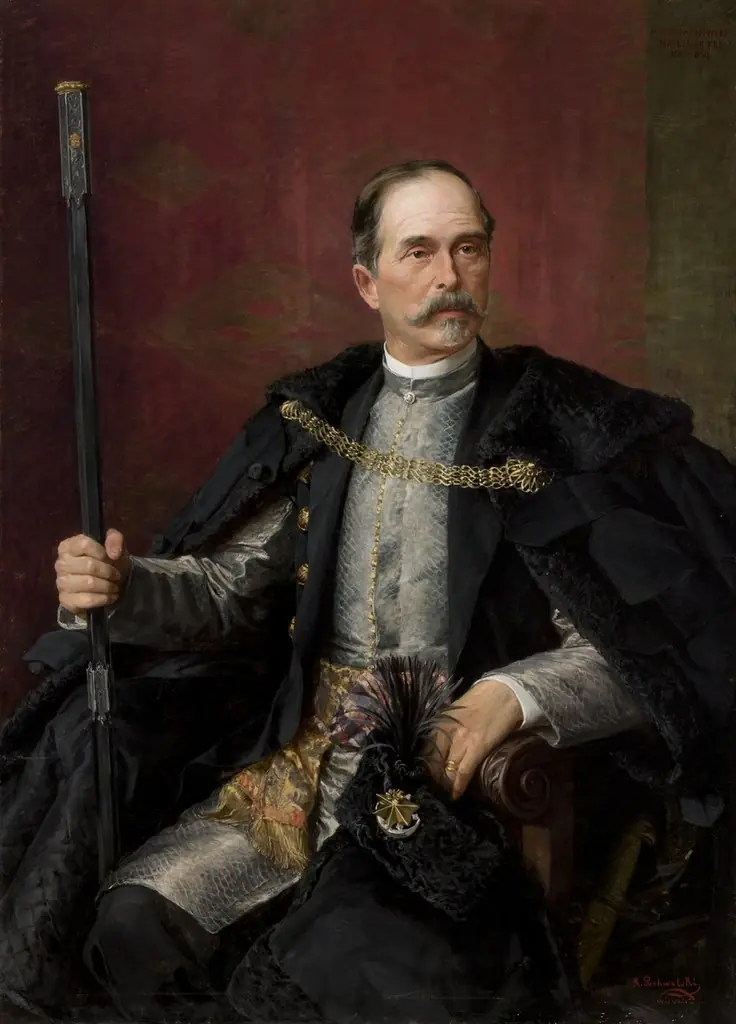
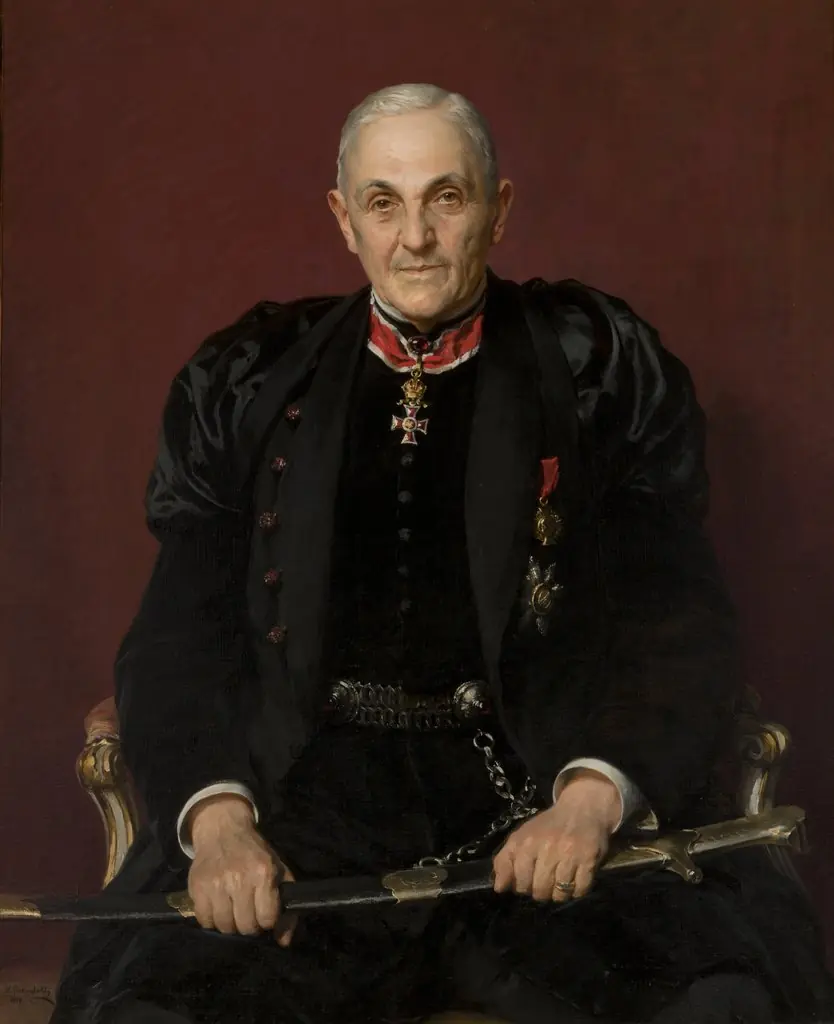
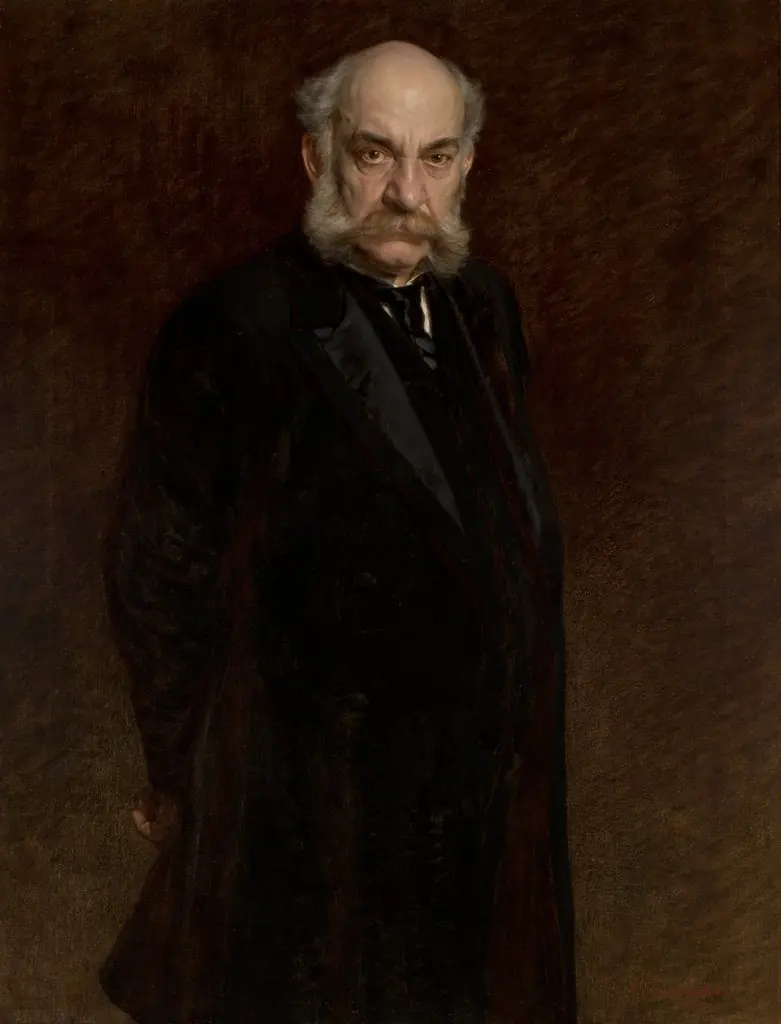
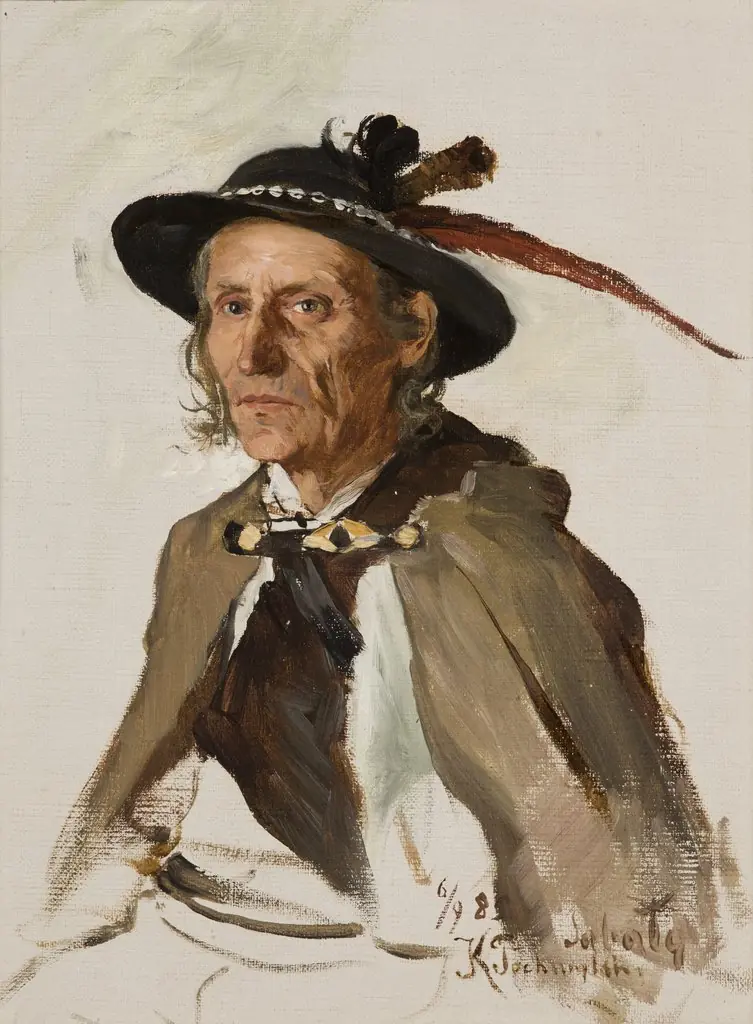
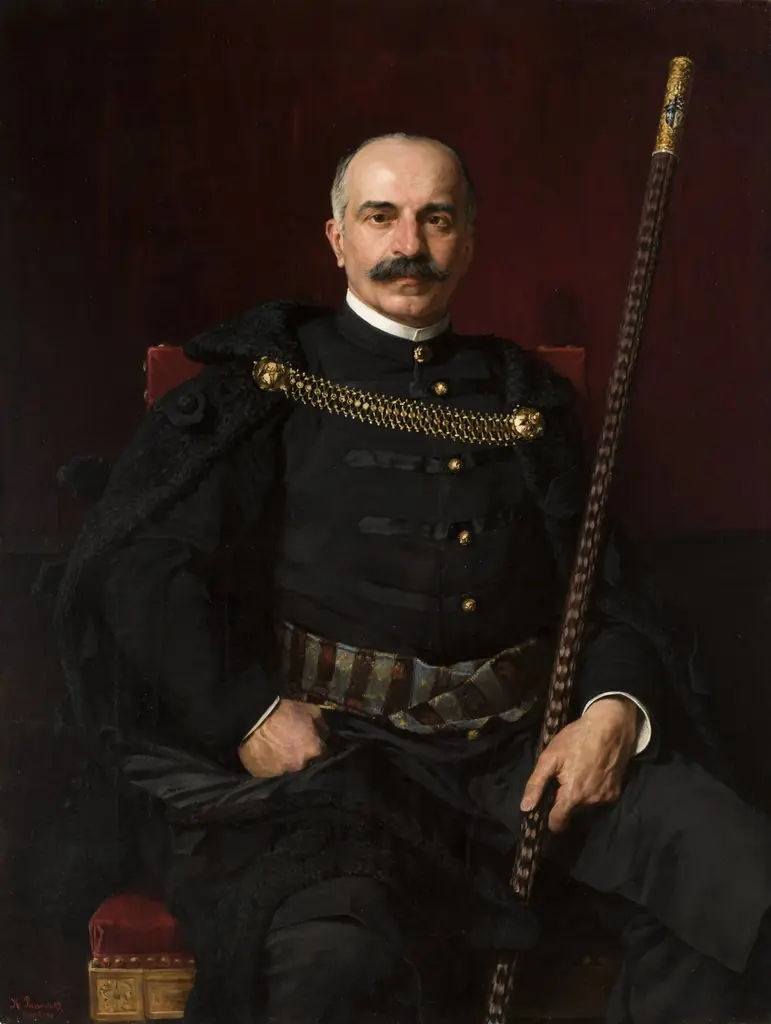
Kazimierz Teofil Pochwalski (25 December 1855 – 7 November 1940) was a Polish painter known primarily for his portraits, although he produced works in a wide variety of genres.

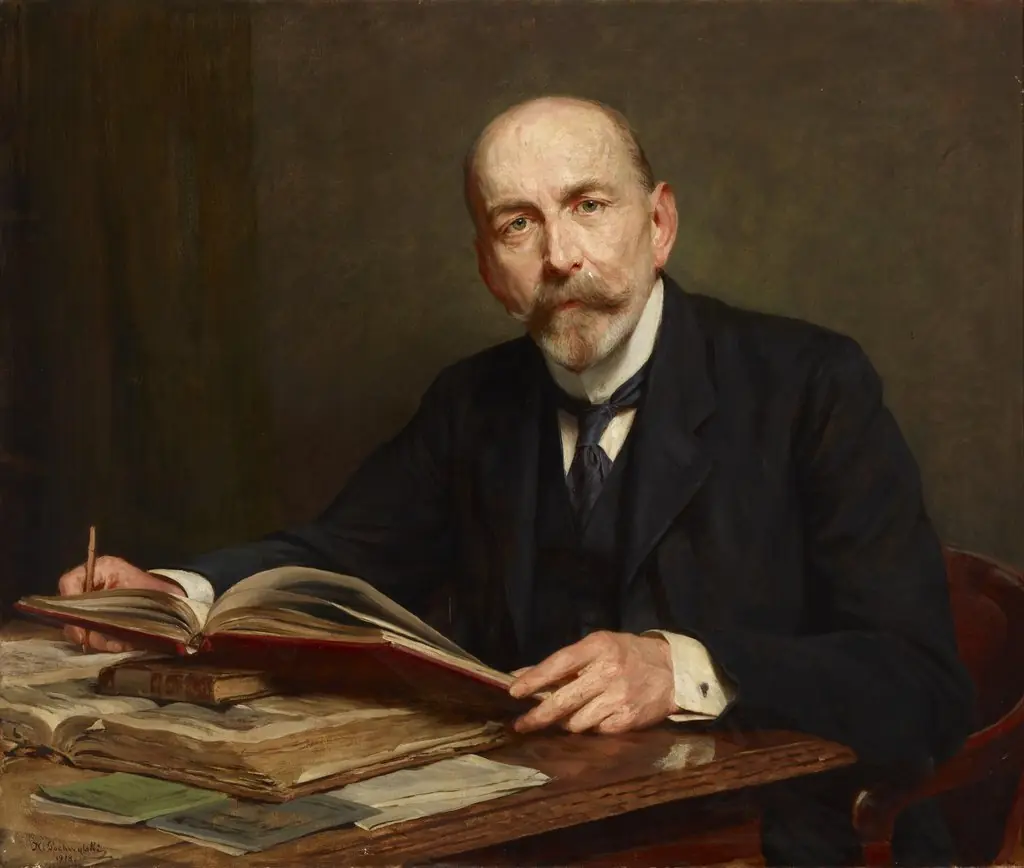
 Portrait of Władysław Bogusławski
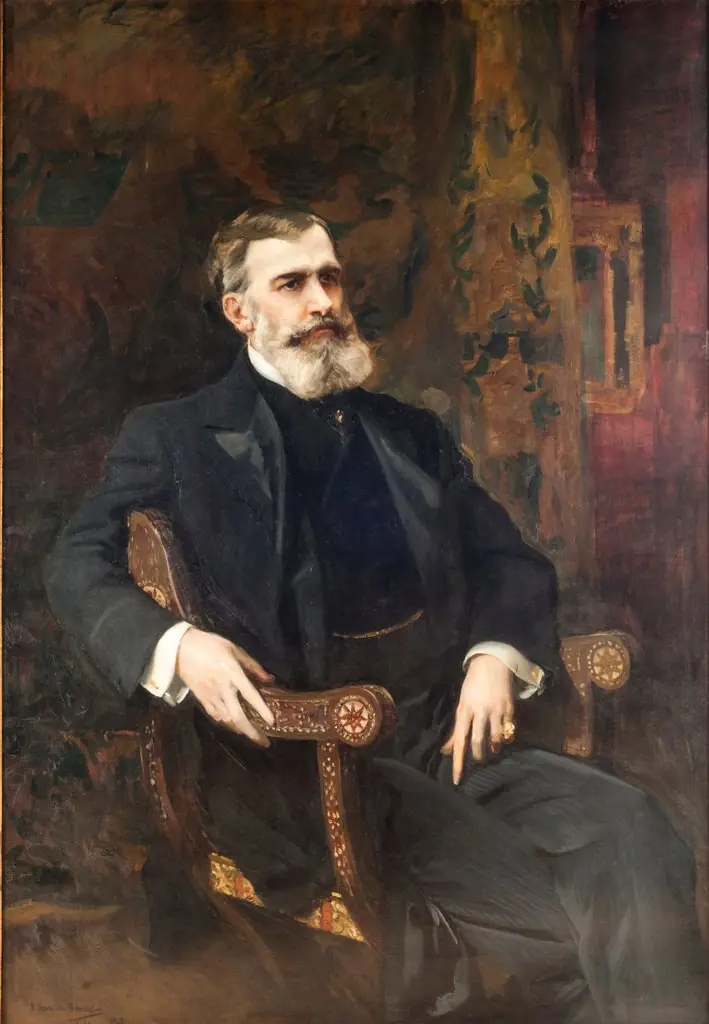 Portrait of José Prudencio Guerrico
 Προσωπογραφία του Δημητρίου Γρ. Καμπούρογλου
 Portrait of Antonio del Val
 Προσωπογραφία του Ανάργυρου Σιμόπουλου
 Tehtailija August Keirknerin muotokuva
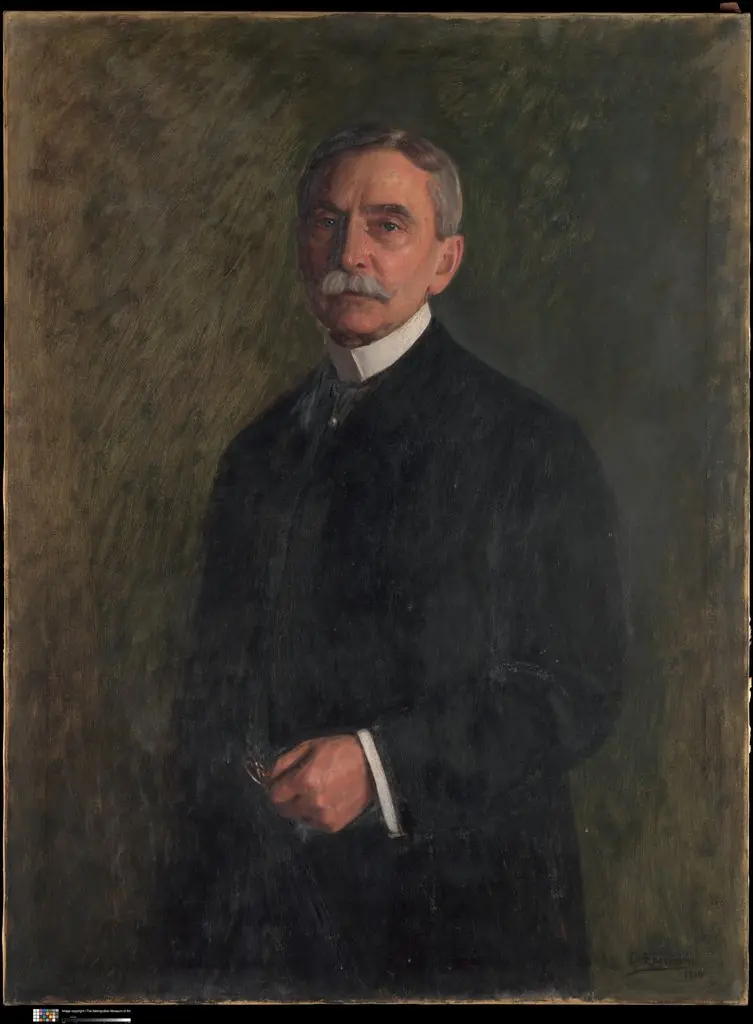 Portrait of Isaac D. Fletcher
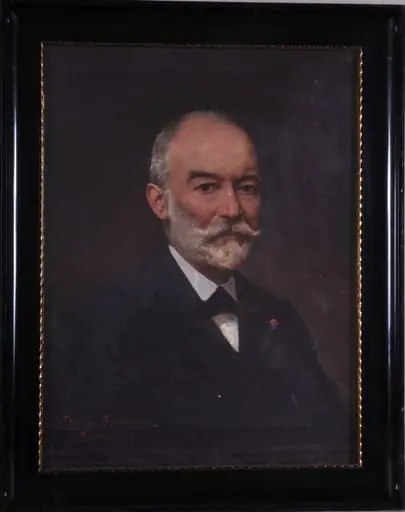 Dimitrie Alexandru Sturdza-Miclăușanu
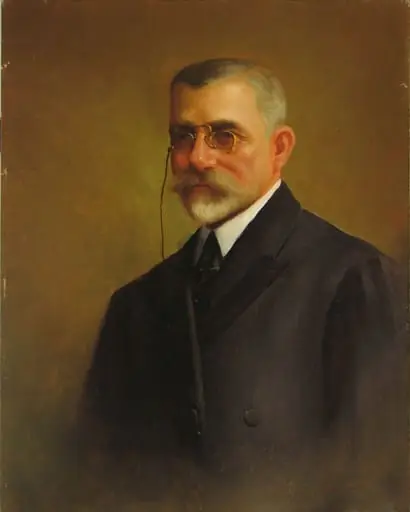 Vătășeanu, directorul Băncii Albina
 Portret de bărbat
 Bagermester B