Artwork
Life of the Virgin: Nativity of the Virgin
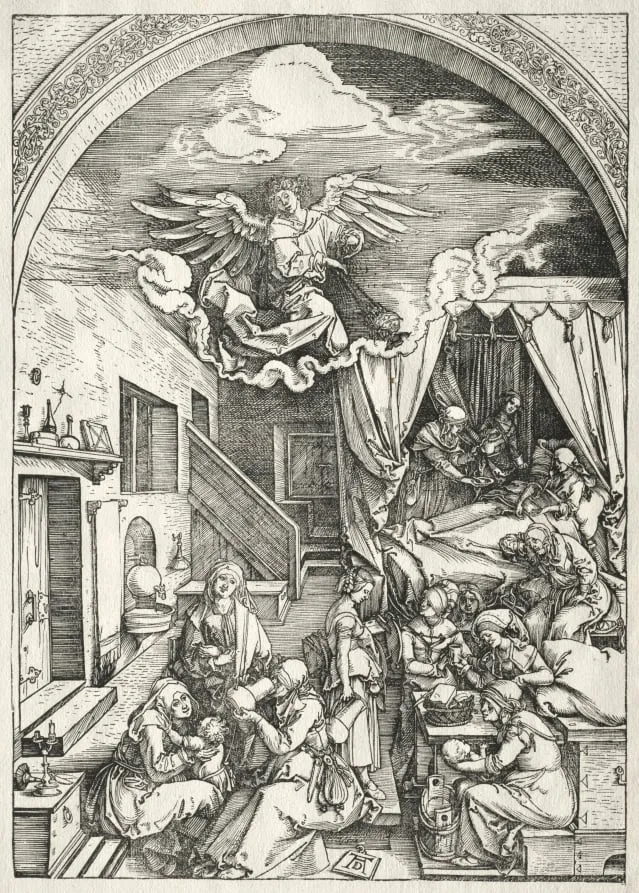
Life of the Virgin: Nativity of the Virgin is a print by the Renaissance artist Albrecht Dürer. It dates from 1504 and is held in the collection of the Cleveland Museum of Art.
About this work
Overview
The work entered the collection of The Cleveland Museum of Art, where it remains as a significant example of early 16th-century Northern European print culture.
Created in 1504, this woodcut by Albrecht Dürer is part of a larger series illustrating key moments in the life of the Virgin Mary. Executed in the medium of printmaking, it reflects Dürer’s technical precision and his engagement with religious narrative. The work entered the collection of The Cleveland Museum of Art, where it remains as a significant example of early 16th-century Northern European print culture.
Subject & Meaning
The scene depicts the birth of the Virgin Mary, shown reclining on a bed while an infant is held nearby. Surrounding figures—family members, attendants, and observers—convey quiet reverence. Above, an angel hovers in the upper space, suggesting divine presence. The composition emphasizes the sacredness of the moment within a domestic setting, blending earthly intimacy with spiritual significance.
Technique & Style
Dürer employed fine, controlled lines and dramatic chiaroscuro to model form and direct focus. Light falls sharply on the central figures—the mother and child—while surrounding areas recede into shadow. The architectural elements, including the staircase and arched doorway, are rendered with geometric clarity, demonstrating his attention to spatial depth and structural detail characteristic of his mature printmaking style.
History & Provenance
Produced during Dürer’s second trip to Italy, the print reflects his absorption of Italian compositional principles while retaining Northern European detail. It was part of a widely distributed series that enhanced his reputation across Europe. The work eventually entered the Cleveland Museum of Art’s collection, where it has been studied for its technical innovation and narrative coherence.
Context
In early 16th-century Germany, devotional imagery was increasingly accessible through prints. Dürer’s series on the Virgin’s life catered to both religious devotion and the growing market for high-quality engravings. His integration of human emotion with theological themes aligned with broader Renaissance interests in individual experience and sacred history.
Legacy
This print exemplifies Dürer’s role in elevating printmaking to a respected art form. Its clarity of composition and emotional restraint influenced later Northern artists and helped establish the woodcut as a vehicle for complex religious storytelling. The work remains a reference point in studies of Renaissance visual culture and the transmission of devotional imagery.
Artist & collection
Artist
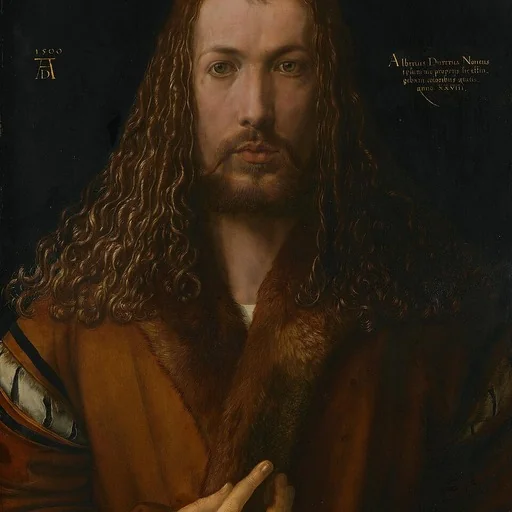
Albrecht Dürer spent his life in Nuremberg, a busy German city where artists traded prints like currency.

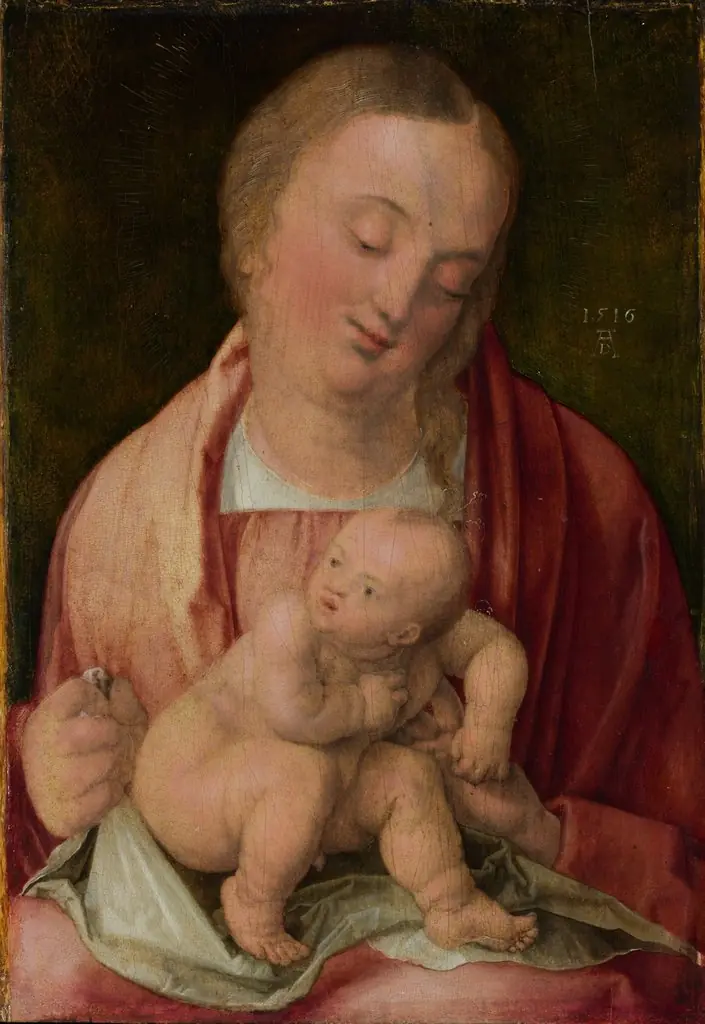
![Madonna and Child [obverse], by Albrecht Dürer](https://artifactworldgallery.com/img/albrecht-durer--madonna-and-child-obverse--d7b8ebf05d22ebe5-w320.webp)
![Lot and His Daughters [reverse], by Albrecht Dürer](https://artifactworldgallery.com/img/albrecht-durer--lot-and-his-daughters-reverse--b4ebf9b282faa17a-w320.webp)
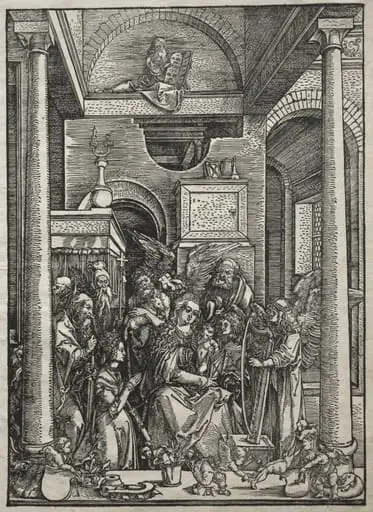 Life of the Virgin: Adoration of the Virgin and Child by Saints and Angels
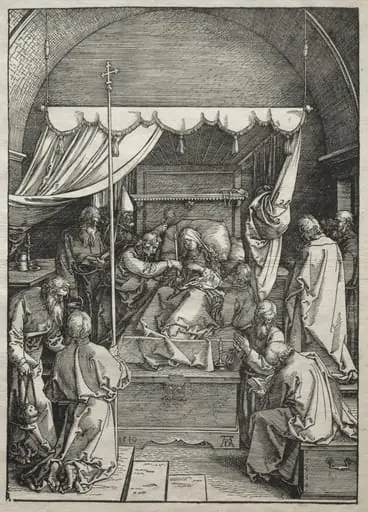 Life of the Virgin: The Death of the Virgin
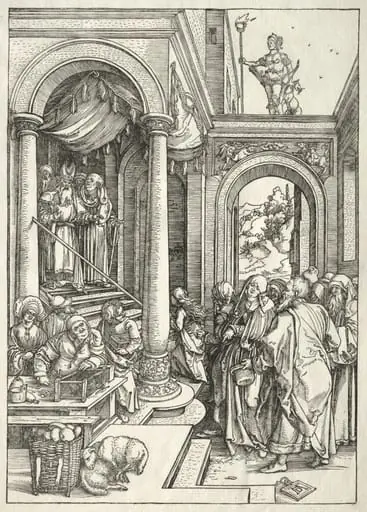 Life of the Virgin: Presentation of the Young Virgin in the Temple
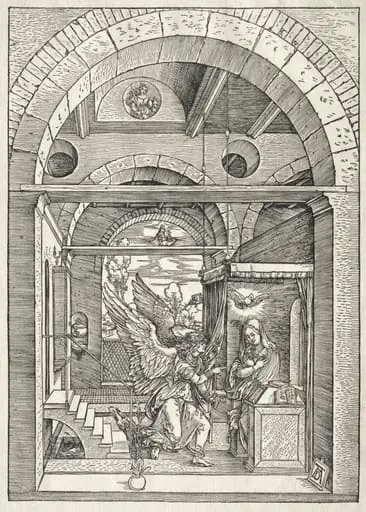 Life of the Virgin: The Annunciation
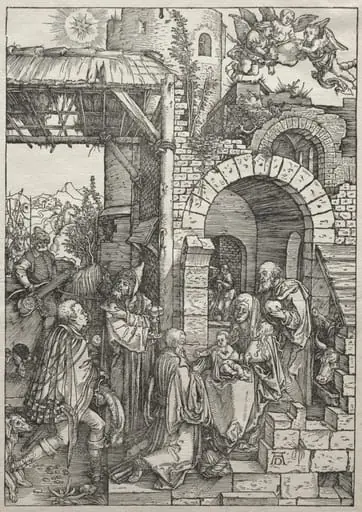 Life of the Virgin: Adoration of the Magi
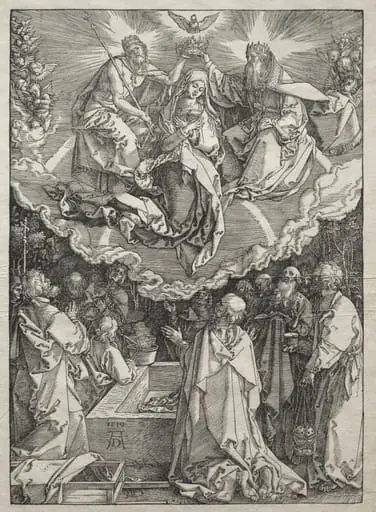 Life of the Virgin: Assumption of the Virgin
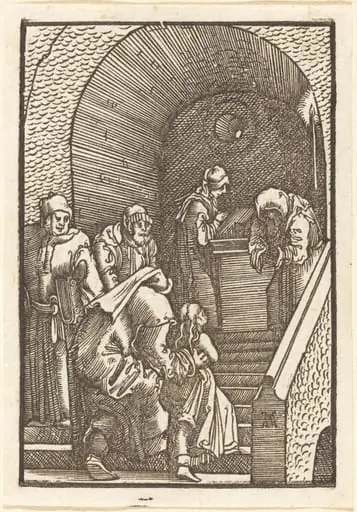 Presentation of the Virgin