Artwork
The Little Courier
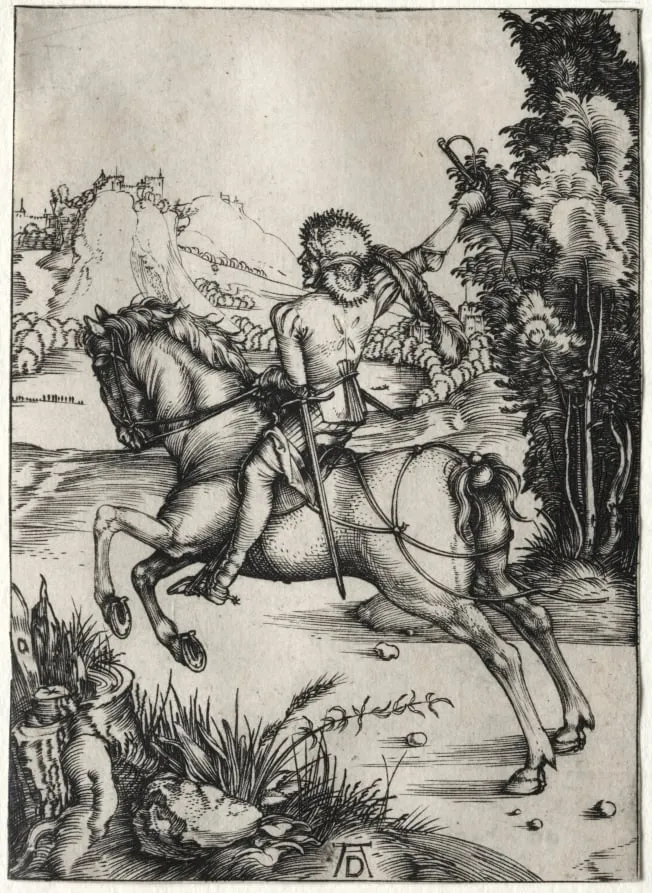
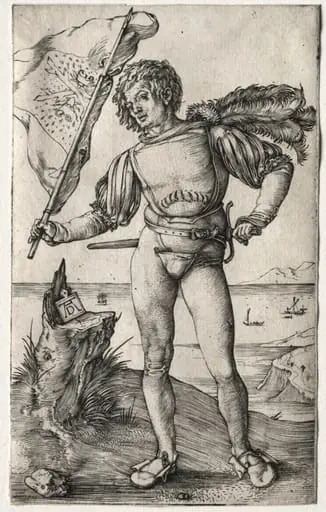
The Little Courier is a print by the Renaissance artist Albrecht Dürer. It dates from 1496 and is held in the collection of the Cleveland Museum of Art.
About this work
Overview
Albrecht Dürer’s engraving *The Little Courier* dates to circa 1496. Executed in the German Renaissance, the work exemplifies Dürer’s early foray into copperplate engraving, a medium that would become central to his artistic output.
Subject & Meaning
The image presents a youthful messenger clutching a folded letter. The figure’s attentive posture and the prominence of the written document suggest themes of communication and the importance of written exchange in late‑medieval urban life.
Technique & Style
Rendered with Dürer’s characteristic precision, the engraving relies on fine, intersecting lines and stark chiaroscuro to model the child’s features and the surrounding space. The contrast between deep shadows and lighter areas creates a sense of volume and immediacy.
History & Provenance
Created shortly after Dürer’s rise to prominence in Nuremberg, the print was likely circulated among patrons and fellow artists familiar with his woodcut achievements. Surviving impressions are held in several European collections, reflecting the work’s early distribution.
Context
During the 1490s, Northern Europe saw a surge in printed images that could be reproduced for a broader audience. Dürer’s adoption of engraving aligned with this trend, allowing for greater detail than woodcut and contributing to the spread of Renaissance ideas north of the Alps.
Artist & collection
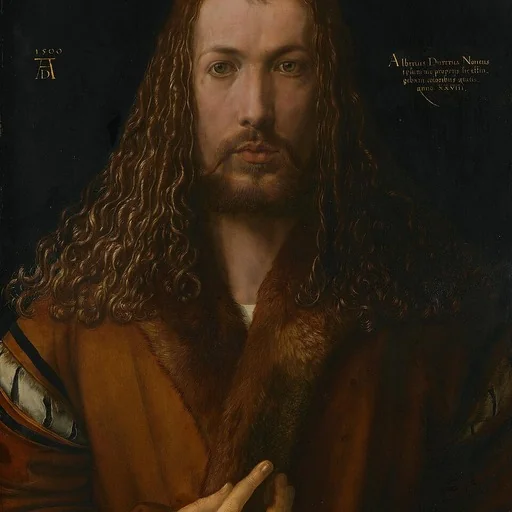
Artist
Albrecht Dürer spent his life in Nuremberg, a busy German city where artists traded prints like currency.

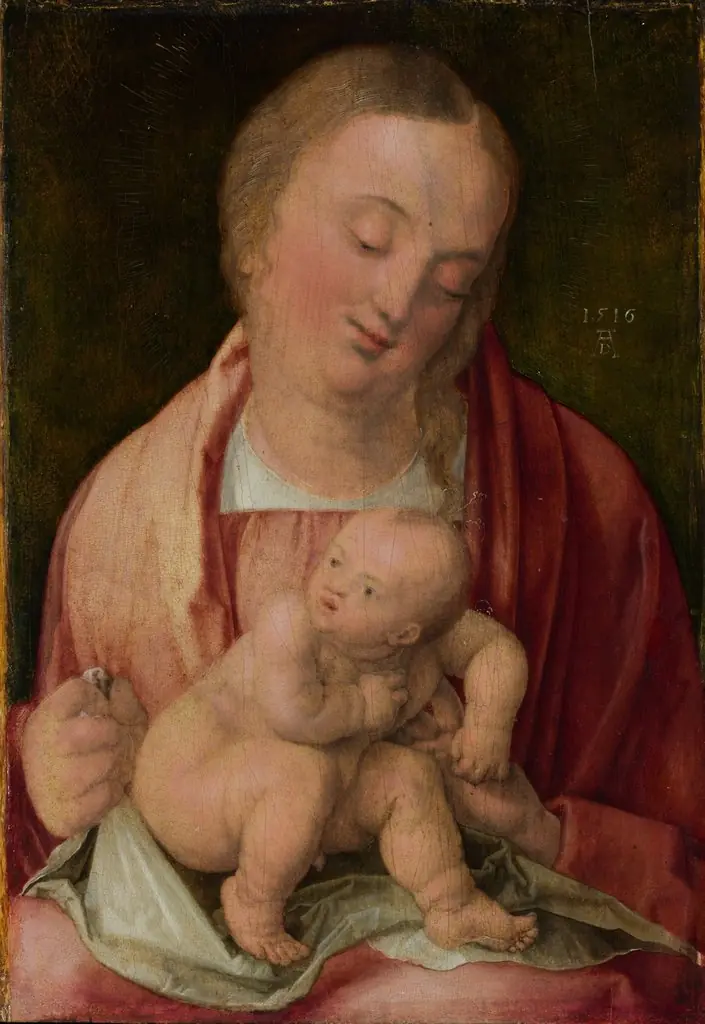
![Madonna and Child [obverse], by Albrecht Dürer](https://artifactworldgallery.com/img/albrecht-durer--madonna-and-child-obverse--d7b8ebf05d22ebe5-w320.webp)

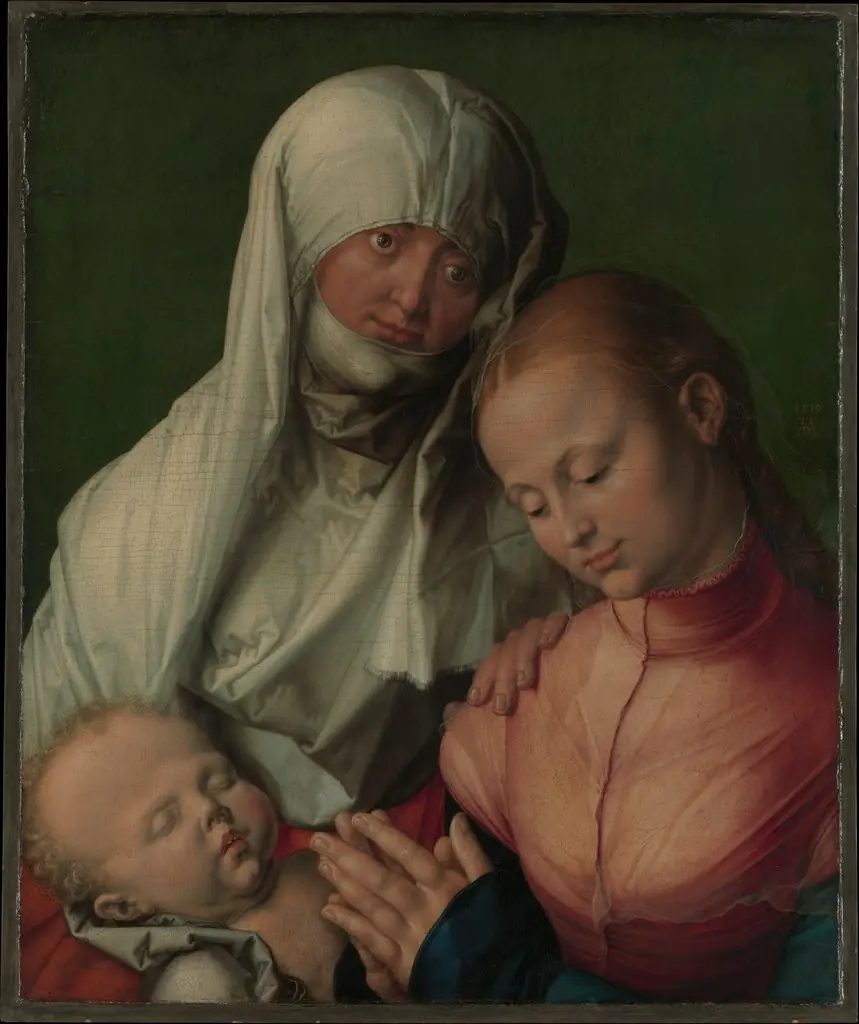
![Lot and His Daughters [reverse], by Albrecht Dürer](https://artifactworldgallery.com/img/albrecht-durer--lot-and-his-daughters-reverse--b4ebf9b282faa17a-w320.webp)