Artwork
The Presentation of Christ in the Temple
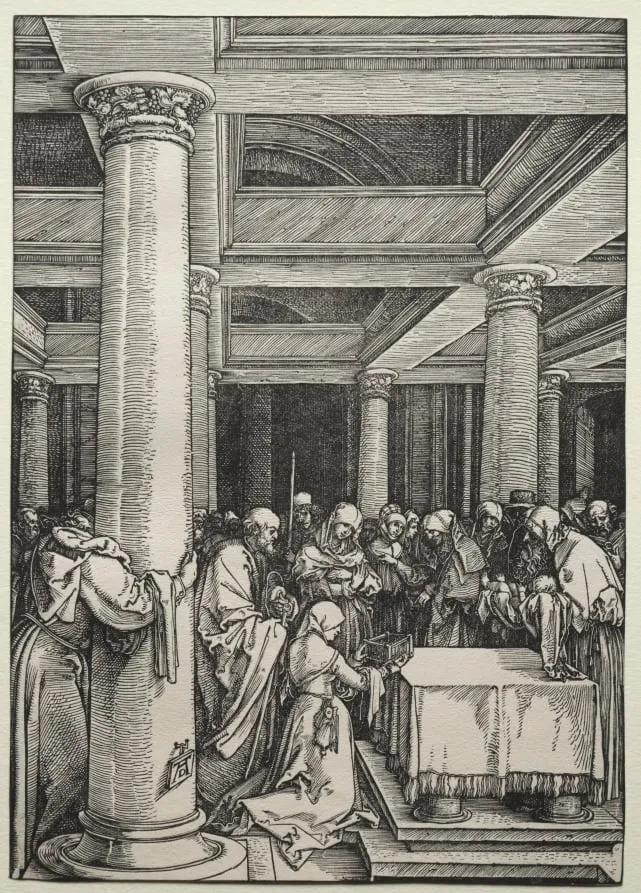
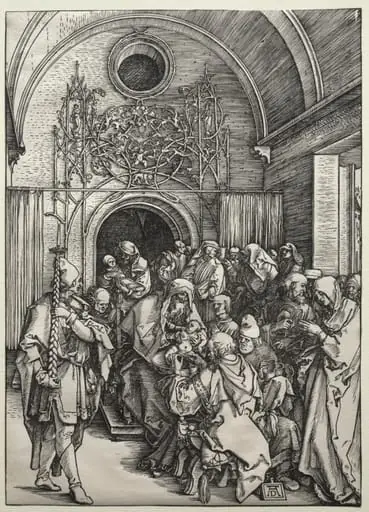
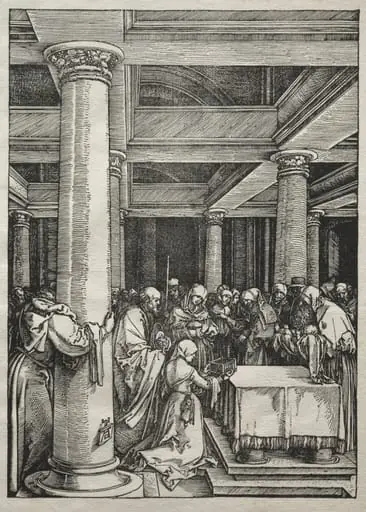
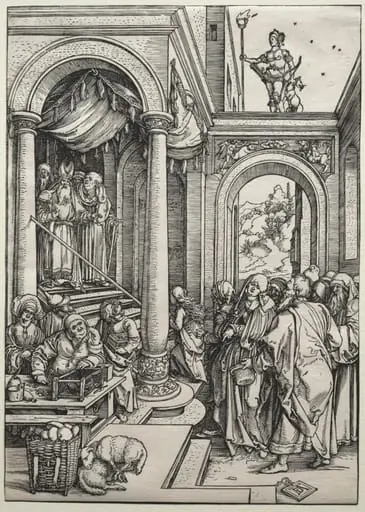
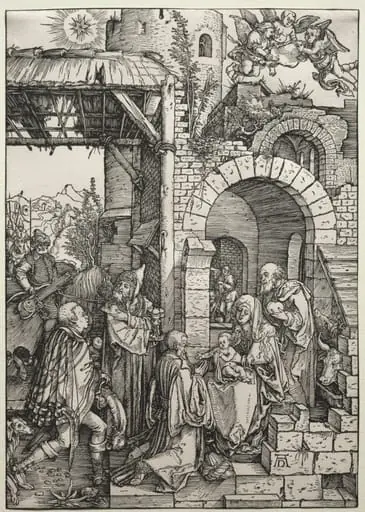
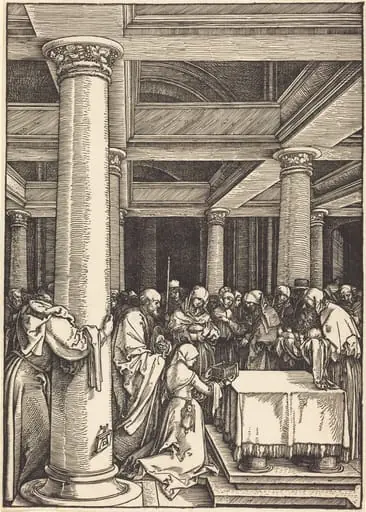
The Presentation of Christ in the Temple is a print by the Renaissance artist Albrecht Dürer. It dates from 1504 and is held in the collection of the Cleveland Museum of Art. The work consists of a series of eight woodcut prints that trace the early narrative of the Virgin Mary and the infant Jesus.
About this work
The artist included many details, like the clothes people are wearing and the temple's architecture, which gives us a glimpse of what life was like back then.
This painting shows a scene from the Bible.
It's a moment when Jesus is presented at the temple.
The artist included many details, like the clothes people are wearing and the temple's architecture, which gives us a glimpse of what life was like back then.
The scene is very detailed, with many people and objects.
The artist, Albrecht Dürer, was very skilled at drawing and printmaking.
He made this scene look very realistic.
You can learn more about this style by looking at the work of artist: Albrecht Dürer (German, 1471–1528).
Overview
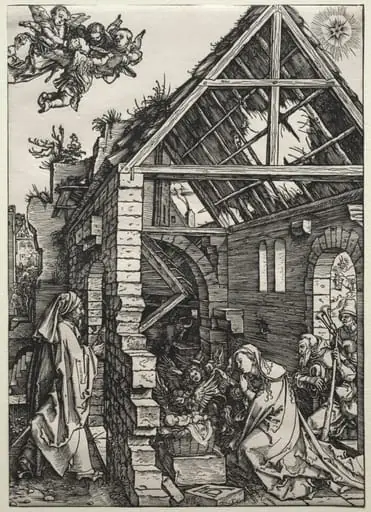
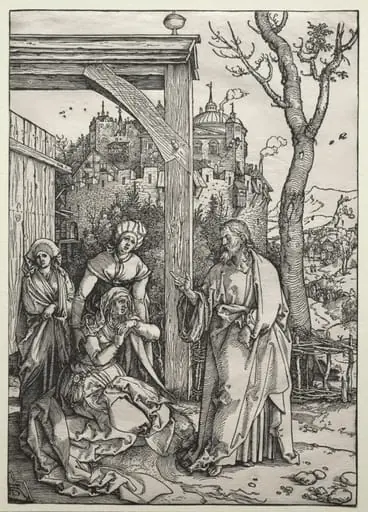
The work consists of a series of eight woodcut prints that trace the early narrative of the Virgin Mary and the infant Jesus. Beginning with the angelic announcement to Mary, the sequence moves through her visit to Elizabeth, the birth of Christ, the adoration of the Magi, the circumcision and presentation at the temple, the flight to Egypt, and concludes with a domestic scene of the Holy Family in exile.
Subject & Meaning
Each print illustrates a distinct episode from the New Testament, emphasizing both the divine milestones—such as the presentation before the temple priesthood—and the human experiences of the family, like Joseph’s carpentry and Mary's wool‑spinning in Egypt. Angelic figures and putti accompany the scenes, underscoring the spiritual protection surrounding the Holy Family.
Technique & Style
Executed in woodcut, the images display the artist’s precise line work and careful attention to architectural and costume details. The stark contrasts of black and white ink create a sense of depth, while the intricate patterns on garments and temple columns convey a realistic portrayal of 1st‑century settings.
History & Provenance
The series was produced in the late 15th century, catalogued as numbers 8‑15 in the artist’s print portfolio. Though the prints were originally bound together, they have since been dispersed among various collections, where they continue to be studied as examples of early Northern European printmaking.
Context
The narrative aligns with contemporary devotional practices that encouraged meditation on the life of Christ. By presenting the events in a sequential visual format, the prints served both as instructional material for private contemplation and as a means to disseminate biblical stories to a largely illiterate audience.
Legacy
The series exemplifies the capacity of woodcut to convey complex theological themes with clarity and detail. It influenced later printmakers who adopted similar narrative structures, and it remains a reference point for scholars examining the intersection of art, religion, and early modern print technology.
Artist & collection
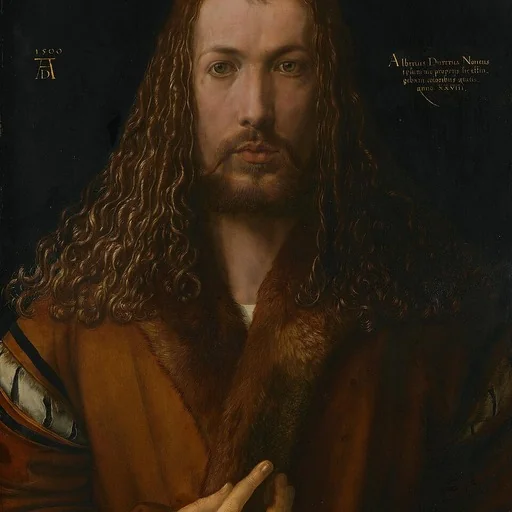
Artist
Albrecht Dürer spent his life in Nuremberg, a busy German city where artists traded prints like currency.

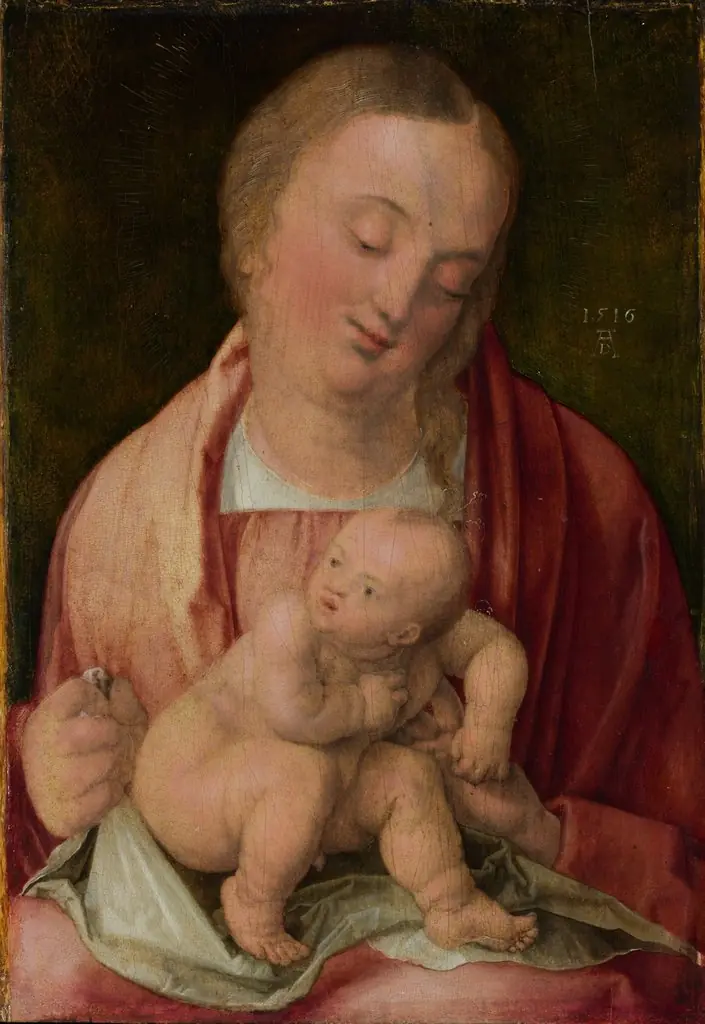
![Madonna and Child [obverse], by Albrecht Dürer](https://artifactworldgallery.com/img/albrecht-durer--madonna-and-child-obverse--d7b8ebf05d22ebe5-w320.webp)
![Lot and His Daughters [reverse], by Albrecht Dürer](https://artifactworldgallery.com/img/albrecht-durer--lot-and-his-daughters-reverse--b4ebf9b282faa17a-w320.webp)