Artwork
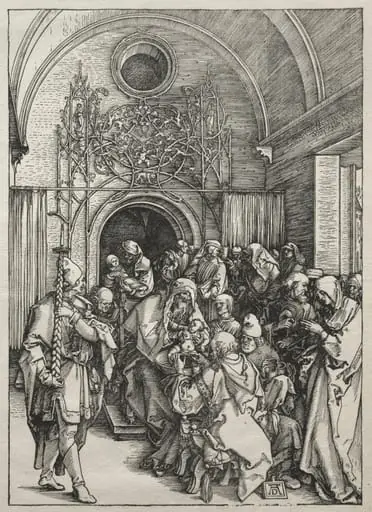
The Circumcision
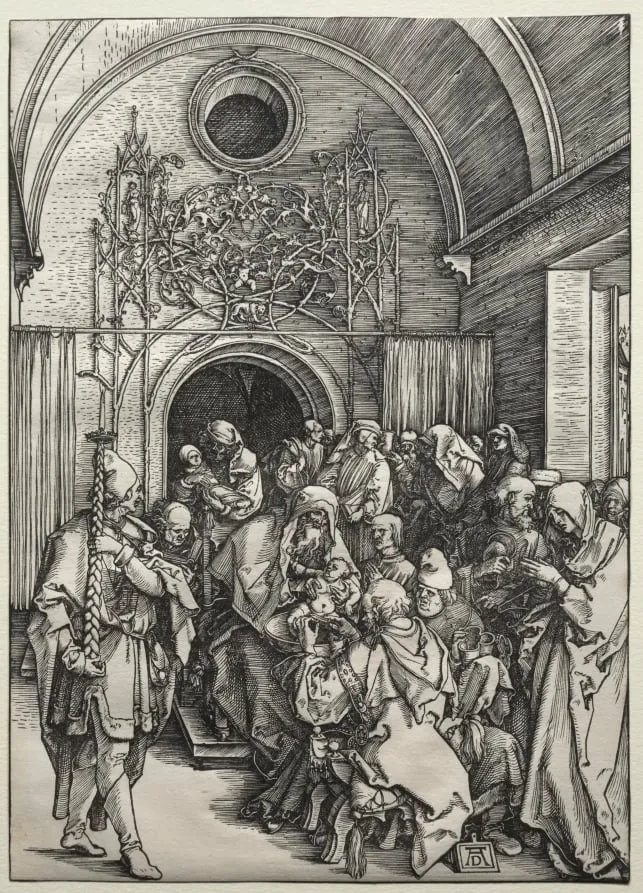
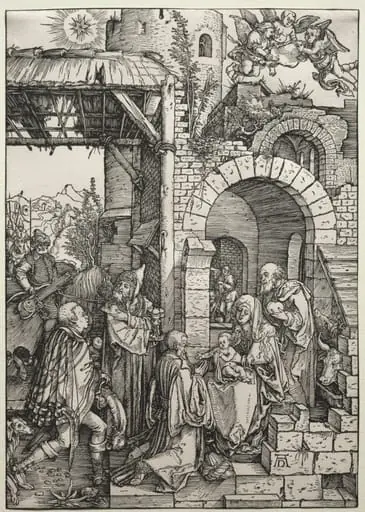
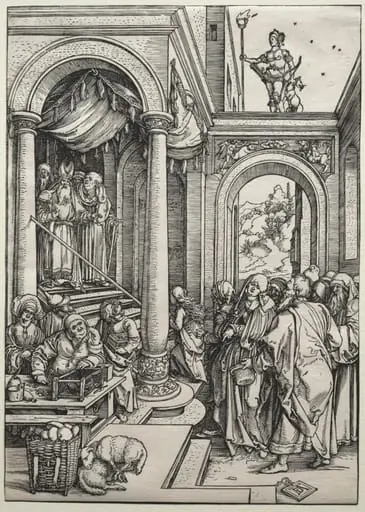
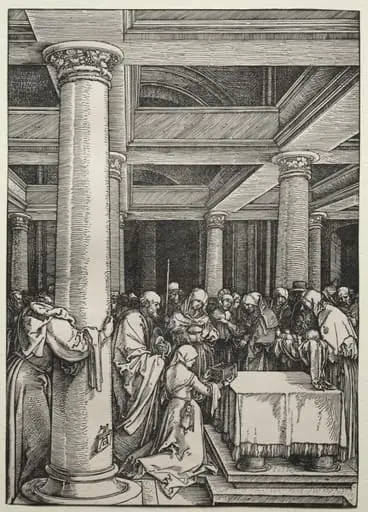
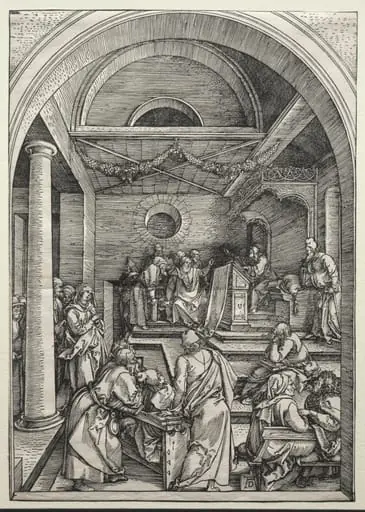
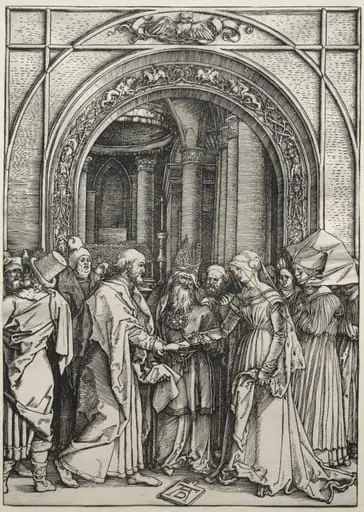
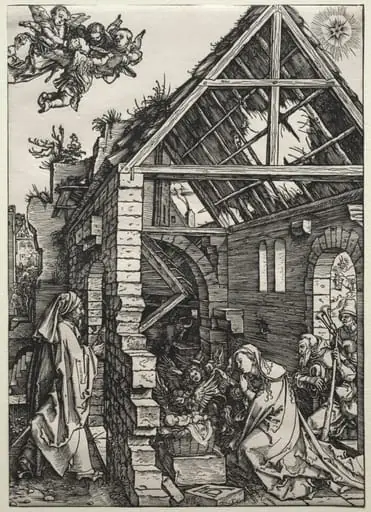
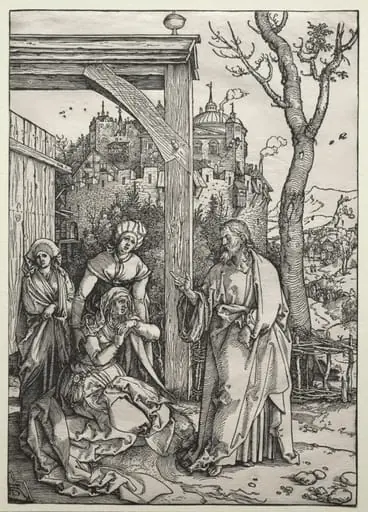
The Circumcision is a print by the Renaissance artist Albrecht Dürer. It dates from 1504 and is held in the collection of the Cleveland Museum of Art. The work is a series of eight woodcut prints created in 1959, catalogued as numbers 8 through 15.
About this work
You can learn more about this style by looking at the work of artist: Albrecht Dürer (German, 1471–1528).
The painting shows a scene of Jesus's circumcision.
It's a significant event in the Bible.
The details in the scene are interesting, like the expressions on the people's faces.
The scene is part of a series of woodcuts showing the life of Jesus.
These woodcuts tell a story from the Bible, showing important moments in Jesus's life.
You can learn more about this style by looking at the work of artist: Albrecht Dürer (German, 1471–1528).
Overview
The work is a series of eight woodcut prints created in 1959, catalogued as numbers 8 through 15. Together they trace a narrative beginning with the angelic announcement to Mary, moving through her early motherhood, the birth of Jesus, the visit of the Magi, the circumcision and temple presentation, and the family’s flight to Egypt, concluding with a domestic scene of daily life.
Subject & Meaning
The central image depicts the circumcision of the infant Jesus, a rite observed in Jewish tradition and recorded in the Gospel of Luke. Surrounding figures—family members, attendants, and celestial beings—convey both the solemnity of the ritual and its theological significance as the moment of the child’s covenantal entry into the Jewish people.
Technique & Style
Executed in woodcut, the prints employ stark contrasts of black and white, with fine line work that renders facial expressions and drapery details. The composition recalls the intricate engraving tradition of Albrecht Dürer, using dense hatching and dynamic arrangement of figures to guide the viewer’s eye through the narrative sequence.
History & Provenance
The series was produced in 1959, identified in the museum’s collection under accession numbers 99.8‑15. It has remained in the institution’s holdings since acquisition, with no recorded changes in ownership. The prints were likely created for devotional or educational purposes, reflecting mid‑20th‑century interest in biblical illustration.
Context
These woodcuts belong to a broader tradition of visual storytelling that follows the life of Christ from annunciation to early childhood. By integrating biblical episodes with everyday scenes—such as Joseph’s carpentry and Mary’s spinning—the series situates sacred events within the ordinary rhythms of family life.
Legacy
While not as widely reproduced as earlier Renaissance prints, the series exemplifies a modern continuation of the woodcut medium for religious narrative. Its clear visual language and adherence to historic techniques make it a reference point for contemporary artists exploring print‑based biblical illustration.
Artist & collection
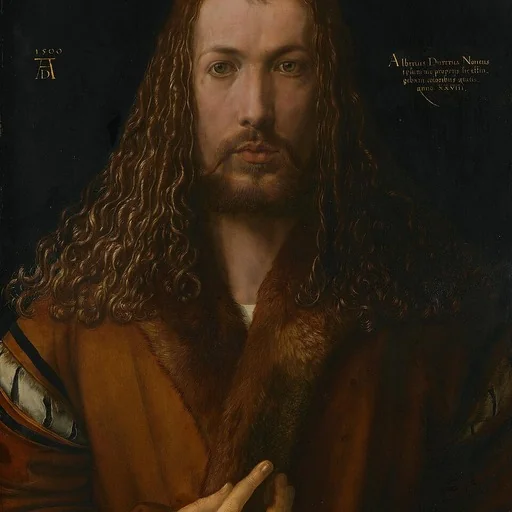
Artist
Albrecht Dürer spent his life in Nuremberg, a busy German city where artists traded prints like currency.

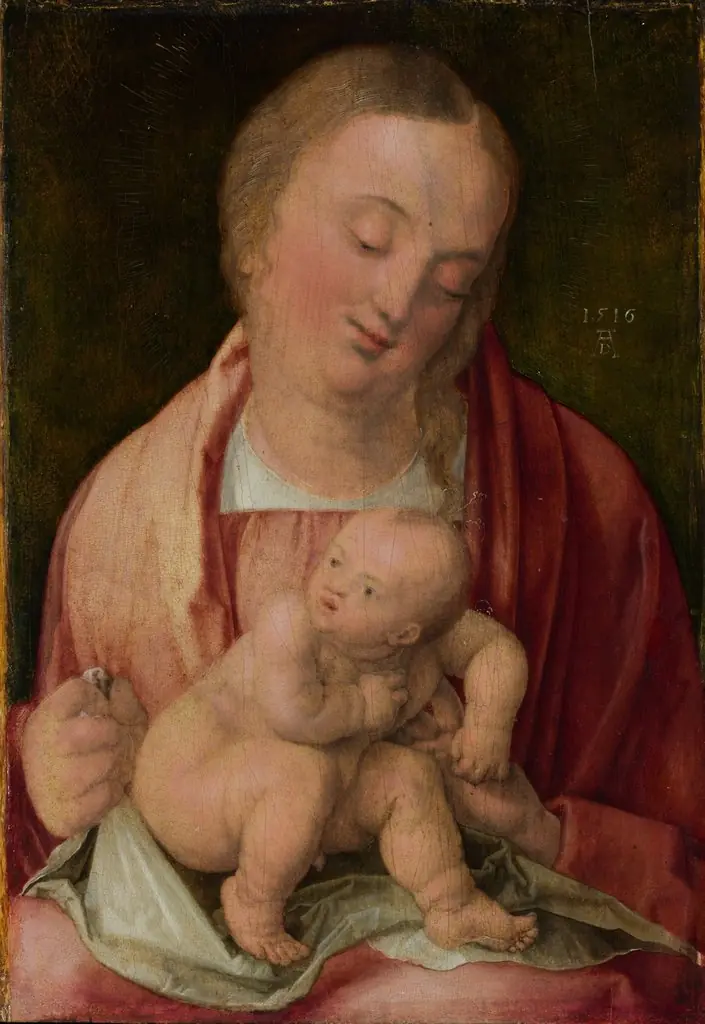
![Madonna and Child [obverse], by Albrecht Dürer](https://artifactworldgallery.com/img/albrecht-durer--madonna-and-child-obverse--d7b8ebf05d22ebe5-w320.webp)
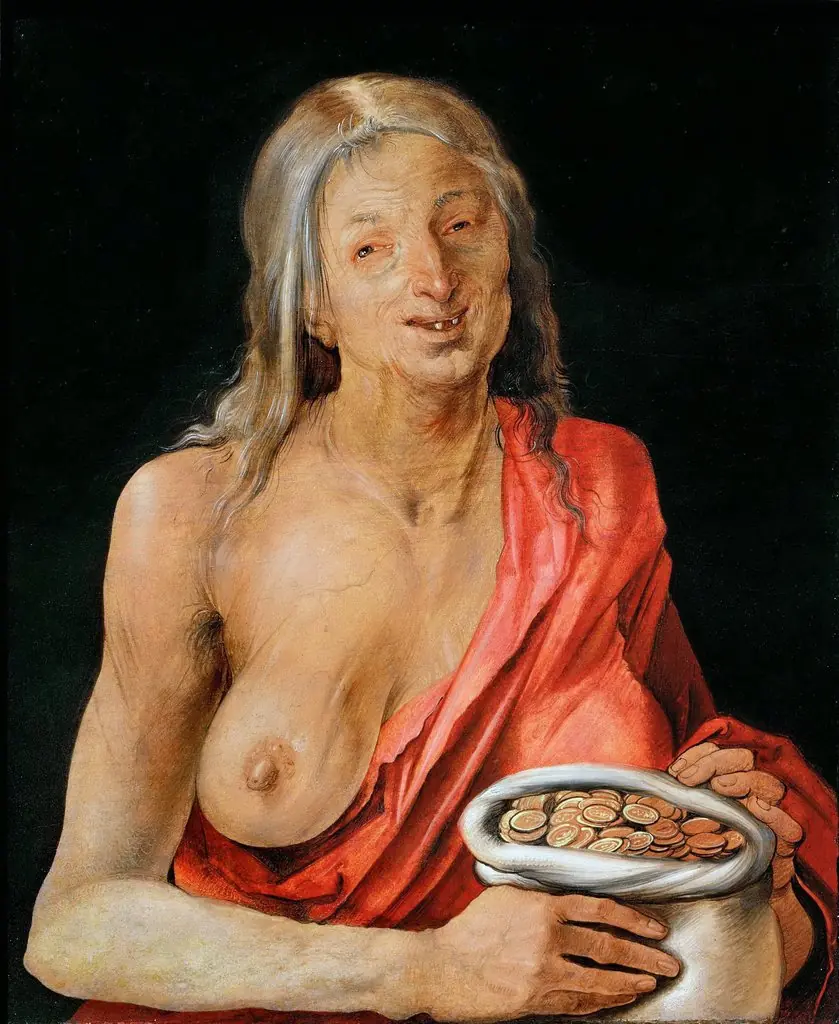
![Lot and His Daughters [reverse], by Albrecht Dürer](https://artifactworldgallery.com/img/albrecht-durer--lot-and-his-daughters-reverse--b4ebf9b282faa17a-w320.webp)