Artwork
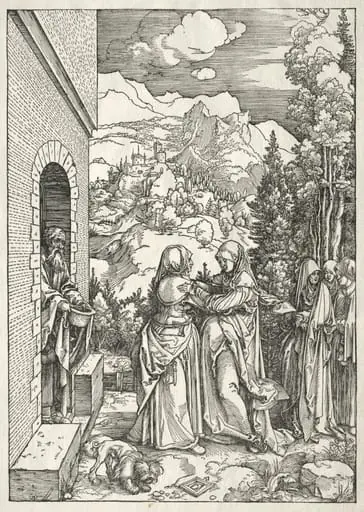
The Visitation
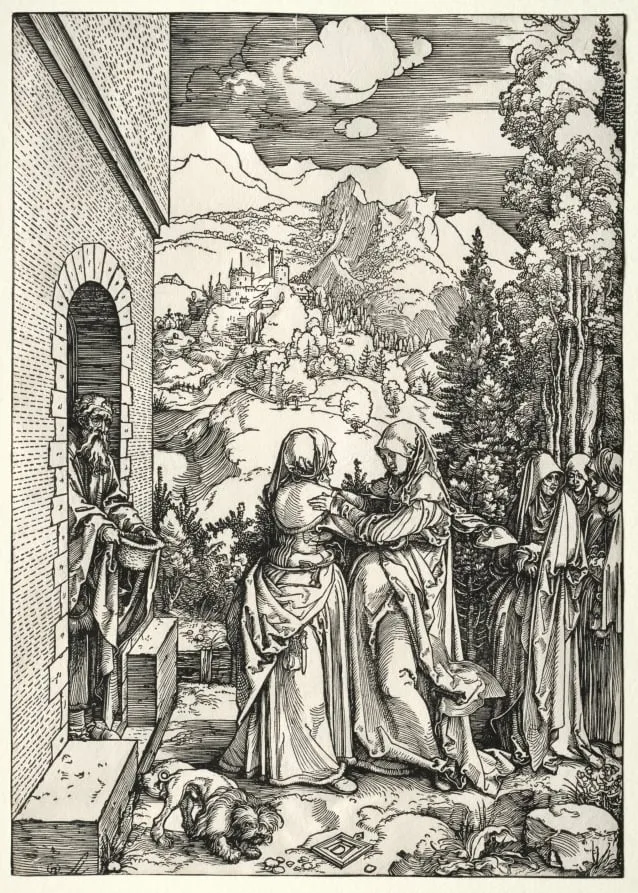
The Visitation is a print by the Renaissance artist Albrecht Dürer. It dates from 1504 and is held in the collection of the Cleveland Museum of Art.
About this work
You can learn more about this style by looking at the work of artist: Albrecht Dürer (German, 1471–1528).
This painting shows two women meeting, likely Mary and her cousin Elizabeth.
They seem happy to see each other.
The scene is from a story about Mary and her pregnancy, and it's part of a series of woodcuts.
The artist tells this story in a simple way, focusing on the people and their feelings.
You can learn more about this style by looking at the work of artist: Albrecht Dürer (German, 1471–1528).
Overview
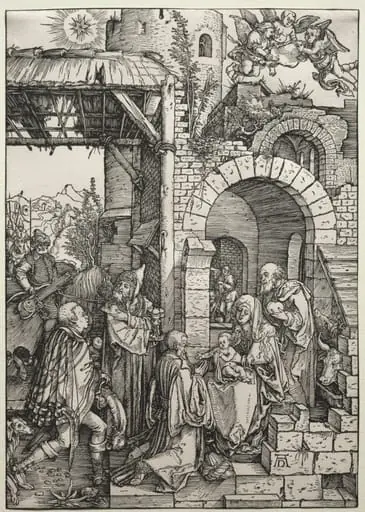
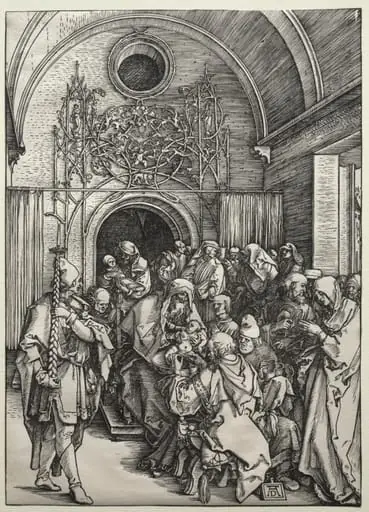
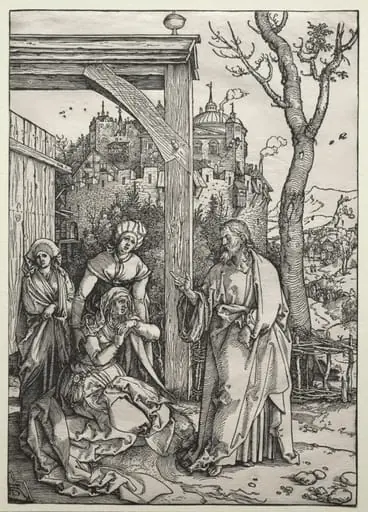
A series of eight woodcuts from 1511 depicts key moments in the early life of Jesus, beginning with the Annunciation and concluding with the Holy Family’s life in exile. Each print follows a sequential narrative, capturing intimate scenes of faith, family, and divine presence. The series was produced by Albrecht Dürer, whose precise linework and emotional restraint define the style. The final image, set in Egypt, offers a quiet domestic moment amid the sacred events.
Subject & Meaning
The sequence traces Mary’s journey from divine calling to motherhood, emphasizing human tenderness within theological narrative. The Visitation—Mary’s meeting with Elizabeth—highlights shared joy and spiritual solidarity. Later scenes, including the flight to Egypt, underscore vulnerability and protection. The inclusion of angels and the Holy Spirit in the final scene affirms divine oversight, transforming ordinary labor into sacred continuity.
Technique & Style
Dürer employed fine, controlled lines in woodcut to render figures with clarity and emotional nuance. Forms are simplified but not stylized; drapery, gestures, and facial expressions convey quiet dignity. The compositions avoid ornate backgrounds, focusing attention on interpersonal dynamics. The medium’s inherent contrast between black and white enhances the narrative’s solemnity and immediacy.
History & Provenance
Created in 1511, the series was part of Dürer’s broader engagement with religious themes during his mature period. The prints circulated widely across Europe, reflecting his reputation as a printmaker of intellectual and devotional depth. The eight plates entered the museum’s collection in 1959, acquired as a complete set, preserving their original sequence and intended narrative flow.
Context
Produced during the early Reformation, Dürer’s prints responded to a growing demand for accessible religious imagery among lay audiences. Unlike altarpieces, these woodcuts could be owned and studied privately. Their emphasis on personal devotion and domestic piety aligned with emerging spiritual trends, while maintaining Catholic iconography before doctrinal divisions deepened.
Legacy
Dürer’s Visitation series influenced generations of Northern European printmakers through its fusion of narrative clarity and technical precision. Its quiet humanity elevated biblical subjects beyond ceremonial representation, making them relatable. The series remains a touchstone for understanding how printmaking could serve both devotional and educational purposes in the early 16th century.
Artist & collection
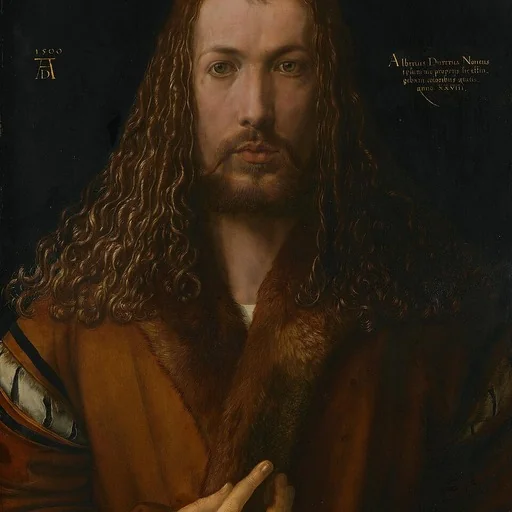
Artist
Albrecht Dürer spent his life in Nuremberg, a busy German city where artists traded prints like currency.

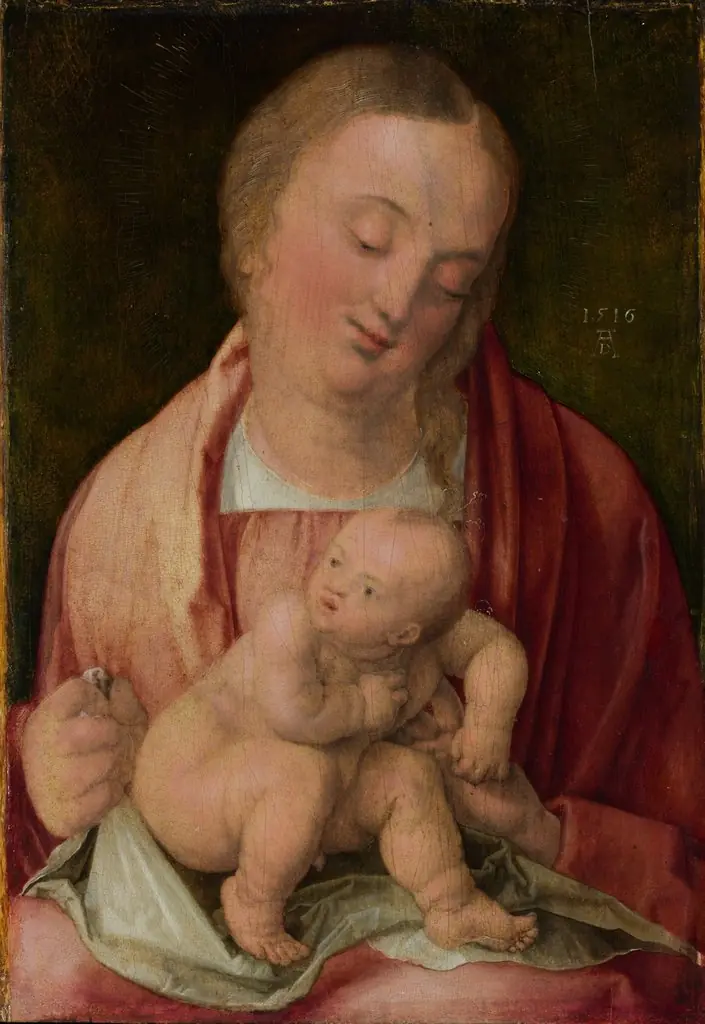
![Madonna and Child [obverse], by Albrecht Dürer](https://artifactworldgallery.com/img/albrecht-durer--madonna-and-child-obverse--d7b8ebf05d22ebe5-w320.webp)
![Lot and His Daughters [reverse], by Albrecht Dürer](https://artifactworldgallery.com/img/albrecht-durer--lot-and-his-daughters-reverse--b4ebf9b282faa17a-w320.webp)